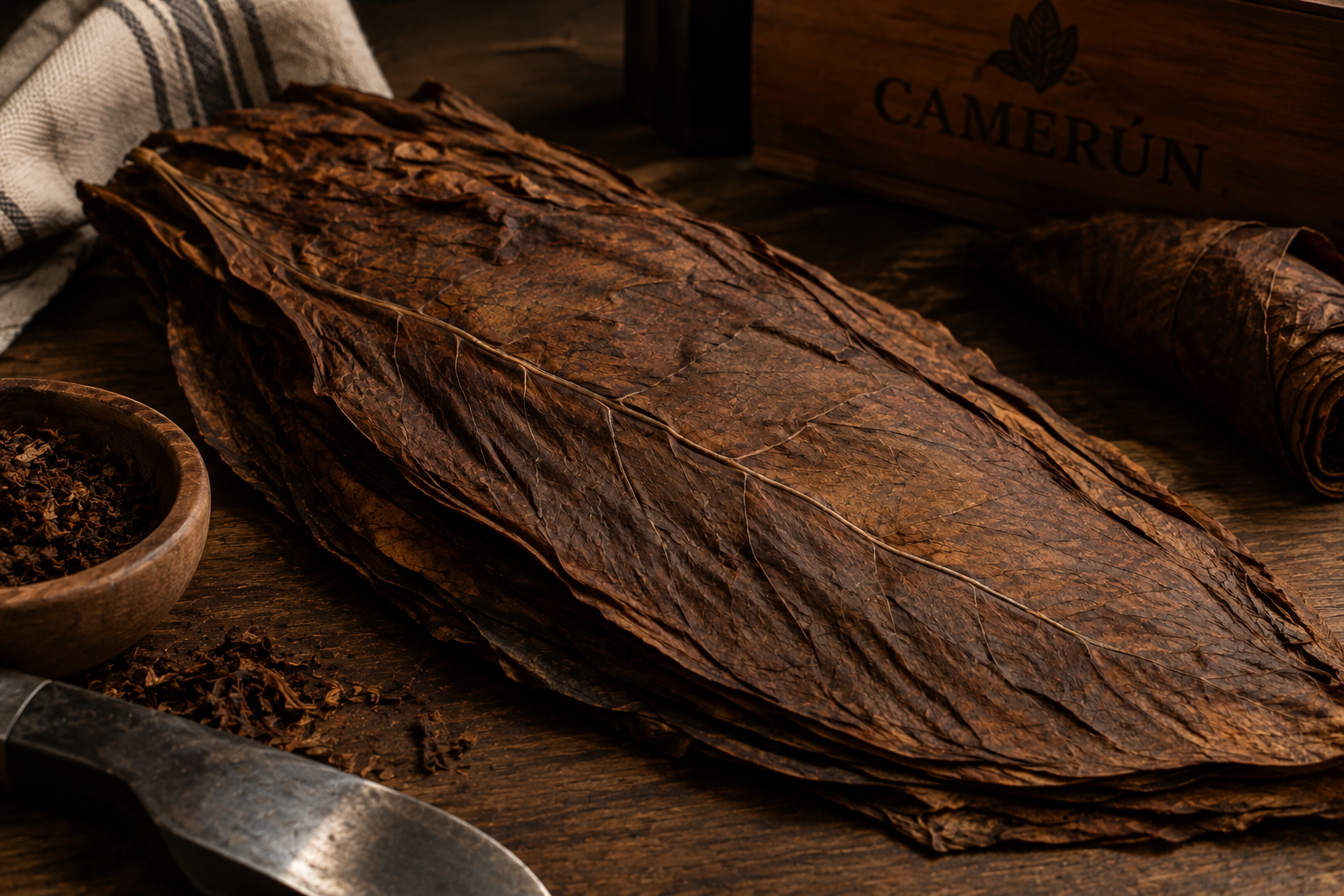
This wrapper originated around 1900, when the Dutch arrived in the region and brought seeds of the Sumatra variety with them. That is why it is known as African Sumatra. The climate in this region is similar to Ecuador’s: high humidity and cloud cover, which means the tobacco does not need to be shade-grown. Its leaf is said to be “toothed” because it has a rough, fine-grained texture formed by the high concentration of natural oils just beneath the surface.
Today, it is one of the most expensive and sought-after wrapper leaves in the world, but that was not always the case. After World War II, the French took control of the country and assigned tobacco production to the state-owned tobacco company SEITA. It was a disaster. Decades of mismanagement brought the tobacco industry to the brink of ruin and, even worse, nearly drove it to extinction. This is where the Meerapfel dynasty comes in, with 150 years of experience in tobacco cultivation and trading, as well as the international distribution of premium cigars.
Rick Meerapfel was the one who revived the plantations, made substantial investments, and founded the Central African Tobacco Company together with farmers from Cameroon and the Central African Republic to bring this tobacco back and elevate it to the ranks of the world’s finest wrapper leaves.
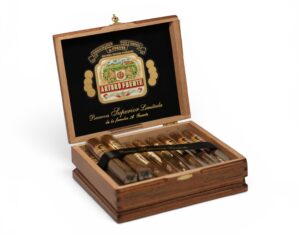
This delicate, small leaf has dressed some of the most iconic blends from Arturo Fuente, such as Don Carlos and Hemingway.