In 1839 in Bremen, Germany, a young man from a family of merchants planned how to forge a promising future for himself. Whispers of the New World reached him, speaking of vast opportunities for prosperity and new ways of living. It was then that Herman Dietrich Upmann (H. Upmann) made the life-changing decision to embark on a journey to an uncertain destination: Cuba.
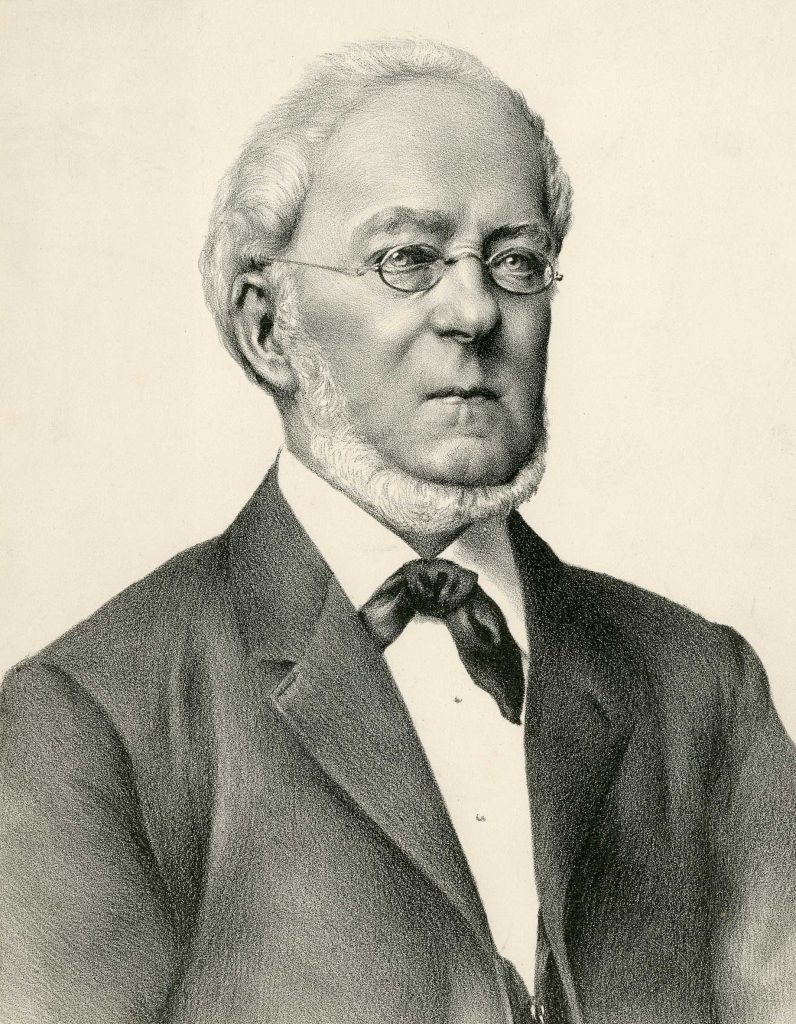
It is said that during the voyage, Herman made some good friends and prospective partners, one of whom spoke to him of the enormous potential for profitable business on the island, especially within the burgeoning tobacco industry. Once in Cuba, accompanied by his partners, they found a master torcedor who would teach them the art of rolling a Habano. H. Upmann began to source tobaccos and send them back to his acquaintances, friends, and family in Bremen, along with others he acquired in Cuba. To distinguish the ones he had made himself from the other gifts, he placed a yellow cigar band on them. His creations earned him great recognition among his loved ones, and seeing the huge opportunities on the island, he decided to launch a major project.
The year 1844 arrived, and on March 1, H. Upmann opened his first factory at 85 San Miguel Street in Havana. Historians still disagree on what the “H” stands for, with some arguing it means “Hermanos” (Brothers), “Herman,” or even that the original last name was “Hupmann.” During this same period, brands like Punch, Romeo y Julieta, and Ramón Allones were born, becoming major competitors to H. Upmann. However, the brand managed to carve out a unique identity and raise the bar for production quality, earning immense global recognition and securing a foothold in territories such as Great Britain, France, Denmark, Germany, the United States, and Spain.
The factory and other businesses became so successful that Herman asked his brother August to come to the island so they could run the businesses together. But August’s support only lasted a few years, as he eventually decided to go to Africa to try his luck and make a name for himself.
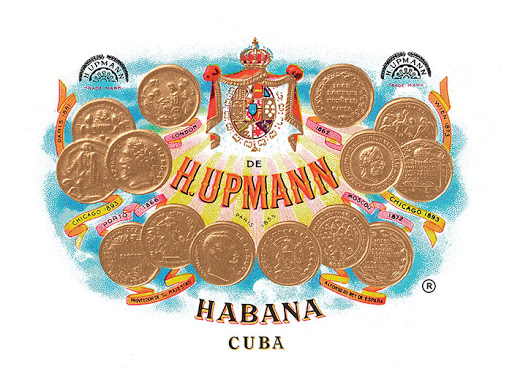
By 1891, with so much growth and success, and after achieving enormous milestones like being recognized by King Alfonso XII of Spain, who named them “Purveyors to His Majesty and also privileged with the use of the royal coat of arms,” they decided to move their factory to an impressive new estate, Carlos II, with more than 200 workers, a truly formidable feat for its time. They gained such recognition for their quality that between 1855 and 1907 they were awarded 12 gold medals at various international exhibitions.
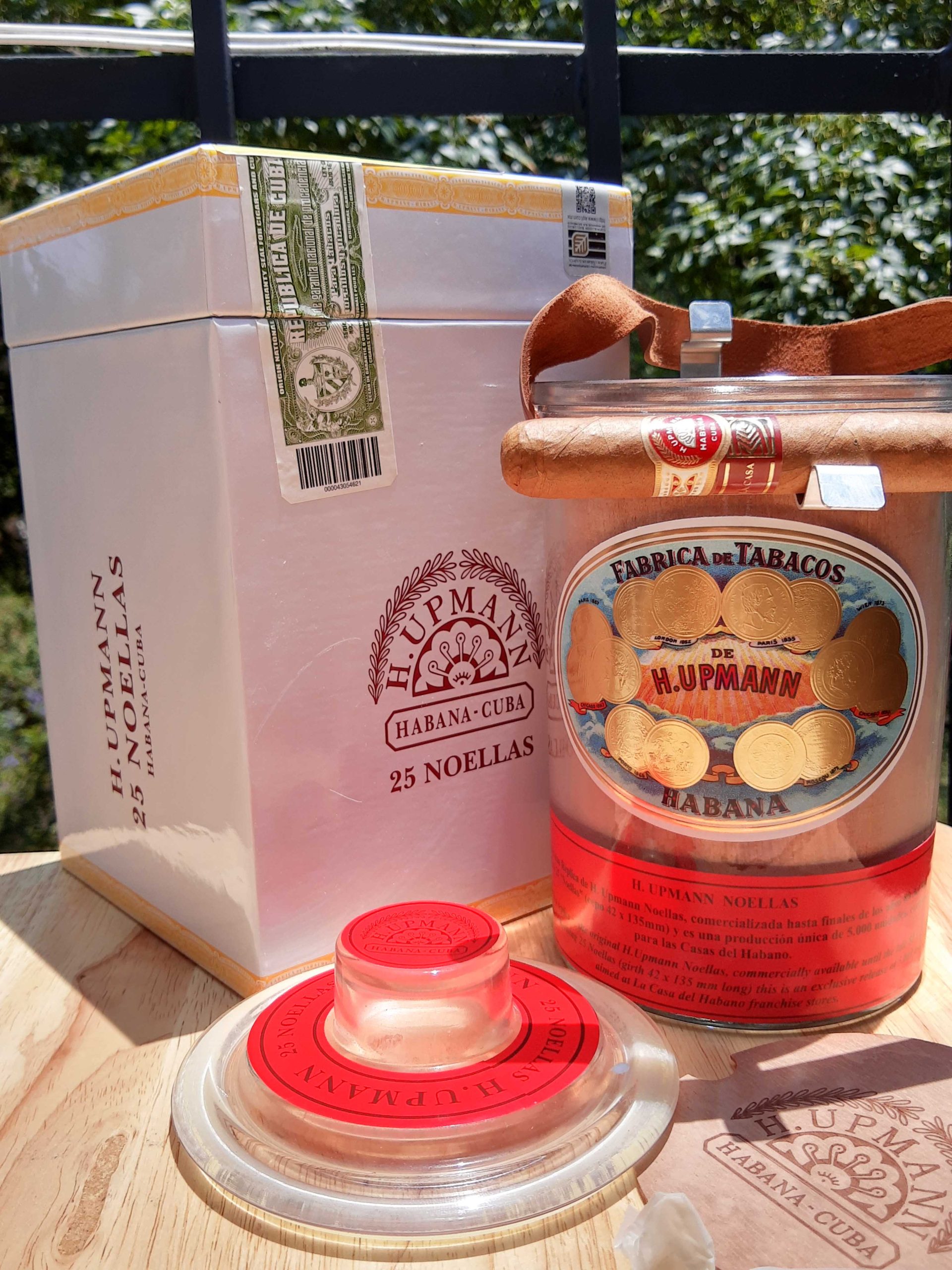
Beyond their quality and product selection, H. Upmann was one of the most innovative brands, being among the first to use cedar boxes to preserve and differentiate their cigars from others. They also used glass and ceramic jars. The brand was a pioneer in creating truly collectible items in their productions.
As the brand grew and observing a great opportunity on the island, Herman’s nephews, German and Alberto Upmann, partnered with him to found a commercial bank in Havana. However, their success would not last forever. By 1922, the bank and the H. Upmann factory had to declare bankruptcy, leading to the sale of the brand, factory, and all its assets to the company J. Frankau SA. When the new owners saw no profit from the brand, they in turn sold it to Menéndez, García & Co., ushering in a new era for the H. Upmann brand that continues to this day.
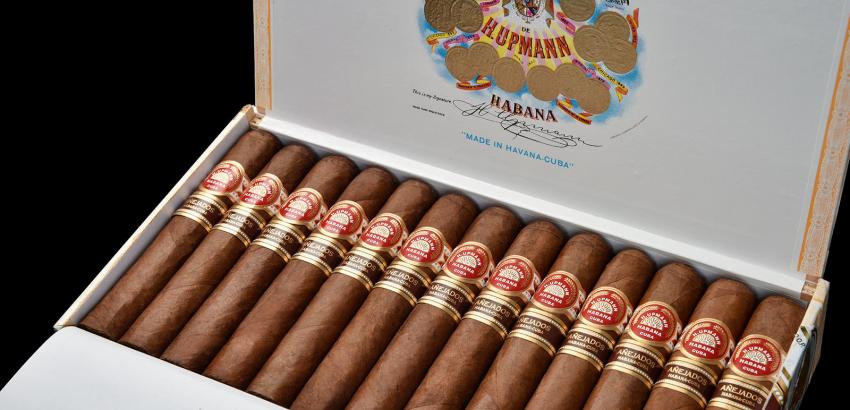
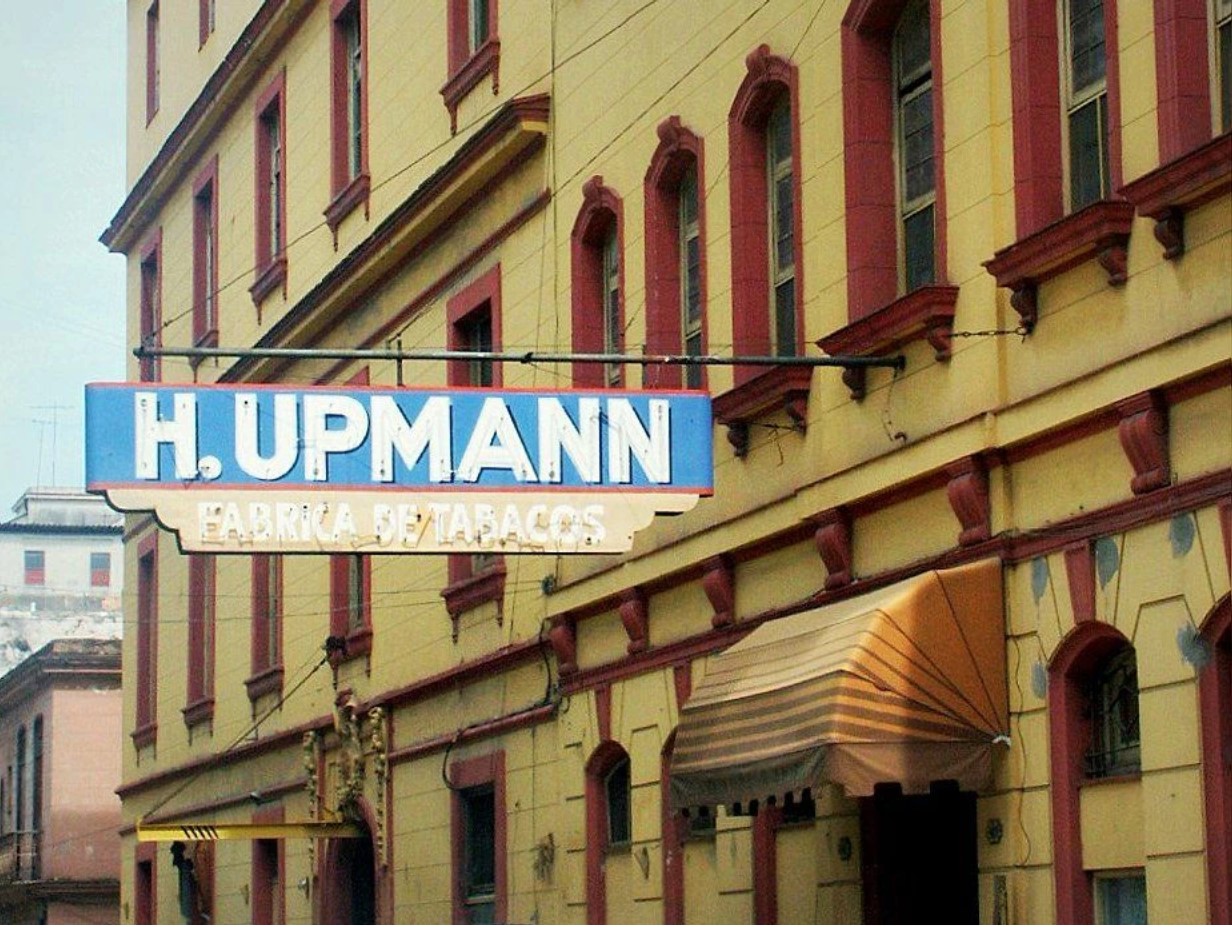
Today, the brand, which is owned by Habanos SA, continues to enjoy great prestige among smokers, not only for the quality of its cigars but also for the brand’s overall profile, its unmistakable flavors and aromas, and the great variety of vitolas in its portfolio.
With a mild to medium strength profile, this might come as a surprise when you smoke a H. Upmann Habano with five years of aging. The strength will likely have mellowed, but the flavors will have intensified and become truly defined.
Within their lines, you can find:
- Clásica (Coronas Junior, Minor, Major, Majestic, Half Corona, Sir Winston)
- Magnum (Magnum 46, 50, and 54)
- Connossieur (No. 1, A, and B)
- Special productions like the Noellas H. Upmann Jar
- And the unmissable H. Upmann Robustos Añejados
For pairings, depending on the vitola and its age, several pairings are highly recommended:
- Red wines aged in barrels for at least 24 months
- Brandy Carlos I Imperial
- Rum Havana Club 7 and 15 Year Old
- The Macallan 12 Year Old Double Cask
- Black tea
- Espresso Macchiato