Did you know that tobacco is also grown in Germany? Its history dates back to the 16th century, when the plant arrived in Europe from the Americas and began to be cultivated in German gardens for medicinal and ornamental purposes. By 1573, for example, tobacco was already being grown in the parish garden of Hatzenbühl, in the southern Palatinate. During the Thirty Years’ War (1618–1648), tobacco consumption spread among soldiers, helping to drive up demand. From the late 17th century onward, cultivation gained ground in various regions, also encouraged by the arrival of French Huguenots, who brought with them valuable agricultural knowledge.
By around 1880, Germany had approximately 300 factories and a workforce of 200,000 tobacco growers cultivating some 20,000 hectares of tobacco each year. Regions such as Baden and the Palatinate became major production areas, where tobacco growing was an integral part of agricultural and commercial activity. As the industry expanded, leaf processing and distribution also took on a prominent role in the country’s tobacco economy.
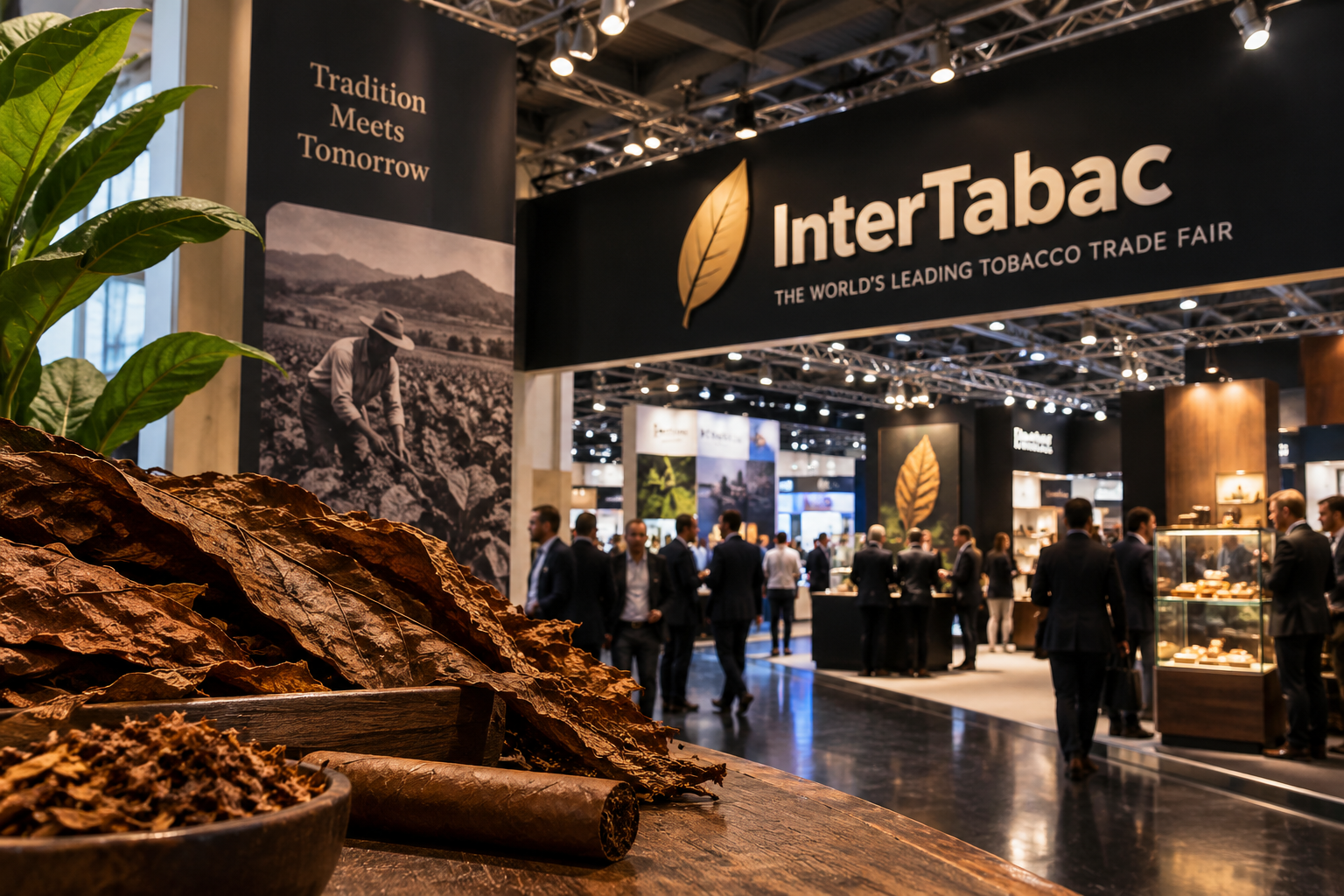
But Germany’s relationship with tobacco extends far beyond its fields. From the 16th century to the present day, the country has remained one of the world’s leading tobacco importers and is home to InterTabac, widely regarded as the world’s largest trade fair for the tobacco industry. Held in Dortmund since 1978, it brings together manufacturers, distributors, and industry professionals from around the globe to showcase new products, exchange experiences, and do business. More than just a trade fair, it is an essential event for the industry and a meeting point where the diversity and international reach of the tobacco world come together.