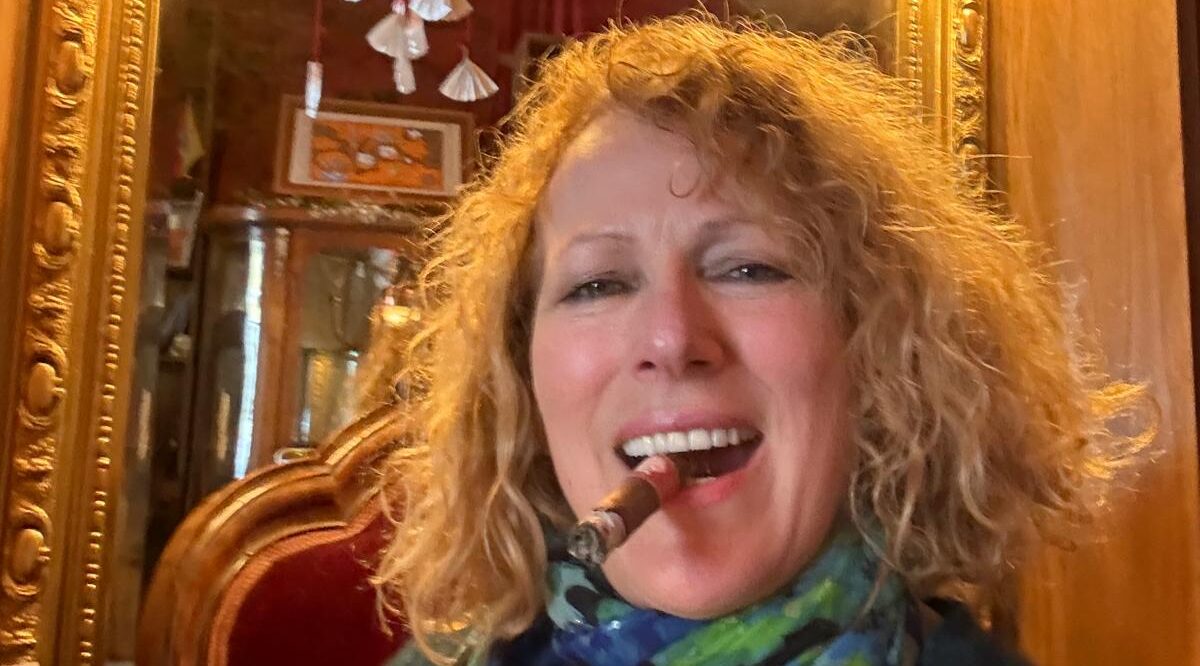
What do an artists’ residence in the historic neighborhood of San Telmo, Buenos Aires; an Argentine tobacco plantation; and a cigar lounge in Cologne, Germany, have in common? The answer has a name: Annette Meisl, who under the pen name Ana Galana has captivated an international audience with her literary saga, The Cigar Queen.
The German author spent four weeks in the Argentine capital working on the third installment of her family saga. What she initially planned as a brief writing retreat turned into an encounter with a city whose history and culture are deeply intertwined with the themes of her novels.
The Invitation
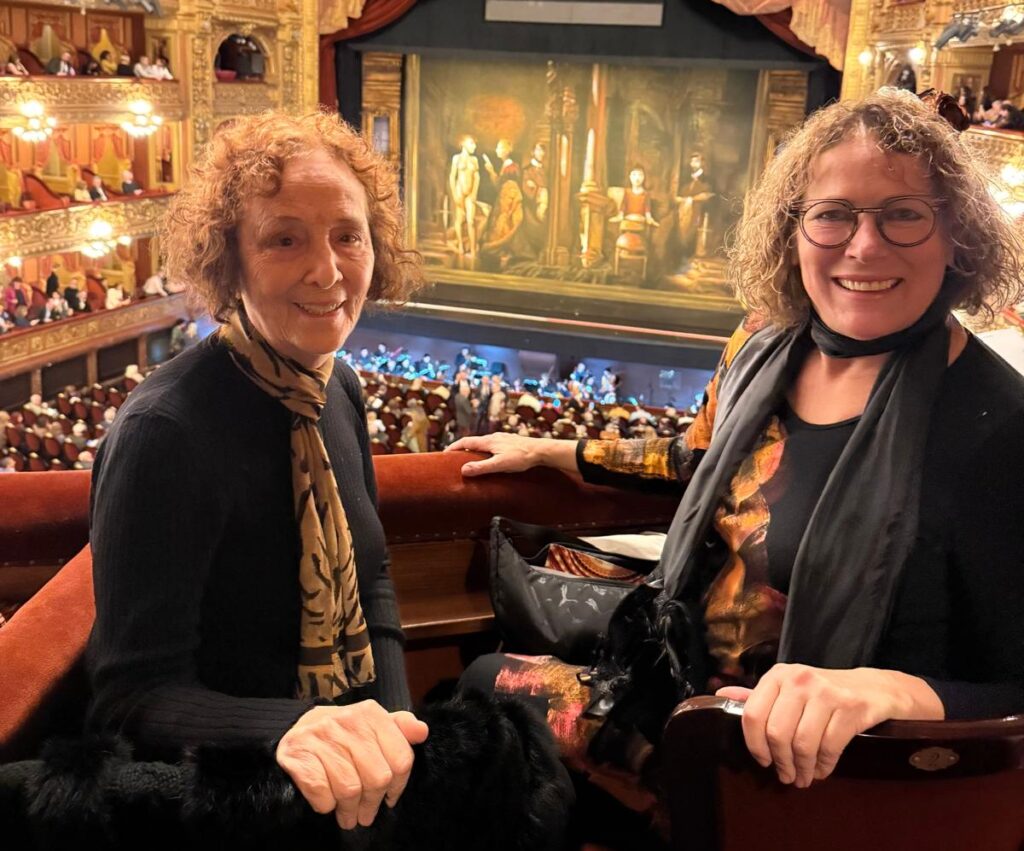
The journey was conceived in Cologne, Germany, at the La Galana cigar lounge, where Daniela and Heinz have long been regular and cherished guests. This German couple fell in love with Buenos Aires and decided to create Fino 630 / La Casa Verde, an art space on Dr. Enrique Finochietto Street in the San Telmo neighborhood, where they support and promote local visual artists as a way of giving back to the country that captivated them.
During their visits to the Cologne cigar lounge, they often shared a fine cigar with the owner, Annette Meisl, whose periodic retreats provide the tranquility needed to continue breathing life into the universe of The Cigar Queen.
During one of their stays in Buenos Aires, Daniela and Heinz sent her a photograph of the second volume, The Legacy of the Cigar Queen—recently published in Spanish—accompanied by an enticing question: “Could you imagine spending a writing retreat here, in the heart of San Telmo?”
Annette didn’t think twice. The saga’s third volume was waiting to be finished, but between running her company, cigar production, managing the lounge, and her artistic engagements, daily life left her little time to write. So on September 13, just a day after performing in a Cologne theater, she boarded a plane bound for Buenos Aires.
A City Like a Novel
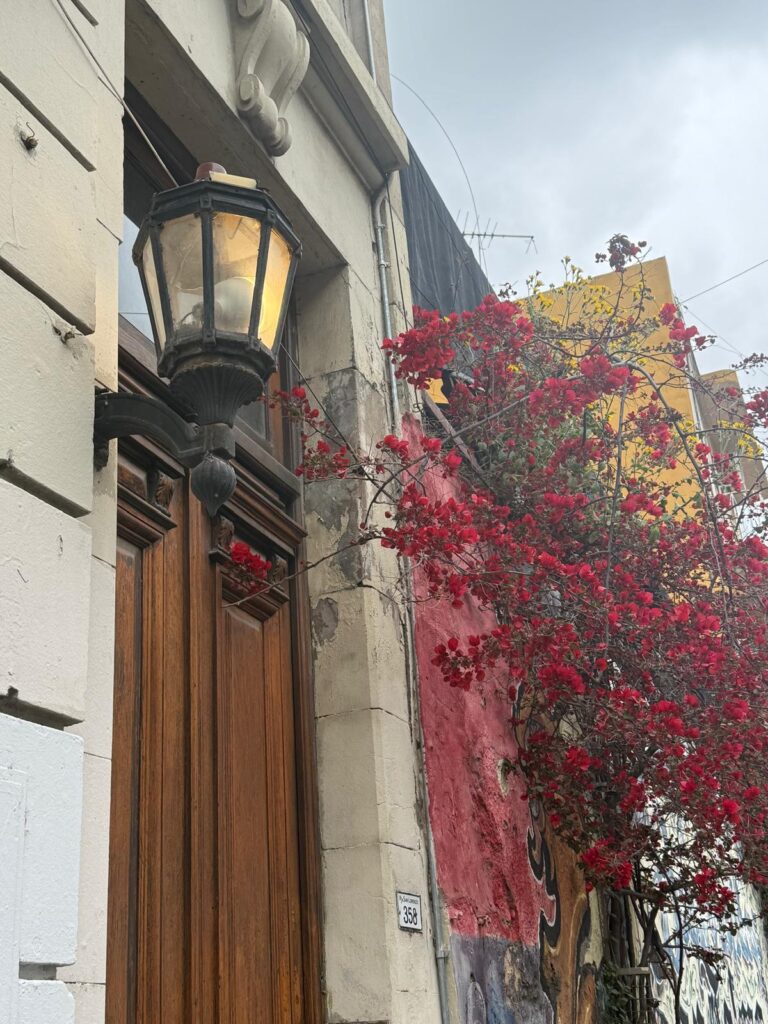
The Argentine capital proved to be a true revelation. “San Telmo, with its magnificent old houses—some left to decay and others lovingly restored—reminds me of Havana.” For an author of historical fiction set in Cuba, it was paradise.
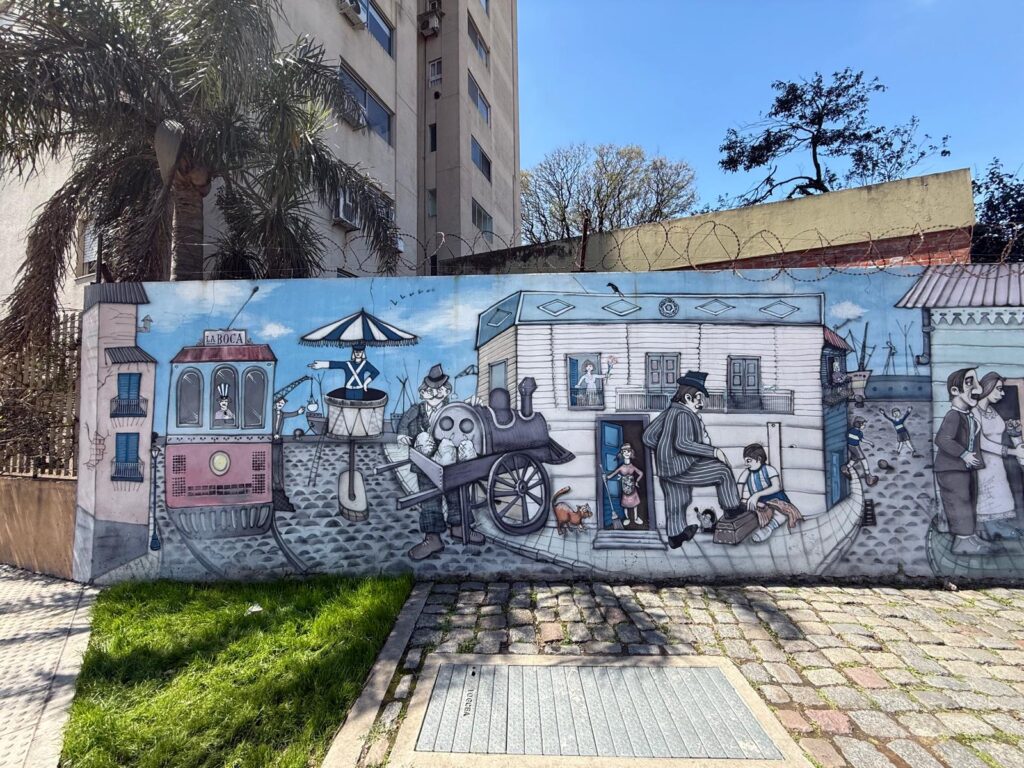
Annette let herself wander through cobblestone streets, discovering hidden courtyards, majestic facades, and historic cafes dating back over a century; everywhere, the past remained vibrantly alive. Conversations also blossomed with artists, intellectuals, entrepreneurs, and people whose family histories stretched far beyond Argentine borders.
Soon, tobacco also entered the picture. “I grew up on my family’s tobacco plantation in Corrientes,” Betty, a prominent Buenos Aires dentist, told her. Betty’s sister had even authored a book on the history and tobacco production of that Argentine province—a work that, unfortunately, is out of print.
For Annette, who has dedicated many years to the cultural history of tobacco, that encounter was particularly captivating. Later, Betty brought her traditional hand-rolled cigars and tobacco leaves from Corrientes—material that would take on a special spotlight during a literary presentation.
Picasso in the Salon
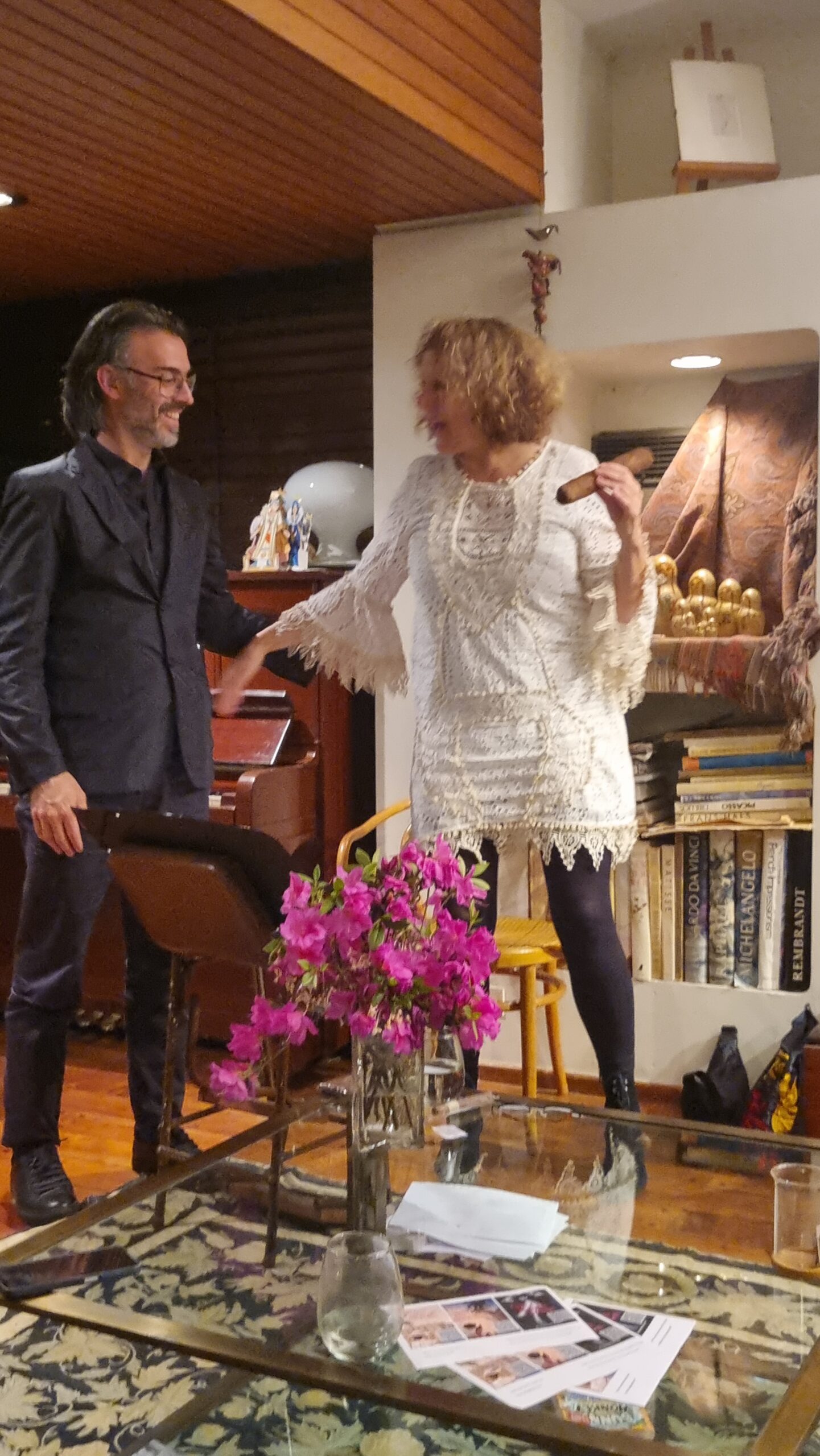
The author received several invitations to present her works. One took place in a private residence where art and music hold a place of honor. In the main salon, alongside an authentic Picasso, stands a Steinway grand piano that the hostess makes available to the young talents she supports.
Accompanied by Argentine pianist Juan Alarcón, the author presented the first volume of her family saga, The Secret of the Cigar Queen, whose story begins in the 19th century, bridging Germany and Cuba.
The tobacco leaves and cigars crafted in Corrientes added an extra sensory dimension to the evening, as guests closely observed the raw material that, throughout the novels, represents far more than a commercial good: tobacco unites people, continents, destinies, and generations.
What impressed Annette most was the curiosity of her audience. “I was fascinated by the literary culture, cultural education, and passion for literature and art that I found in Buenos Aires. Conversations arose that went far beyond my books.”
Shared History
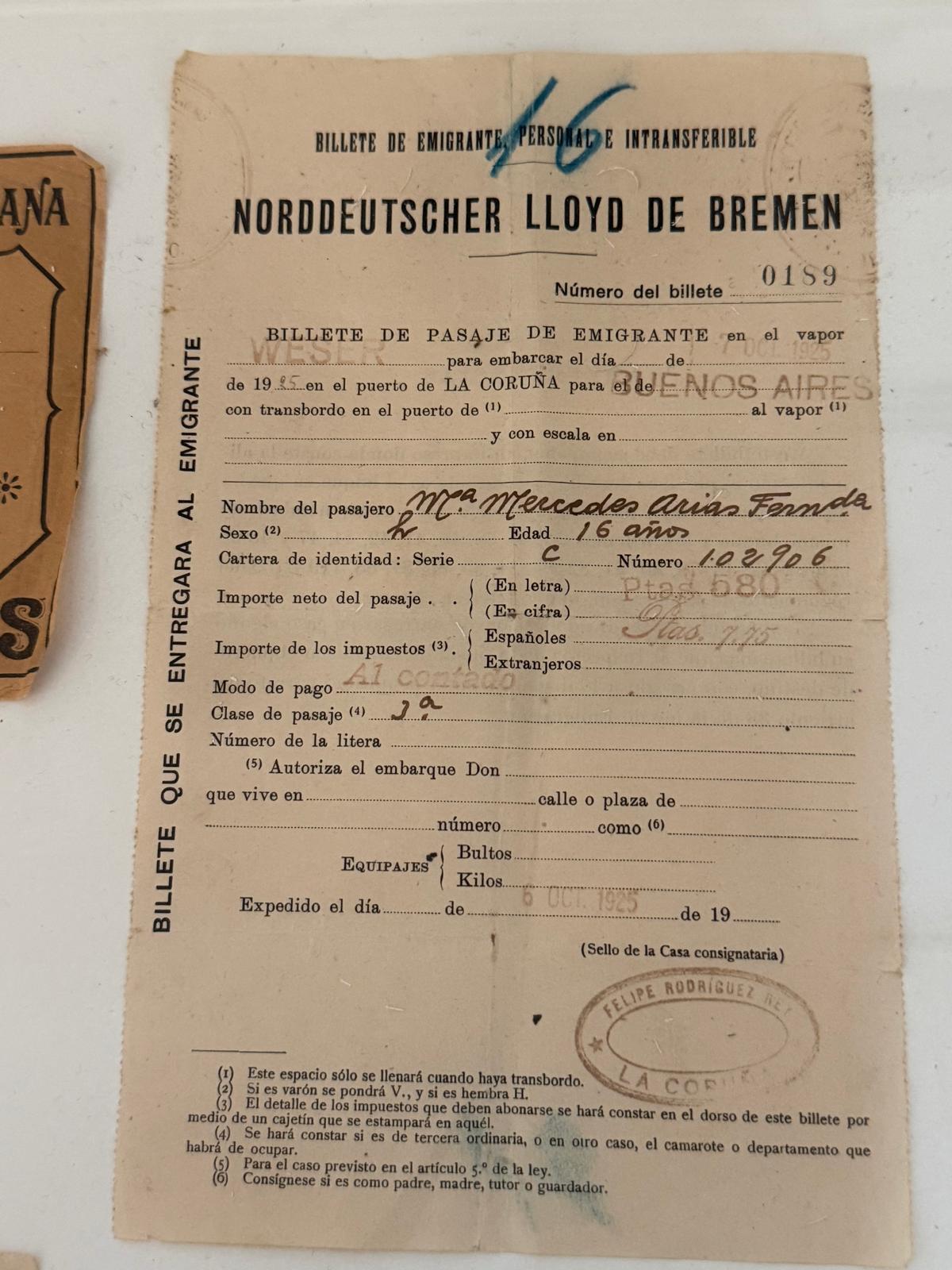
One of the core themes of the saga’s second installment, The Legacy of the Cigar Queen, is the encounter between Europe and Latin America. Its characters cross the Atlantic, leave their homeland behind, seek fortune in an unfamiliar world, and navigate different cultures and social structures.
In Buenos Aires, this strikes a special chord: “Here, almost everyone can share a story about a Spanish, Italian, or even German grandfather or great-grandfather. My theme—migration—naturally found very fertile ground… All these family stories fascinate me, and in my novels, tobacco connects them.”
Argentina, which over generations welcomed millions of immigrants, offered the author a distinct perspective on the experiences that shape the destinies of her characters. She gathered countless stories and impressions that, sooner or later—transformed by literary imagination—may find their way into the universe of The Cigar Queen.
Farewell…?
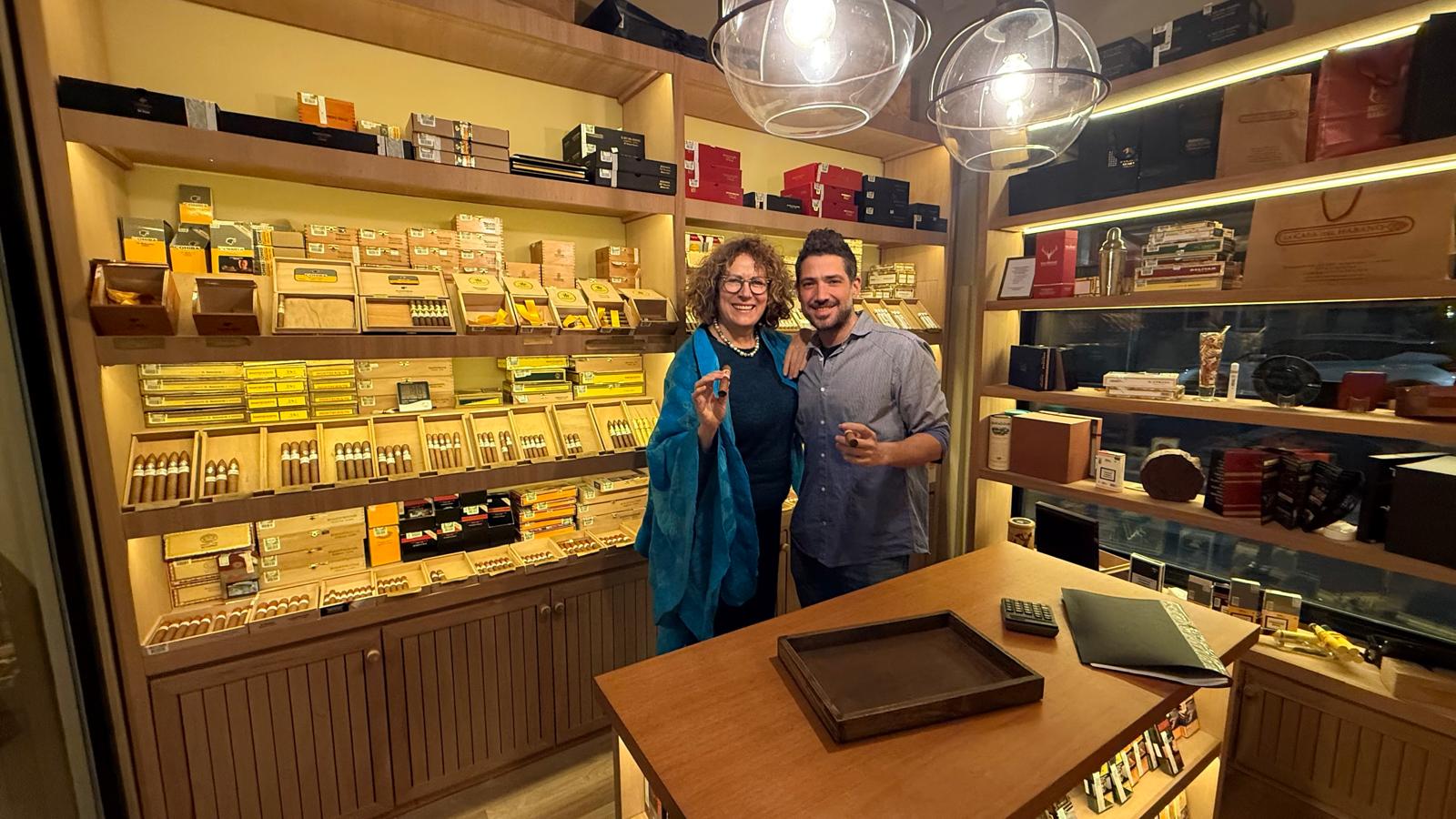
A visit to a Casa del Habano capped four weeks that wove together literature, art, music, and cigar culture. Saying goodbye to this city, with its European and Latin American soul, was not easy. And while Annette Meisl never lost sight of the primary goal of her trip—making progress on her third volume—Ana Galana is certain she will return.