


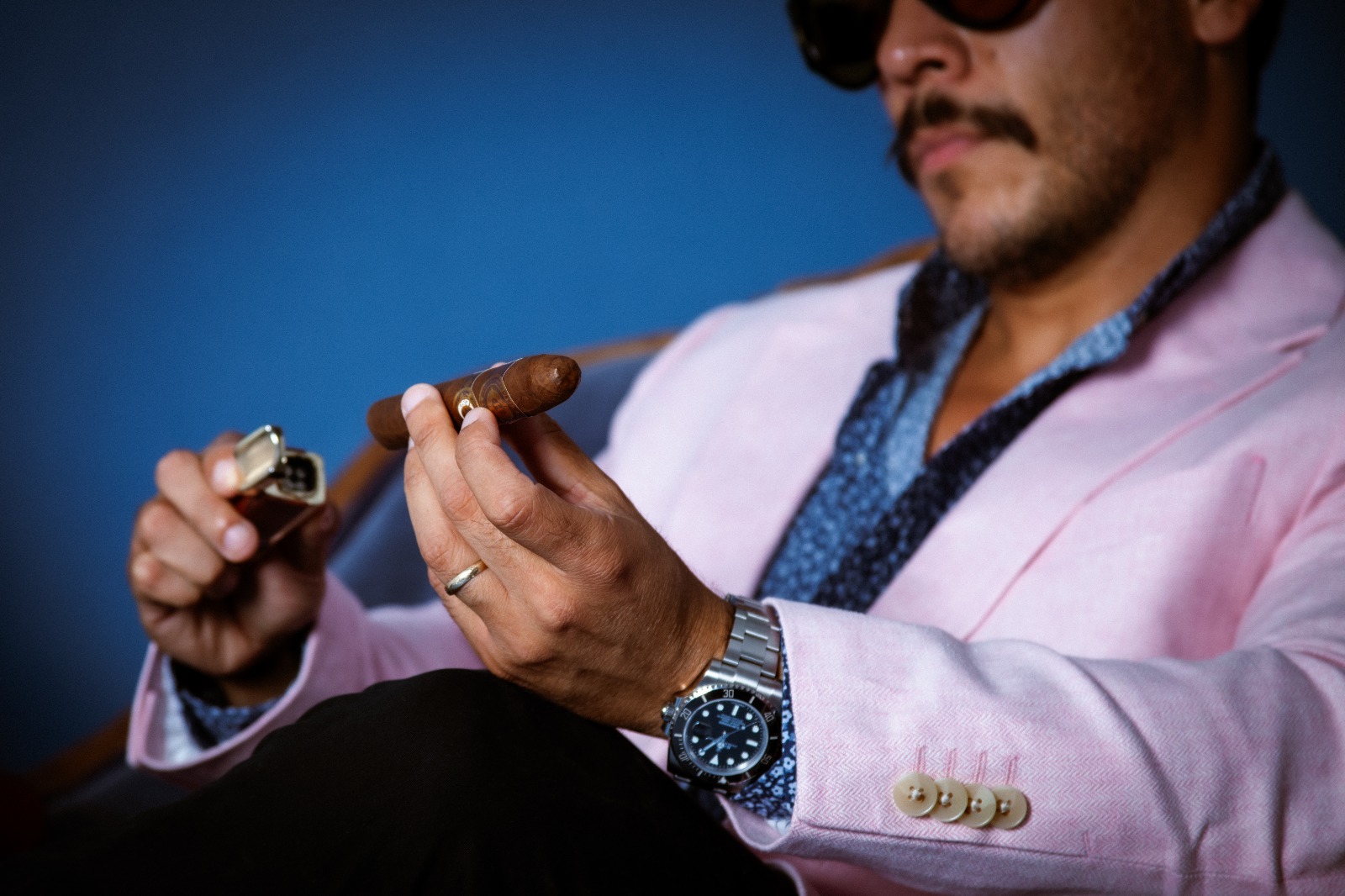
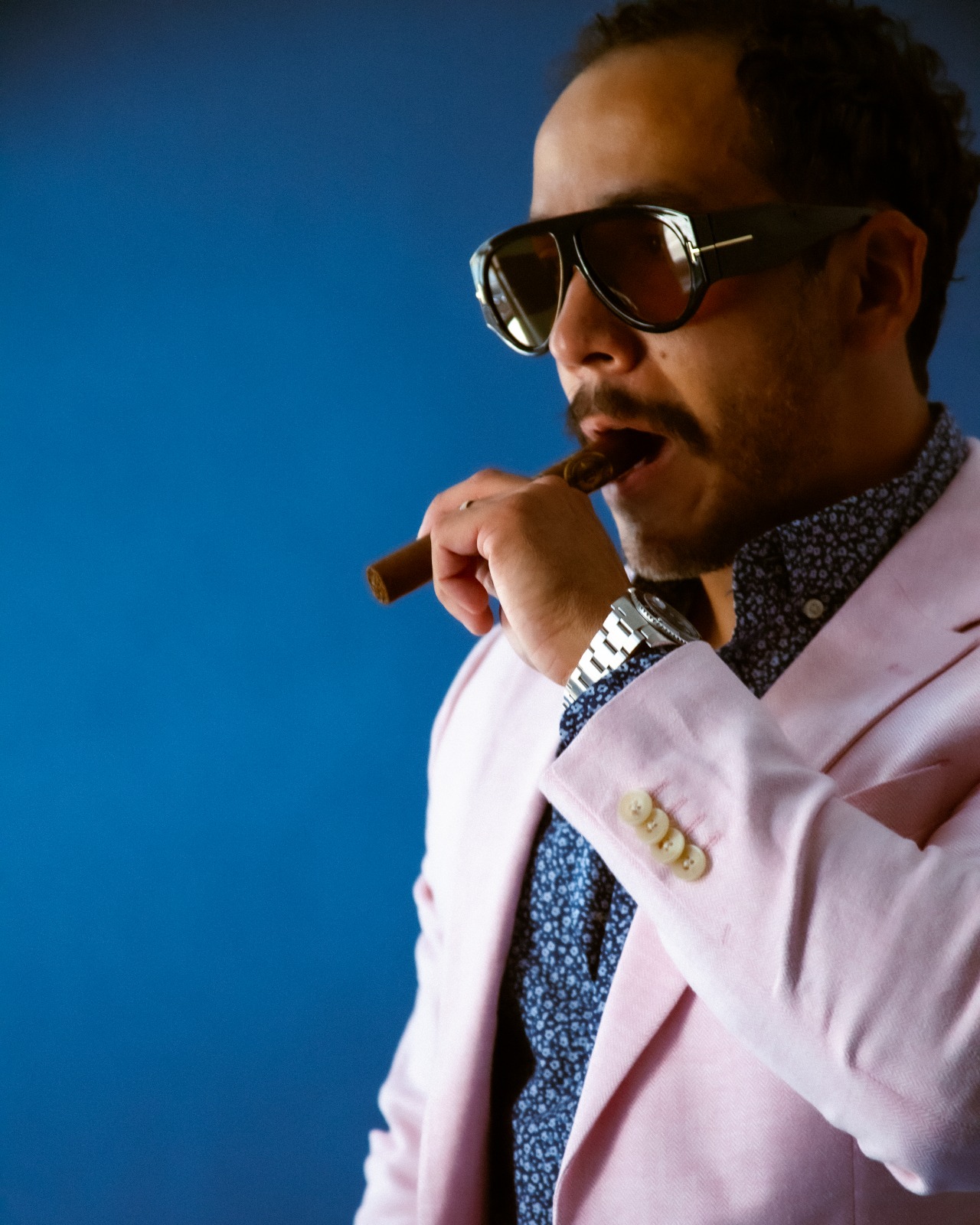
With a DNA heavily laden with tobacco and tradition, a product of his creator’s Honduran and Nicaraguan heritage, Guillen & Co. Premium Cigars arrives on the market with a dedication to pleasure and enjoyment from a perspective as intimate as family.
Manuel Manny Guillén was born and raised in Tegucigalpa, Honduras. With a Nicaraguan father, specifically from Estelí, he has now resided in Canada for 20 years, a country where he developed his artistic side through architecture, before now making a leap into the premium tobacco industry.
Read in the magazine (rotate your device for a better reading experience):
Discovering the Path
As the second of three sons and one daughter, Manny saw in his older brother that it was possible to walk the path of tobacco, as in 2009 he was the owner of Ópalo, a brand that, although it was more of a hobby, showed him that the adventure was possible.
From his childhood, he remembers his father filling every corner of the house with bandless cigars, while his maternal grandmother rolled her own. These circumstances soon led him to turn tobacco into a passion.
As part of the anecdotes that shaped him, he shares with Humo Latino the notes from his first smoke, a cigar from Yamales, El Paraíso, in Honduras. “I tried it, inhaled, and got sick. My grandmother corrected me and told me that you shouldn’t take a hit, as you do with cigarettes. She was a great aficionado and rolled her own cigars –a sort of Martha Stewart, with her cakes, gardening, and tobacco… always tobacco.”
At every opportunity, family vacations took place in Nicaragua or Florida, where migration had brought many of his cousins. With tobacco in his blood, visits to the tobacco lands of the neighboring country, and contact with Miami’s Latin culture –which is closely linked to cigars– Manny became an enthusiast and made the ritual of smoking a regular habit.
Art and Architecture
Drawn by the beauty of art, he always wanted to dedicate himself to creation. But aware that “art doesn’t always pay,” he found the perfect balance between sustainability and artistic expression in architecture.
As a hobby, he had dabbled in music and even painting, but on a professional level, architecture also provided technical aspects that added value in a different way than he would have obtained as a lawyer or a doctor, like his father.
Among other options, he also explored the idea of gastronomy, “but there was no passion there,” or civil engineering, a career his grandfather pursued: “but I’m terrible at math, so architecture fit everything and much better.”
Once he graduated, he experienced the difficulties of the job market, getting a job as an employee at a prestigious firm in Honduras, where the environment was not entirely pleasant. Drawn by the freedom that entrepreneurship provides, he sought to build a financial foundation that would allow him to become the owner of his own business.
For a time, he continued designing for others and even traveled to Panama, where for six months he dedicated himself to the construction of telecommunication towers. “It was a stage of learning about different styles, codes, and forms within the field; like a new university of life.”
Later came the call to the northern part of the continent, where studying for a postgraduate degree broadened his horizons. “Canada is a land of many opportunities, and I felt it was the right place and time to try to start my own business.”
At 28, and with a partner by his side, Manny managed to found his company, a venture that continues to this day and from which he obtained the capital to enter the world of premium tobacco.
A Canadian Brand, But Very Honduran
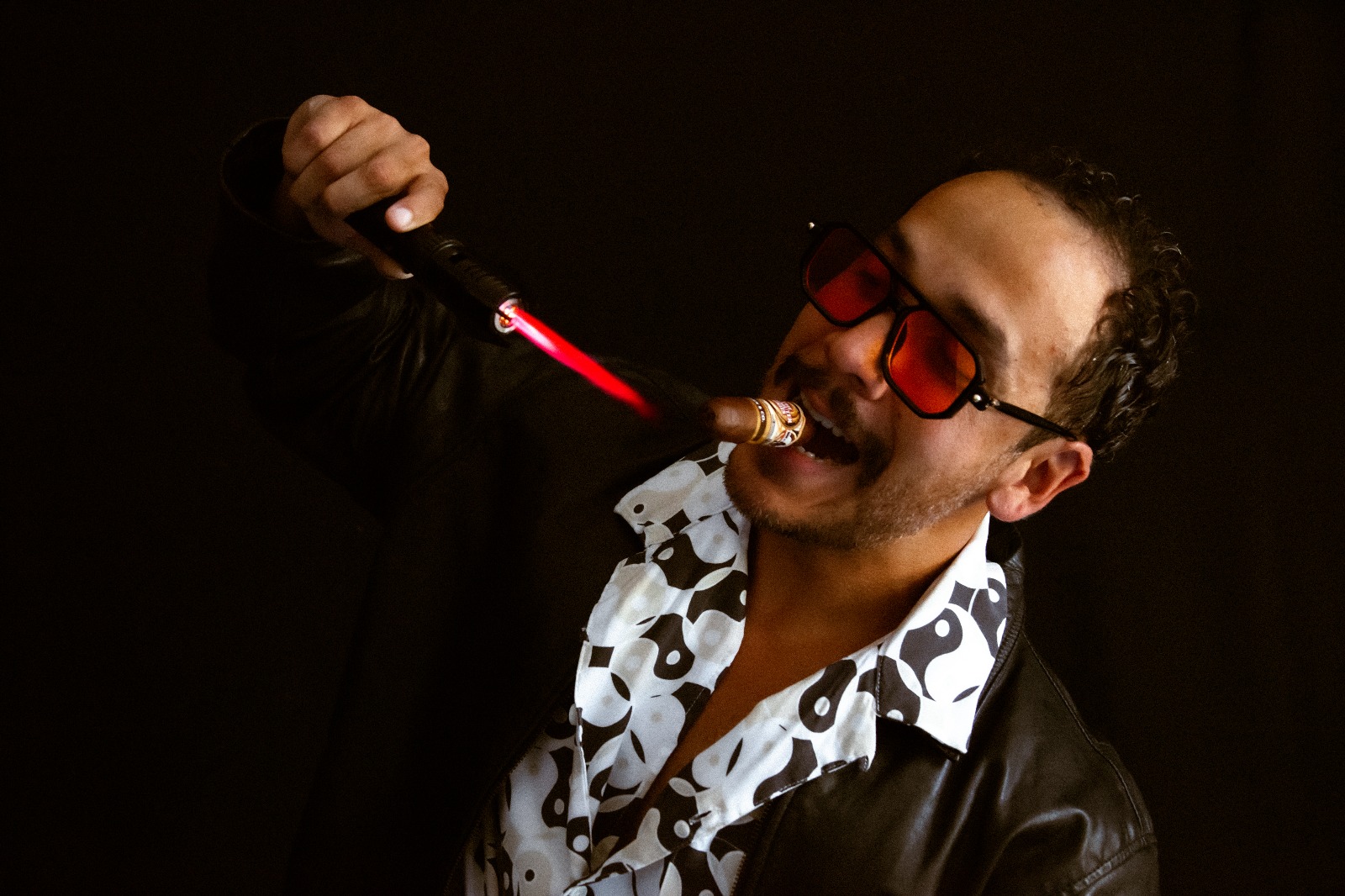
After collecting cigar bands, tasting notes, and visiting various countries and factories, Manny decided to turn his hobby into a profession. Settled in Canada and fully immersed in the Tobacco World, he realized that unlike the United States, Canada did not have local brands. This situation, he believes, likely contributed to the proliferation of tobacco restrictions and a lack of lobbying against them with authorities.
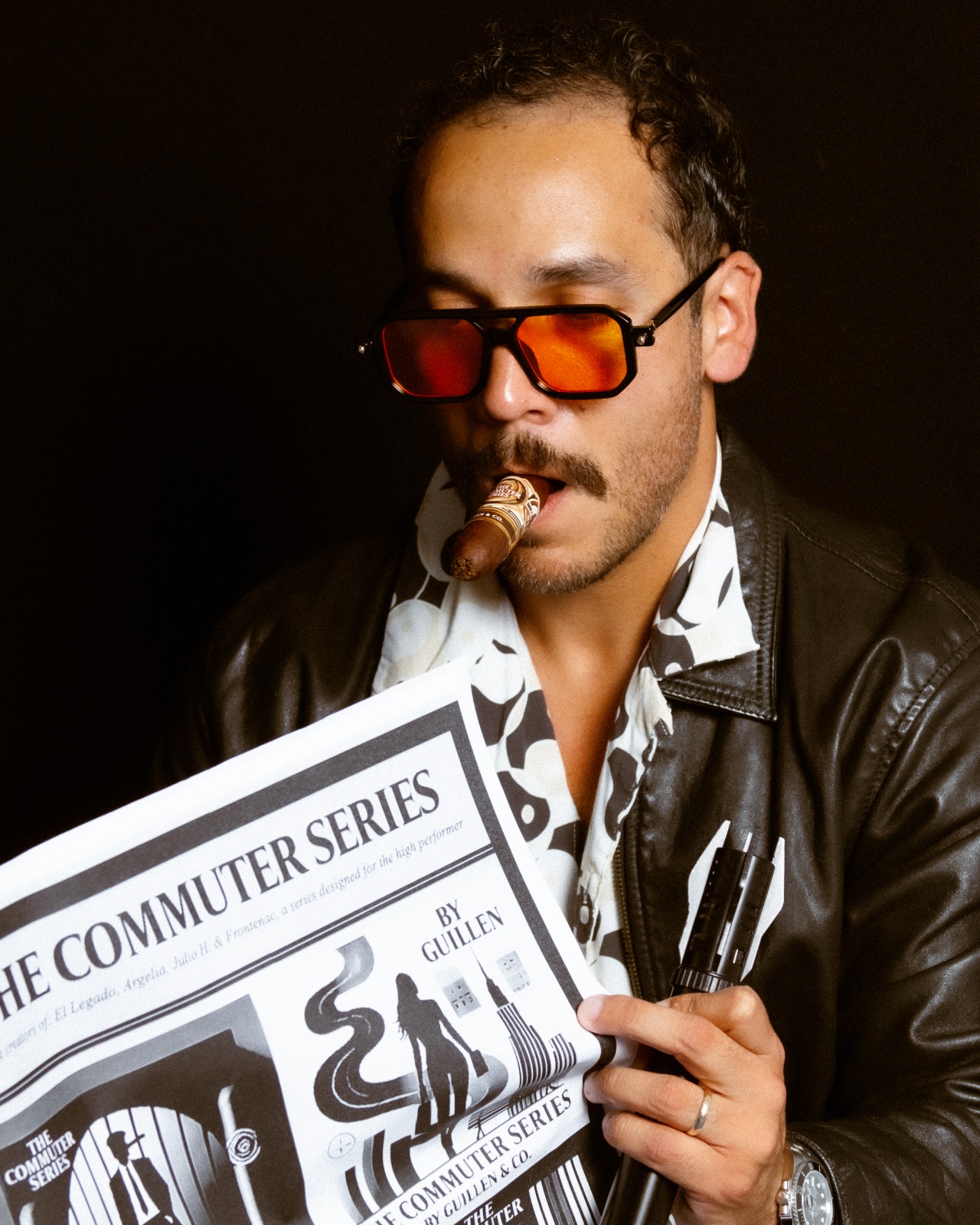
This is how Guillen & Co. Premium Cigars was born: a brand with premium quality products, consistency, and smokes that tell a story with every puff –a name with which he not only plans to forge a presence in his country of residence but also in the United States, obviously Honduras, and on the global stage, emphasizing his roots in both Central America and Canada.
Settled in the North, Manny continued to enrich his palate with Cuban and New World tobaccos, but his curiosity went further, and he learned to roll his own cigars. “I’m not a master torcedor or anything like that, but with the tobacco you can get here –even though the pound is expensive– I can get by to make cigars for recreational purposes.”
The brand was born five years ago, and he dedicated the first three to selecting a manufacturing partner, as “that is the main concern for a brand owner,” he notes. His idea was to produce in Nicaragua with Honduran tobaccos, but after exploring close to a dozen options, he did not find a space that would allow him the creative freedom and total control over the blend he was looking for.
Finally, Manny discovered Fábrica Centroamericana de Tabaco (FCT) in Honduras –the home of Cavalier Genève Cigars– where he found a welcoming atmosphere and a high level of professionalism, in addition to the openness he was seeking to develop his project. “The tobacco business is very personal, and in the other factories, there wasn’t that vibe you need for creation.”
In late 2023, after a long process of trial and error, the blend was finalized, and the official production began the following year, followed by a rigorous aging process and the processing of corresponding licenses for Miami, Honduras, and Canada, with the support and guidance of a broker to reduce operational costs.
How to Achieve the Blends?
Finding a space for creative freedom like FCT was one step in Manny’s process to venture into the premium tobacco industry, but behind it were many more that would, together, contribute to achieving the best possible results.
With the idea of founding his brand and some experience as a torcedor, he sought to understand how tobaccos worked. At this point, he knew what any aficionado knows, but he made the decision to smoke zero-grade leaves to learn the organoleptic characteristics of each variety, identifying nuances and verifying them in Honduras with the factory staff.
“Zero-grade is when you roll a small cigar using a single variety of leaf, to perceive its aromas and flavors without them interacting with anything else.”
With an idea of the blends and the “characters” they would represent within each cigar, Manny fully immersed himself in the creation of these blends, adding and removing leaves and varieties until he achieved the desired result.
“The Jamastrán Maduro wrapper is quite delicate; it doesn’t darken quickly and it needed a longer aging time in the pilon to achieve what we were looking for. The flavor was already there, but not the color. It was a process with the subtlety that characterizes the factory, which I appreciate.”
That long journey lasted between two and three years, which ultimately resulted in the Meet the Family series, a line created with the idea that a cigar is a character you socialize with and spend time with during important moments.
Stories and Moments
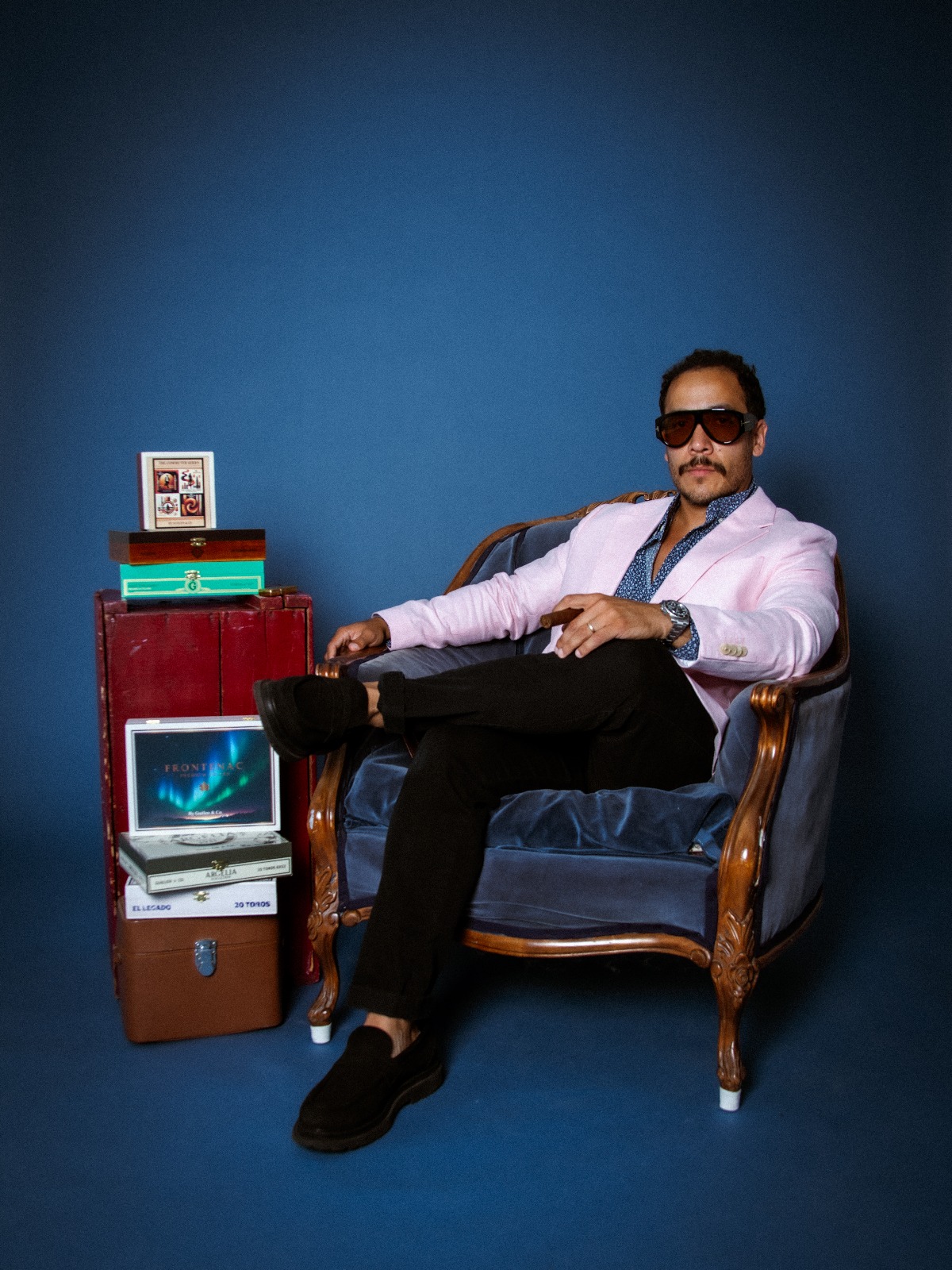
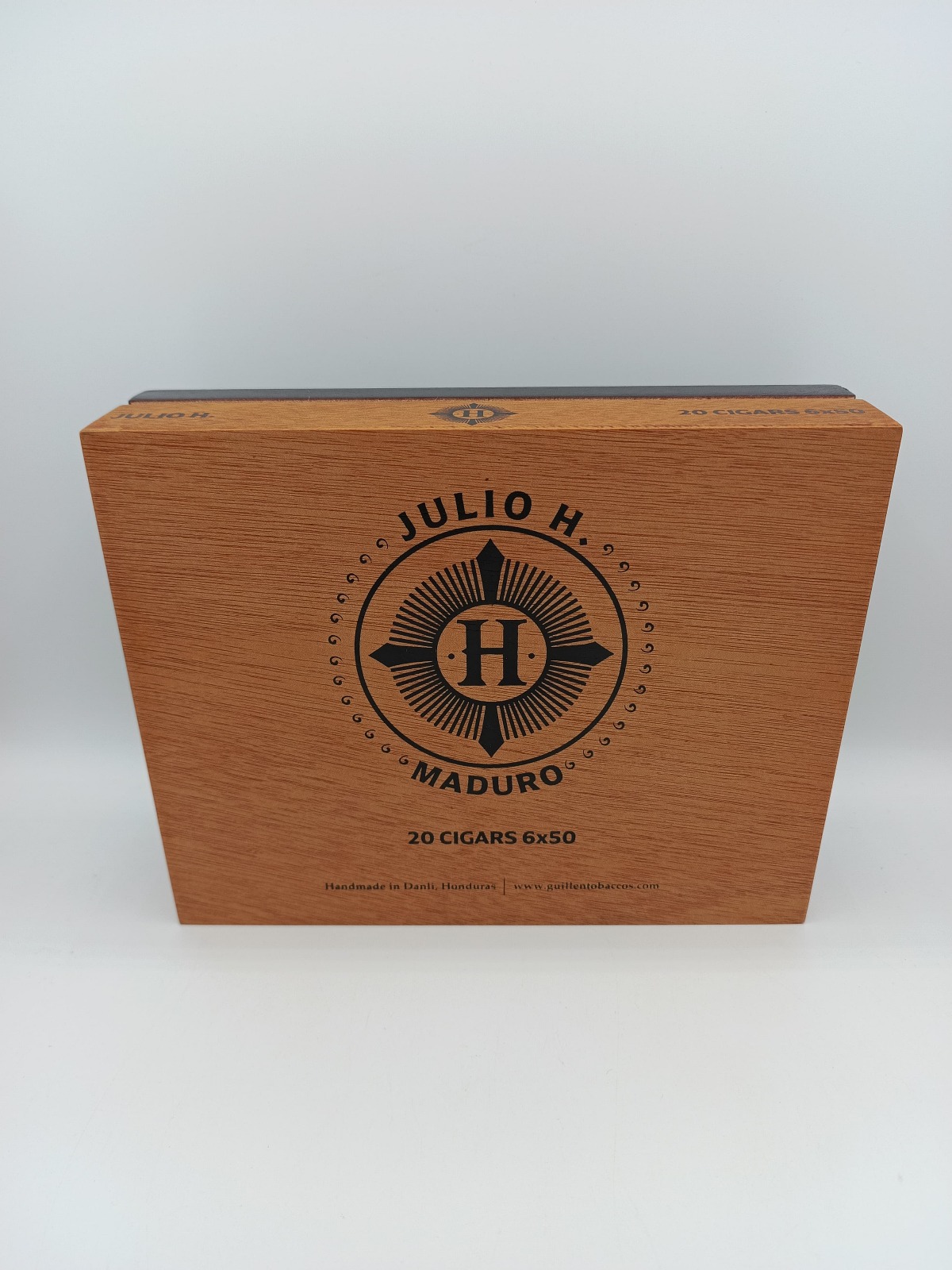
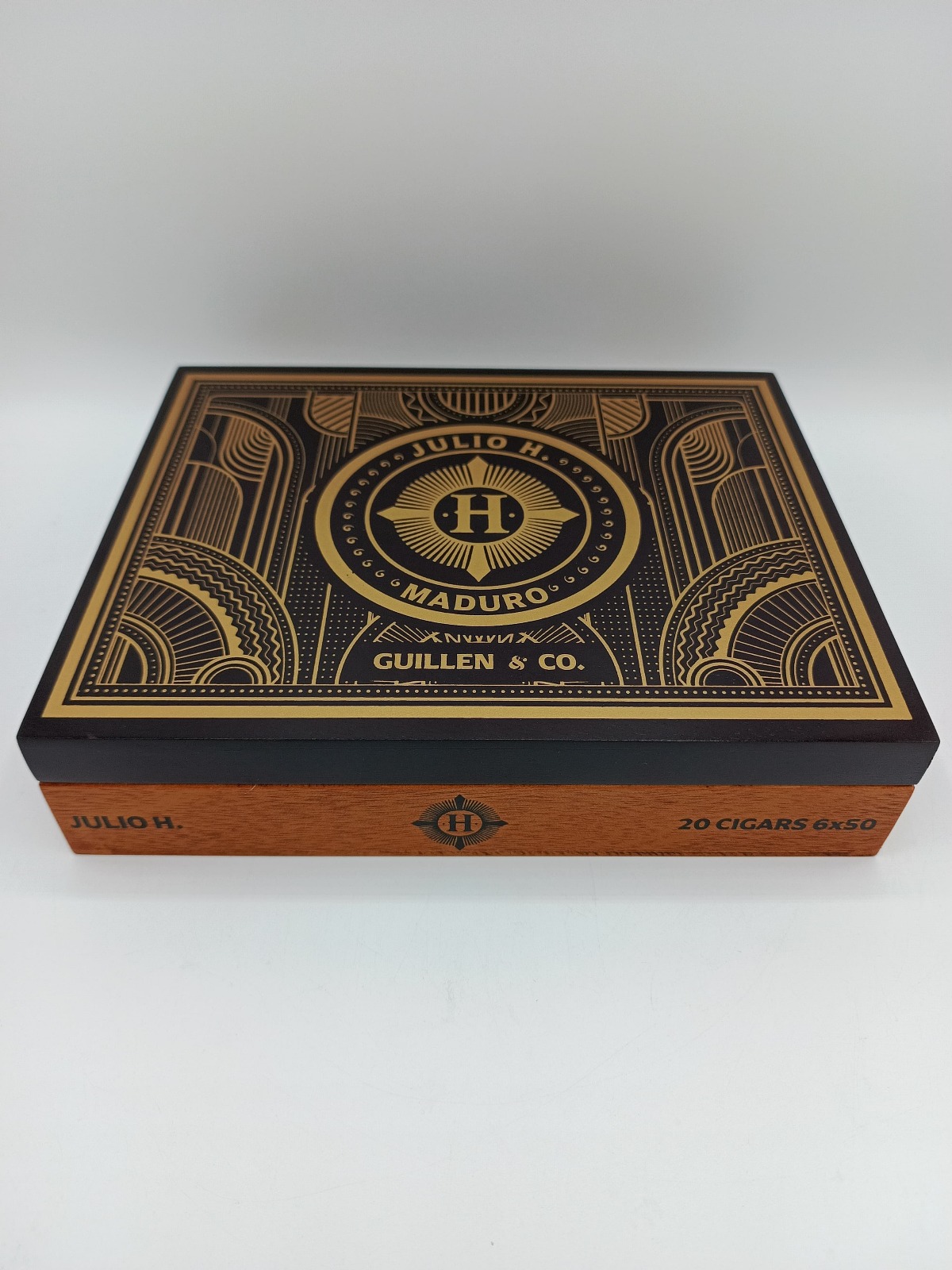
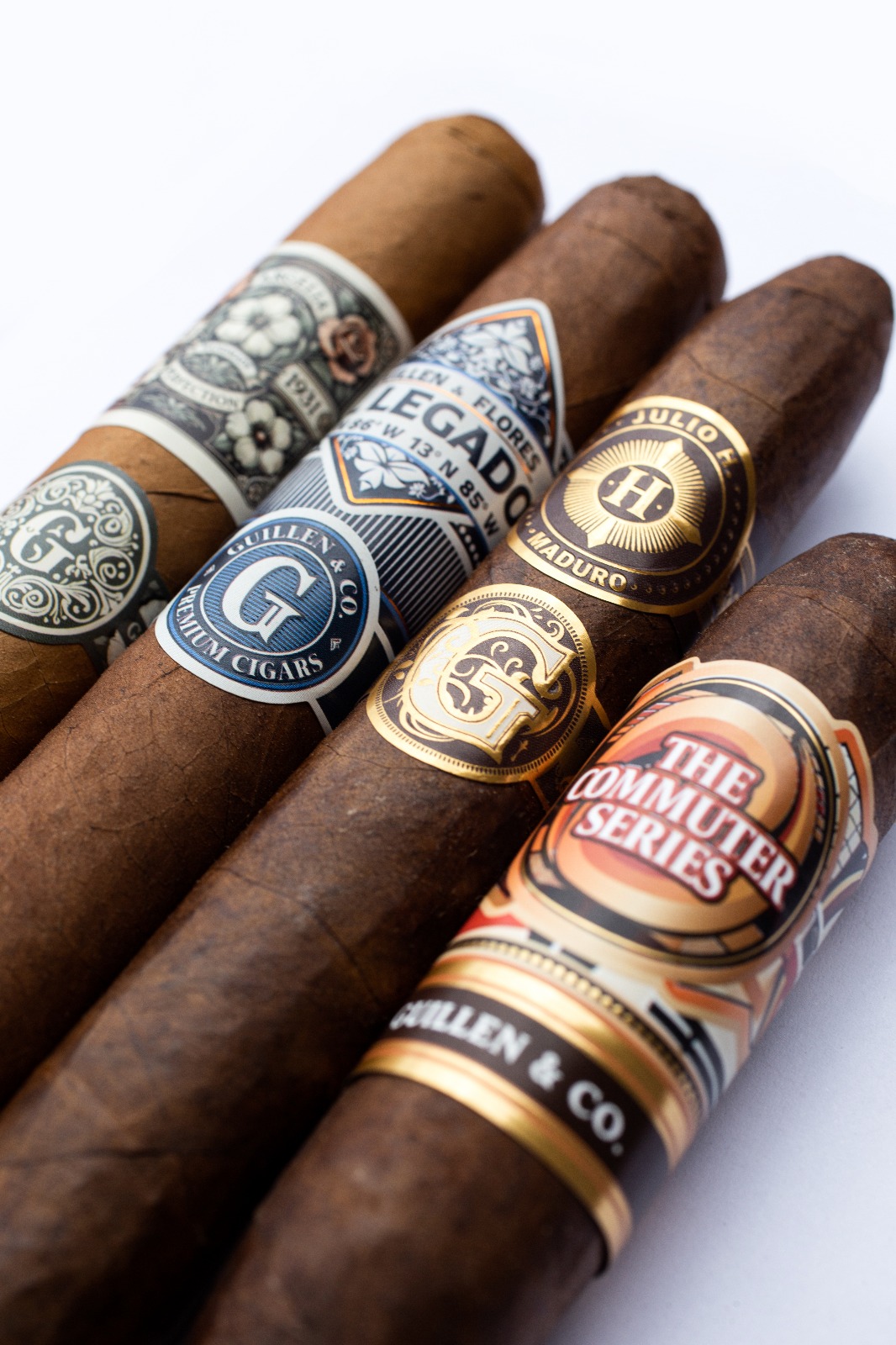
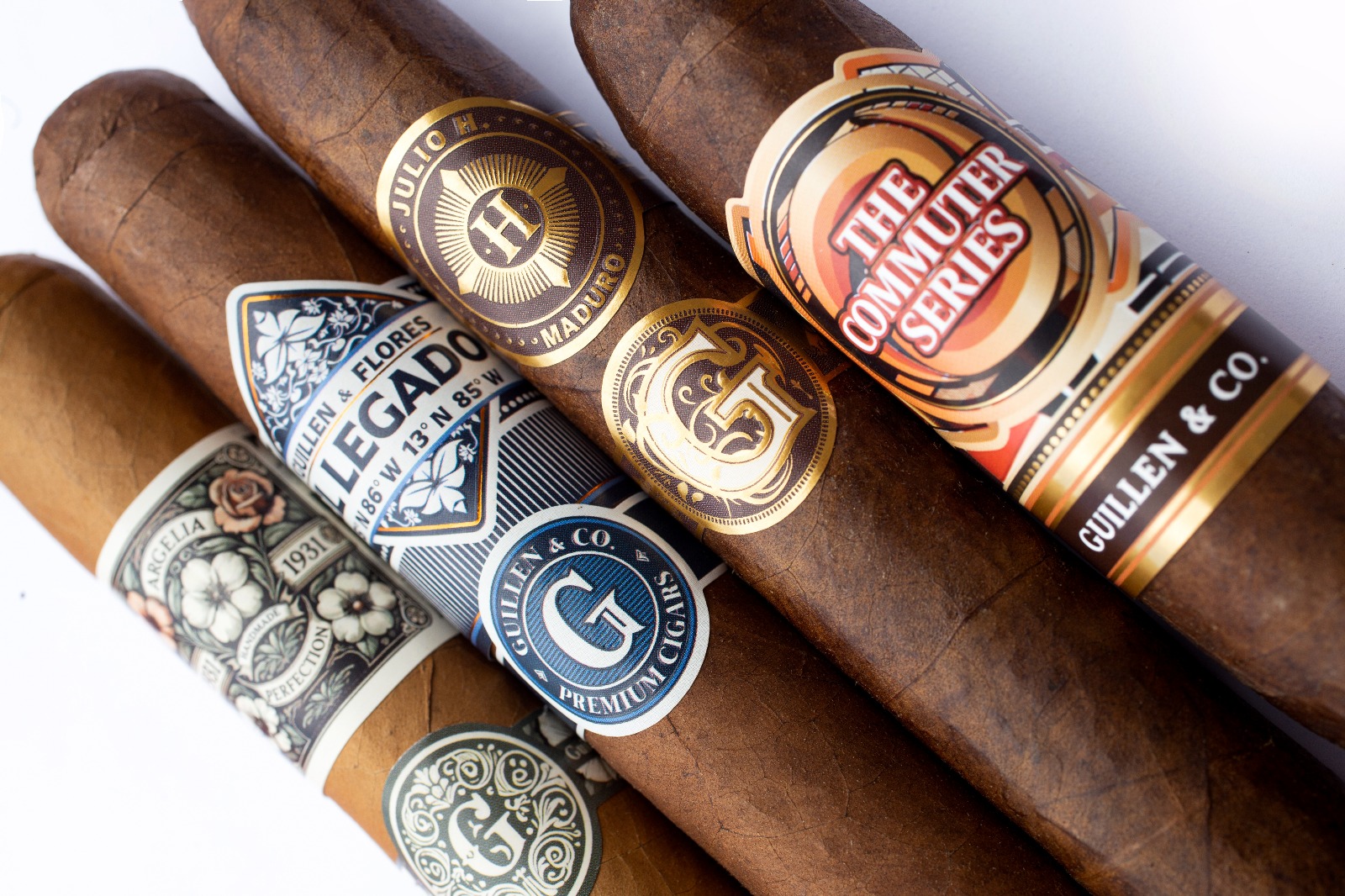
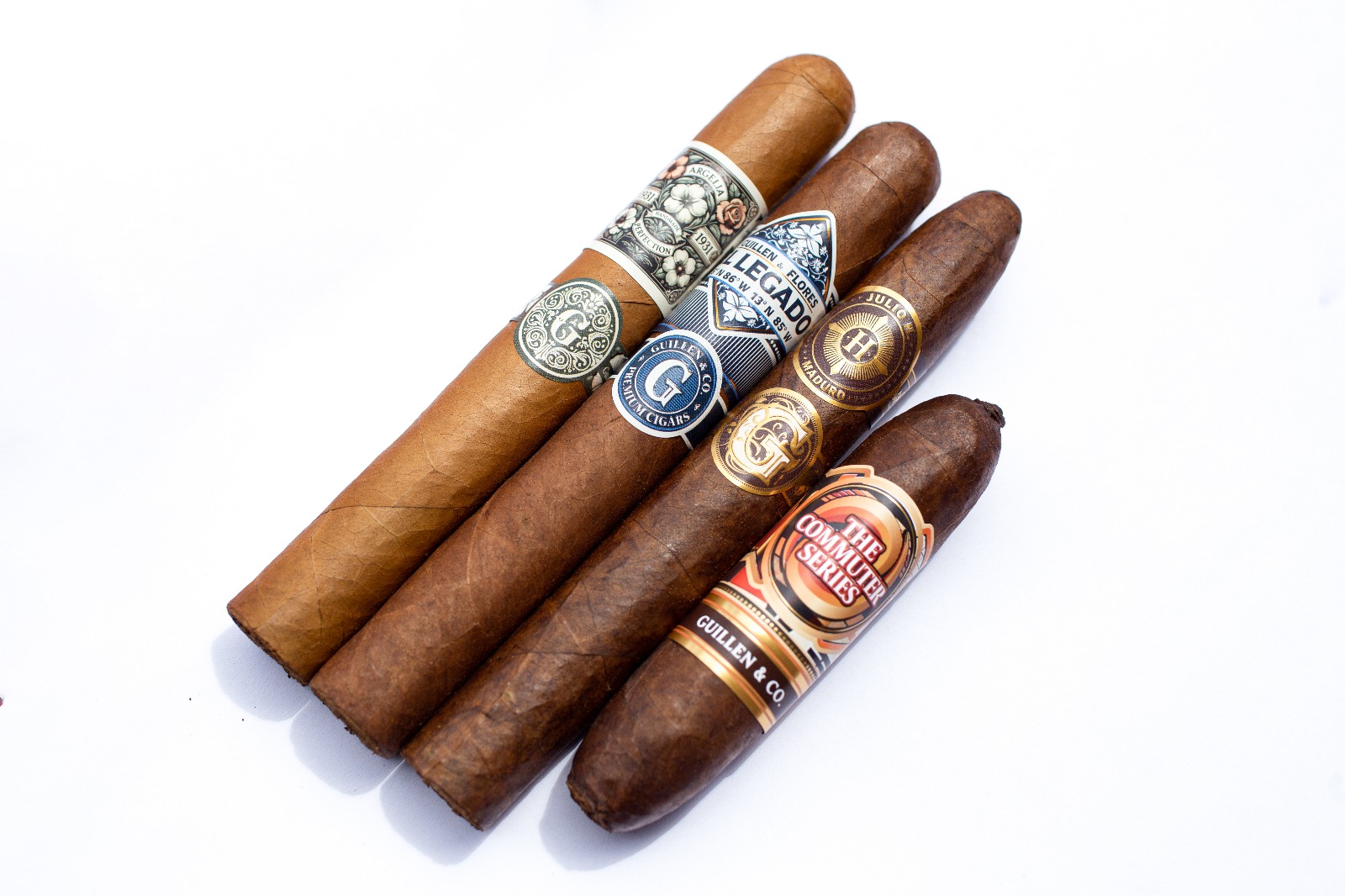
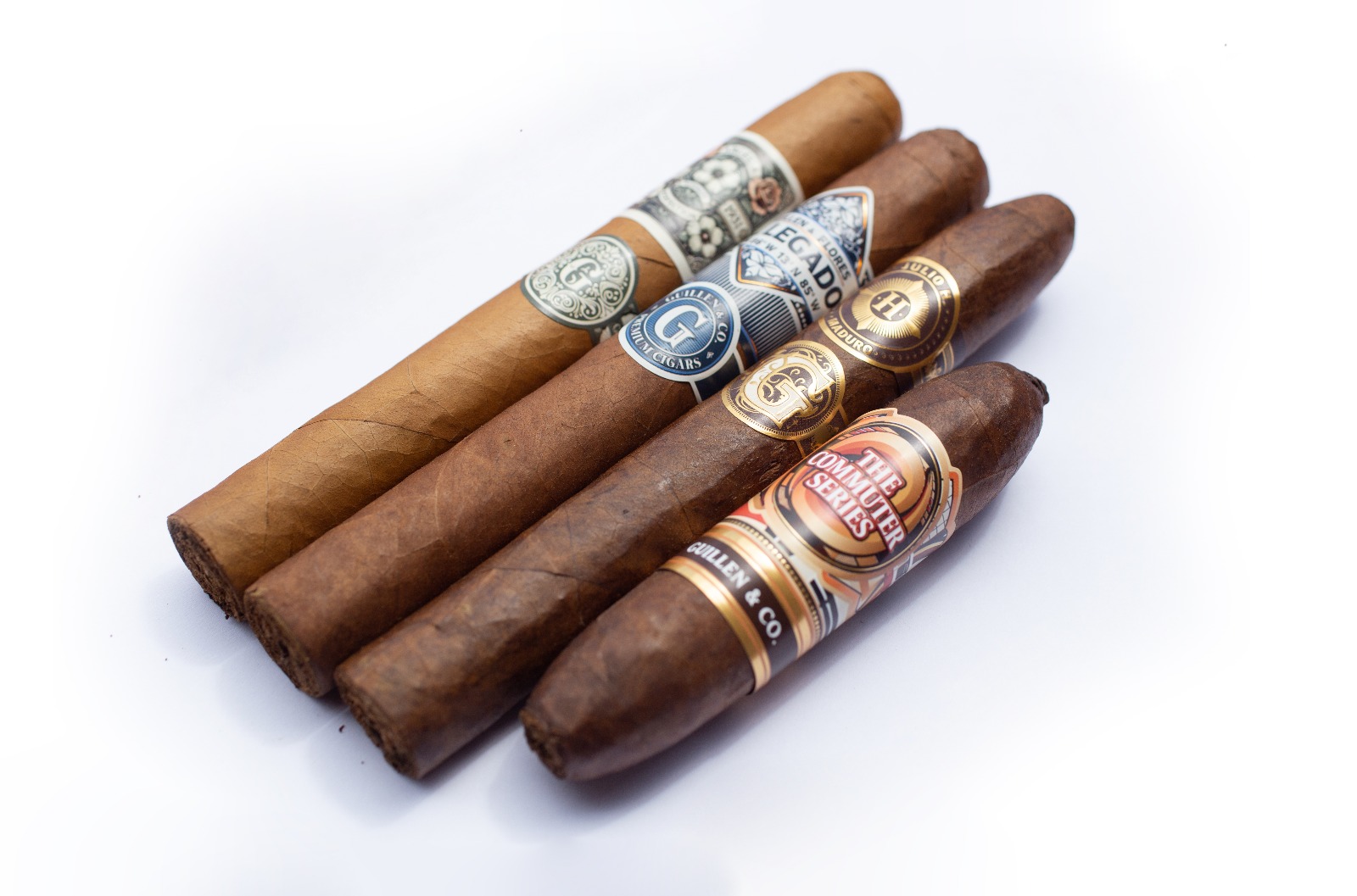
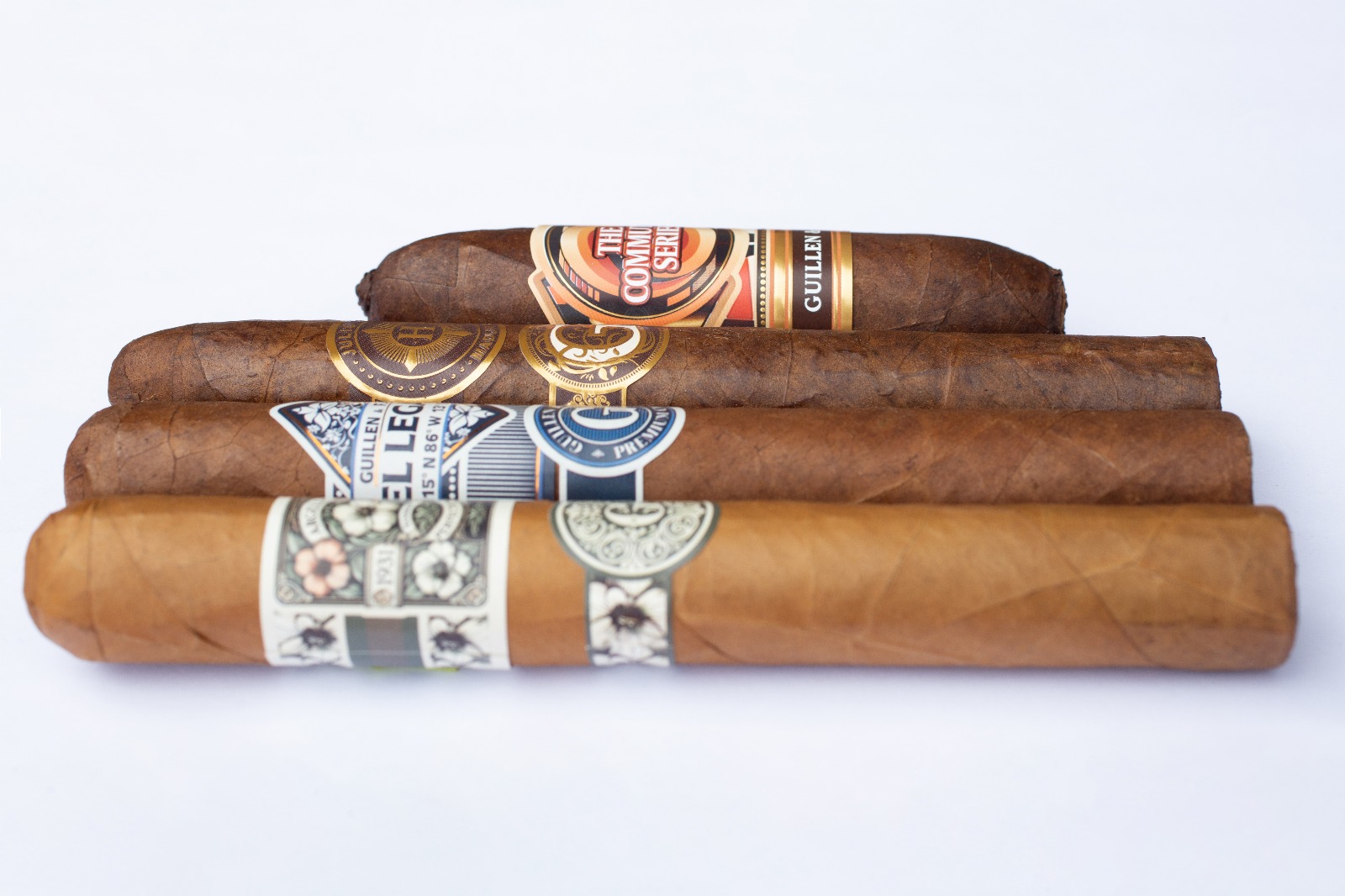
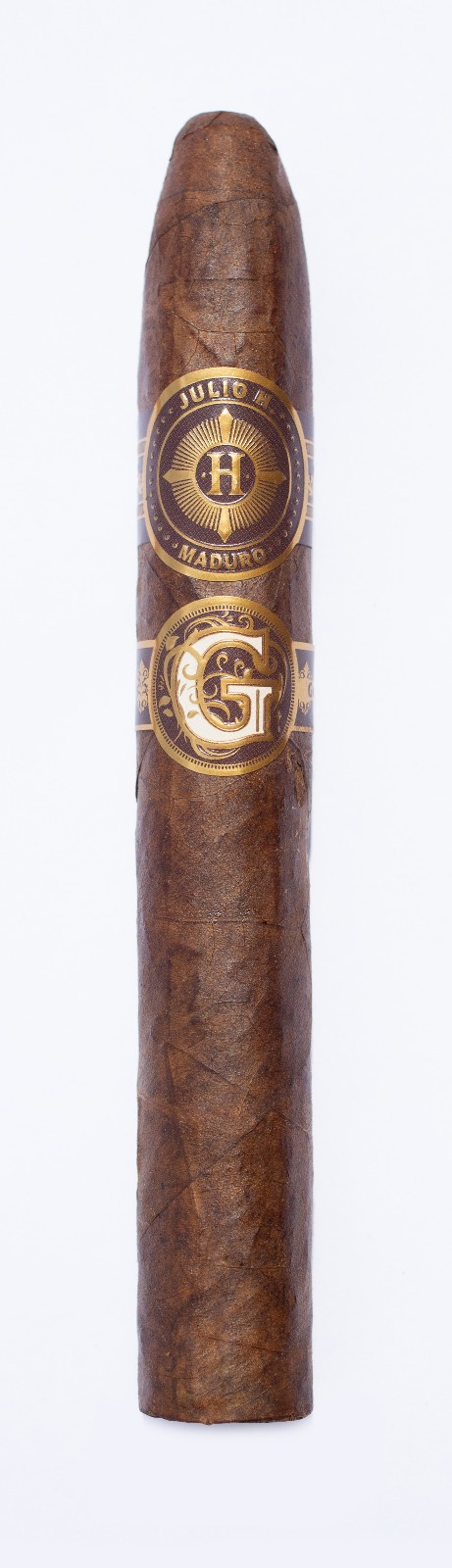
Julio H., a Belicoso (6 x 50), honors his grandfather: an elegant, serious man who was proud of Honduras. It is a cigar crafted with a Jamastrán Maduro wrapper, with tobaccos from Olancho and Talanga for the binder and filler.
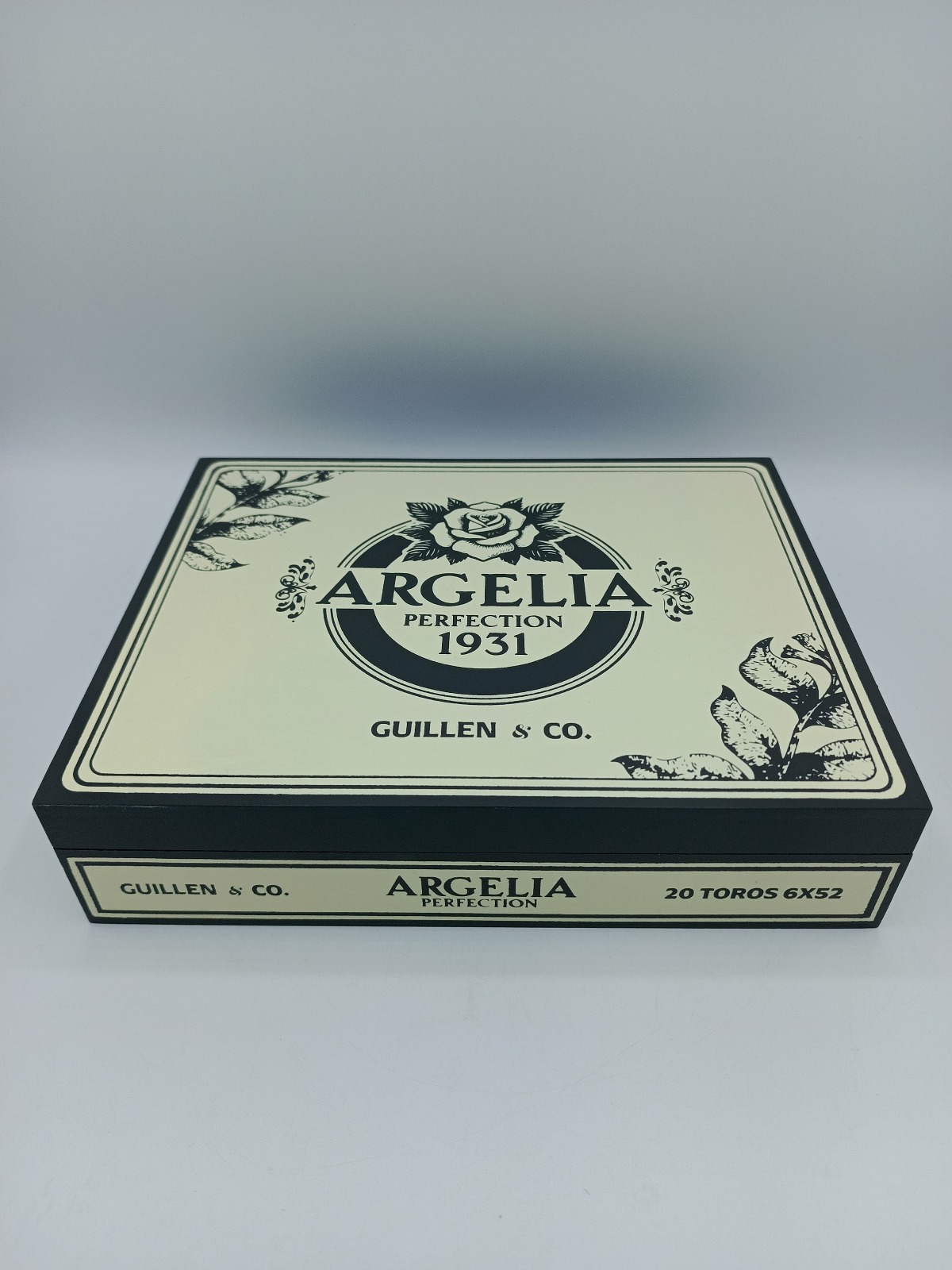
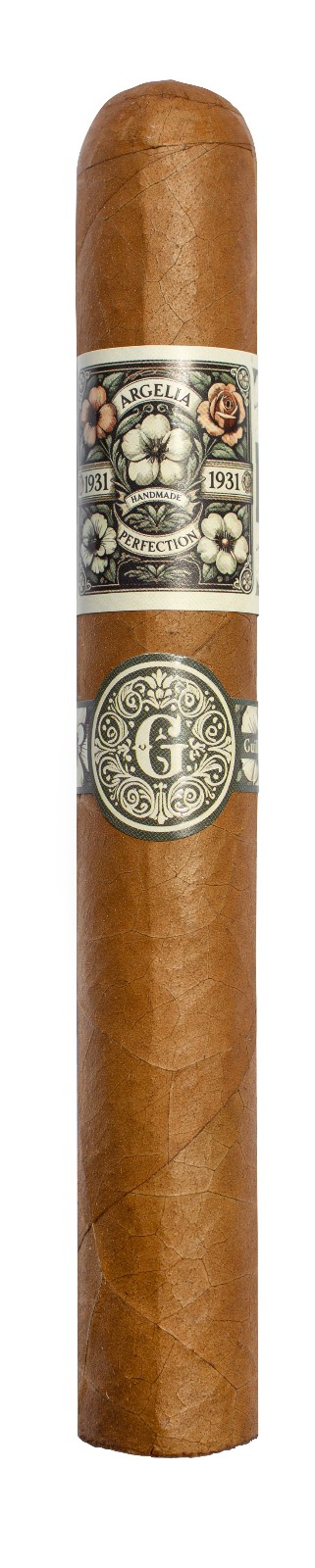
Argelia, a Toro (6 x 52), pays tribute to his grandmother. It is also made with tobaccos from Argelia, El Paraíso, Honduras, which provide a subtle, cinnamon-like spiciness that is very suitable for novice aficionados. In addition to a Honduran Connecticut wrapper, this cigar contains Dominican filler arranged in an open draw, for a creamy smoke.
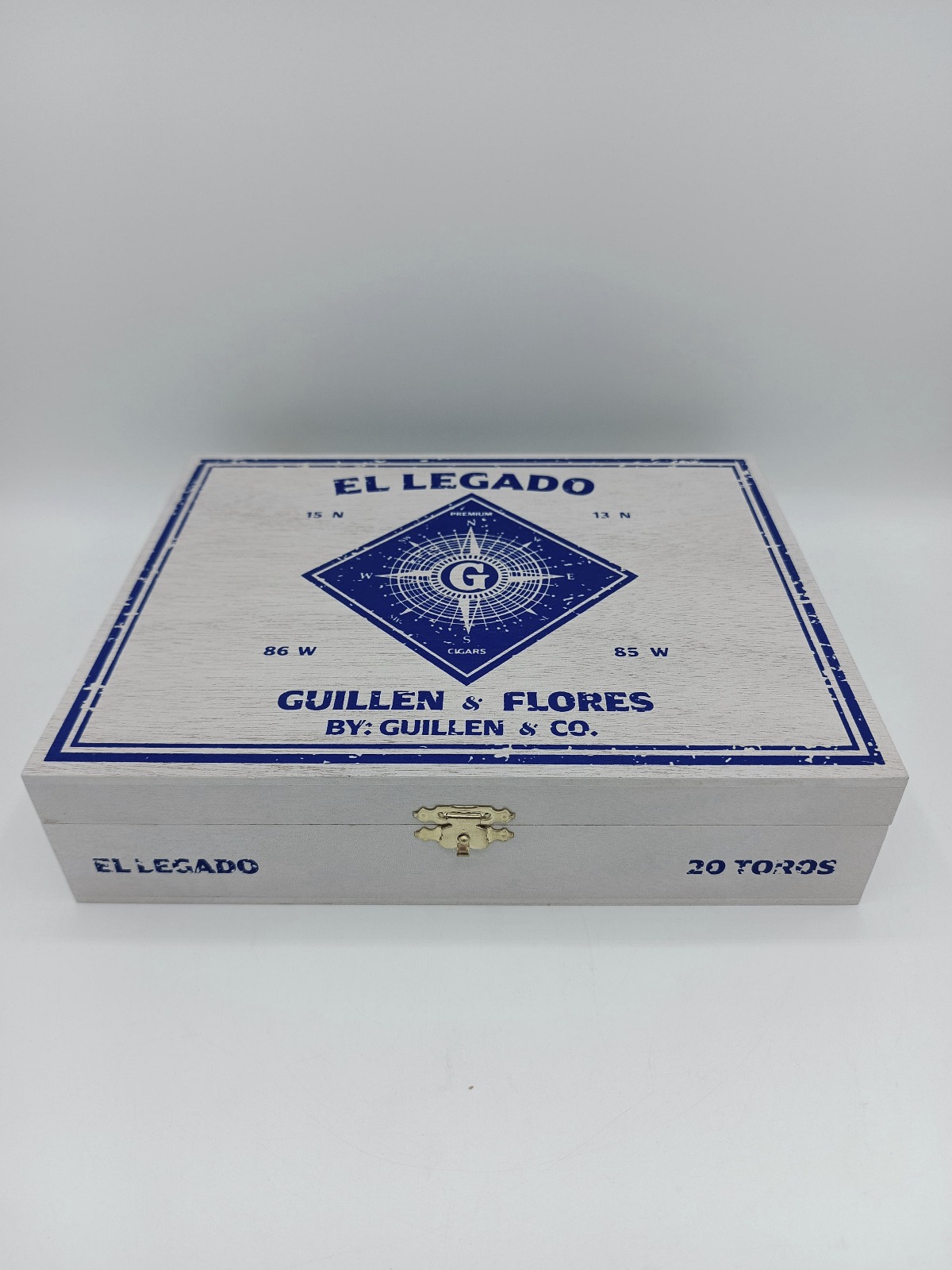
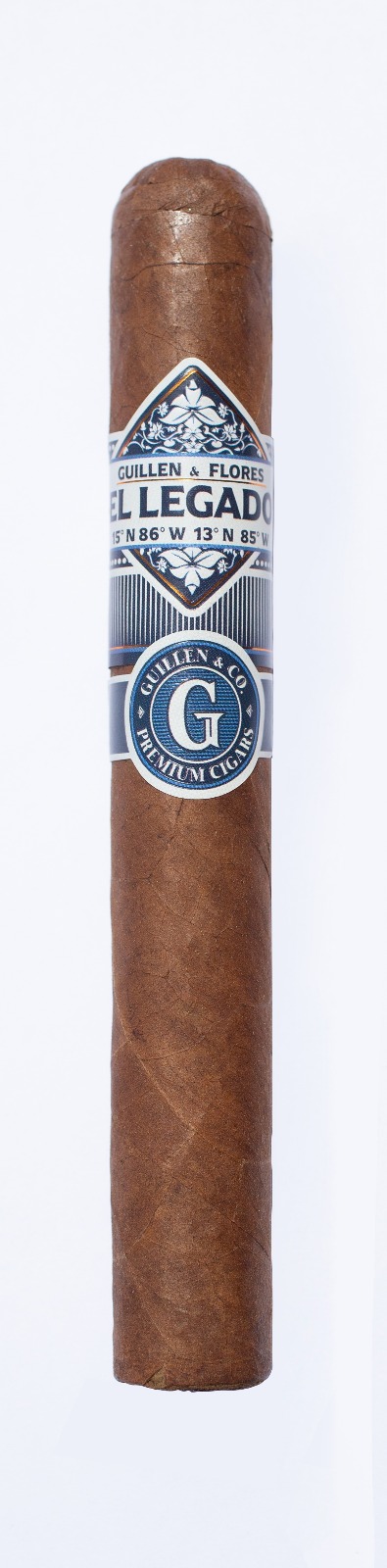
El Legado (The Legacy), a Toro (6 x 52), expresses the essence of its creator. Made with a Corojo wrapper and tobaccos from Honduras and Nicaragua, it is a modern cigar of medium to medium-full strength, for experienced smokers.
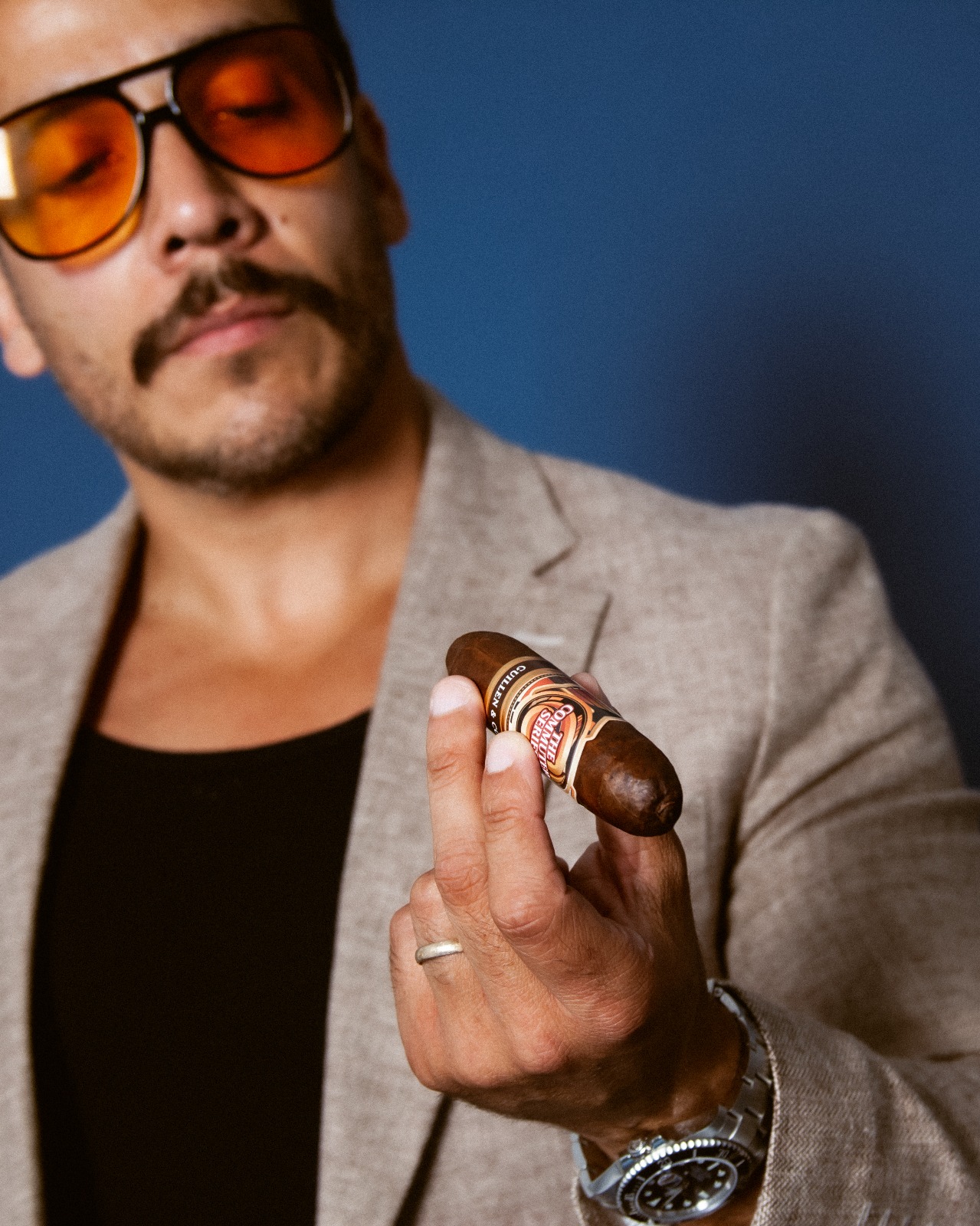
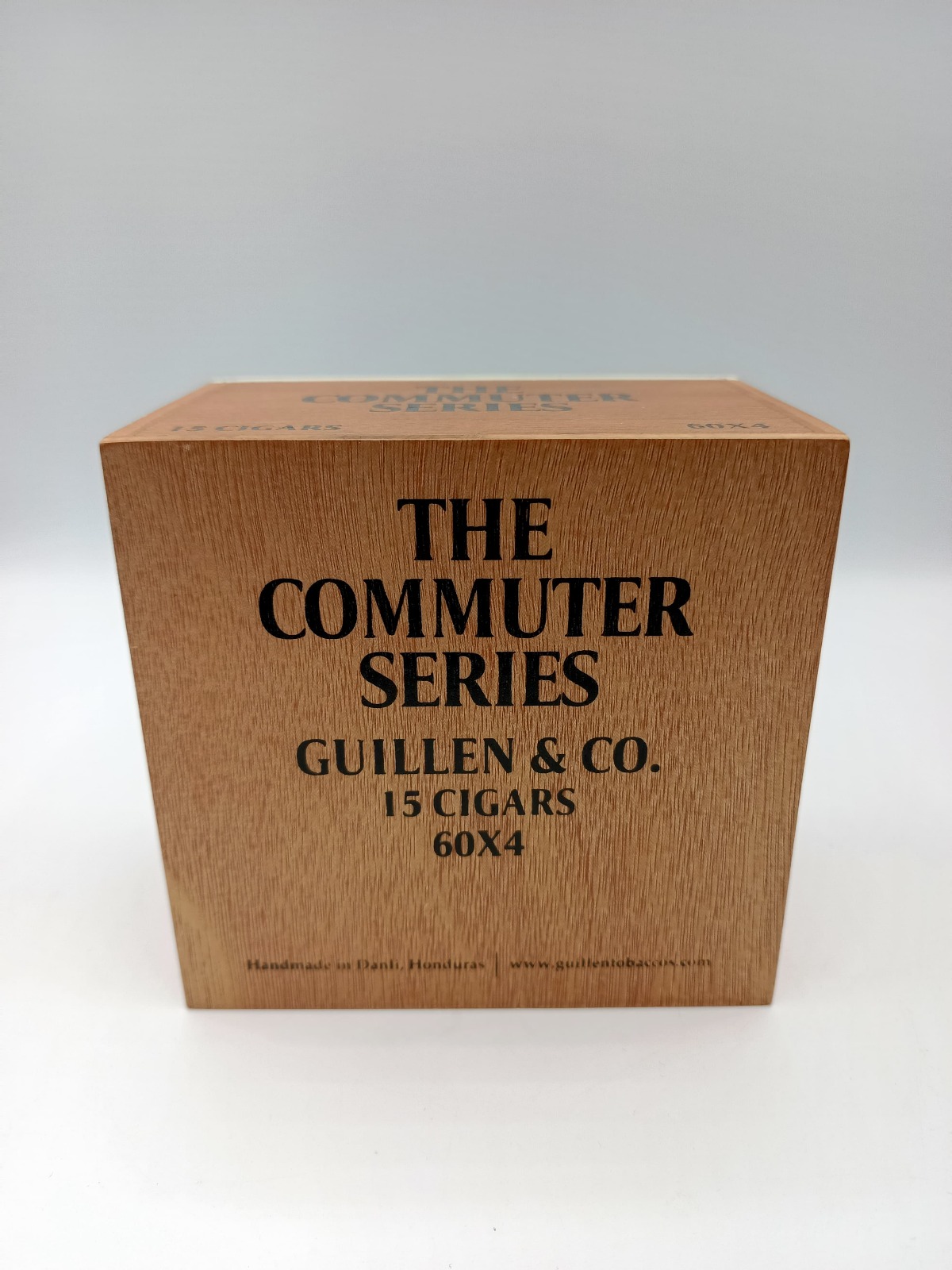
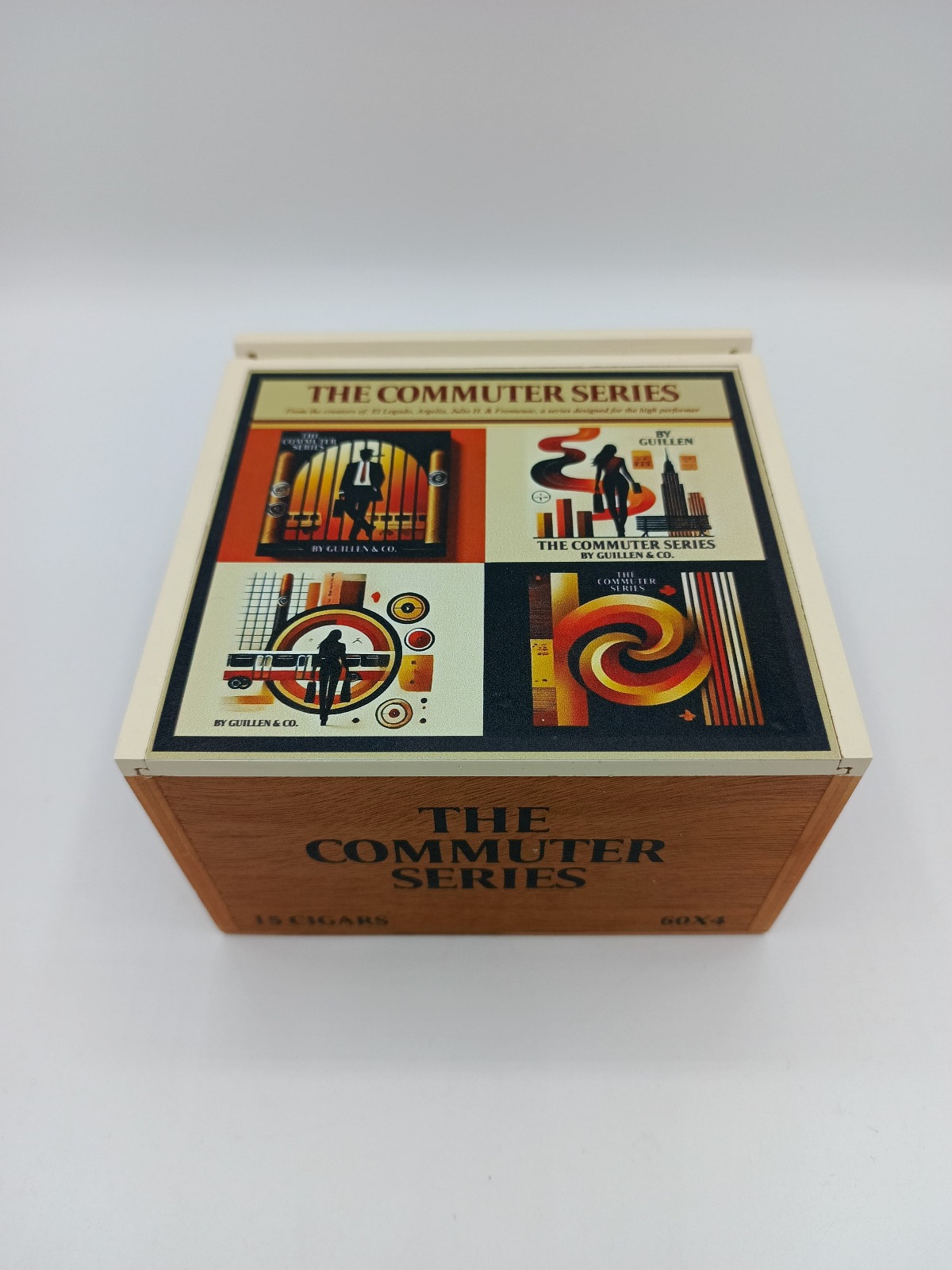
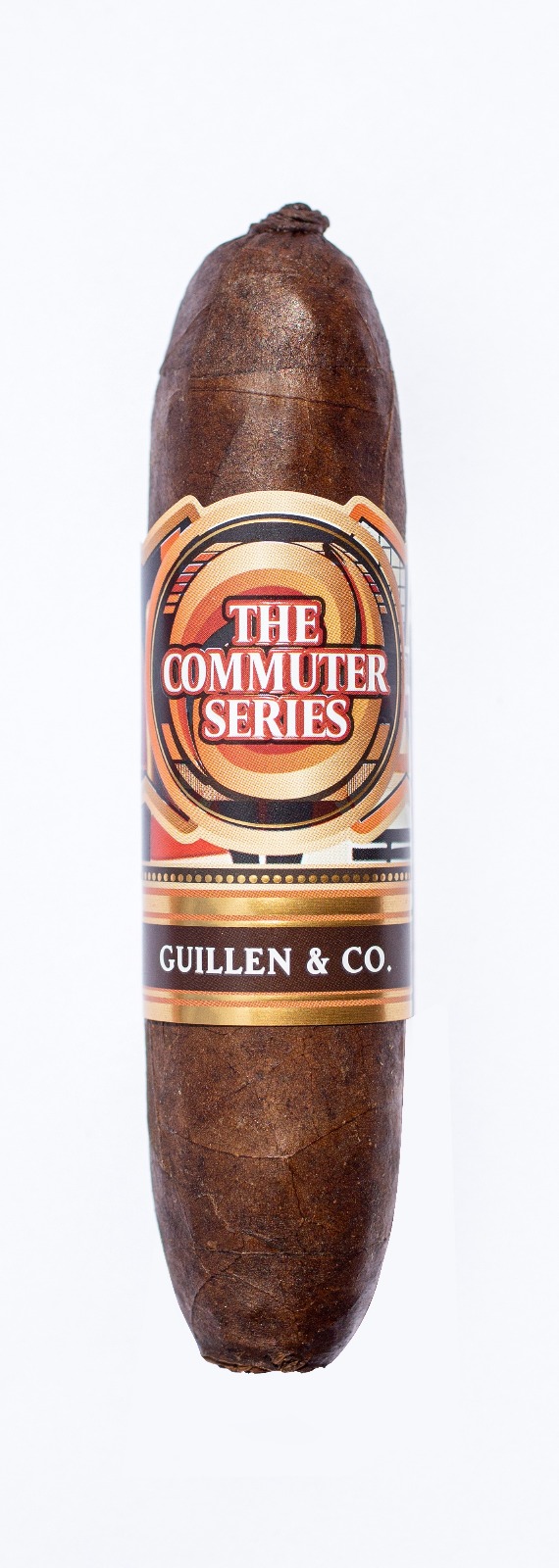
This trio is joined by The Commuter Series, a Double Figurado with a Sumatra wrapper (4 x 60), designed for people without much time to smoke, and crafted to deliver the same experience and satisfaction as a Toro, but in half the time.
Waiting and Feeling
In the premium tobacco industry, patience is fundamental. The processes are many, and time seems endless, but in the end, the rewards are often abundant. For Manny, the journey has been no different from the norm, but even though he is at the beginning of the trip, he already has a family proud of a project that frames his last name and his young children, ages four and seven, who are eager to continue a legacy that is just beginning.
Wrapped up in a long to-do list, he hasn’t had time to feel excited, as he has maintained a high level of dedication in designing the blends, cigar bands, and boxes, and everything needed to offer a new product from an industry outsider. He knows that success will come hand-in-hand with quality.
After a very satisfactory presentation in Honduras, supported by Jerko Cigar Lounge, he is confident that his products will be able to establish themselves relatively quickly, both in the local and Canadian markets, appealing to the national pride of having a brand that can compete internationally. “I’m not a maple leaf, but I’m well-acclimated to Canadian life, and I want to collaborate.”
In the future, Manny envisions having a presence in countries like Colombia, Panama, the Dominican Republic, Puerto Rico, and Mexico, but the biggest target market, due to its volume, will be the United States, starting in the state of Florida.
The launch in Toronto, Canada, was organized in early September, positioning the Total Product Expo (TPE) Las Vegas 2026 as the next goal and moving forward with a firm step toward the possibility of also debuting during the Premium Cigar Association (PCA) Trade Show in 2026 in New Orleans. “The idea is to do events and tastings, visit shops, offer promotions, and reach as many hands as possible to show that we are a product conceived in Canada and crafted in Honduras, with total quality.”

Tengo marca catracha registrada en eu.
Quisiera ver posibilidad de maquilar mis puros y cooperar con sus marcas en mis mercados.
Gracias,
Gustavo