César Salinas
“I worked from seven in the morning until five in the evening; from six to nine I went to university, and I also worked at night. On weekends, I babysat to help pay for school and cover household expenses.” This is Karen Berger. And whoever says she owes everything to her husband is mistaken. Don Kiki Berger was her life partner and mentor, but she is proof that tobacco –like fine steel– only reaches its temper through fire and time.
I have known Karen since she launched her first personal line, K by Karen Berger, about seven years ago. She was the first woman I interviewed in this industry, and I was fascinated by her story. Today, writing about her again after witnessing her personal and entrepreneurial growth –as a man, as a father of daughters, and as the director of a magazine that seeks to highlight the work of women in the industry– fills me with pride and satisfaction.
She is a woman who lived through a difficult childhood marked by hardship and hunger. Changing her destiny was rooted in love, determination, and, above all, family. Along the way, she was fortunate to find a man who accompanied her in building the tobacco company she leads today… even if her first dream was to be a dentist.
Read in the magazine (rotate your device for a better reading experience):
Childhood is Not Destiny
Karen was born in Estelí, Nicaragua. Her family was her father’s fourth marriage. He passed away in 2025 –nearly 100 years old– leaving 16 children; four of them from his last union. “We grew up in a very humble home, with needs and hunger, but thank God we overcame it: we studied, each of us worked with dignity, and thanks to that, we are here now.”
She was born at the dawn of the 1978 war during the Sandinista Revolution. That year, Estelí was bombed. Everything was scarce from ’78 to ’80: shampoo, toothpaste, soap, school supplies, toys, basic necessities…
Her father was a saddler; her mother, a homemaker. Together, they raised four children, providing them with basic education. Upon finishing high school, Karen could not enter university due to a lack of financial resources. It took her two years to finally enroll, during which she worked in a dental office and fell in love with the profession. “I know how to make dental pieces, bridges, crowns, work with porcelain… my dream was to be a dentist, but that career was very expensive, so I opted for Business Administration.”
Perhaps that surgical precision required to mold a dental crown granted her the delicate touch needed to roll a wrapper without breaking it.
First Steps
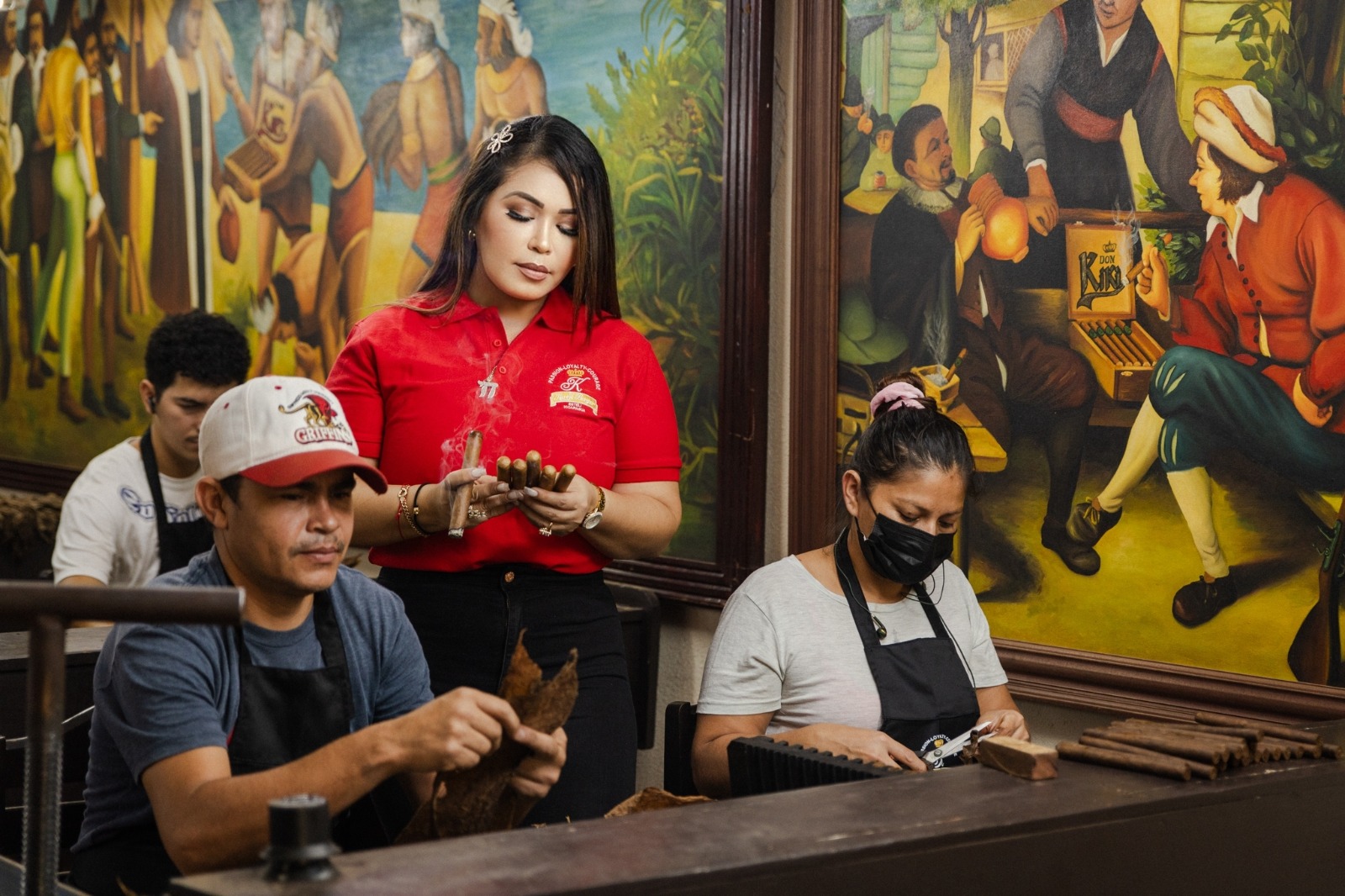
She entered the industry at 18 to pay for her studies, seeking an opportunity as a roller at the Estelí Cigar Factory, which she now owns. In Nicaragua, as in other tobacco-producing countries, people work in pairs, and almost always the woman is the one who rolls the cigar (rolera) because she has a better touch, greater care, and skill.
“As an apprentice, you must give your best effort and learn quickly. I felt the art of tobacco. I hadn’t smoked until then, but since the work I was doing was the final touch on a brand sold in another country, I had to give my best to ensure the final product was excellent.”
One day, the owner, Don Enrique Kiki Berger, found Karen rolling cigars. “We started a very beautiful relationship there, and later we got married.” But that was just the beginning of a career where she would have to work twice as hard. She decided not to skip any steps and continued working until she mastered most areas: packaging, banding, stemming, leaf selection…
Regarding her first smoke, she says it was bittersweet. An angry customer had returned an order, claiming the blend was wrong. Don Kiki got upset with the workers and instructed them to taste what they were making to ensure the blend was correct. “That’s when I tried a cigar for the first time, and I remember it like it was yesterday. That blend was quite strong –a Maduro tobacco, a 5 Vegas– and I loved it. I fell in love. I was 19 years old.”
Every calling has a turning point, and for Karen, it arrived after smoking that first cigar. She suddenly realized everything that must take place for each individual piece to reach an aficionado’s hands: “I even went out to the fields to see how the seedbeds were prepared, the cultivation, and many other processes. On that day, my love for the leaf was born.”
She has always understood that while tobacco is a passion for every smoker, that bond is only strengthened when one appreciates the immense labor it entails. “Beyond having the opportunity to work alongside my late husband, we shared common interests and passions. Eventually, I graduated and began taking charge of the administrative side of the business.”
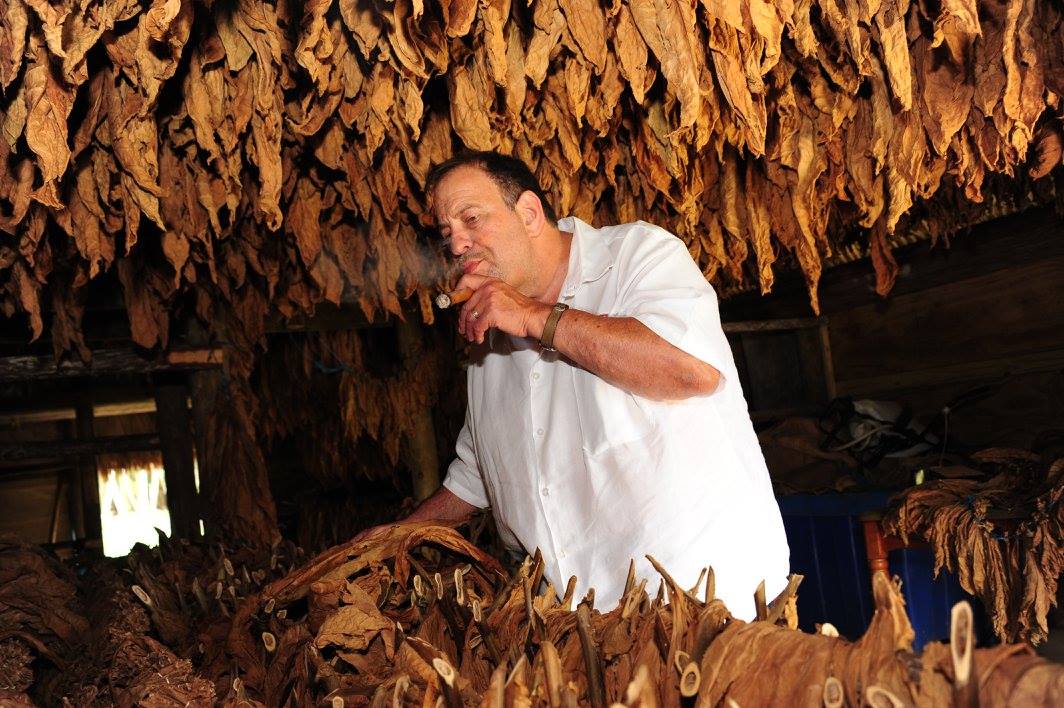
Don Kiki, Partner and Mentor
She was married to Don Enrique for 17 years. He was a very special person in the lives of many Nicaraguan cigar makers, having professionally helped owners of large companies like Oliva Cigars, Drew Estate, or AJ Fernandez when they were just starting small.
Kiki arrived in the U.S. in the 1960s with his father, Max Berger, who in the 1940s had escaped to Cuba when Hitler invaded Poland. Over time, Max set up a factory in Pinar del Río, and Kiki grew up in the business.
Upon the arrival of the Cuban Revolution, Max Berger decided to move to the United States and end his relationship with tobacco. However, his son Enrique did not follow suit. During the tobacco boom of the 1990s, Enrique decided to move to Nicaragua, where he purchased farmland and founded the Estelí Cigar Factory.
In 1995, he decided to create his own brand, launching Don Kiki Red, Green, White, and Brown, and began distributing them in the U.S. But what earned him international fame was the Cuban Crafters Megastore, located in Little Havana, Miami. What he did –ahead of everyone else– was to close deals with tour operators, who brought busloads of tourists to the store to buy items they couldn’t find in their home countries.
In 2001, Kiki was diagnosed with chronic kidney failure. After five years on dialysis, Karen donated her kidney to him in 2006. Together, they even opened a renal dialysis center in Estelí. Karen gave her husband eight more years of life. Don Kiki Berger passed away on September 23, 2014, in the Mount Sinaí Hospital, in Miami. Since then, Karen has worked to continue his legacy and honor the Berger name.
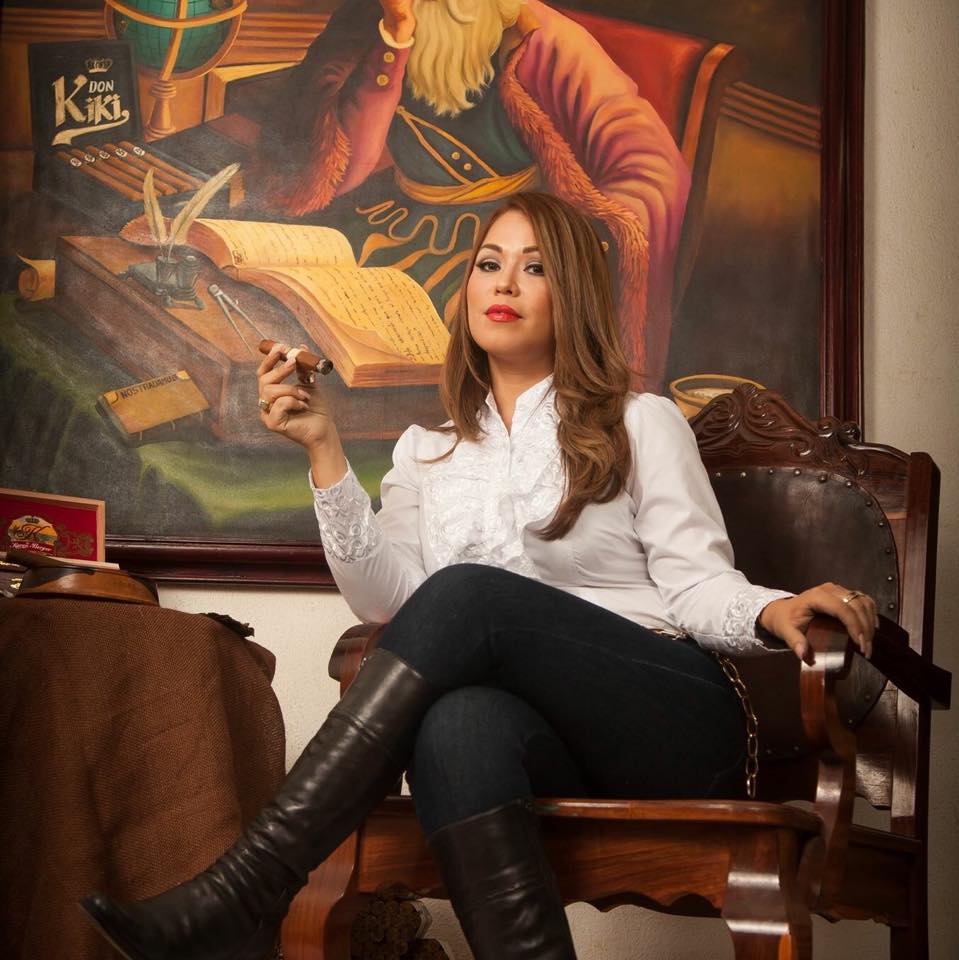
The Cigar Queen
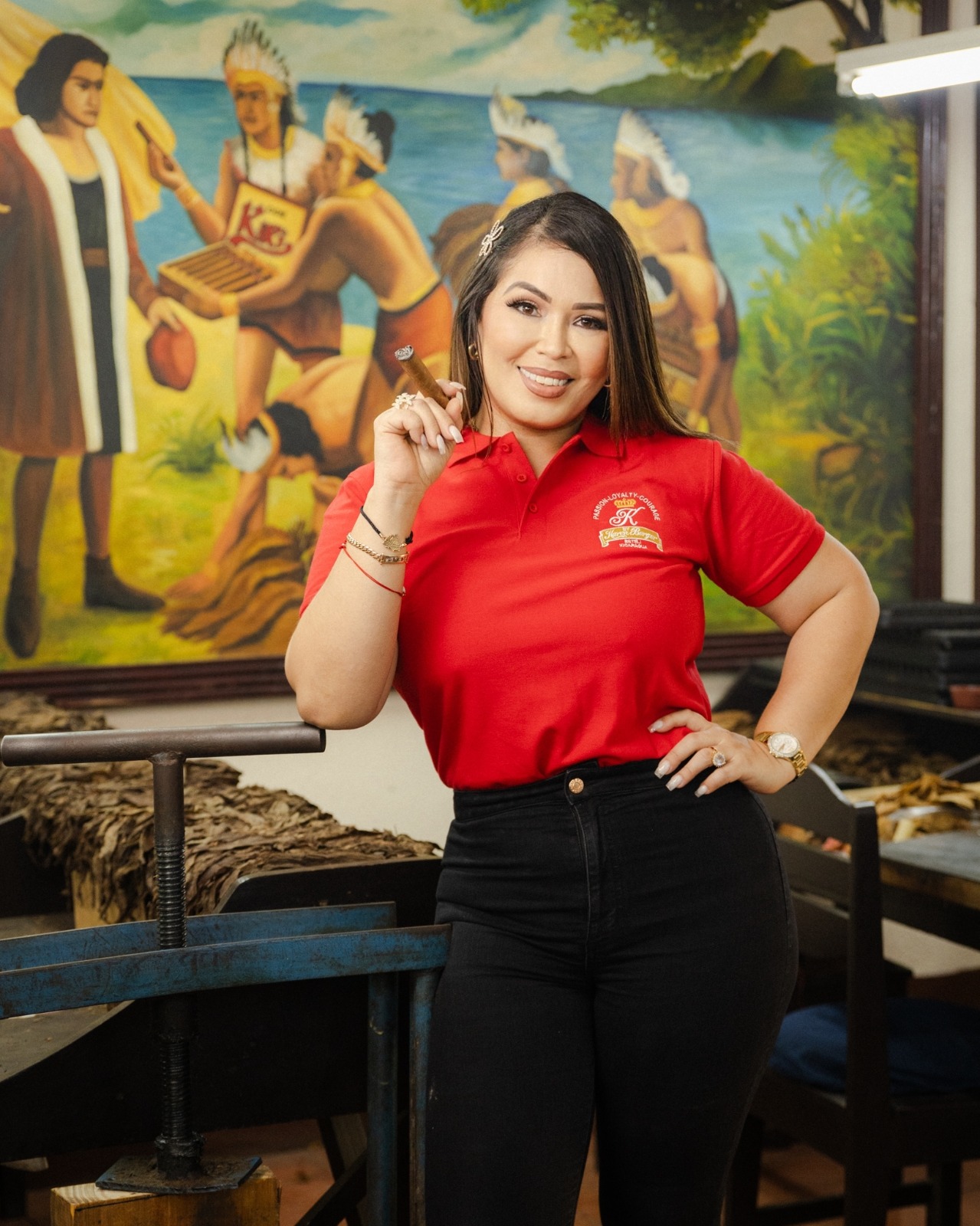
Karen is known as The Cigar Queen. This was no stroke of luck, but rather the result of her tenacity, strength, and a deep-seated love for a company that gave her everything in life; a company whose motto sums it up perfectly: Passion, Loyalty, Courage.
The premium cigar market remains predominantly male, as it is a product intimately linked to luxury and masculine power. It is there, in the high echelons of the most prestigious brands, in the lounges and events where the industry’s Cigar Lords converge and do business, that Karen Berger earned her title.
It is a paradox, considering this is a sector built by women, who represent more than 60 percent of the workforce in seedbeds, planting, harvesting, manufacturing, packaging, office roles, marketing, and exports. “It is quite difficult for a woman to be taken seriously in this industry,” Karen notes. “They assume we lack the knowledge, both as smokers and as businesswomen or entrepreneurs.”
Yet, knowledge cannot be hidden, and passion even less so. In her, both are undeniable: when she speaks about markets, percentages, trends, history, or technical processes, it becomes clear that you are not just dealing with anyone –you are in the presence of an institution in the making, one that is currently writing a vital chapter in the recent history of tobacco.
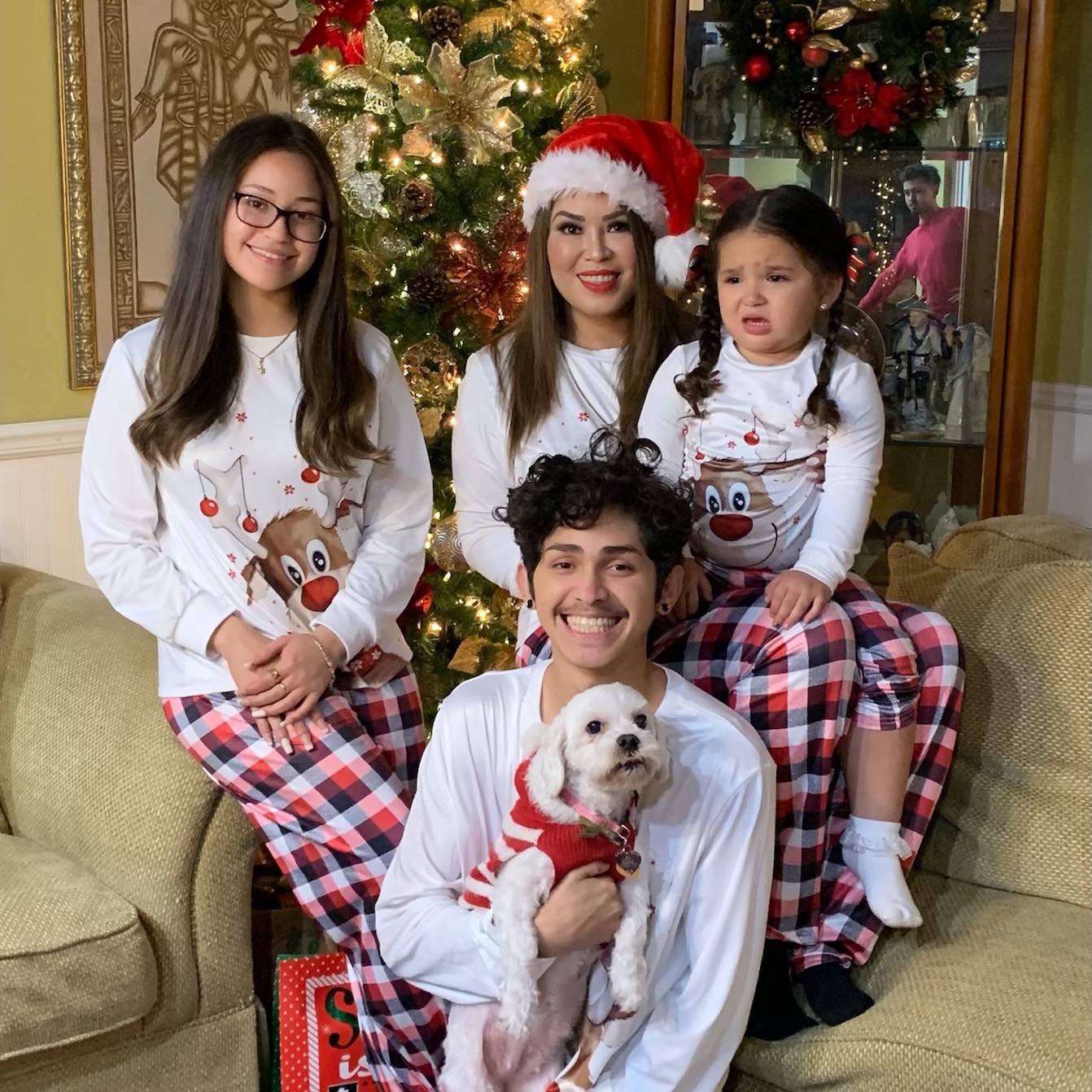
Motherhood and Leadership
Being the Cigar Queen requires a near-absolute nomadism. Karen spends most of the year inhabiting airplanes and departure lounges. Sometimes she returns from a trip only to swap suitcases and head to her next destination. However, on the map of her priorities, the most sacred coordinate remains her home.
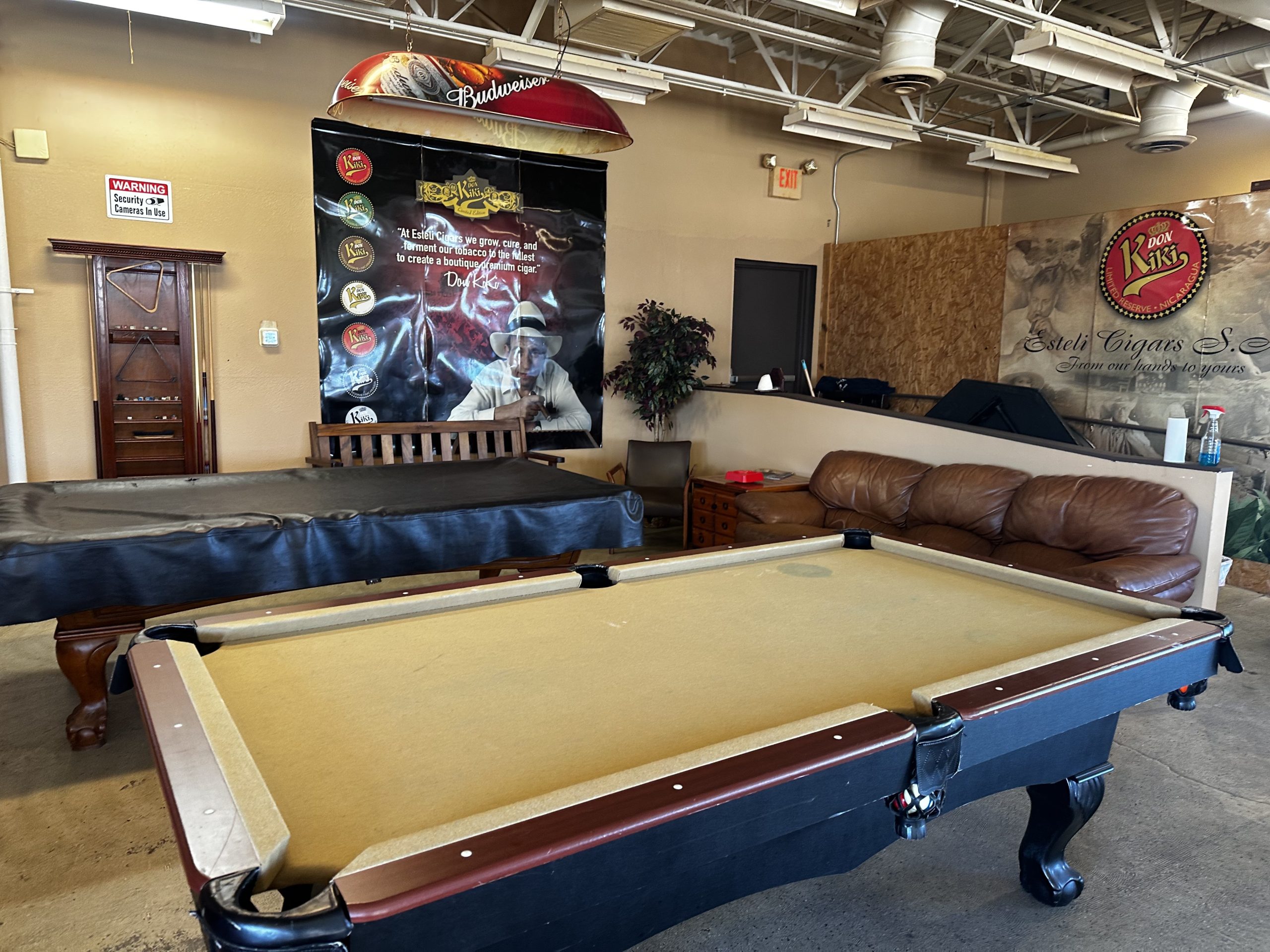
She is not only a woman in the industry but a single mother balancing her maternal role while leading one of the world’s most prominent companies. In this sense, she maintains that one of the greatest challenges she has faced as a brand manufacturer and owner of a cigar lounge –Don Kiki Cigar Superstore in Daytona, Florida– continues to be, without a doubt, her gender.
In an industry that never sleeps, she has found in technology the bridge to ensure she never falters in her most complex role: being a mother of three. Whether she is in a lounge in Dubai or a trade show in Las Vegas, the ritual is non-negotiable: via FaceTime, she dedicates time to her eight-year-old daughter to supervise every school assignment. This is motherhood practiced against the clock, sometimes from thousands of miles away, proving that leadership is not about command, but about presence; that she can direct a company without missing a single detail of the growth of those who are her true engine.
“I still live with part of the stigma regarding the perceived sensitivity, inexperience, lack of knowledge, and weakness of women in this industry. It is worth noting that, in all fields, it is slightly harder for women to reach the same opportunities as men. However, I believe that as the years go by, we have been overcoming obstacles and breaking those stereotypes to assert our rights.”
In fact, she confesses that one of her dreams –“even if I might not live to see it, I am certainly building it”– is to achieve gender equality and equity in the industry. After so many years in the business, she continues to fight for a voice, a place, and recognition for all her dedication and hard work, “representing the working class, the voiceless faces of the many women who work in our factories, which is where I come from.”
Women contribute to the Tobacco World with knowledge, determination, hard work, and resilience, fighting to end the sexualization they are subjected to and the machismo that causes so much harm. “We need more empathy, respect, and team unity; more knowledge and support for one another, and vice versa. The leadership we are achieving is built upon our strength, unity, and intelligence.”
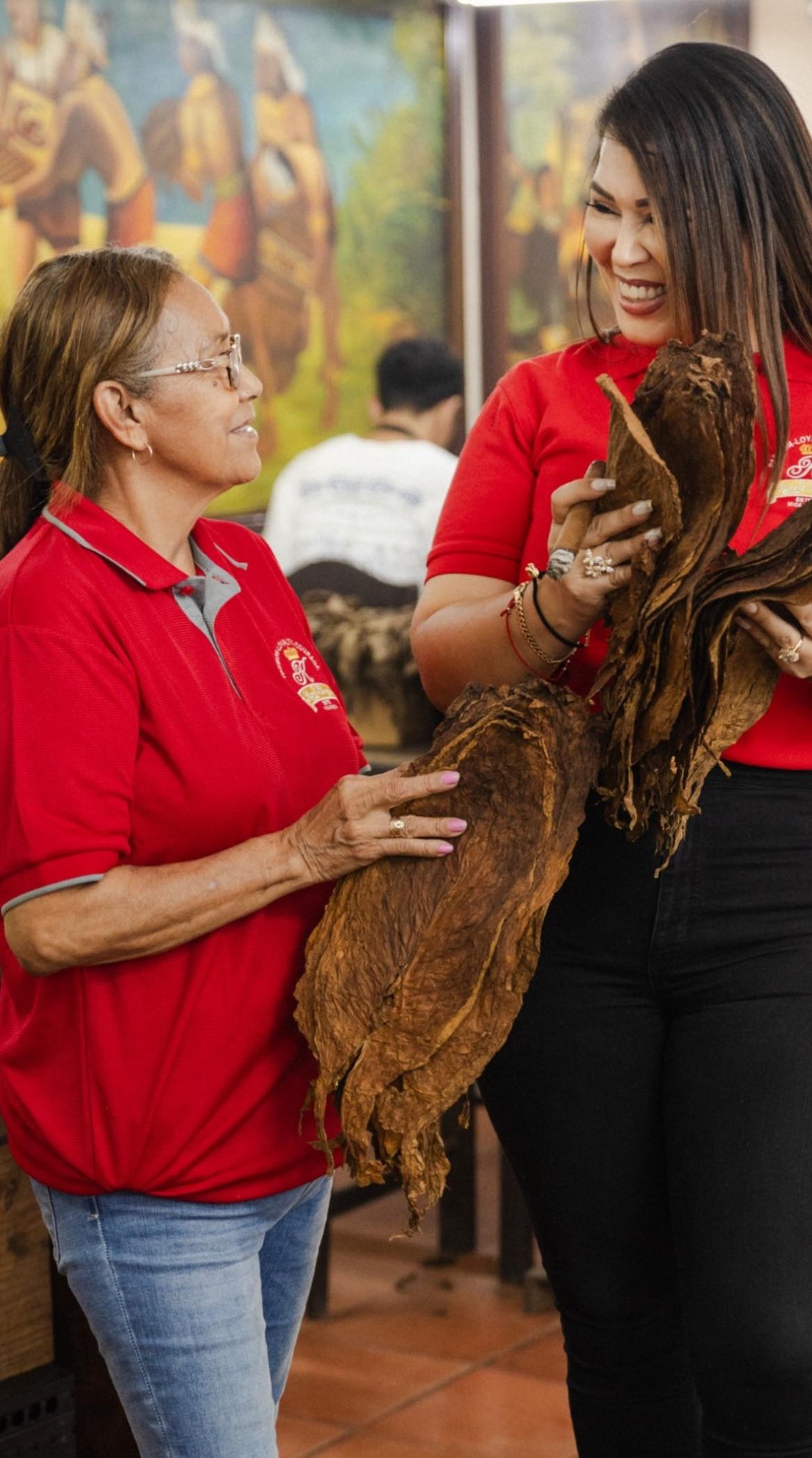
The Structure
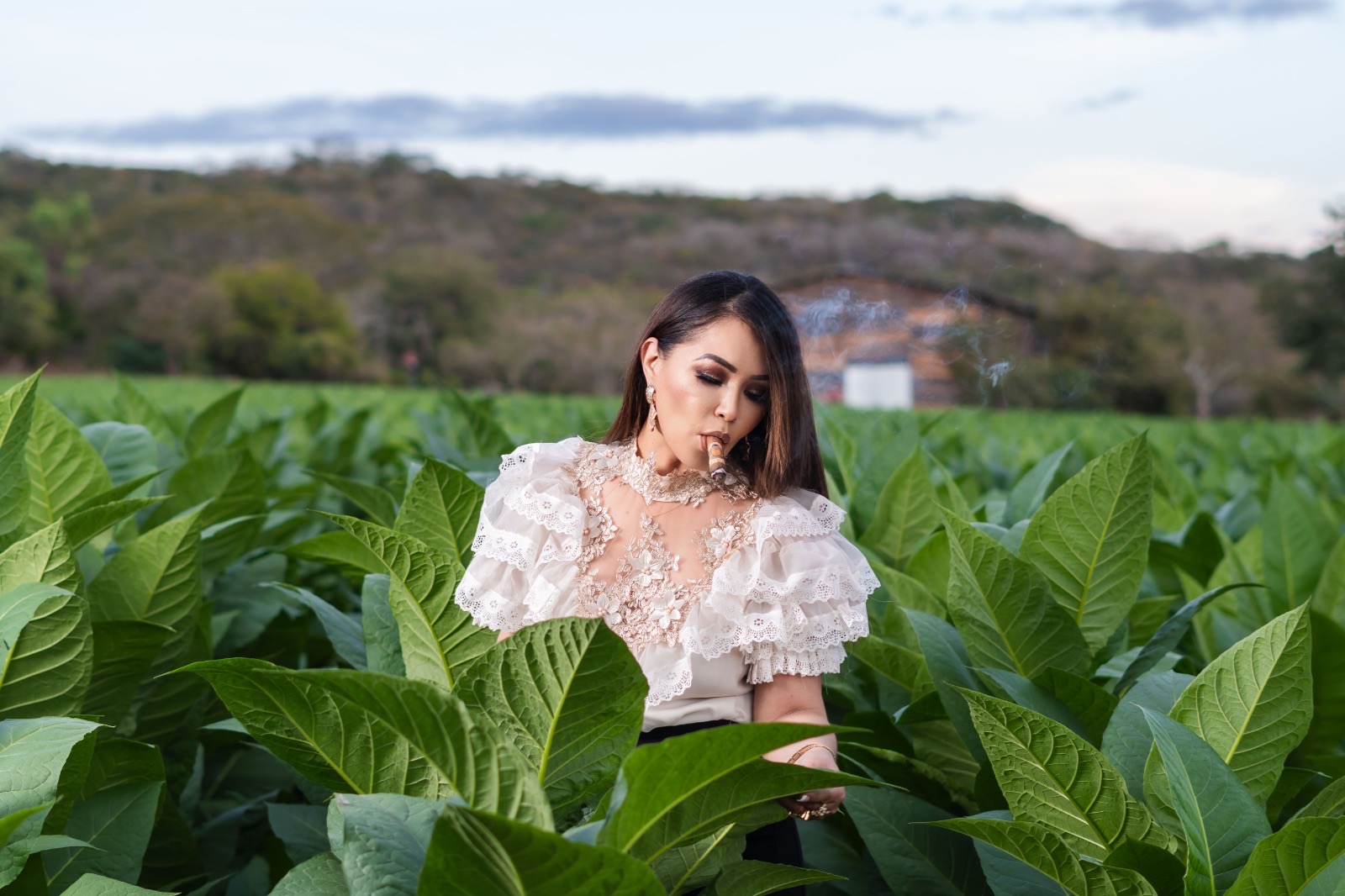
The structure of the farm and factory is a living organism born from the land. With 36 manzanas (approx. 62 acres) of cultivation primarily dedicated to Habano Criollo, Karen oversees a supply chain that knows no intermediaries. They have their own curing barns, and all the filler for her cigars comes from her own fields (vegas), where 65 people are employed. They also incorporate tobaccos from Jalapa and Condega.
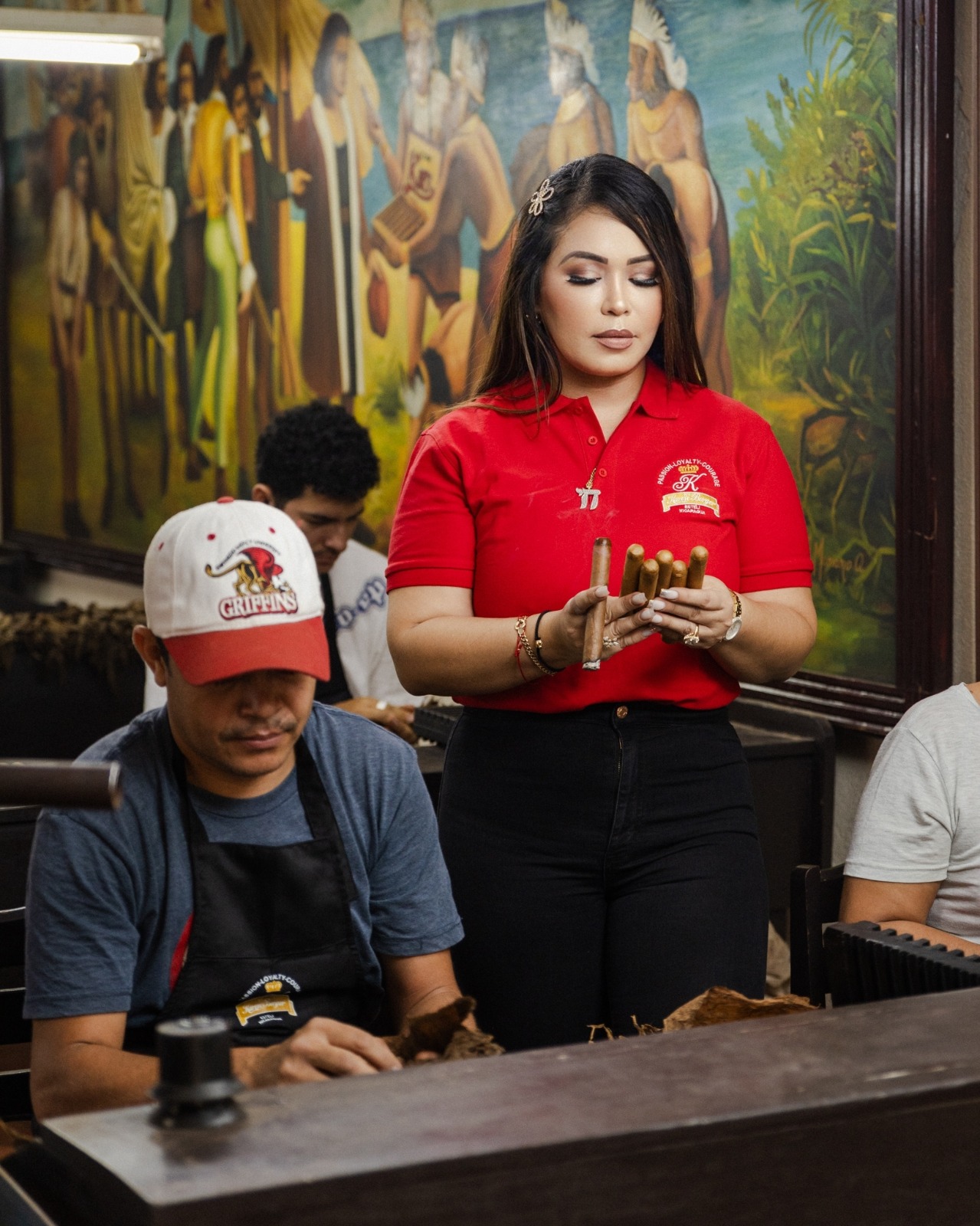
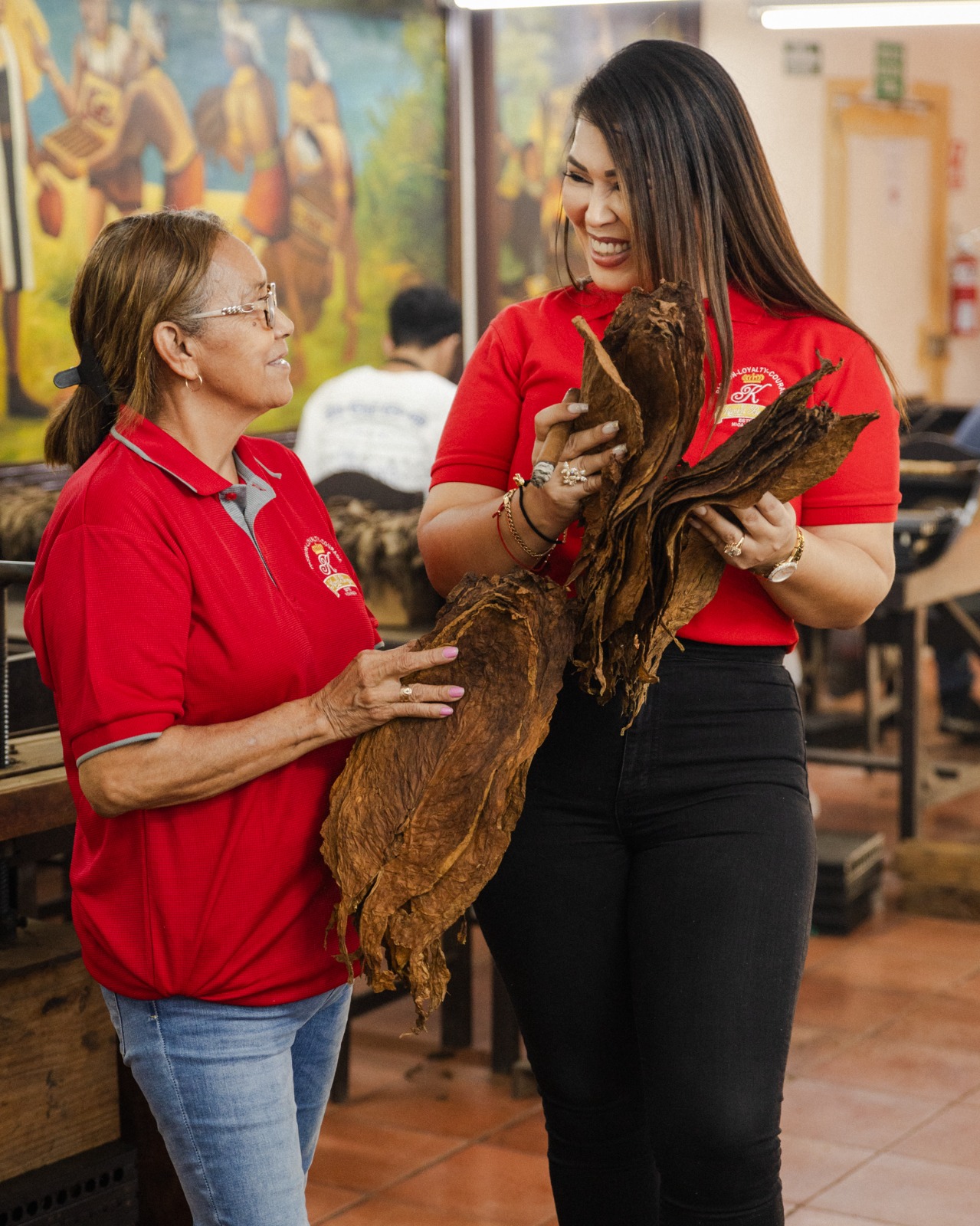
However, the most significant change occurred three years ago, when she decided to relocate her factory to the very heart of Estelí, taking over a former three-story hotel. This was not merely a logistical move, but an act of justice and transparency: she wanted her 28 artisans to have dignified, central access, close to their homes and families, and for the world to be able to enter her home.
Today, the factory is a nerve center for tobacco tourism –a space where visitors not only observe the process but breathe the history of a city that, like Karen herself, knows what it means to rebuild from the foundations up.
In fact, she shares that during the Puro Sabor festival and other factory visits, she hosts guests on-site. Instead of being woken by a rooster, they are awakened by the bustle of workers settling into their stations; the first thing they see upon waking is the production floor from the second-floor gallery.
Every line of her brands is crafted in this factory, along with several private labels for the European and U.S. markets. She produces approximately half a million cigars a year because, as she puts it, “I am focused on quality; I do not work based on quantity.”
With great pride and empathy, she recounts that when she walks through the factory performing quality control at the tables of the bunchers and rollers: “I don’t enter as a boss, but as someone who once sat there, who knows the work they are doing… we are equals.”
The Portfolio
As the heir to her life partner’s tobacco tradition, Karen’s vitolario (portfolio) is a chronology of her own maturity and a statement of principles. Her first creation was K by Karen Berger, launched in 2018-2019; she clarifies that the “K” refers to Kiki as a tribute. It is a 6-inch, 52-ring gauge Box-Pressed Toro, available in Maduro, Habano, Connecticut, and Cameroon wrappers, which remain widely popular as there is a blend for every palate.
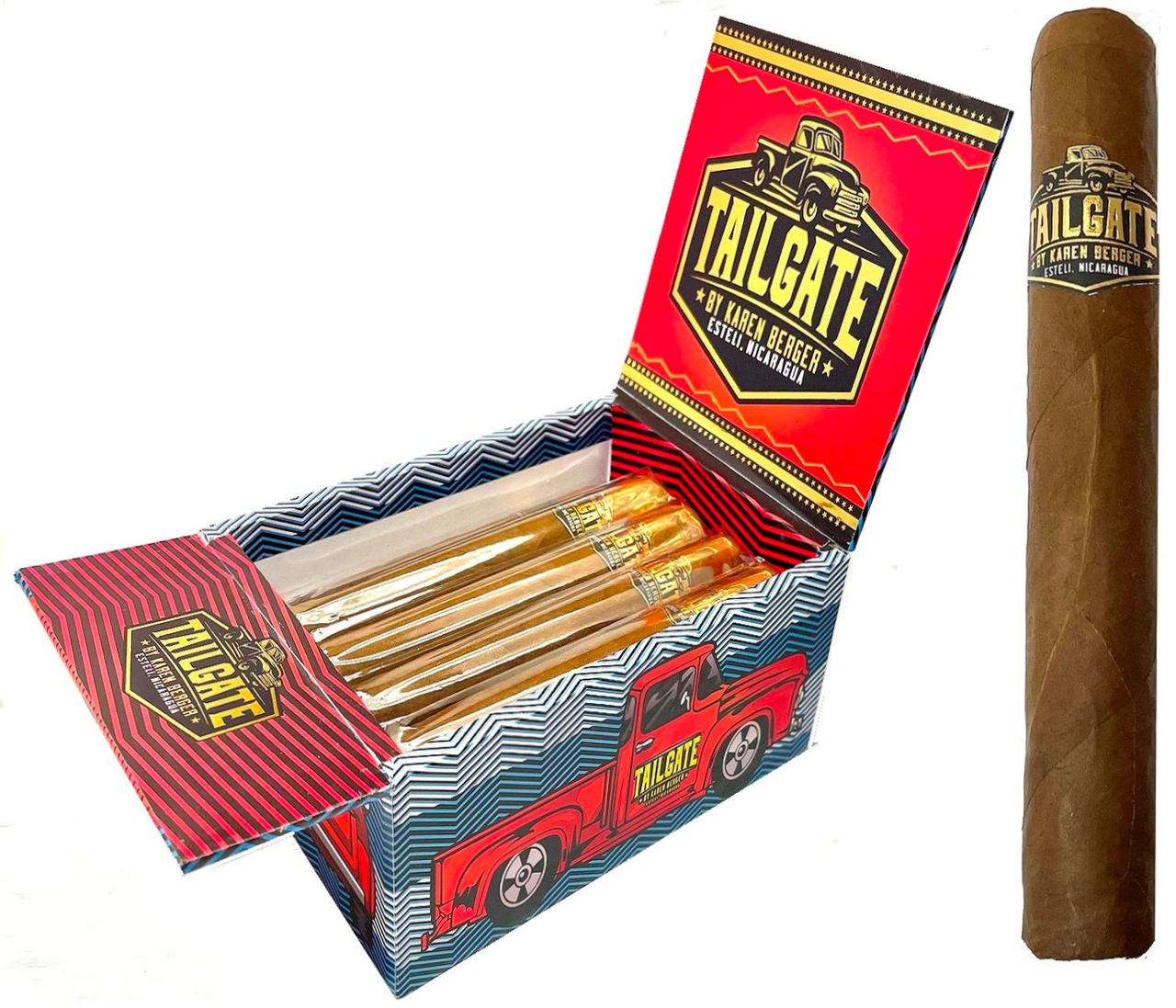
In 2020, she created the Tailgate, a 6-inch, 52-ring gauge featuring a Sumatra wrapper with Nicaraguan binder and filler. It is offered in a 14-count box at a very accessible price point, staying true to her philosophy of offering fair and affordable prices to smokers.
Along this path, the figure of Abdel AJ Fernández emerges not just as a collaborator but as a guardian of the legacy. His relationship with Kiki Berger transcended business; it was a brotherhood forged in mutual respect and the proximity of their estates. Abdel provides wrappers for Karen, and to seal this friendship, they launched the K by Karen Berger 25th Anniversary by AJ Fernández in 2023 –a full-bodied blend with a Connecticut Broadleaf Habano wrapper and a San Andrés Mexico binder, embracing Nicaraguan filler. This cigar celebrated Karen’s quarter-century in the tobacco industry.
That same year also brought the K-Fire 150°F, a cigar featuring a Mexican Negro San Andrés wrapper, Habano Jalapa binder, and Estelí filler. It was presented in a 6-inch, 52-ring gauge Box-Pressed format in a 20-count box illustrated in reds, oranges, yellows, and white, representing the different temperatures of fire. In this context, 150°F is the maximum temperature tobacco reaches in the fermentation piles (pilones), which is why Karen decided to integrate the figure into the name itself.
By late 2023, her catalog grew with the addition of the K-Fire 150°F Mega, a 6-inch, 60-ring gauge vitola presented in Las Vegas during the 2024 PCA Trade Show.
Last year, through the presence of brand Vice President Bruce Busch at the InterTabac trade fair, Karen Berger Cigars strengthened its international exposure and opened doors to new markets in Asia and Europe. In addition to the 17 countries where the brand is already established, it added points of sale in Italy and France.
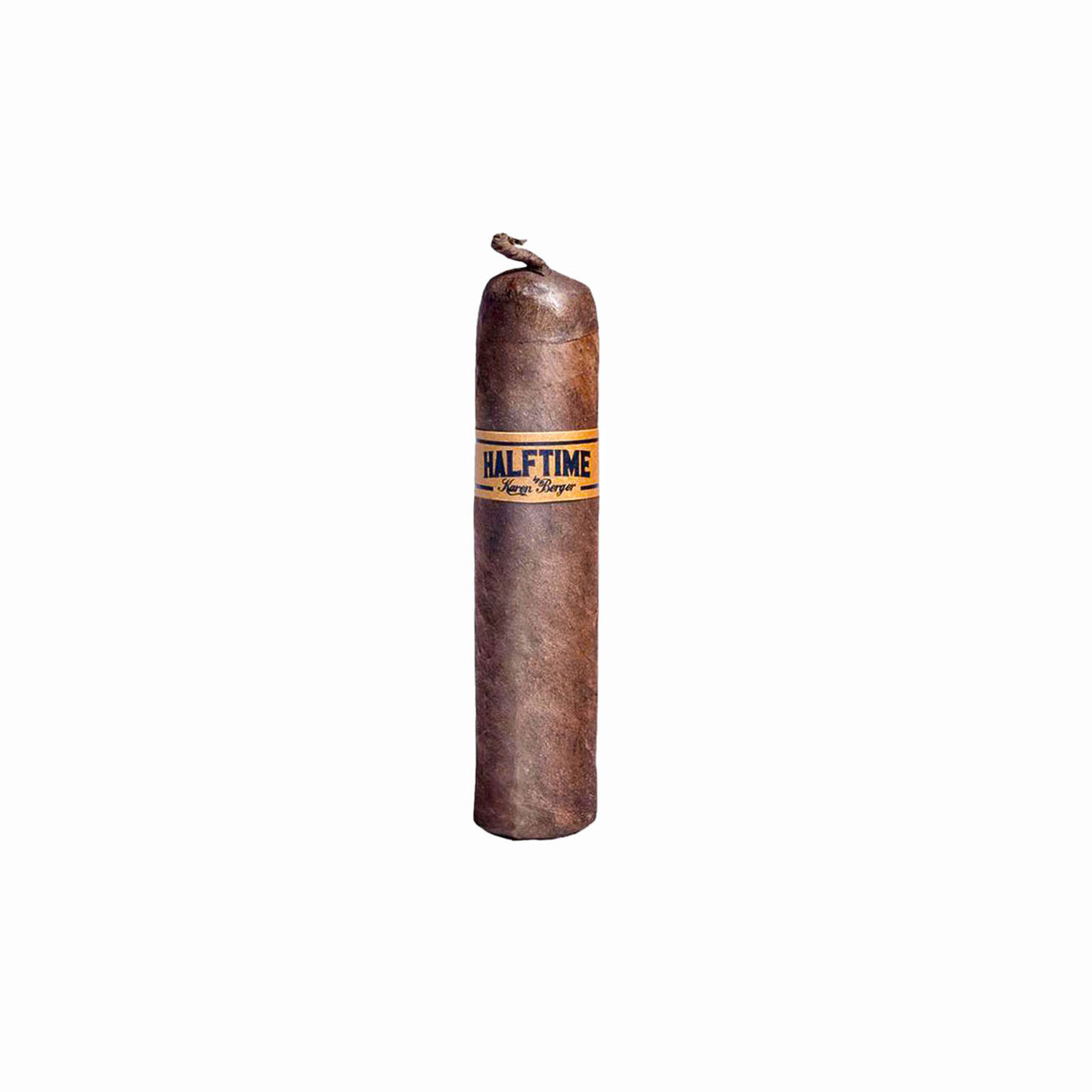
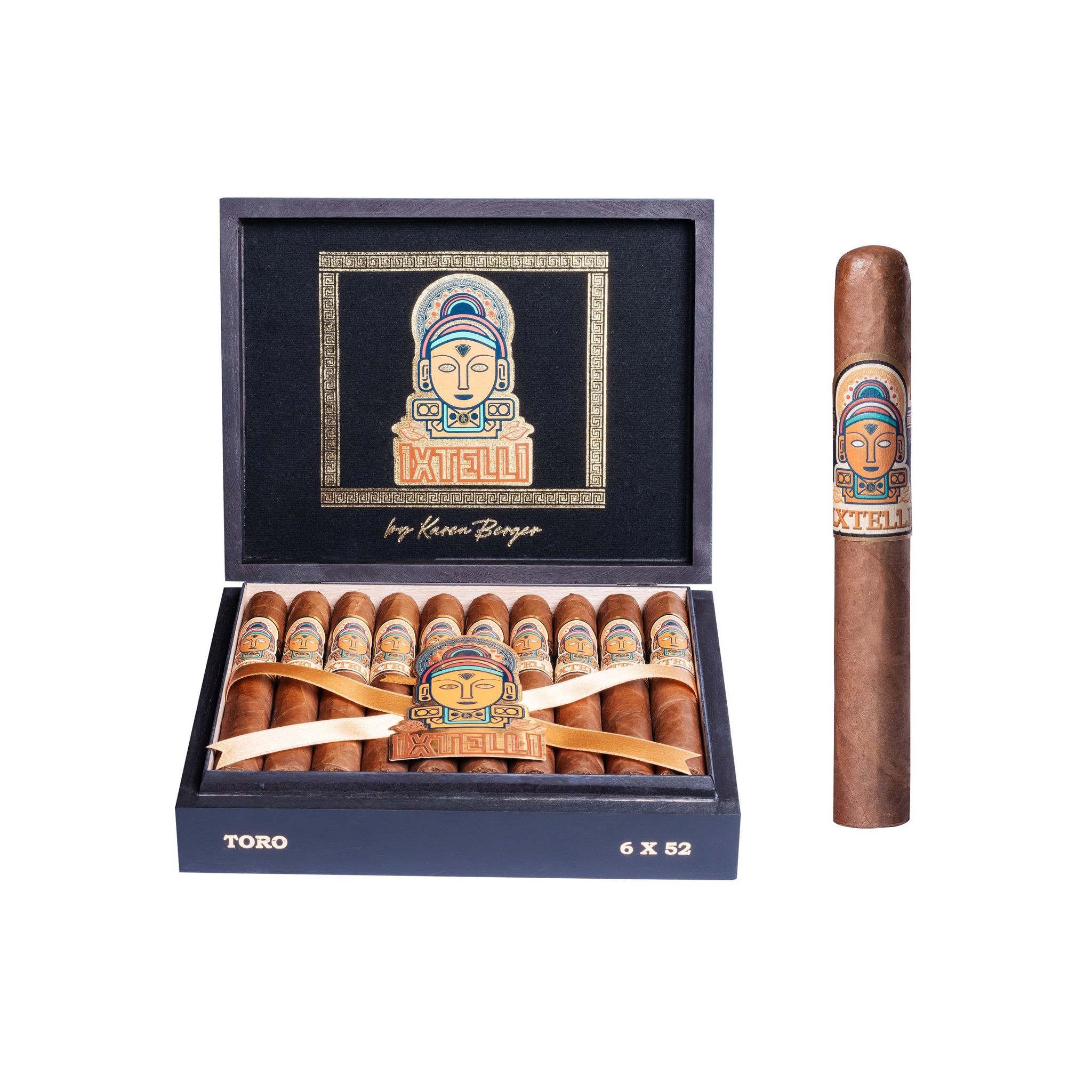
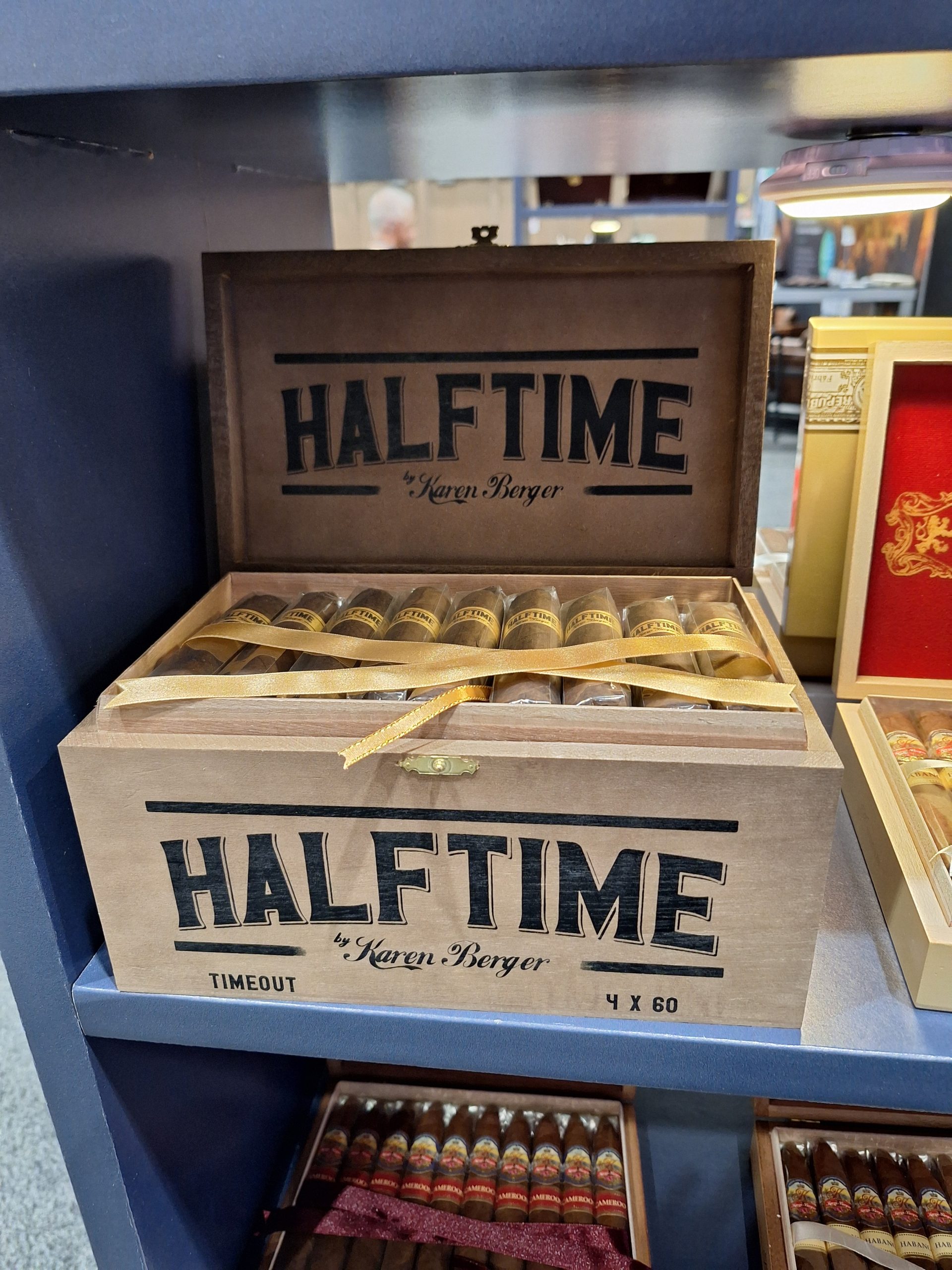
Accompanied by their distributors, Kleinlagel, the event served as the stage for the official presentation of Ixtelli –a tribute to the pre-Hispanic roots of Estelí, Nicaragua– and Halftime, a high-quality quick smoke proposal for the European market. Both lines reflect her passion and commitment to Nicaraguan excellence.
The 2026 Horizon
To close this interview, Karen offers Humo Latino an exclusive, revealing the path of her immediate future. In 2026, the portfolio is bolstered by Overtime, an imposing 6-inch, 60-ring gauge with a Maduro wrapper; the line extension of the award-winning Ixtelli,now in a 5-inch, 50-ring gauge Robusto format that promises to concentrate the strength of Jalapa; and the official launch of Half Time in both Habano and Maduro wrappers –the perfect solution for a short yet intense smoke.
Finally, she reflects on the life journey that Estelí Cigar Factory and Karen Berger Cigars have been –the highs and lows, and witnessing the fall of companies backed by massive investments. She asserts that she has remained standing through consistency and sacrifice, as well as her unwavering faith in God to overcome every challenge: “My only partner is up there,” she says, pointing toward the sky, “guiding me at every moment.”
“I have many dreams yet to fulfill, such as winning Cigar of the Year, continuing to work for the many families who depend on this company, maintaining my husband’s legacy, and becoming the cigarmaker who rises to the heights Kiki once reached… and so much more. I still have a long way to go.” Karen Berger is an admirable woman, an example for those who dream of becoming entrepreneurs and masters of their own destiny; a woman who has blazed a trail and set the standard for what the Tobacco World can –and should– be for all of them.
Suscribe to our Newsletter