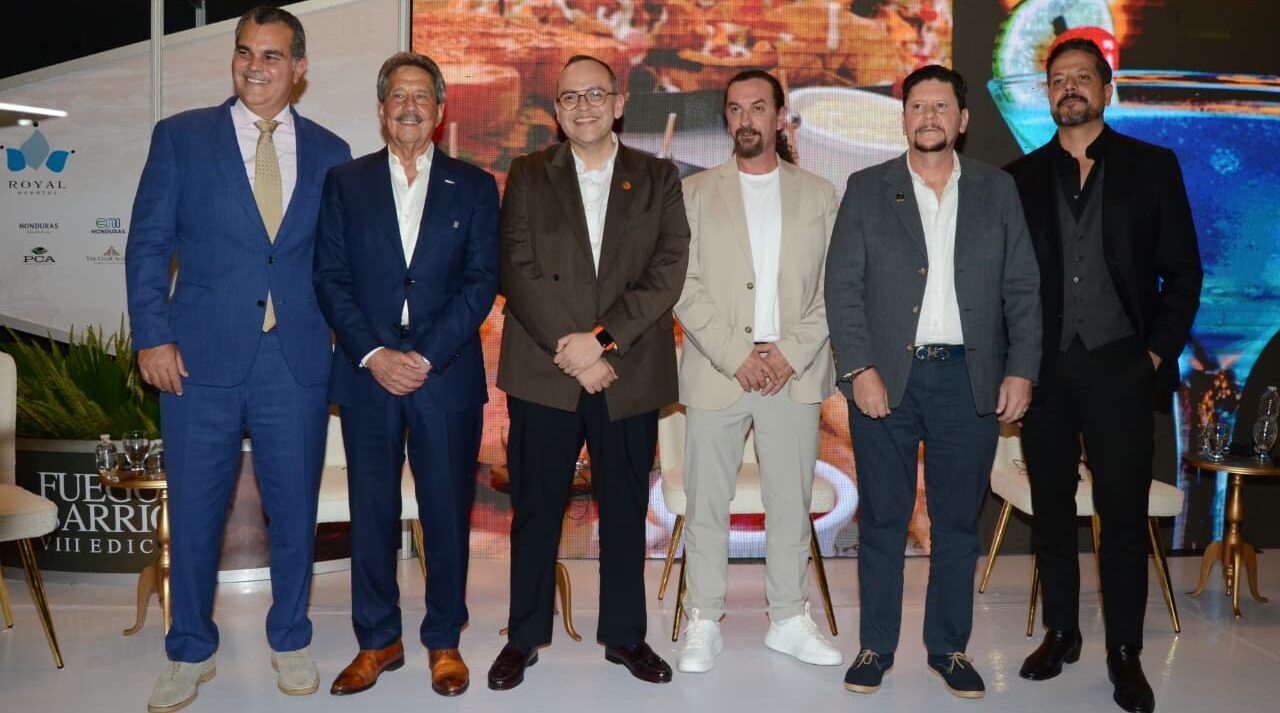
The challenge for the Honduran tobacco industry is to support, drive, and help grow micro-, small-, and medium-sized premium cigar producers—that is, emerging and boutique brands—stated Ismael Rodríguez Oliván, founder of the Tobacco Products Association (TPA) and CEO of BAMF Cigars.
Speaking on the expert panel “The Honduran Tobacco Industry: Challenges and Opportunities” during the eighth edition of Fuego & Barrica, he discussed the strategies Honduran small and medium producers should follow to successfully and sustainably enter the competitive markets of the United States and Europe.
Ismael, owner of the factory Rodríguez Oliván Cigar Factory (ROCF)—who has already partnered with Honduran producers set to make their first exports to the United States soon—offered an outsider’s perspective on the quality of Honduran tobacco and the path to scaling boutique businesses, pointing to a recurring paradox in many Latin American countries:
“As an independent cigar manufacturer, I am fascinated by and love Honduran tobacco leaf, but the reality is that Honduran tobacco is much better known and valued by foreign experts outside its borders than by locals themselves.”
Therefore, he recommended implementing aggressive educational campaigns locally so Honduran consumers learn to appreciate, consume, and speak proudly of the immense agricultural and cultural wealth produced in their valleys.
“Honduras’s potential is immense, and the flame is already lit. What is needed is the courage to do what others won’t do, test disruptive ideas with bravery, and strongly push our boutique brands abroad.”
For micro-producers aspiring to create and launch their own brand abroad, Oliván revealed that the true secret lies in blend originality and rigorous inventory planning.
The biggest mistake emerging brands make is launching an excellent cigar without securing the supply of the same leaves for the future. “It does no good to create an original, excellent blend if you only have the capacity to produce 50 or 100 boxes. A high-end artisanal cigar must guarantee the same flavor, strength, and aroma year after year. A brand creator must sit down and plan their raw material inventory with a three- to four-year horizon, not just think about the following month.”
Likewise, he advised that an outside investor or local producer seeking to expand must invest aggressively on two fronts: opening markets “door-to-door,” conducting direct networking, and implementing relentless quality control.
He explained that the most difficult part of the business is not origin export, but import customs clearance in the United States. “If you manage to establish flawless logistics and verified quality control, customs officers will know that your product comes from a reliable factory and won’t hold up containers, enabling a steady, successful commercial flow.”
Regarding the TPA—an association formed two years ago with the specific purpose of uniting small producers and boutique brands led by minorities or women—he said its objective in Honduras is to bring on boutique and emerging brands to provide direct advisory services and facilitate their cigars’ entry into the United States, fostering mutual growth without sacrificing artisanal identity.