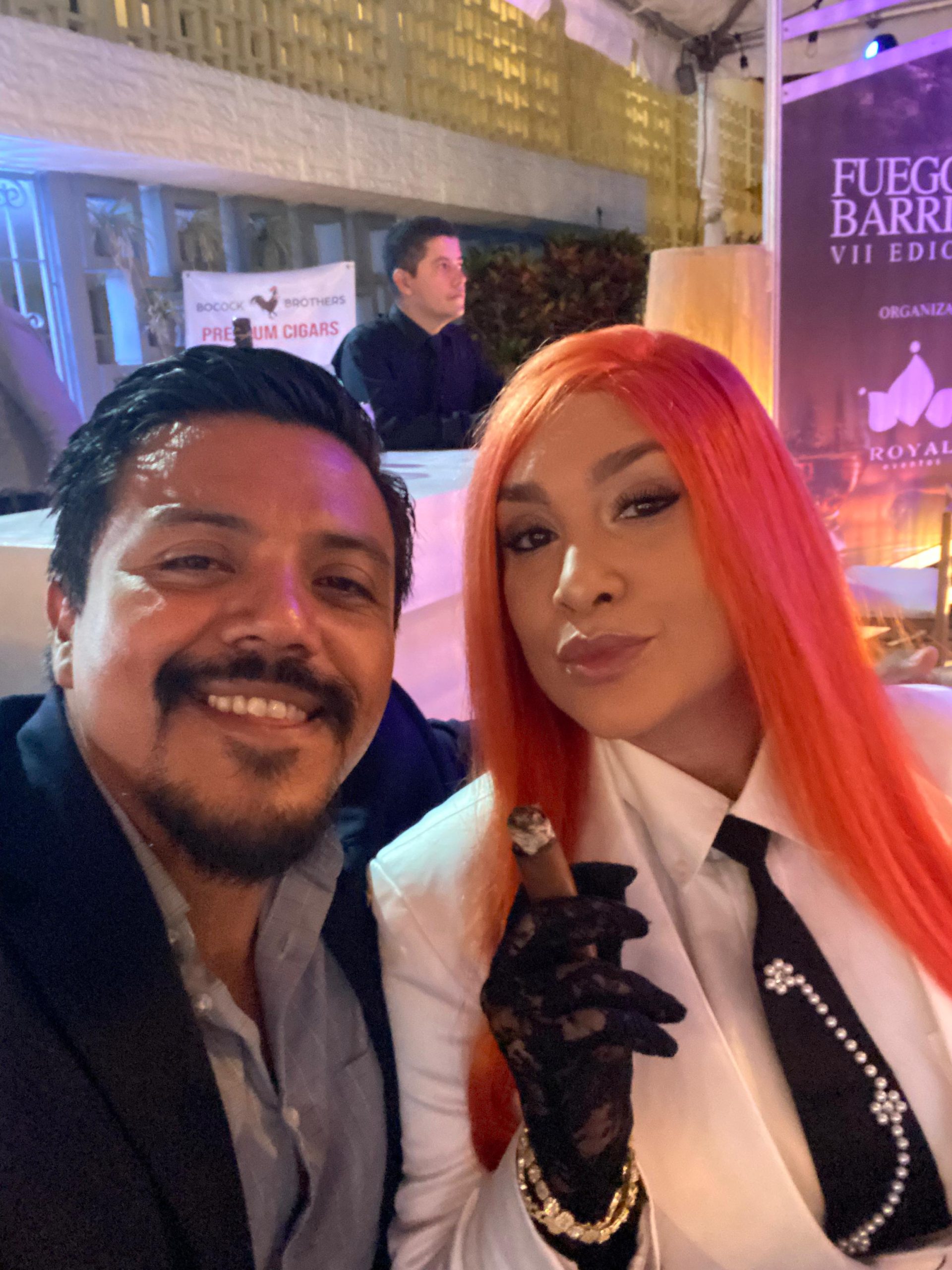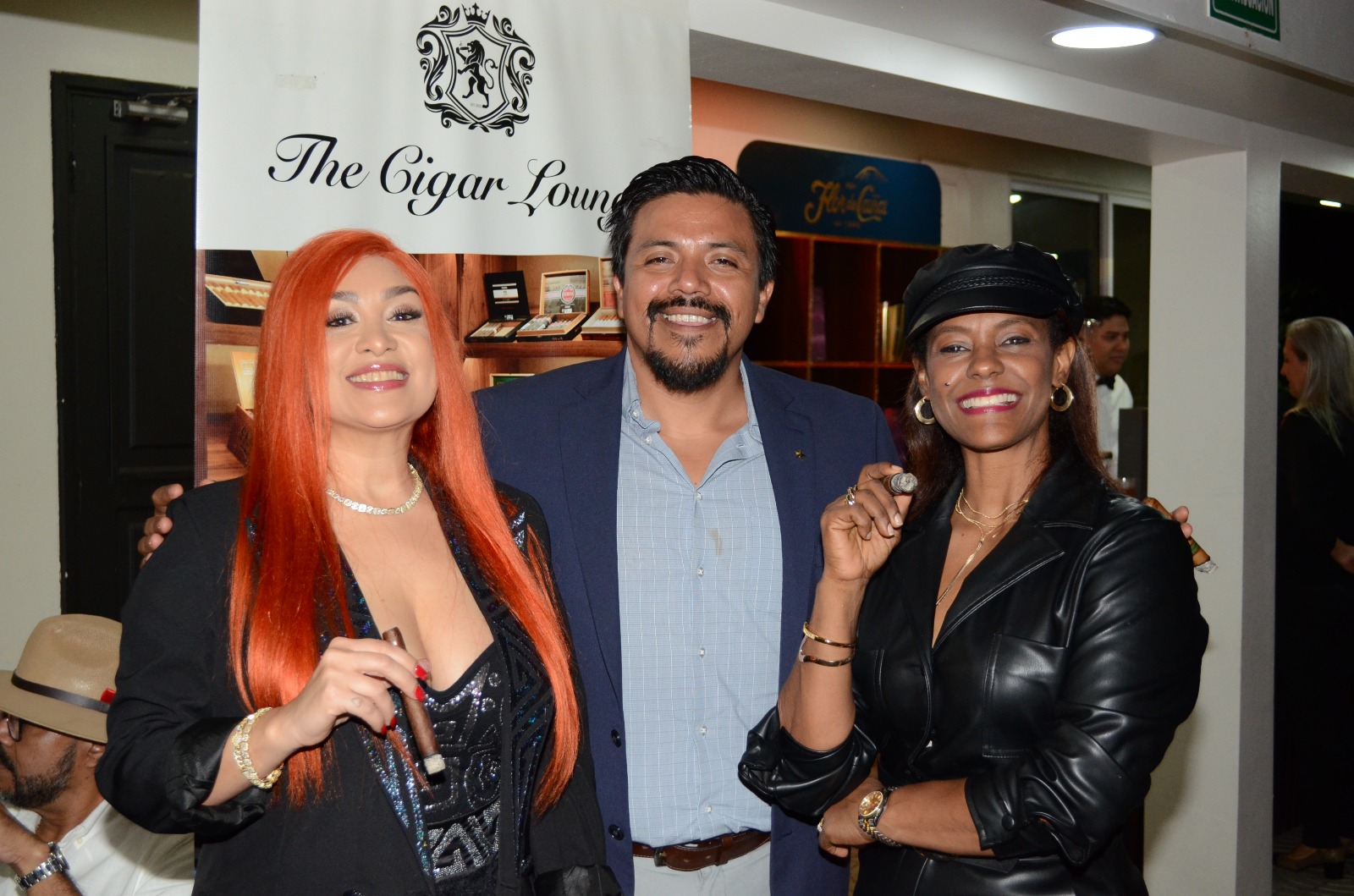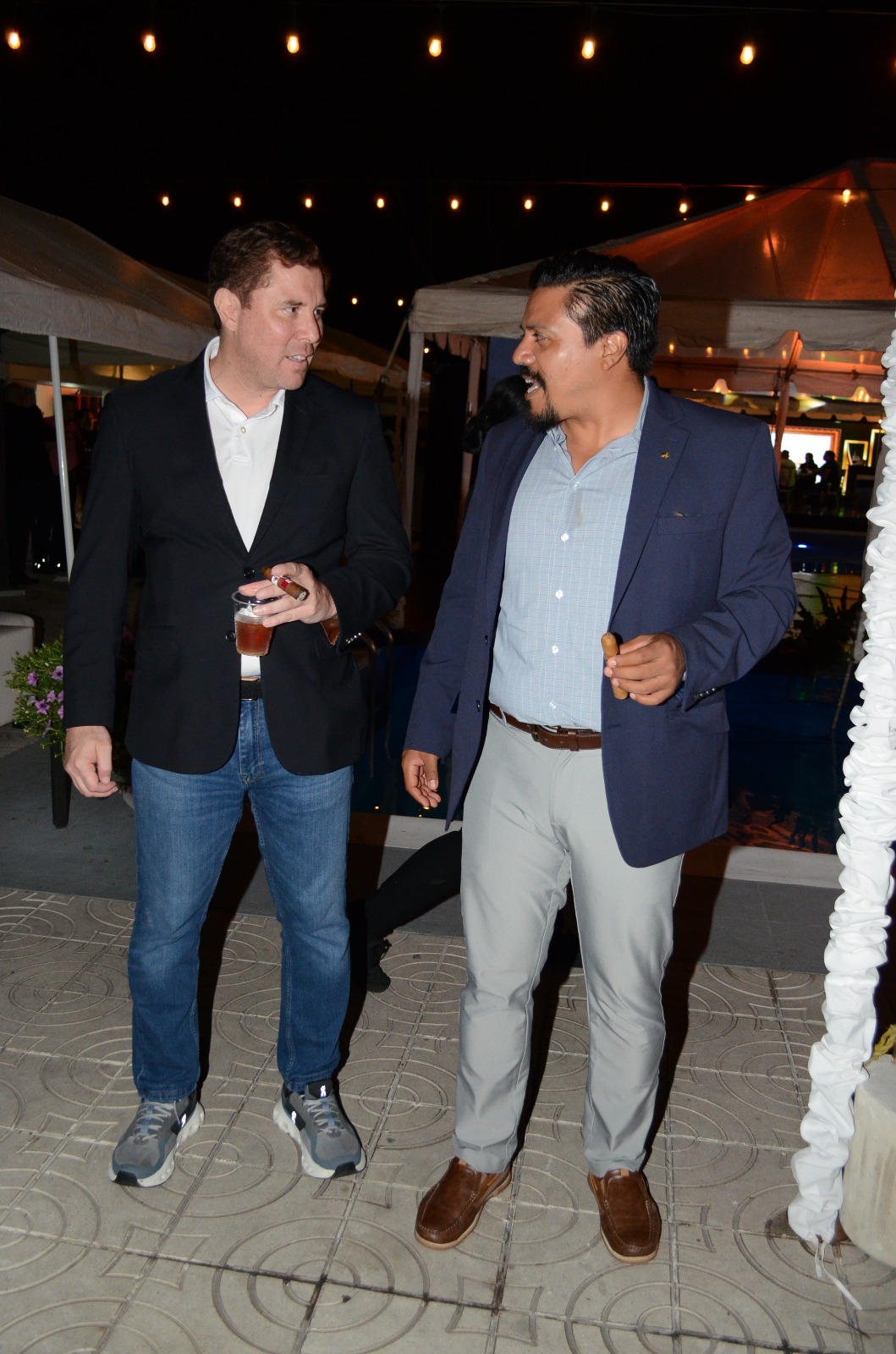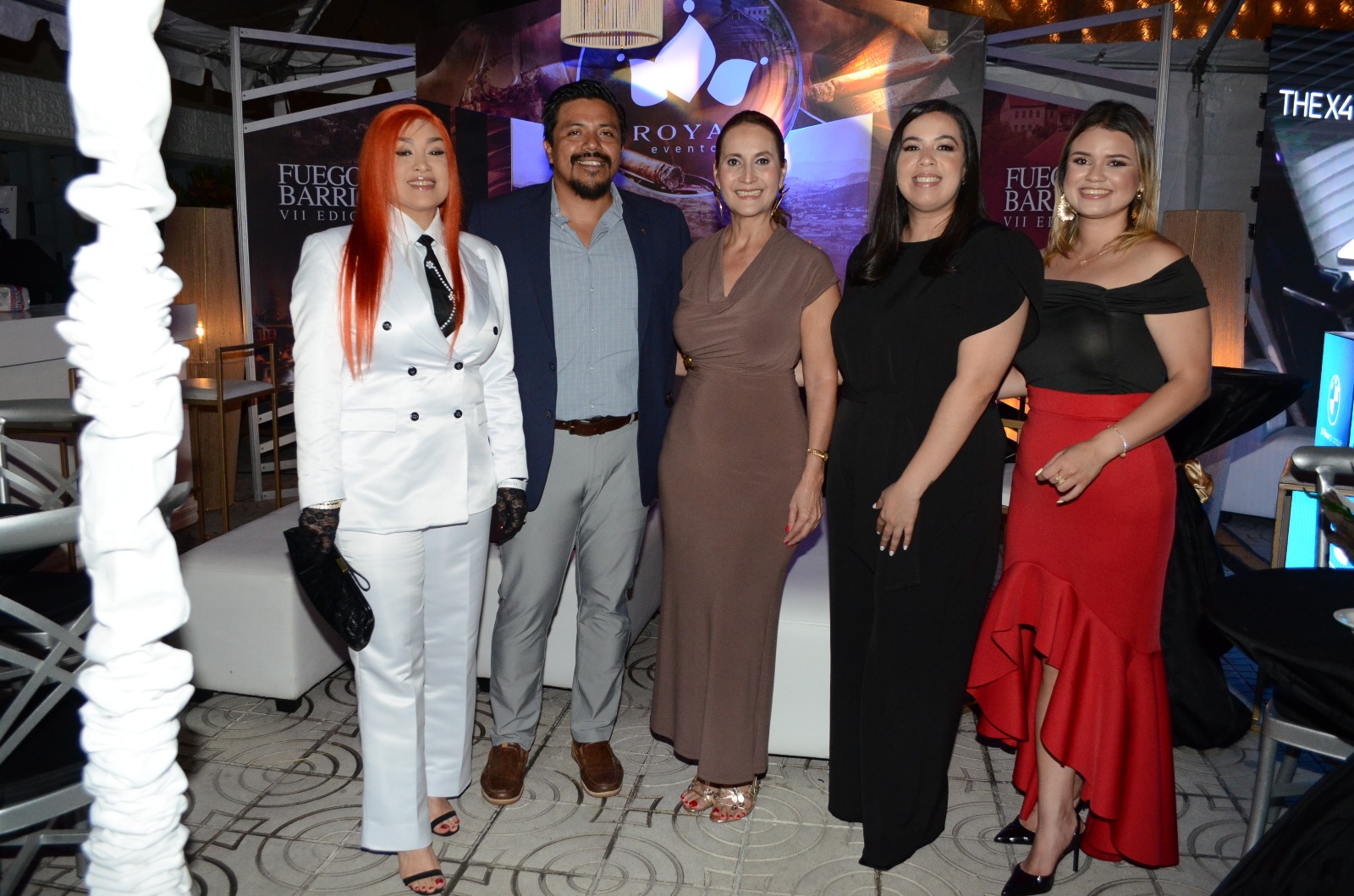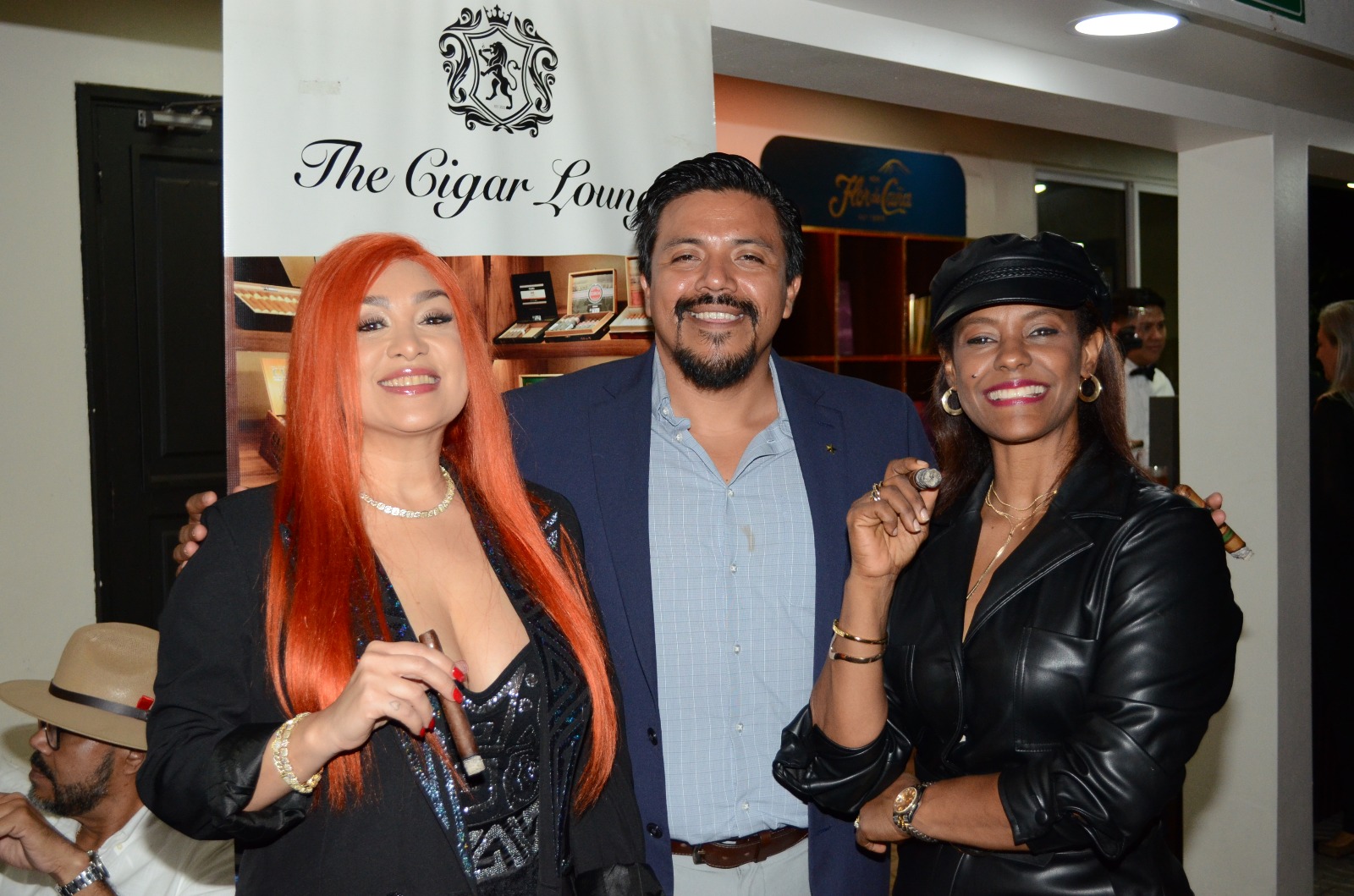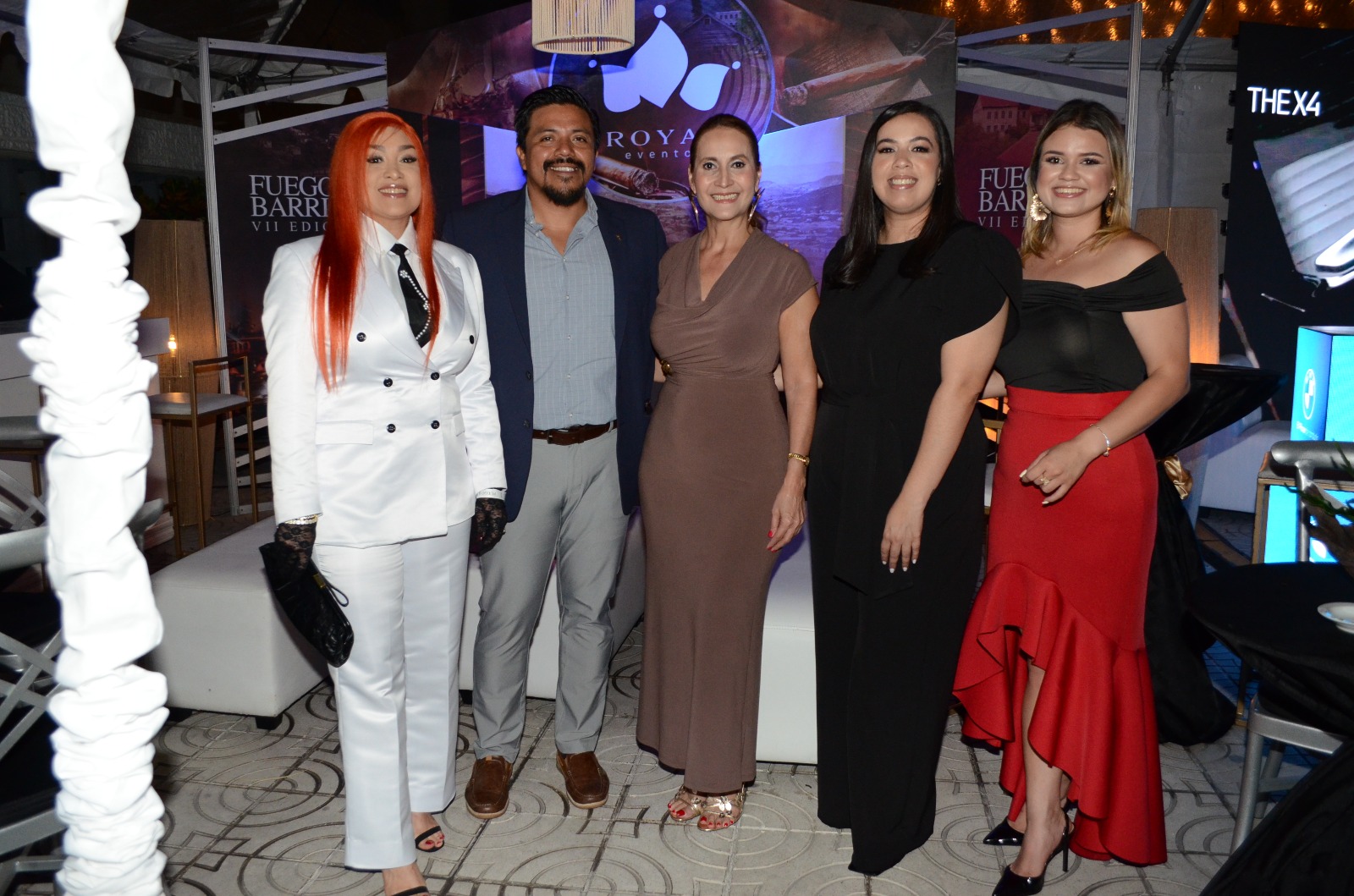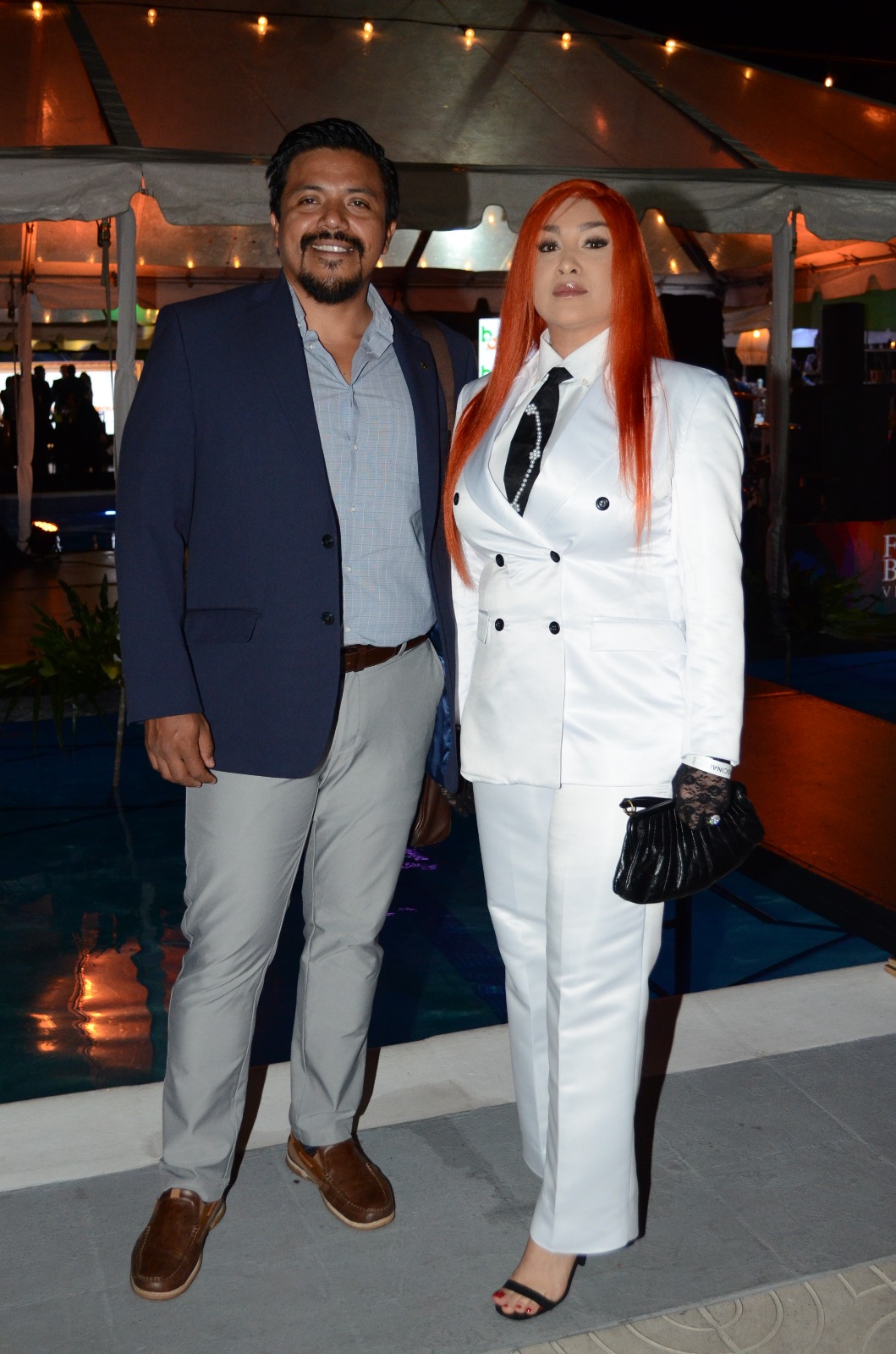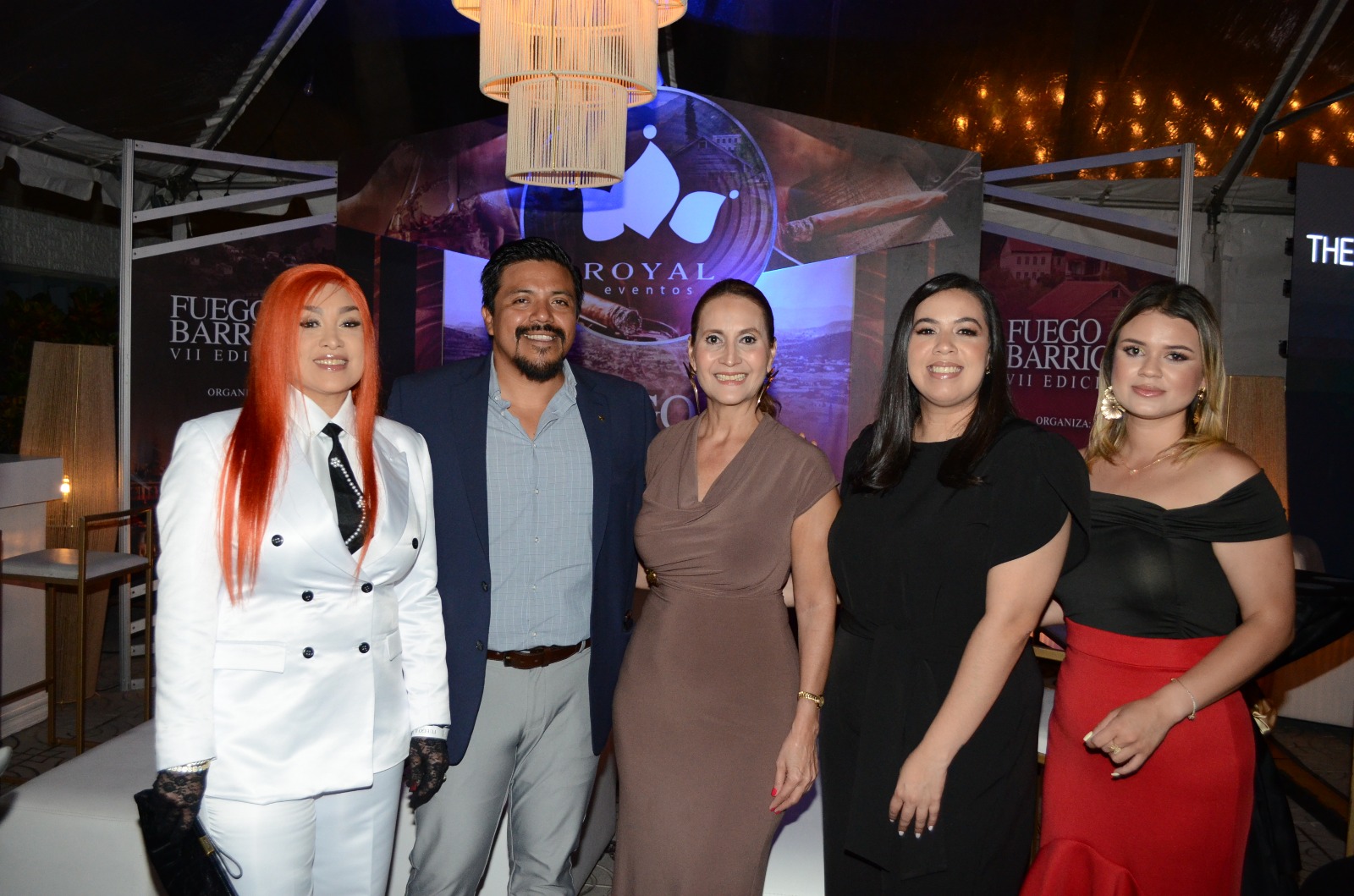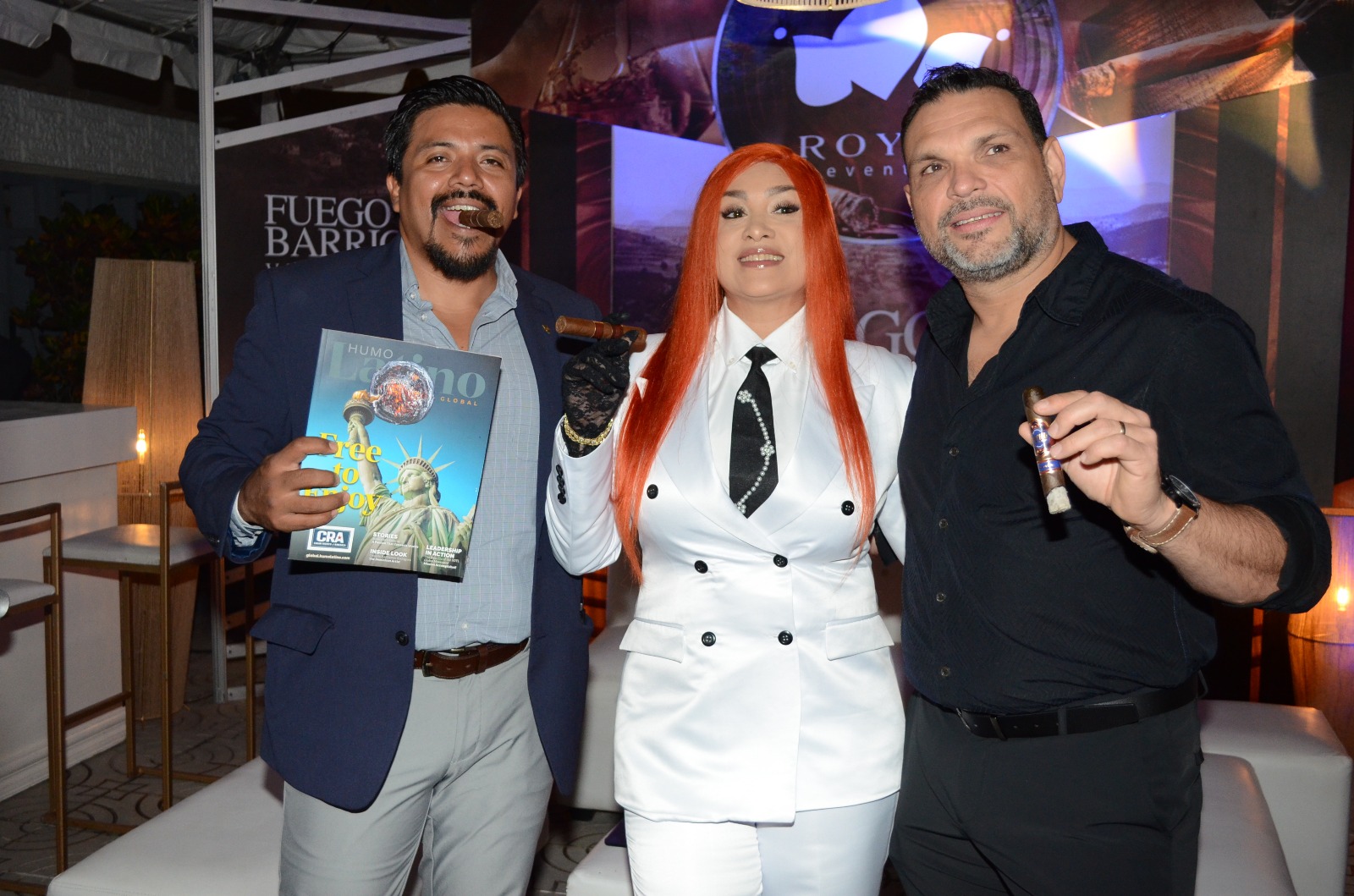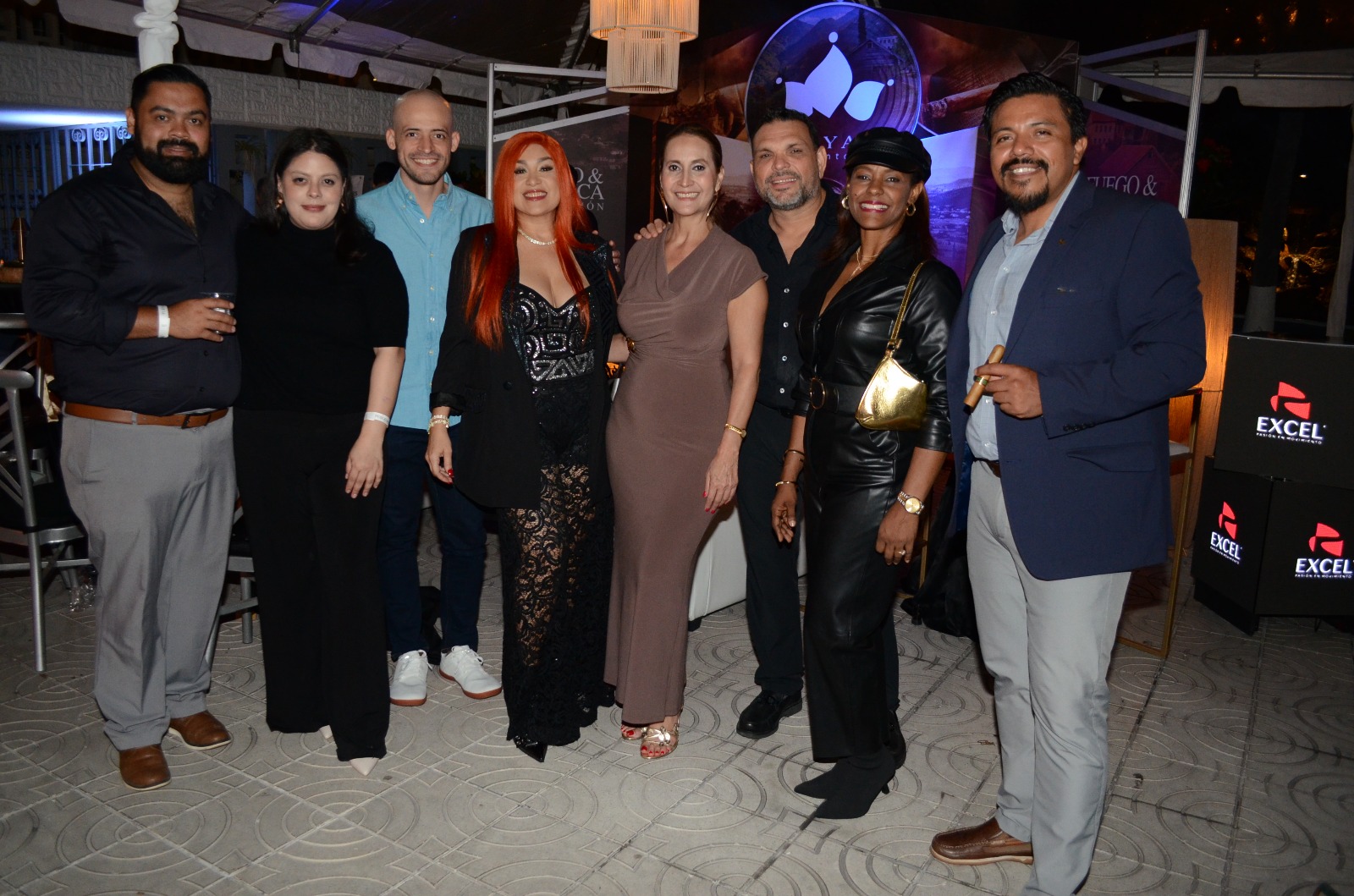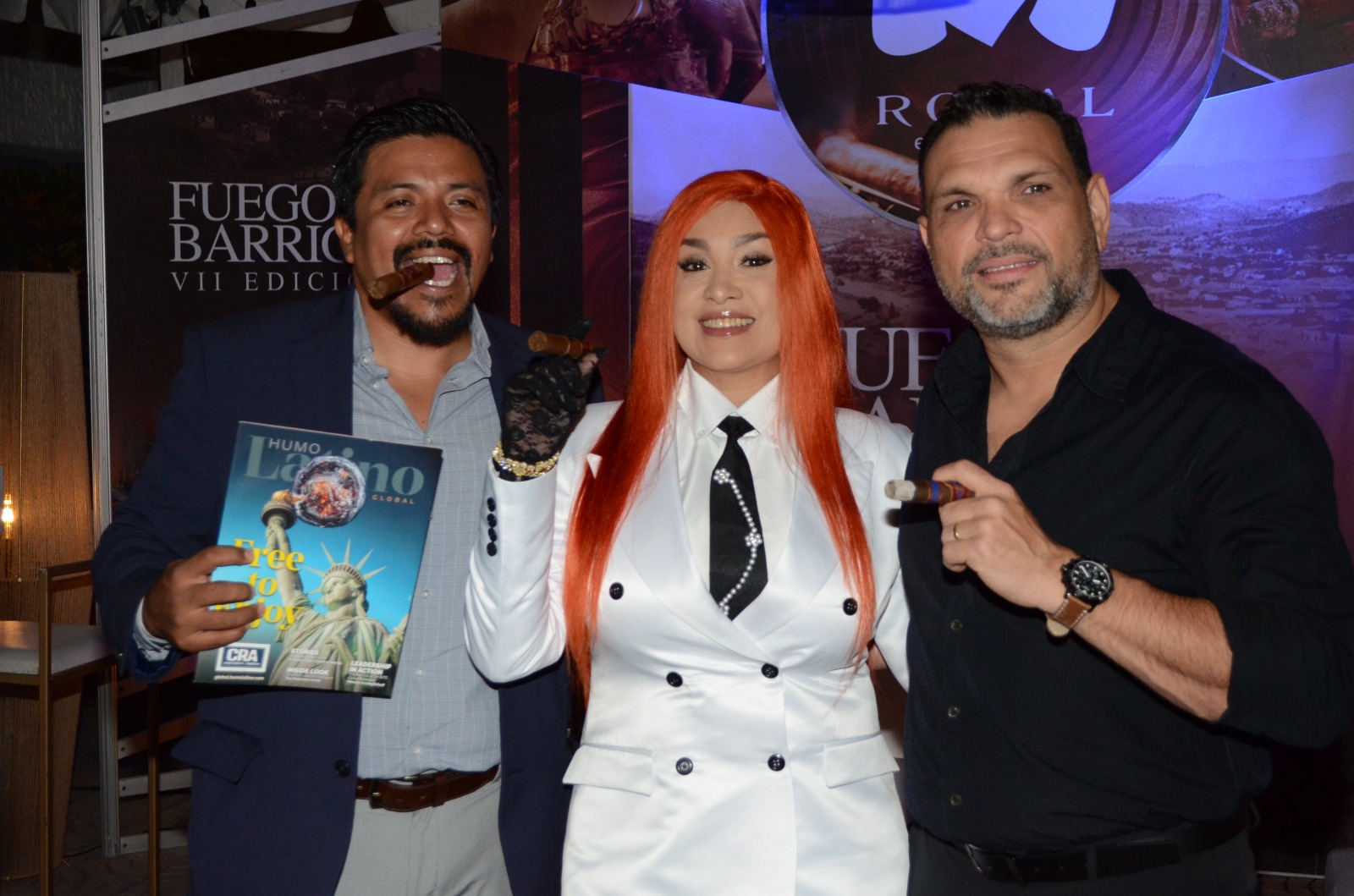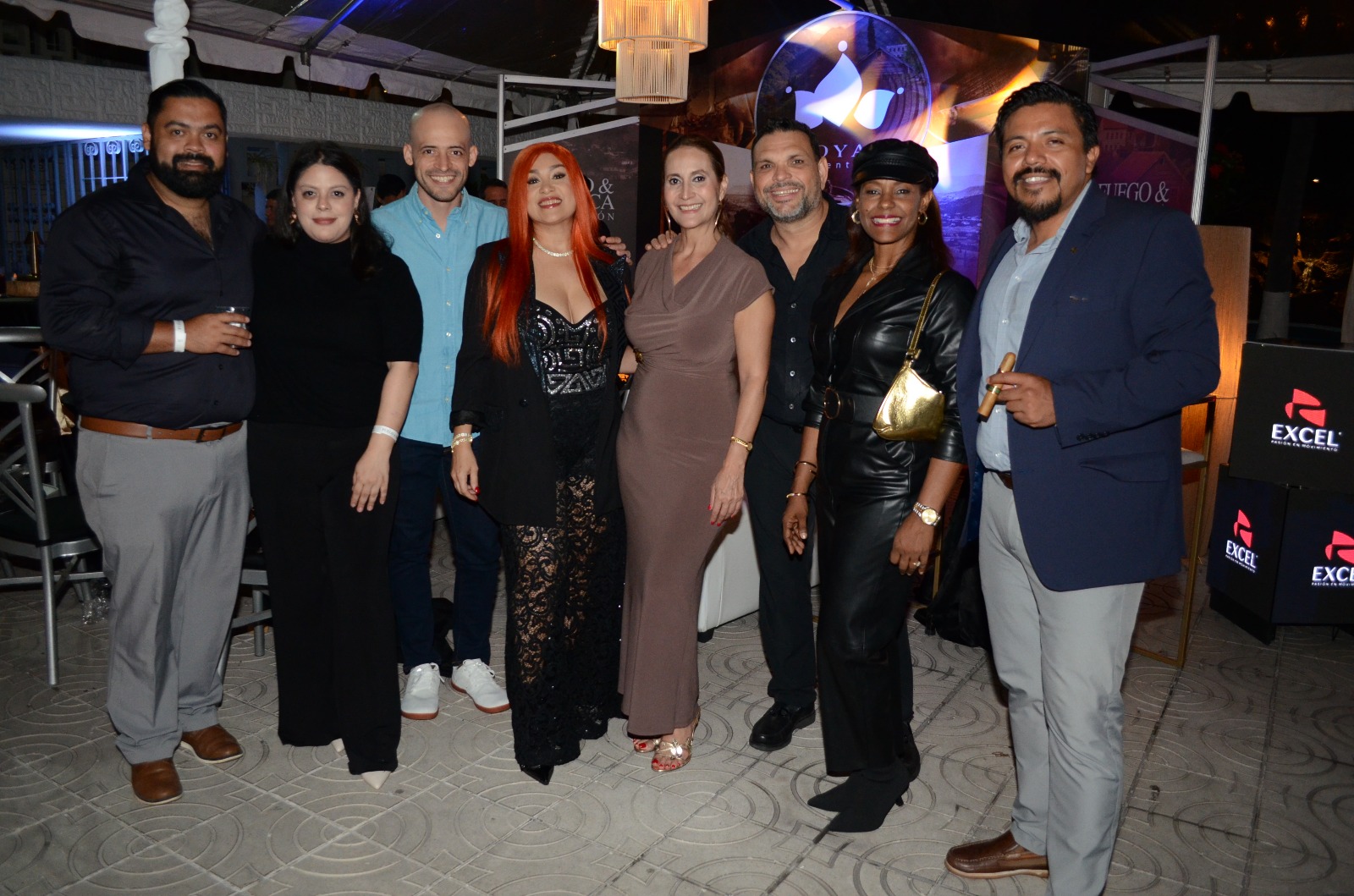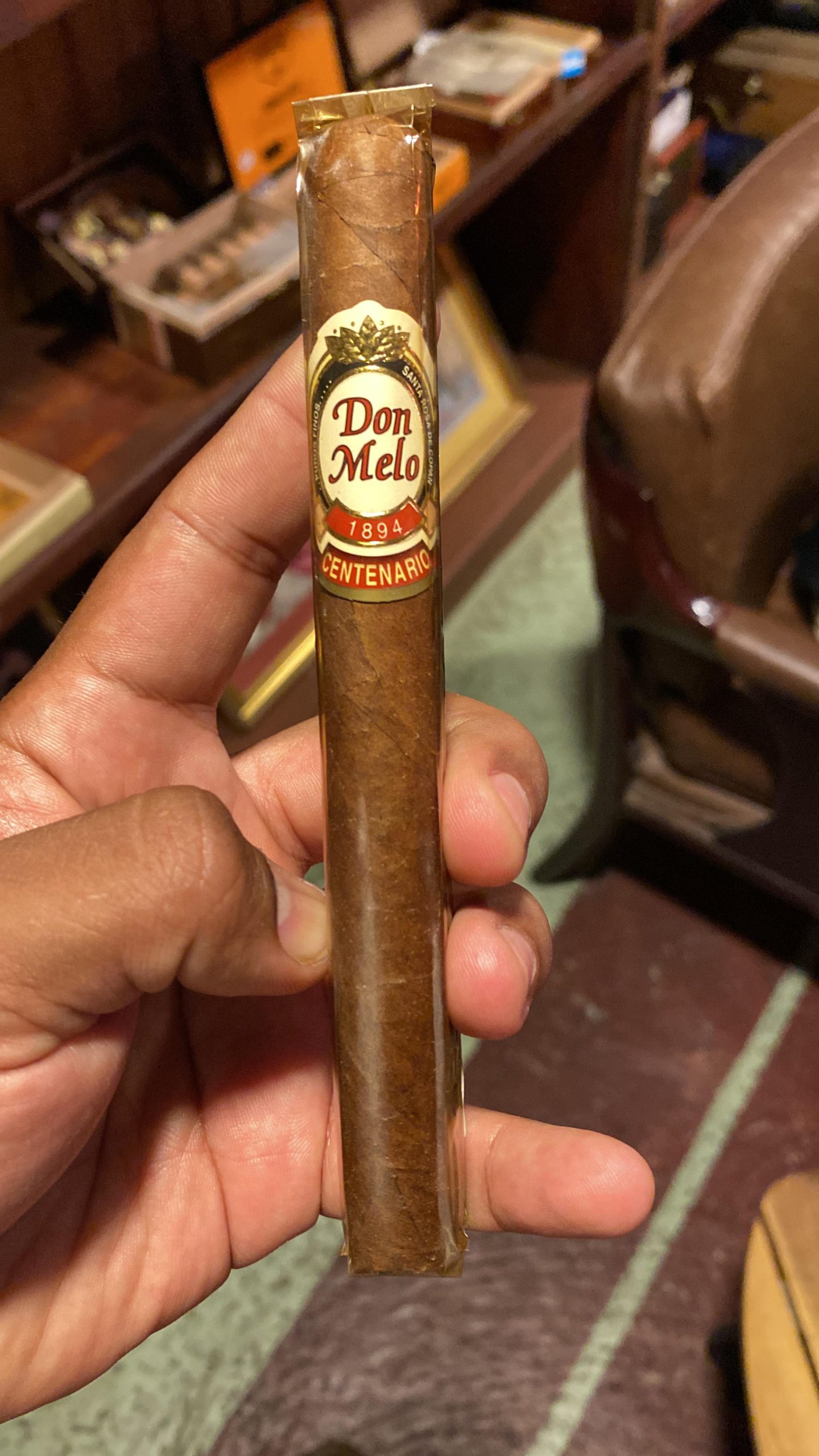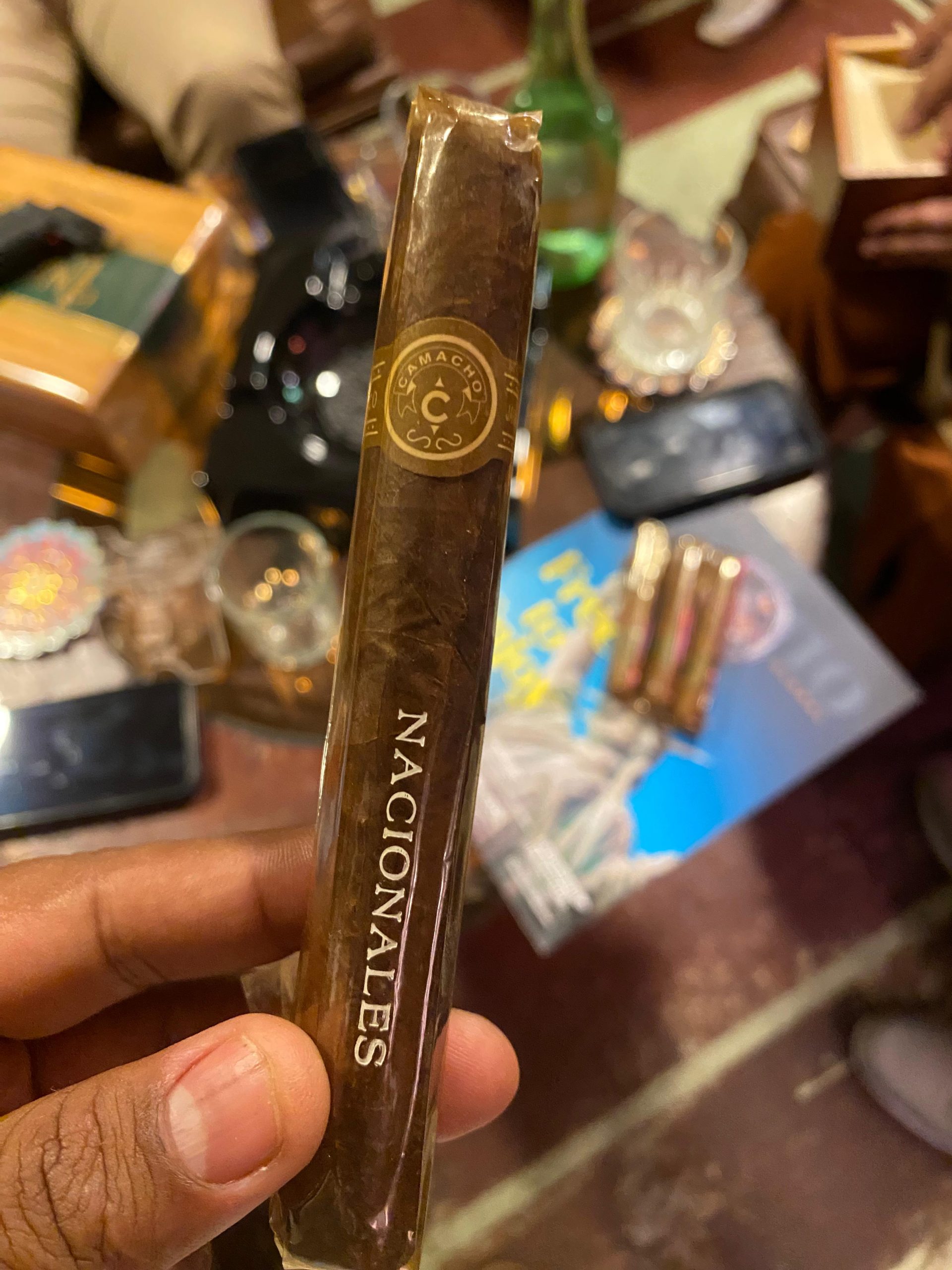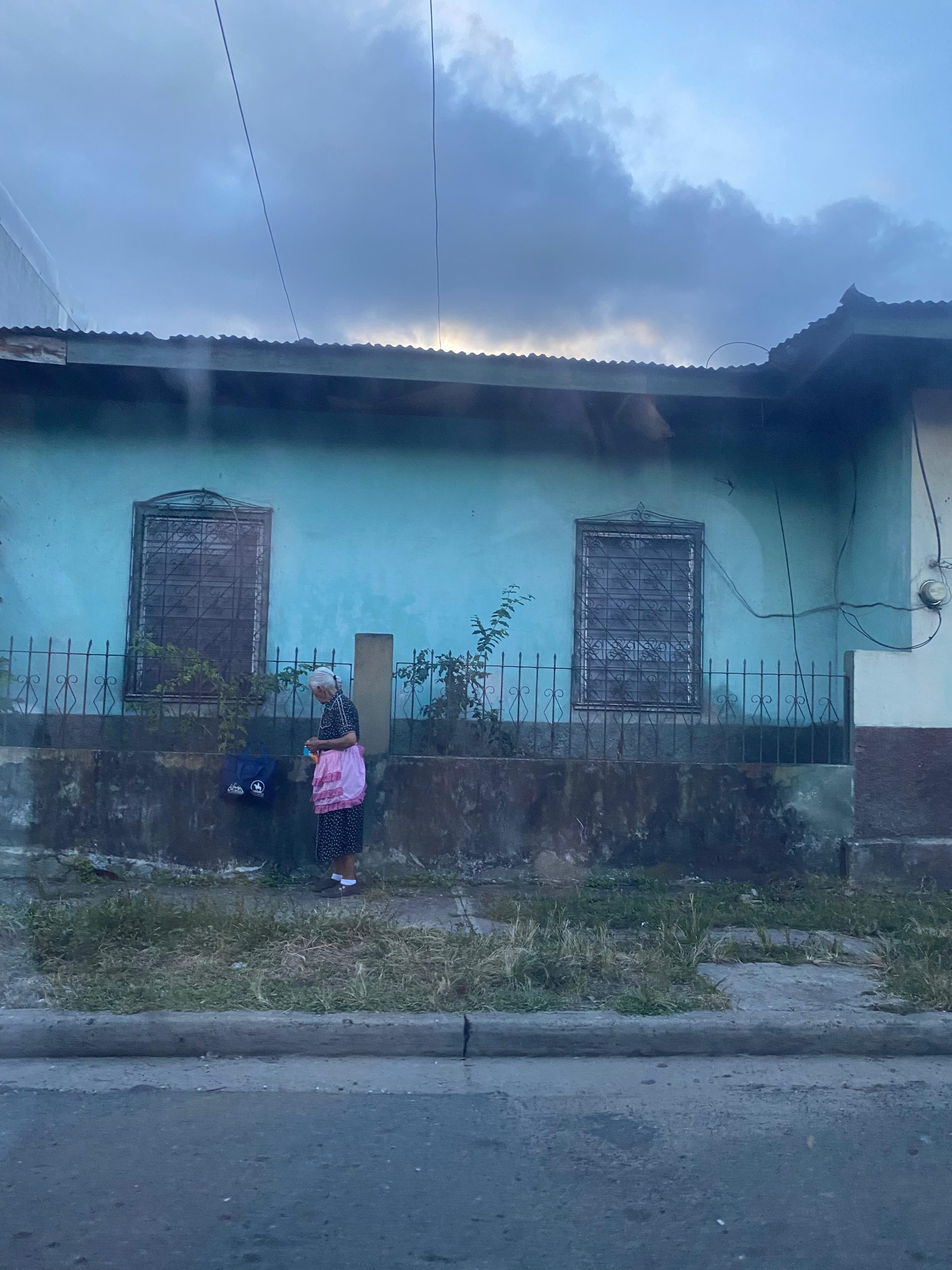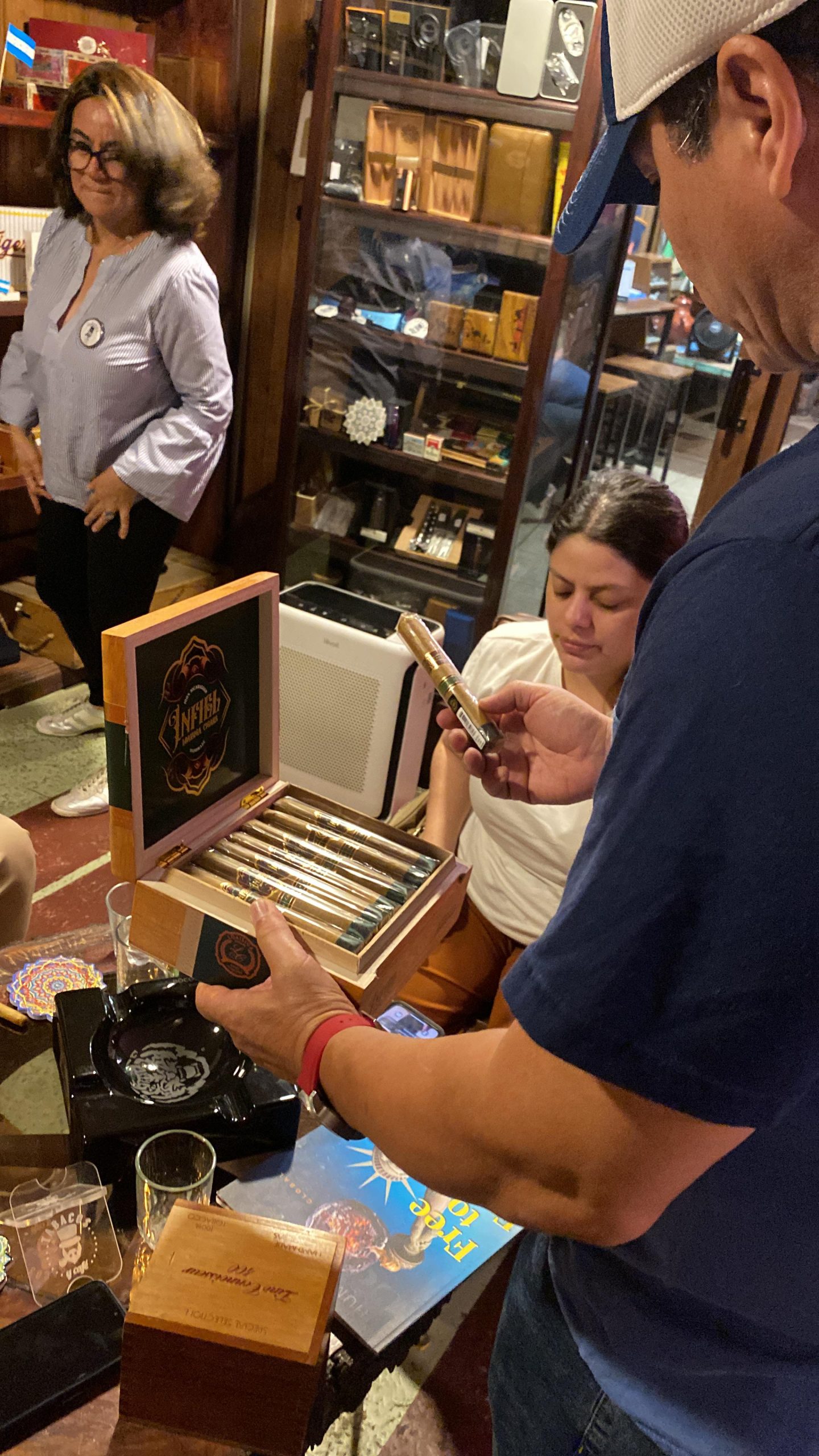
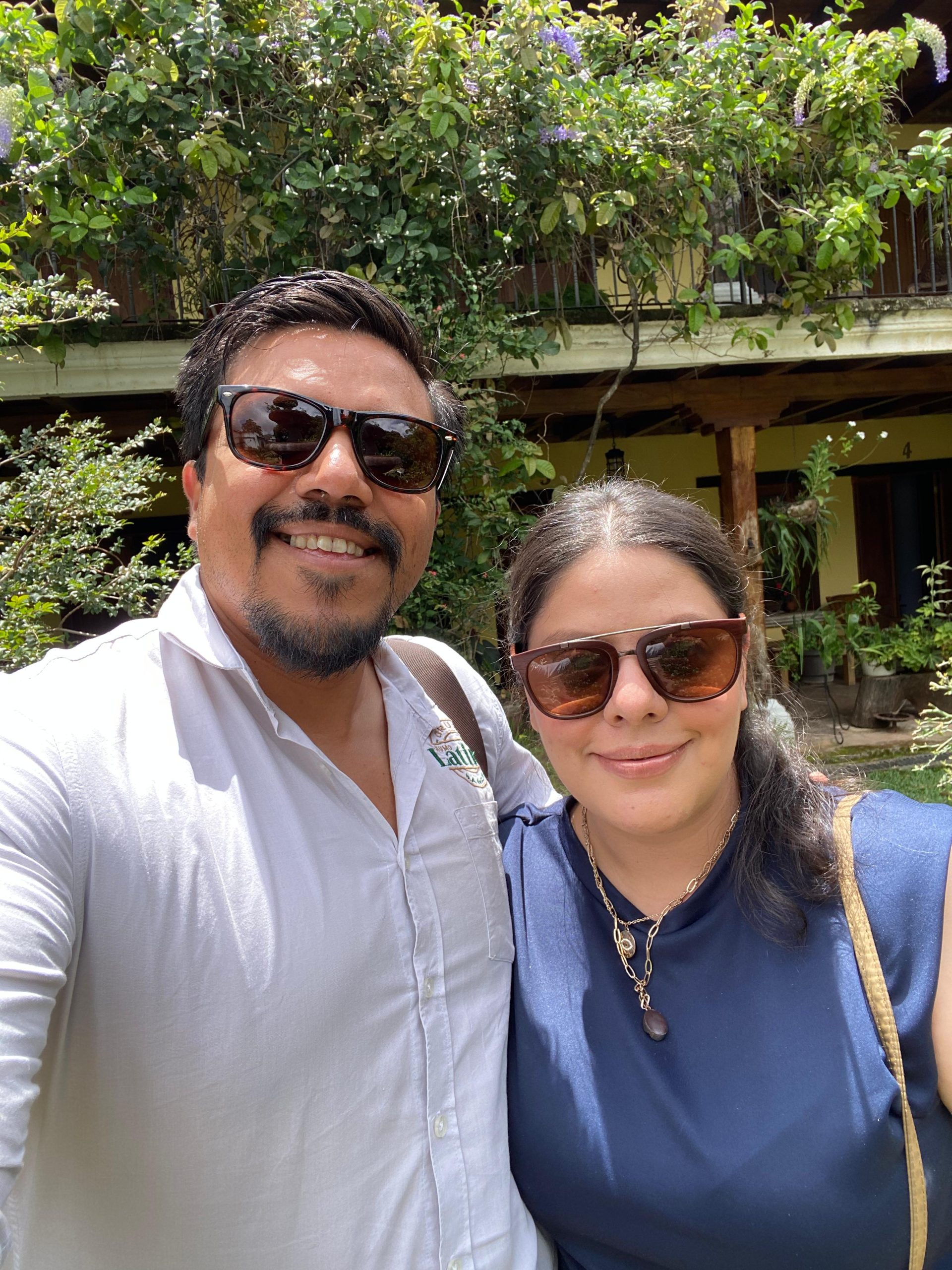
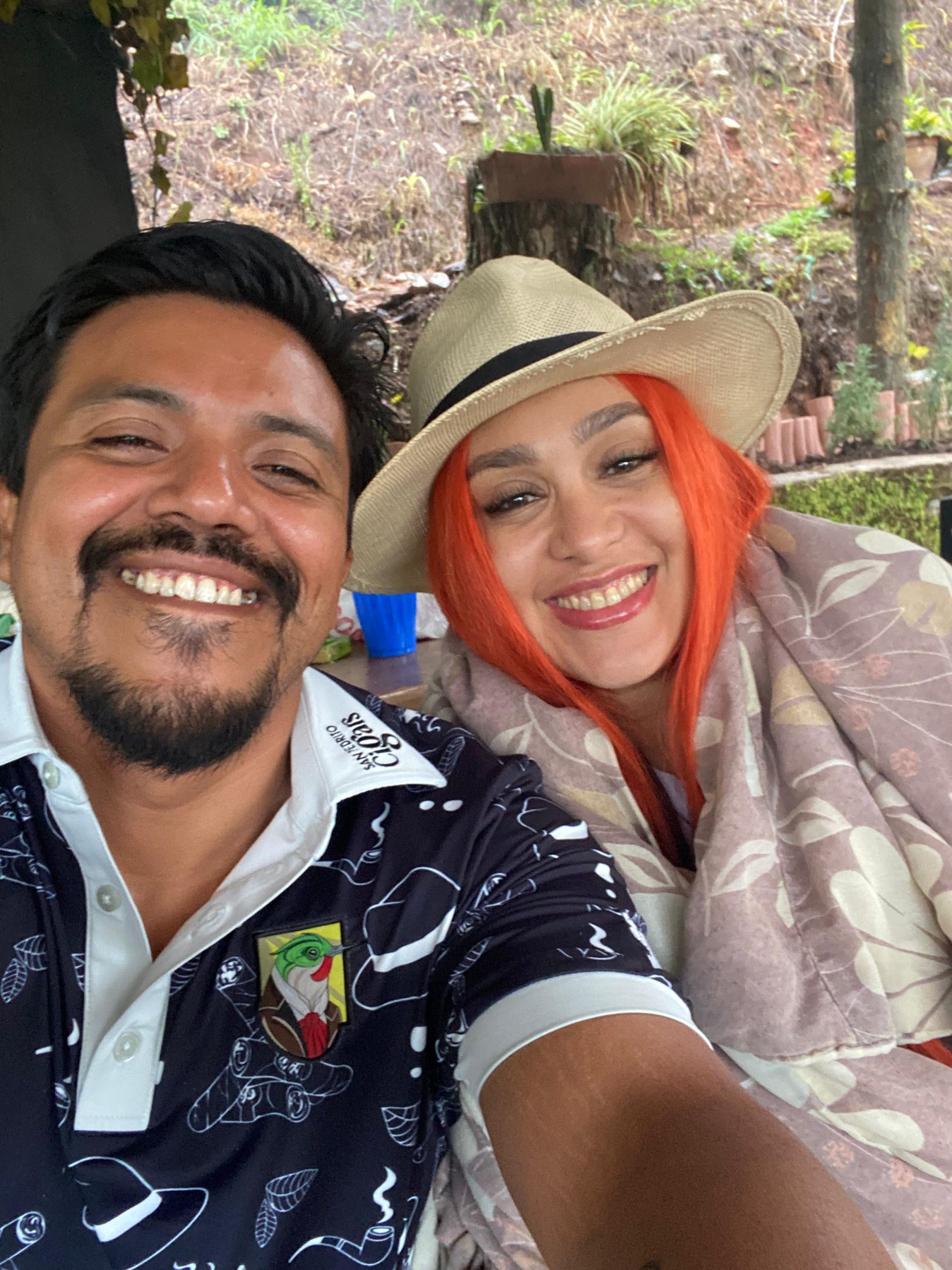
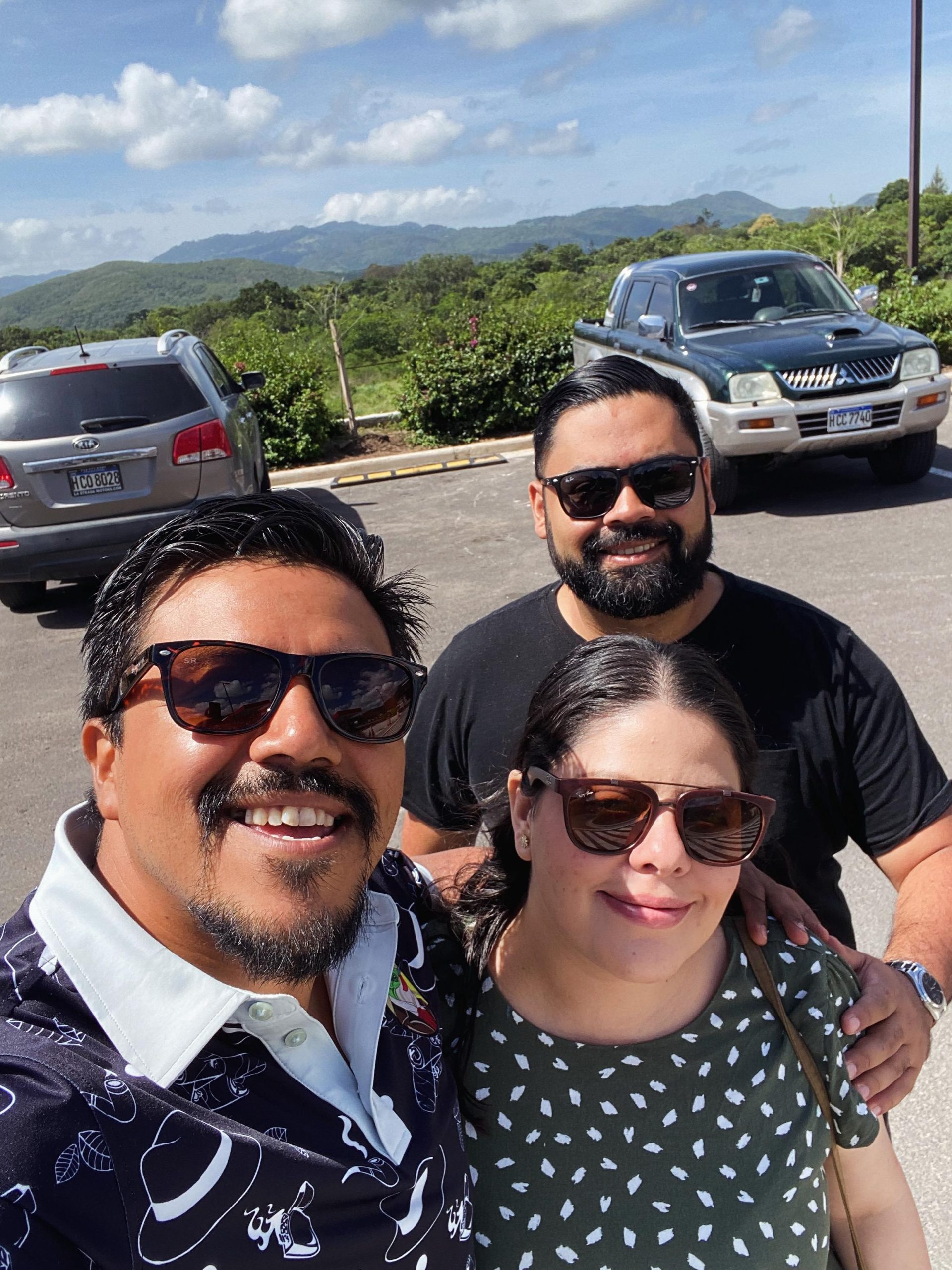
Friends are the family you choose, no doubt. I can’t, yet, say that Rolando Soto and Patricia Pineda are my family, but I can assure you that they are my friends and that my respect and admiration for them are immeasurable, as human beings and as the entrepreneurs who lead CRS Tobacco Group, whose brands Rolando Soto, Her Premium Cigars, and Déjà Vù are a treat for the palate.
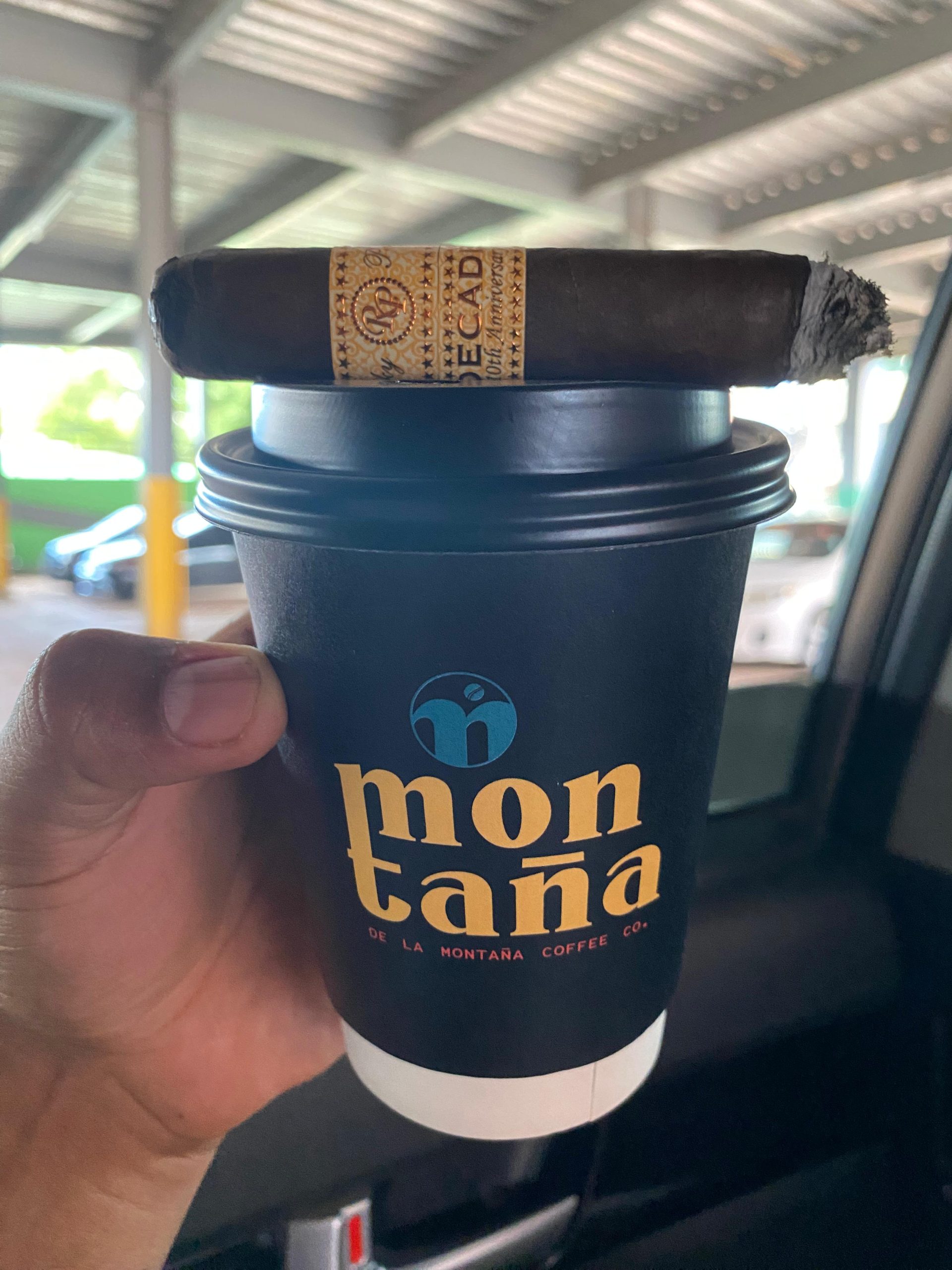
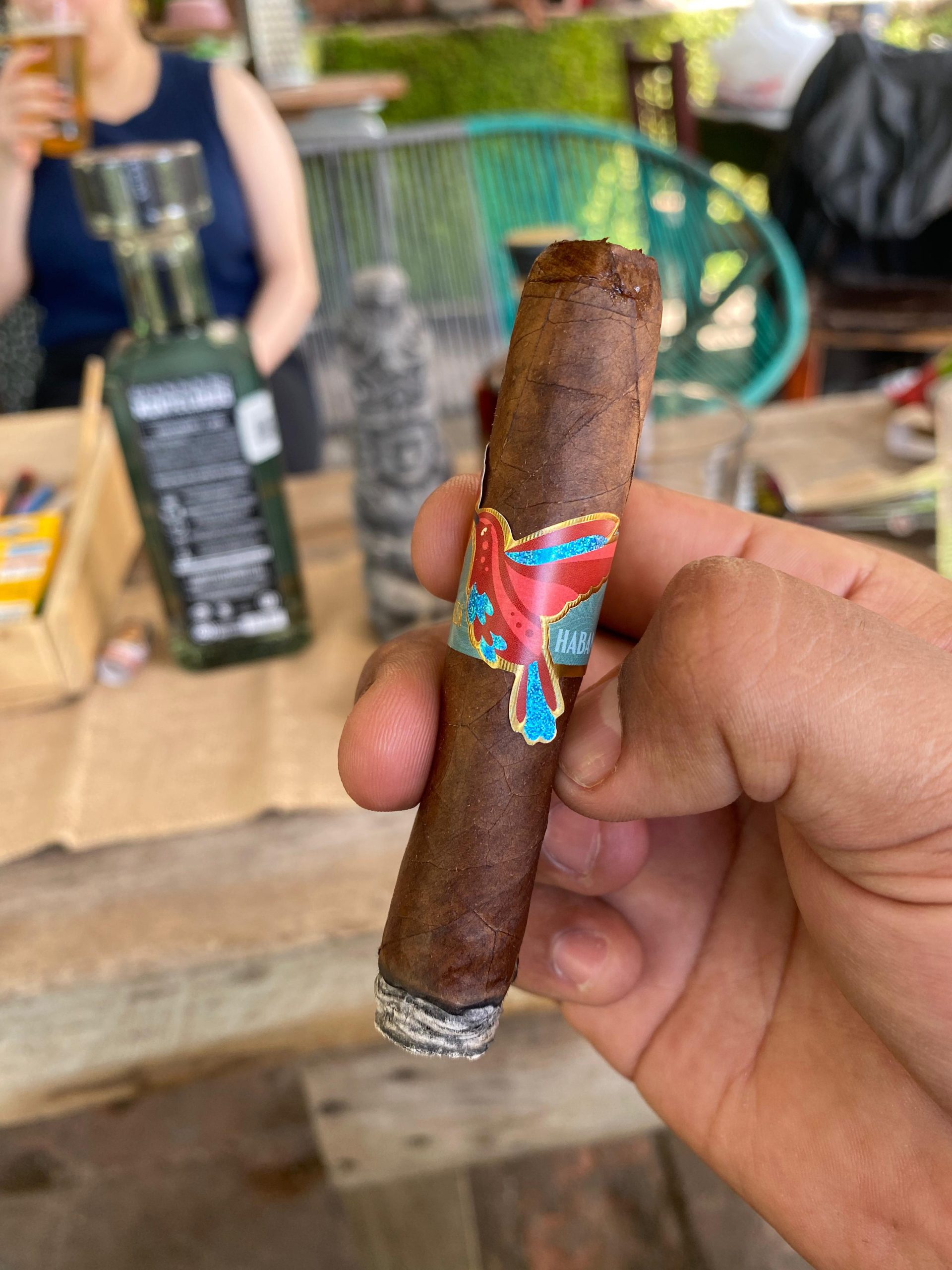
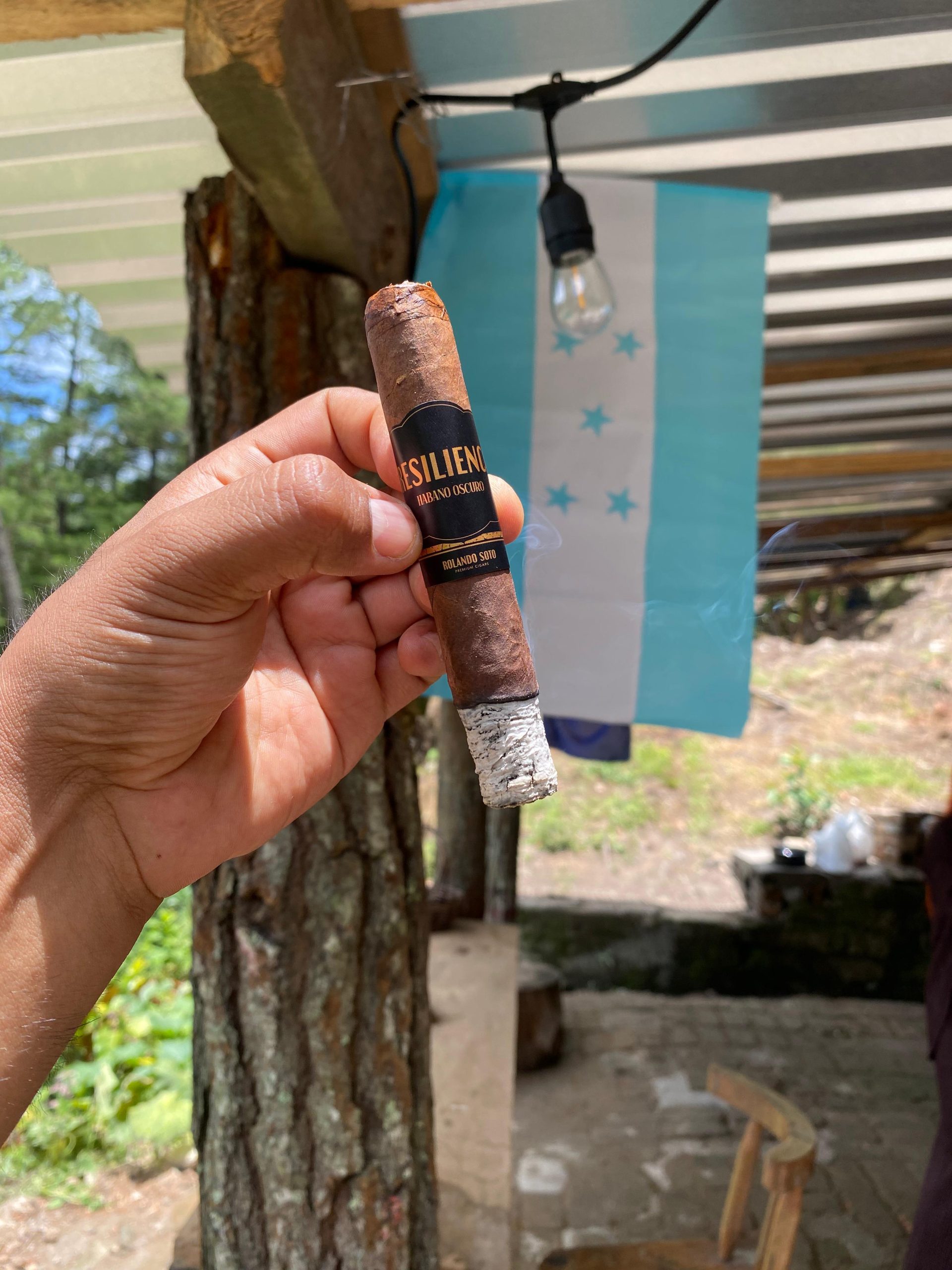
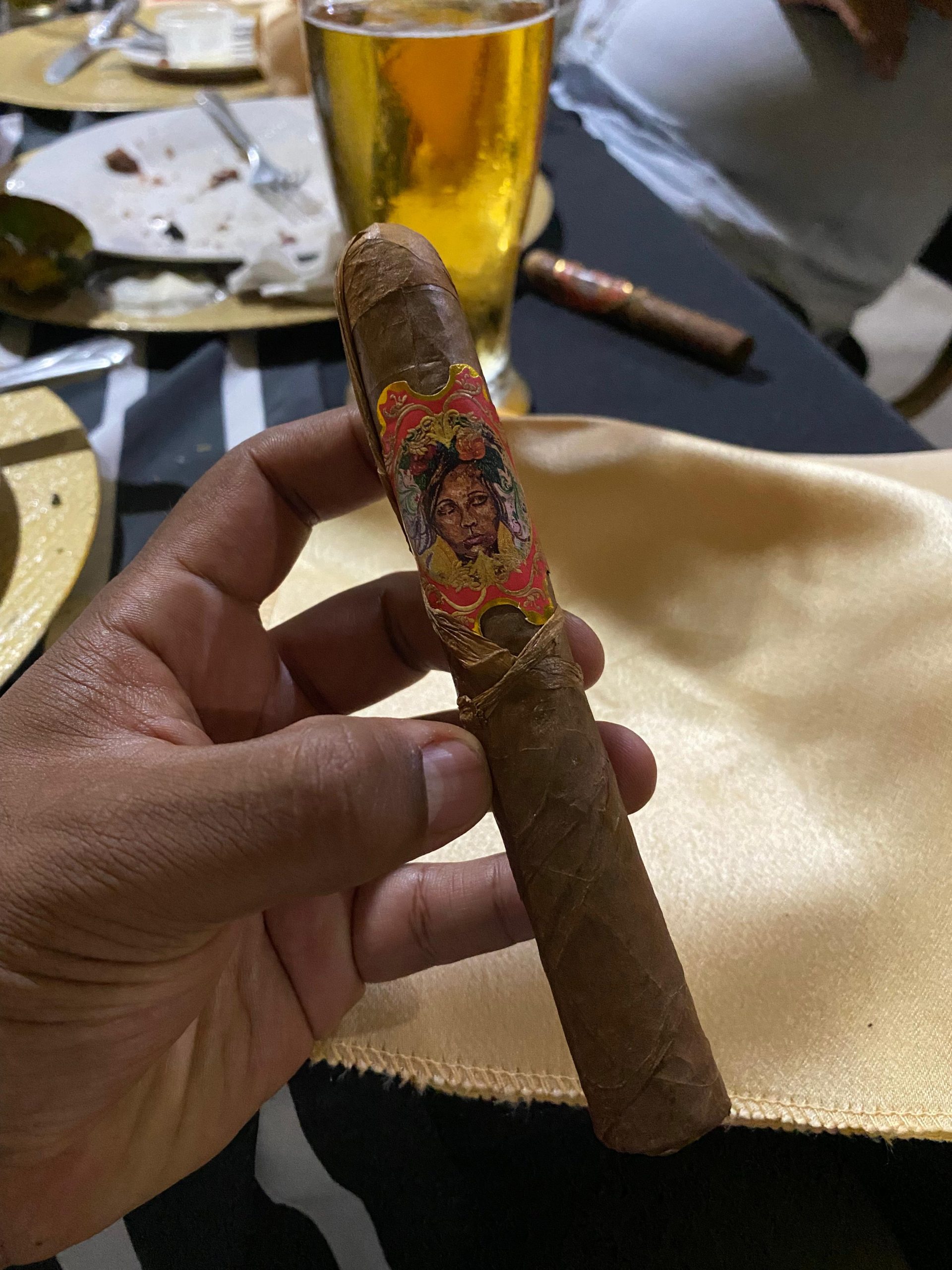
In fact, the first thing I did after leaving Palmerola International Airport in Honduras was open an Imperial beer and light a Rolando Soto Sommelier Selection. This was the start of a seven-day tour focused on covering the Fuego & Barrica event in Tegucigalpa, a week in which we visited the San Jerónimo, Ferrera Cigars, and Raíces Cubanas factories, the fields of Jamastrán, and several cigar lounges in the capital, Danlí, and San Pedro Sula.
By the way, they were the ones who gave me the beer and the cigar as soon as we got in the car. “Now you’ve truly arrived in Honduras.” And so we set off, along with Patricia’s attentive sister, Gaby, in the early morning toward Uyuca, to Rolando’s home, amidst laughter, music, and an endless stream of facts and anecdotes about Honduras, its people, its culture, its history…
A Barbecue to Break the Ice
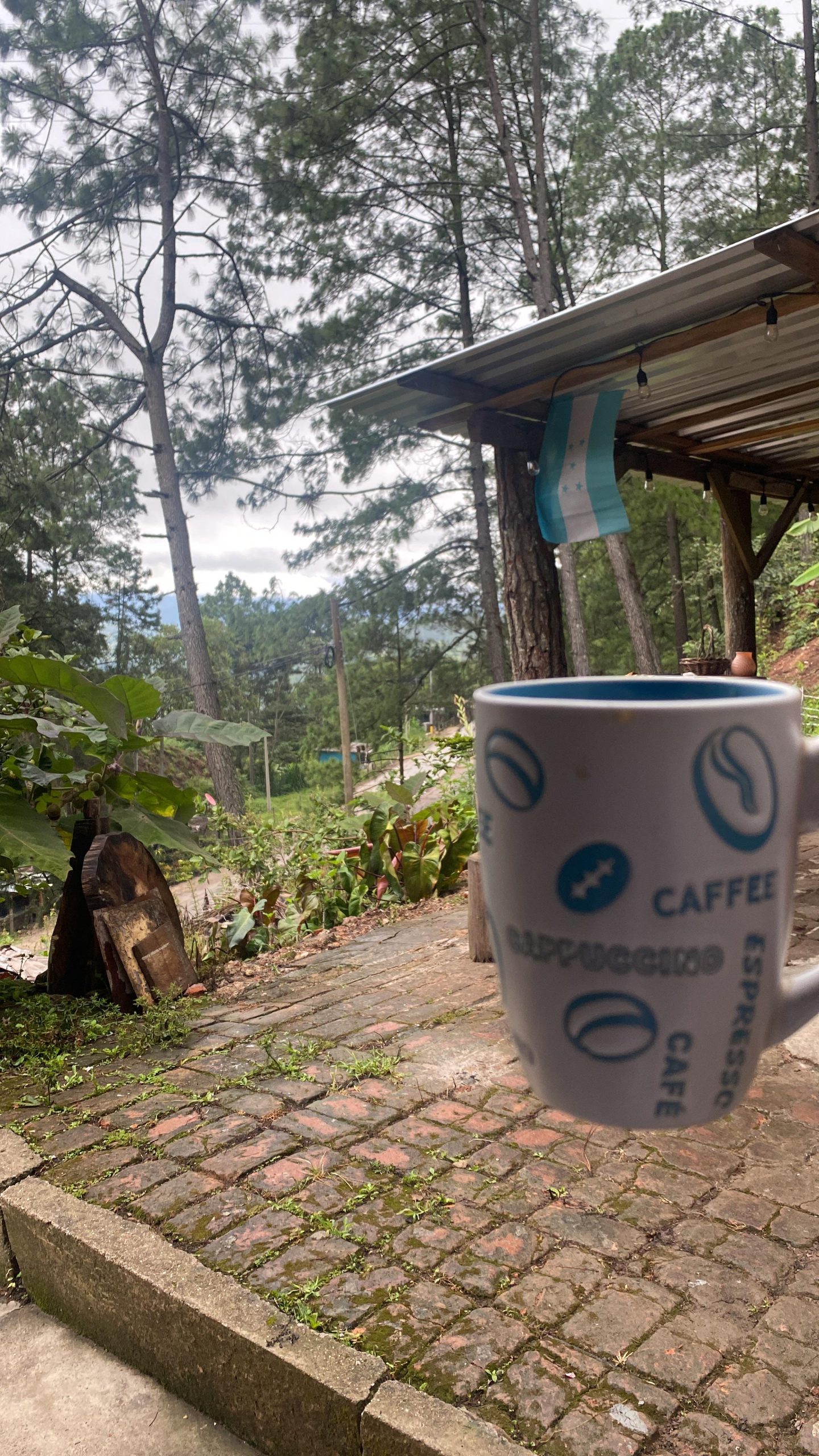
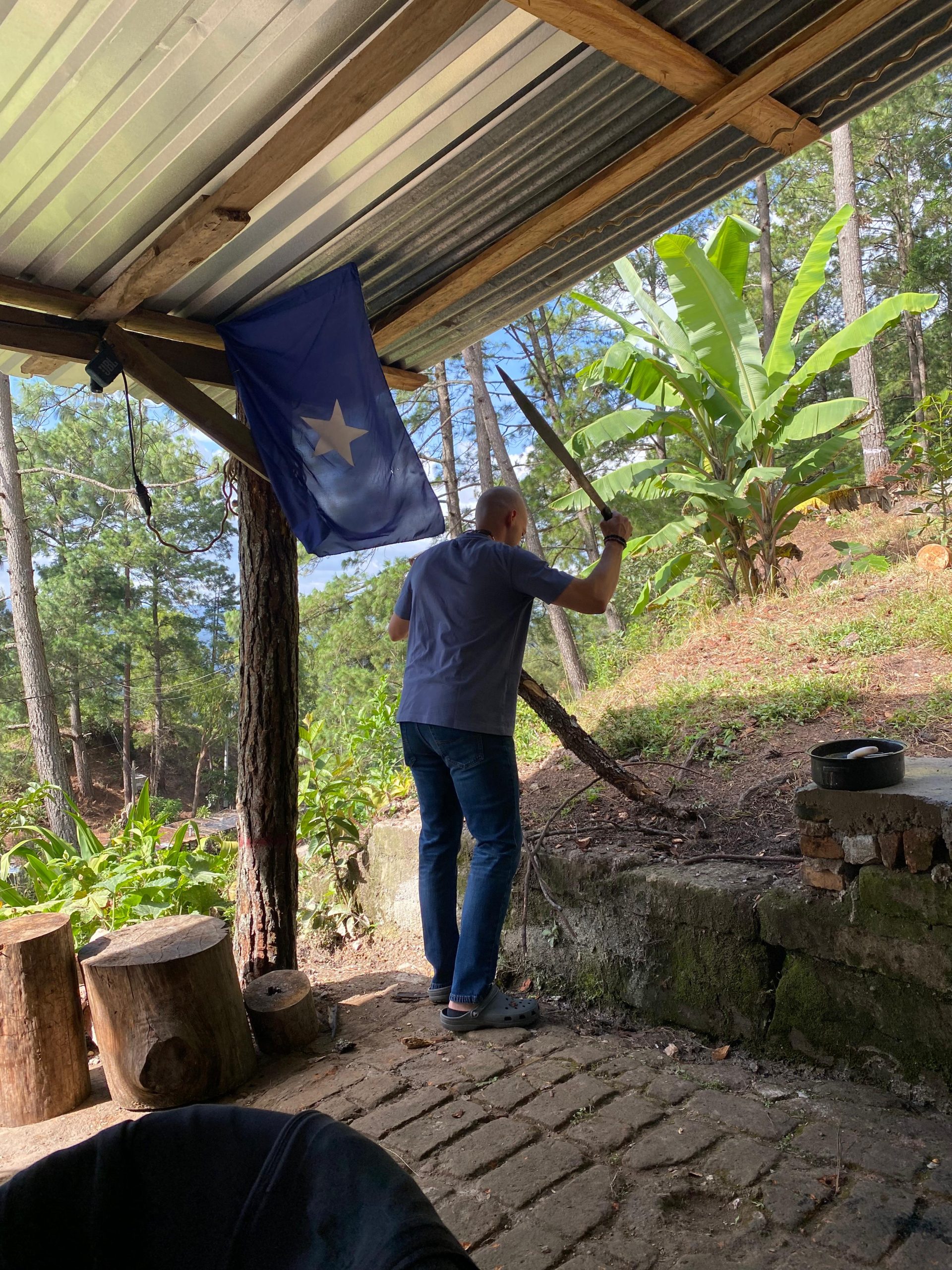
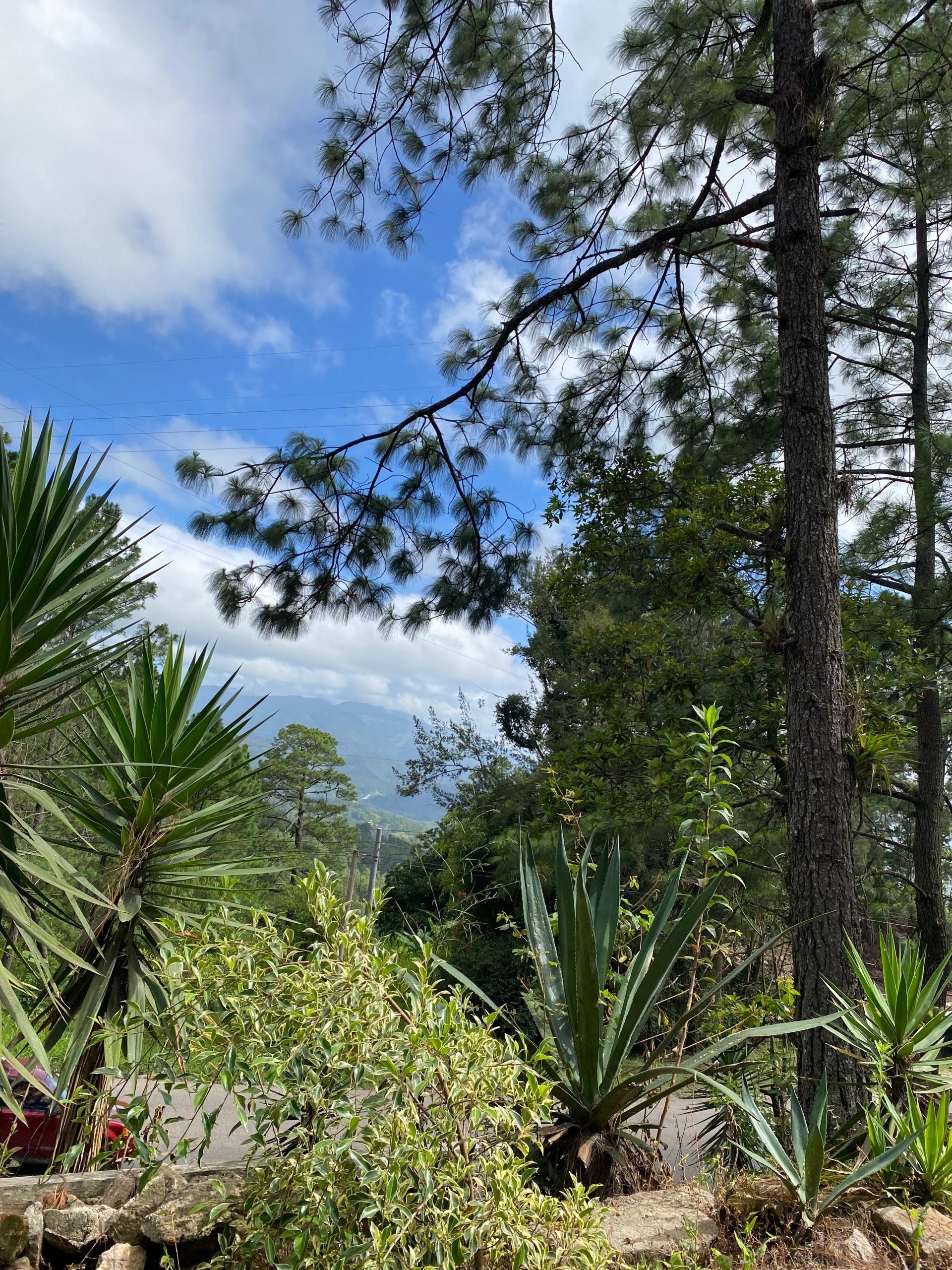
Rolando and his father live in a cabin in the Uyuca Ecological Reserve, an imposing mountain at 1,600 meters above sea level in the eastern part of the country and the lung of Tegucigalpa, 15 kilometers away. The famous Pan-American Agricultural School Zamorano is located there, and its store sells the best meats in the region. The landscapes, like most in this beautiful country, are incredible.
Our client—who, as of this trip, is a great friend—the Dominican Jisset Amarante of Cigars Doña Jisset, joined us during the tour and was received with great affection and joy by Patty and Rolo, who are hosts unlike any I have ever known.
We arrived at the cabin at the foot of the mountain in the early morning on Sunday. The next day, we went to the Zamorano store, which is run by students of the Agricultural School and whose meat and products are prepared and sourced from the school itself. Jisset arrived later with Gaby, Regis Sr., and Regis Jr., father and son who are also the Financial and Commercial Directors, respectively, of CRS Tobacco Group.
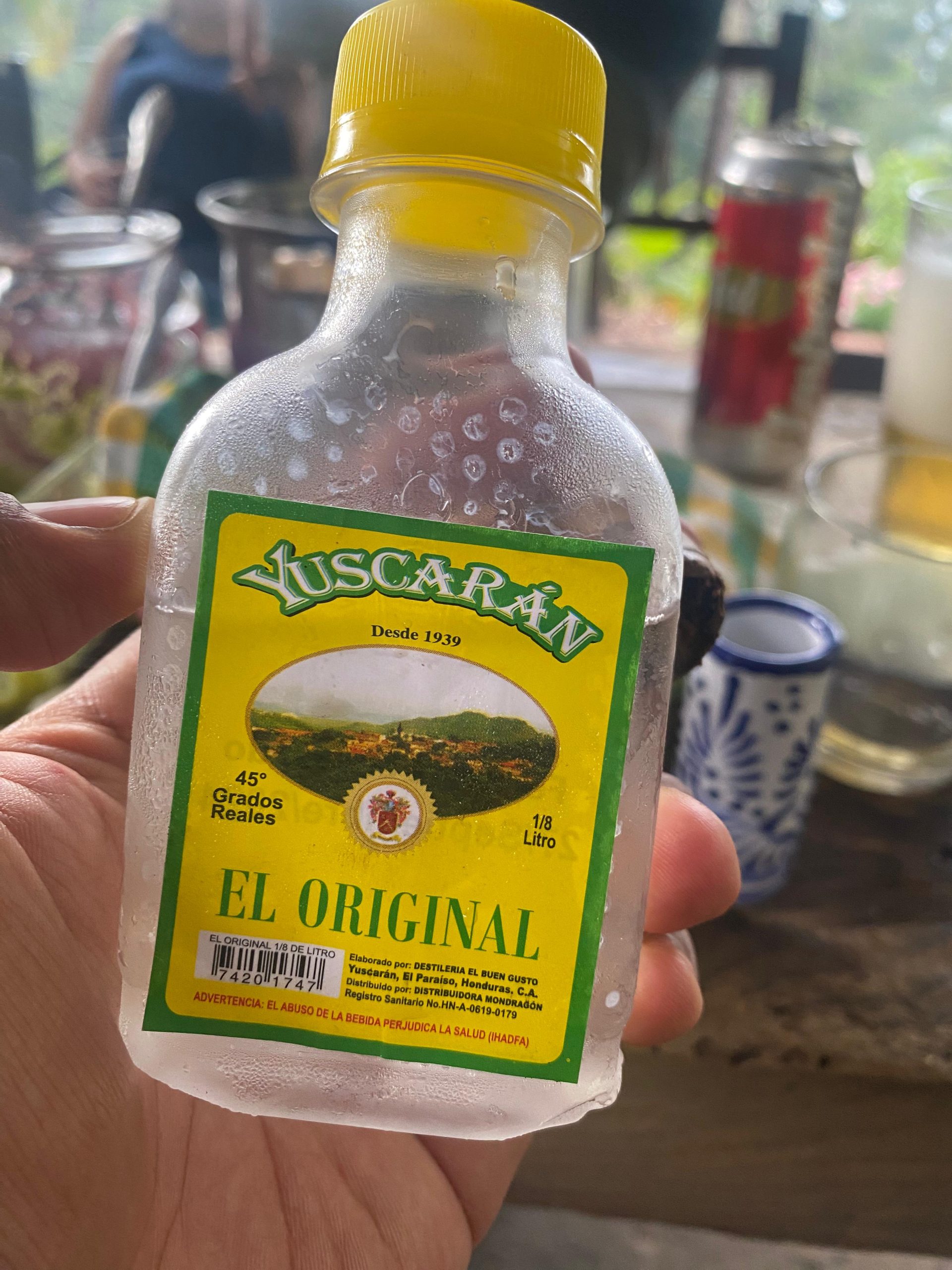
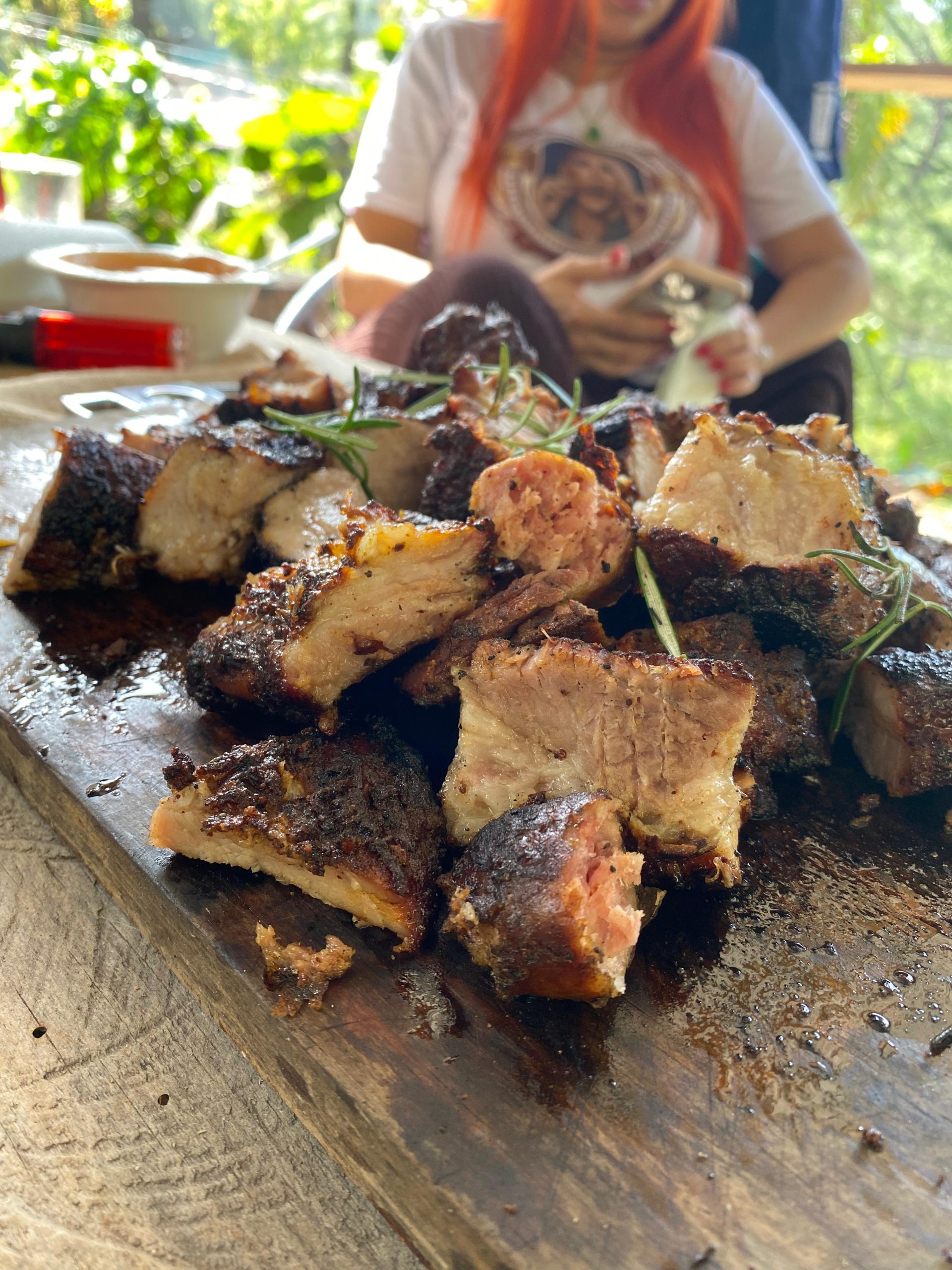
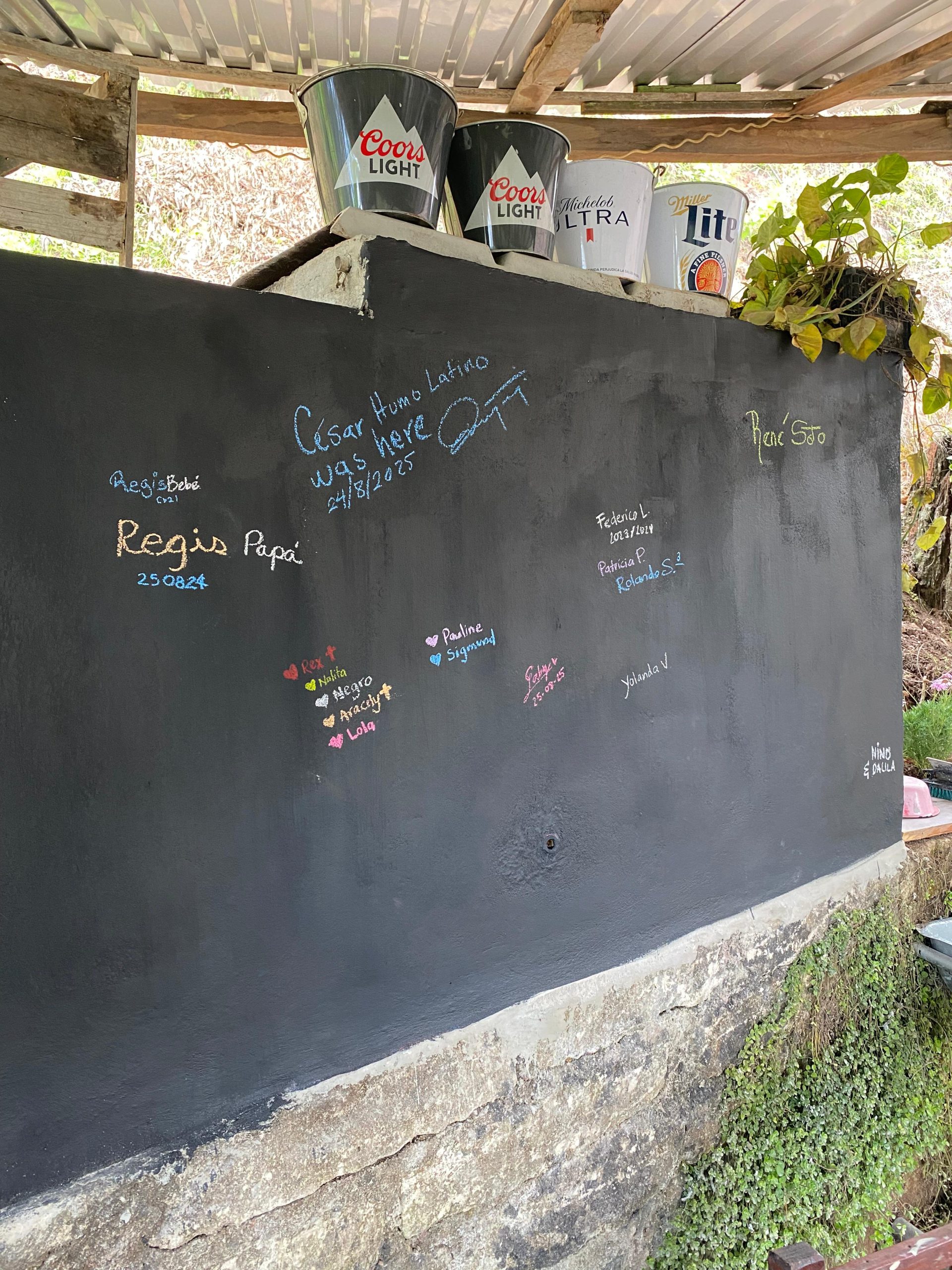
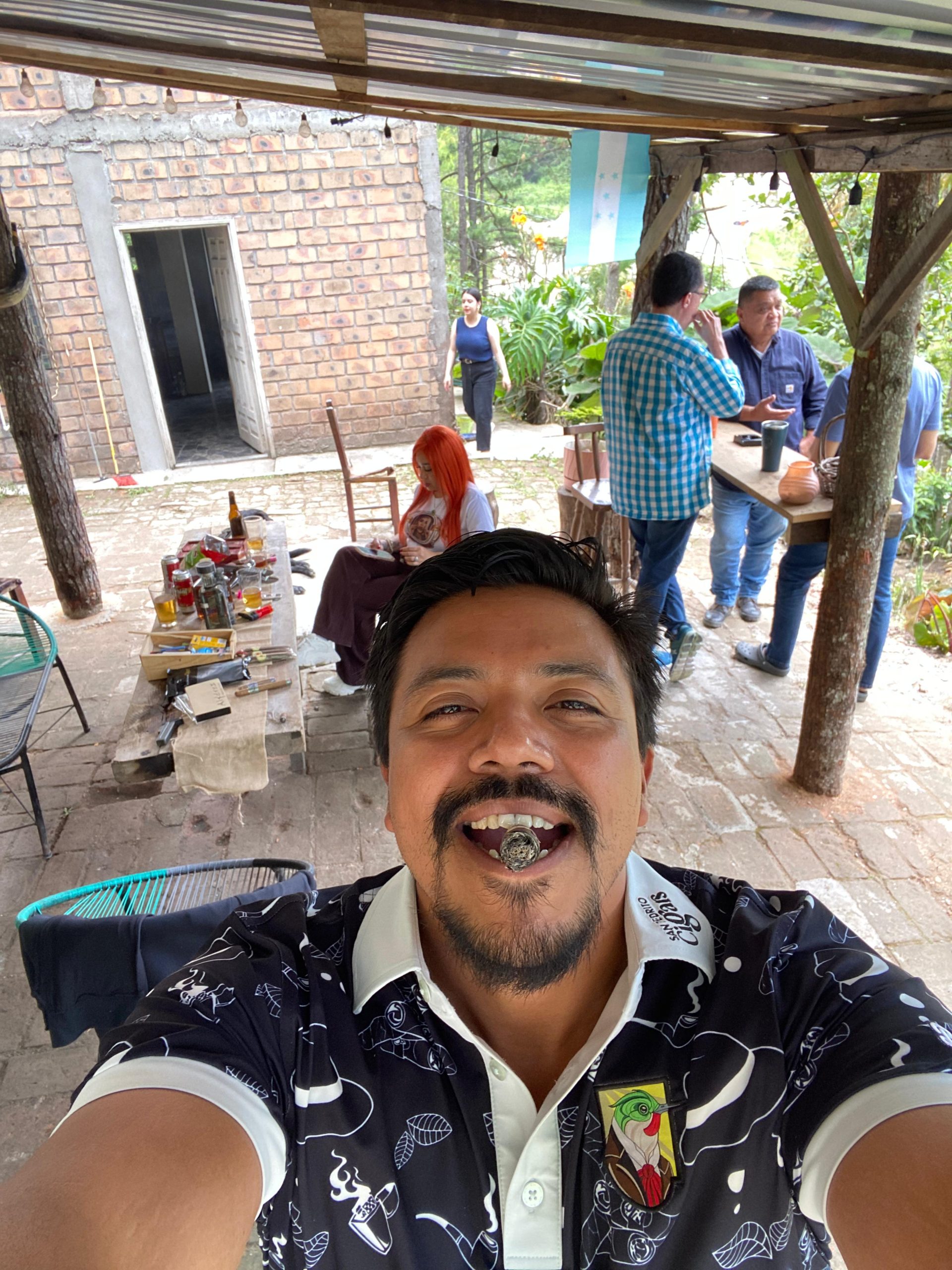
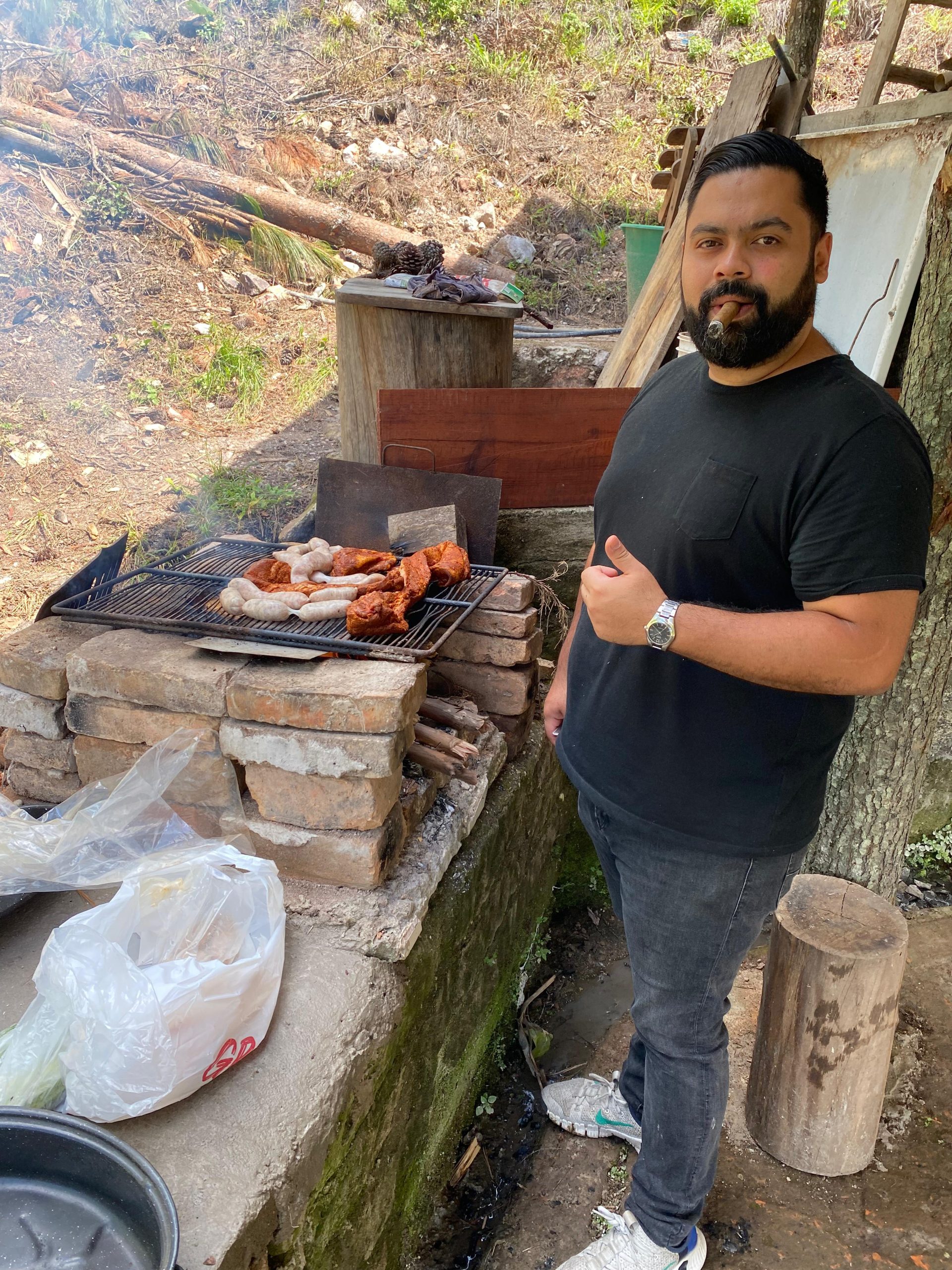
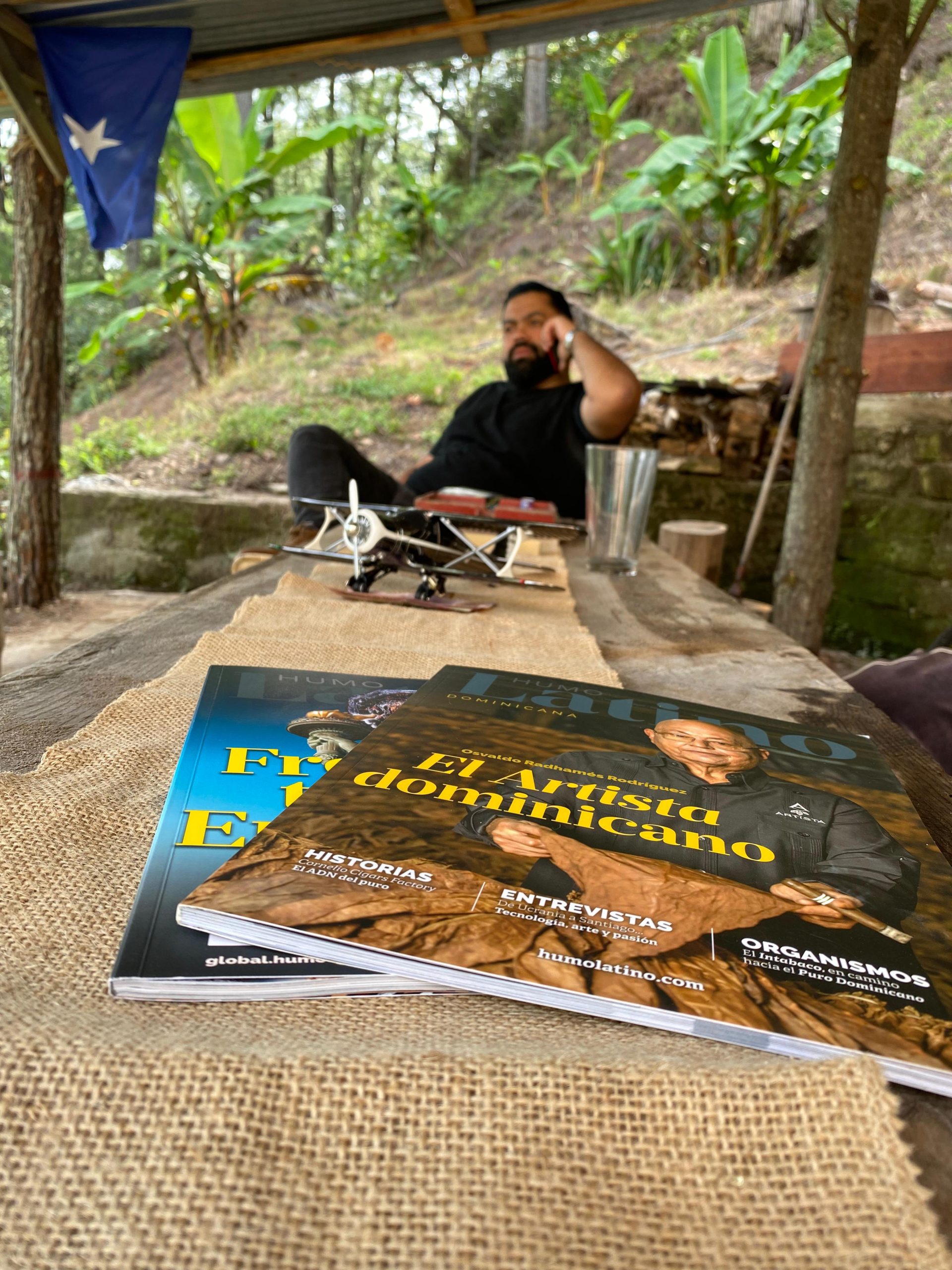
Rolando is a lover of fire and, above all, of embers crackling over juicy meat on the grill. So Sunday was a 12-hour feast during which we enjoyed what Borges called “the quiet adventures of dialogue.” We shared time with the entire company team, except for Federico Londoño, who serves as the Operations Director from Colombia.
The character, the person, and the human being are more or less how Rolo divides people. And when those three elements don’t change—that is, the three are one and the same—on social media, in person, and in daily life, that person is authentic. And everyone on the CRS team is like that, with an undeniable bonus: they are also good-hearted people.
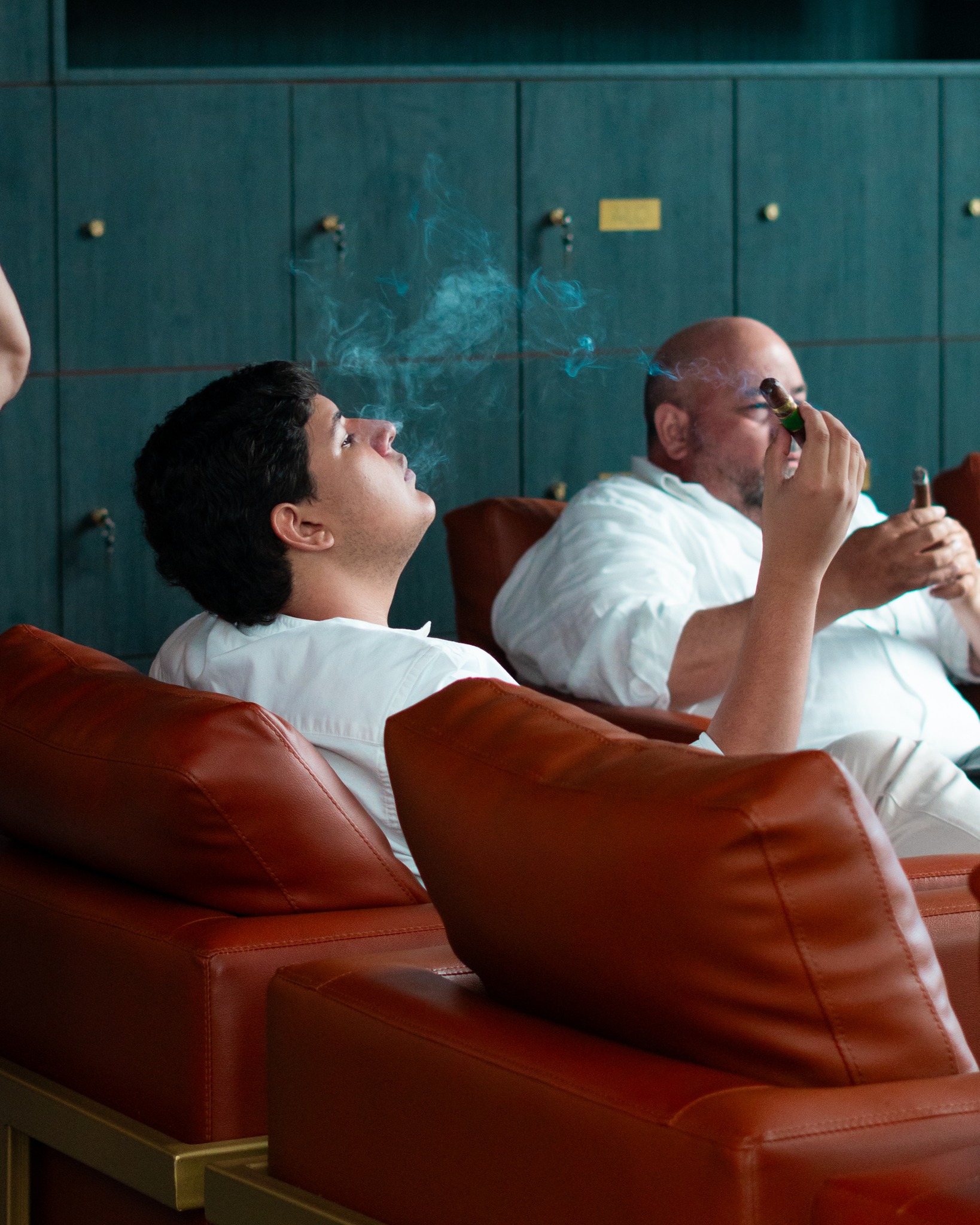
That day, if there was anything in abundance besides food, it was laughter, drinks, beers, cigars, and anecdotes, as well as the good feeling that a moment leaves you when you know you could tell your grandchildren about it.
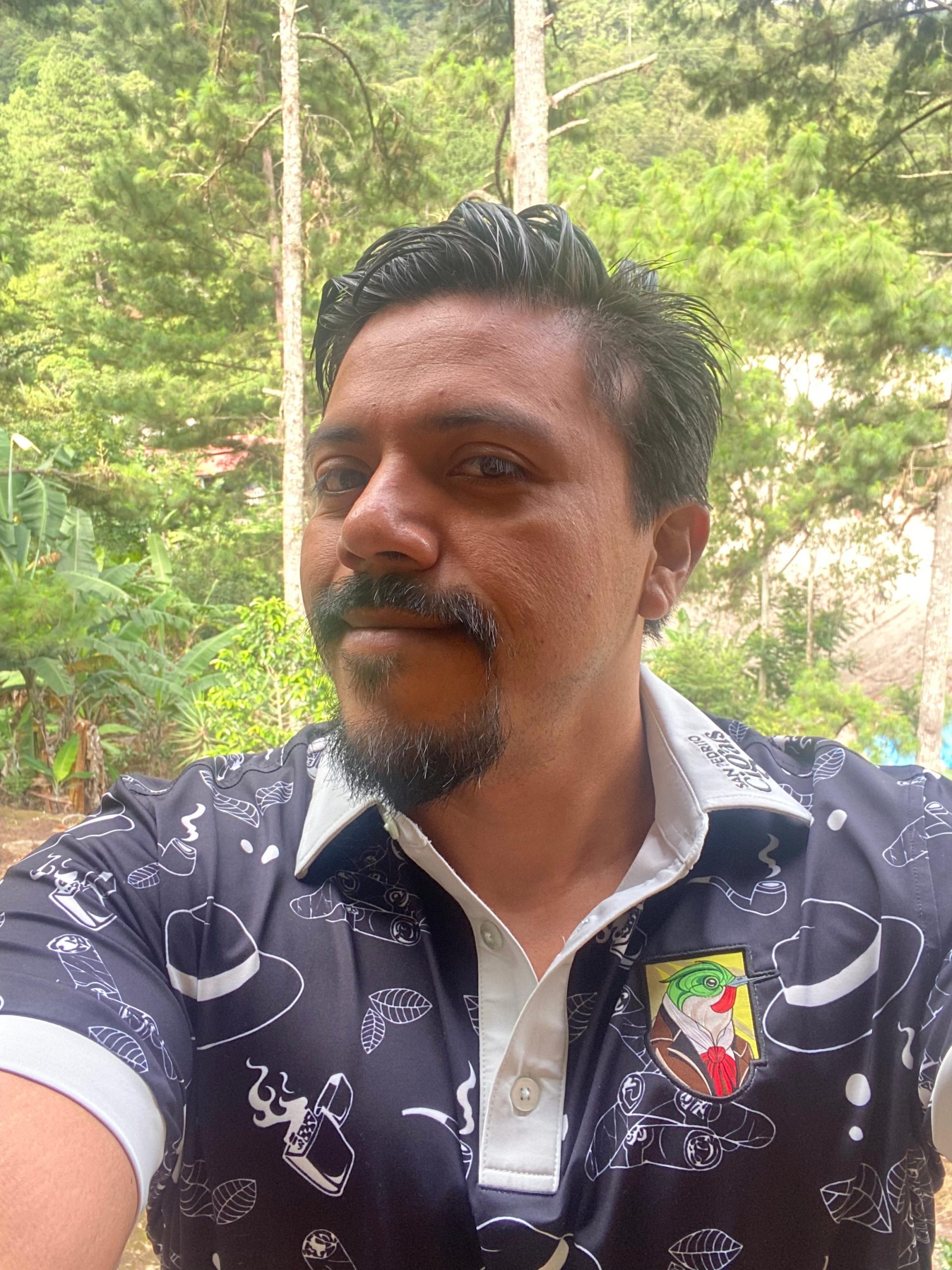
Especially because I’ve known Rolando for about five or six years and Patty for over three, and we’ve shared many drinks, smokes, interviews, and long calls, but this was the first time we had seen each other in person.
By the Numbers
Before continuing with this account, I’ll share some facts about the Honduran industry. The first is that it is home to some of the biggest brands in the international market, which are from or produced in the country. The big companies are Plasencia, Raíces Cubanas, CLE, Camacho, Oscar Valladares, and, as a special mention, My Father Cigars, which invested 20 million dollars to build the largest factory in the region, with over three thousand employees, that began operations in 2024.
Also producing here are Rocky Patel, Cavalier Cigars, CAO, Maya Selva, Alec Bradley, Flor de Copán, and Gran Habano, to name a few. There are medium-sized factories like San Jerónimo, which in addition to producing private-label brands, houses the country’s largest production of cigar boxes in its facilities, as well as San Judas Tadeo. There are also a few small factories like Ferrera Cigars.
Honduras has grown substantially in recent years, and although its exports dropped to 67.3 million cigars in 2024, in the first quarter of 2025, it recovered, growing eight percent compared to the previous year. And in the last two years, but especially since 2024, it has completely dominated the minicigar sector in the United States, with an explosive growth of more than 300 percent.
Its industry is progressing, and given the current state of affairs, Honduras will likely be the destination for more investment to develop its tobacco sector, which produces many of the main premium cigar brands in the world and is the third-largest exporter to the United States.
The Roads of Danlí
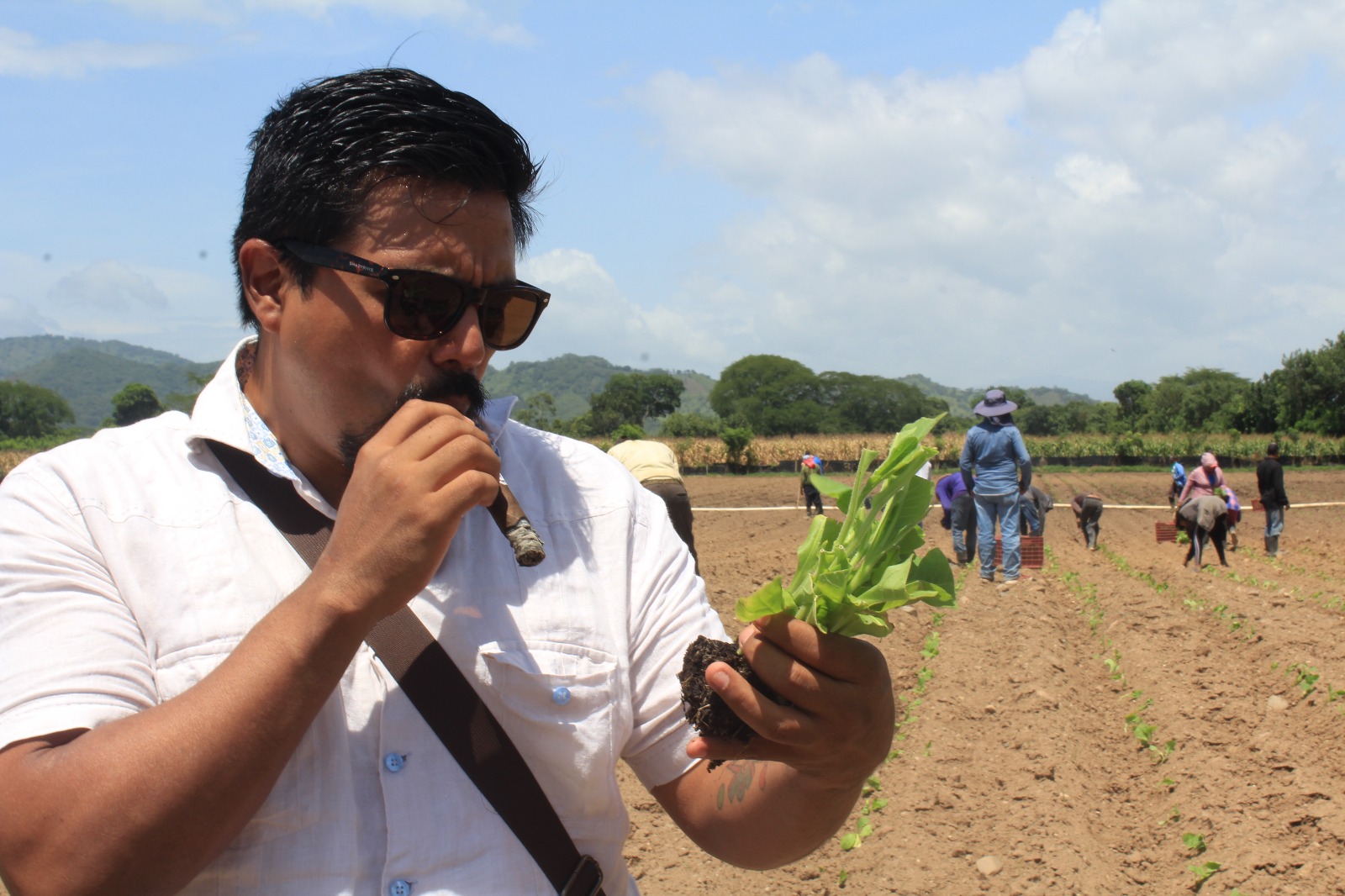
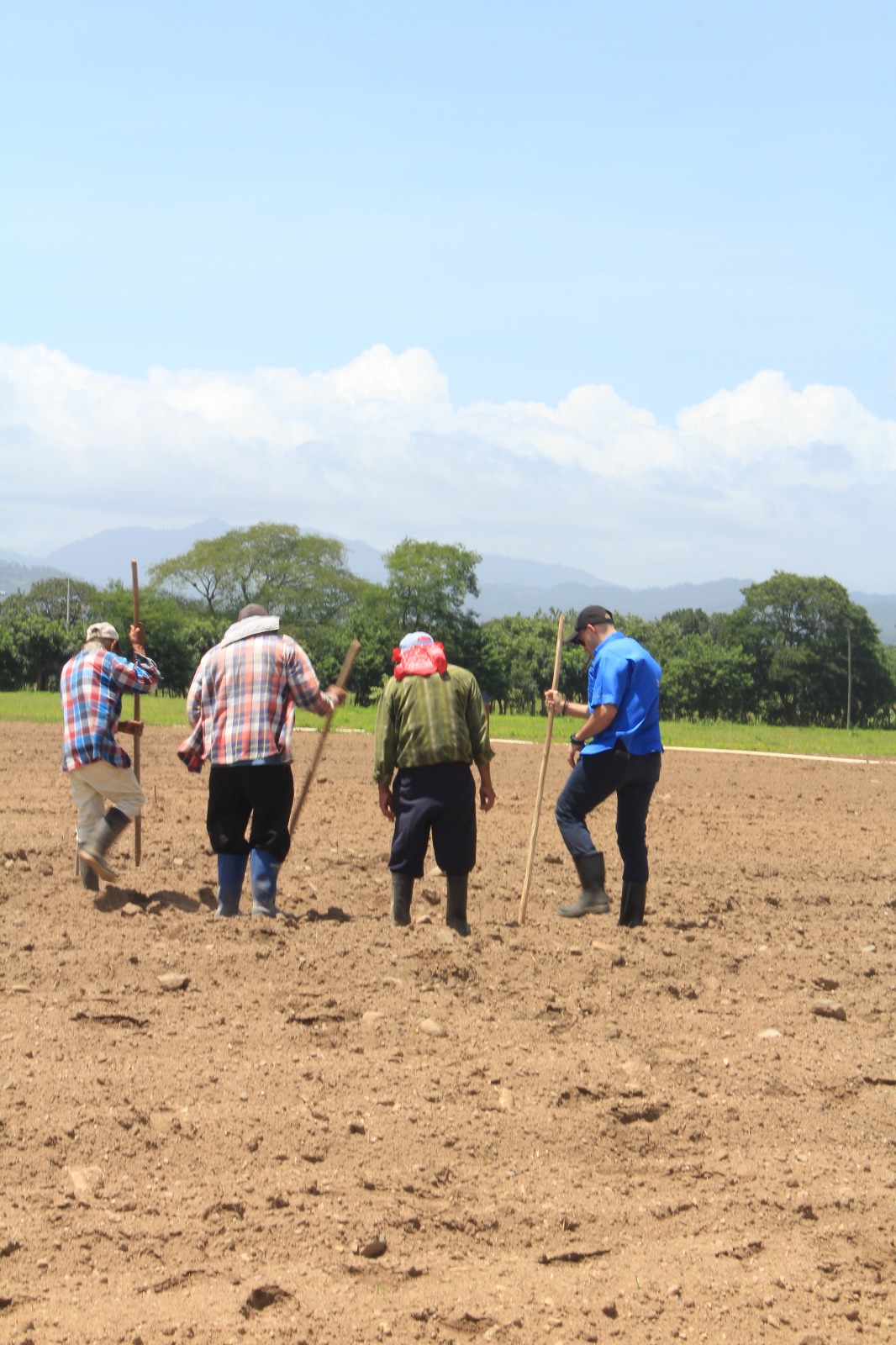
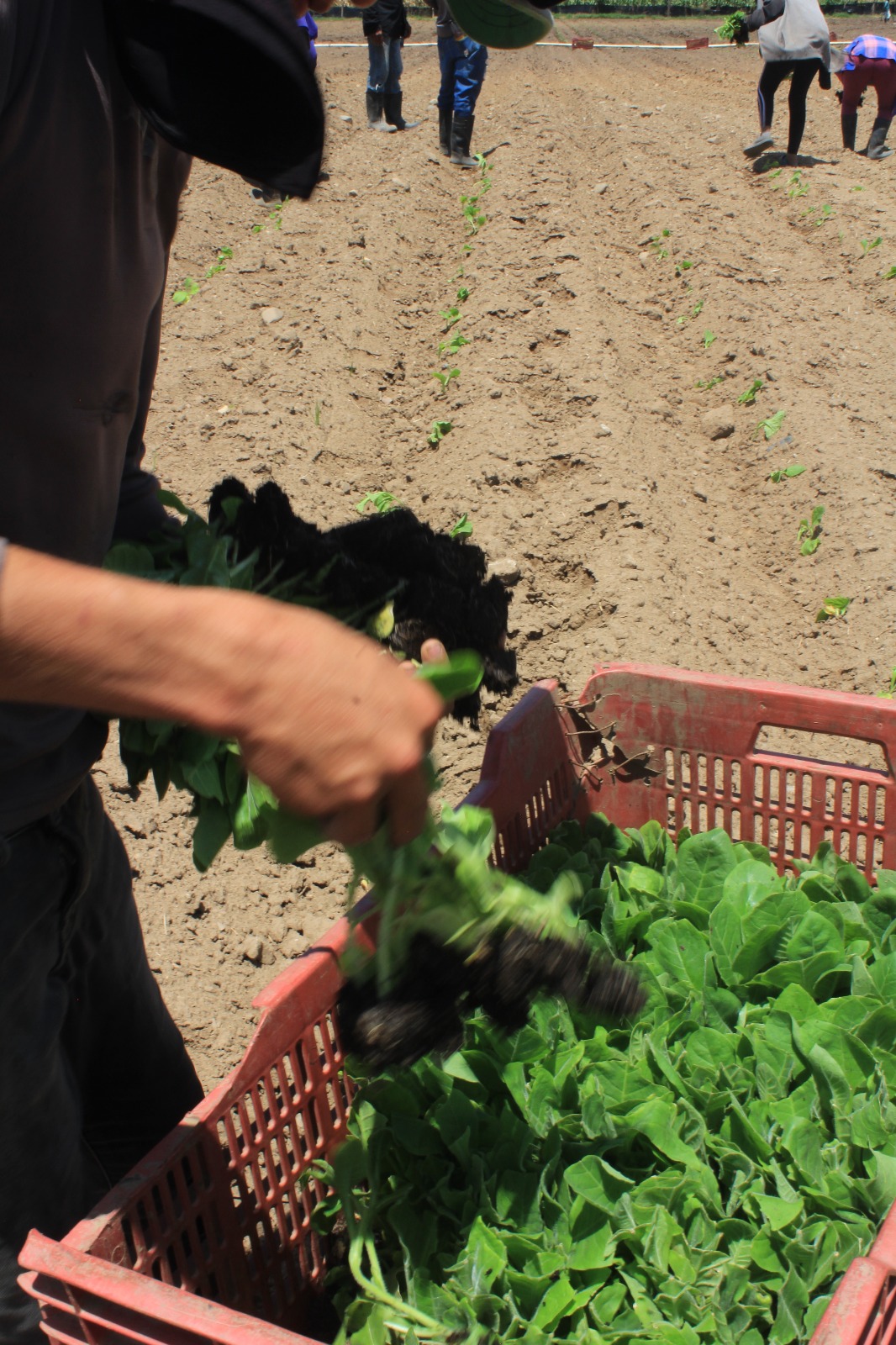
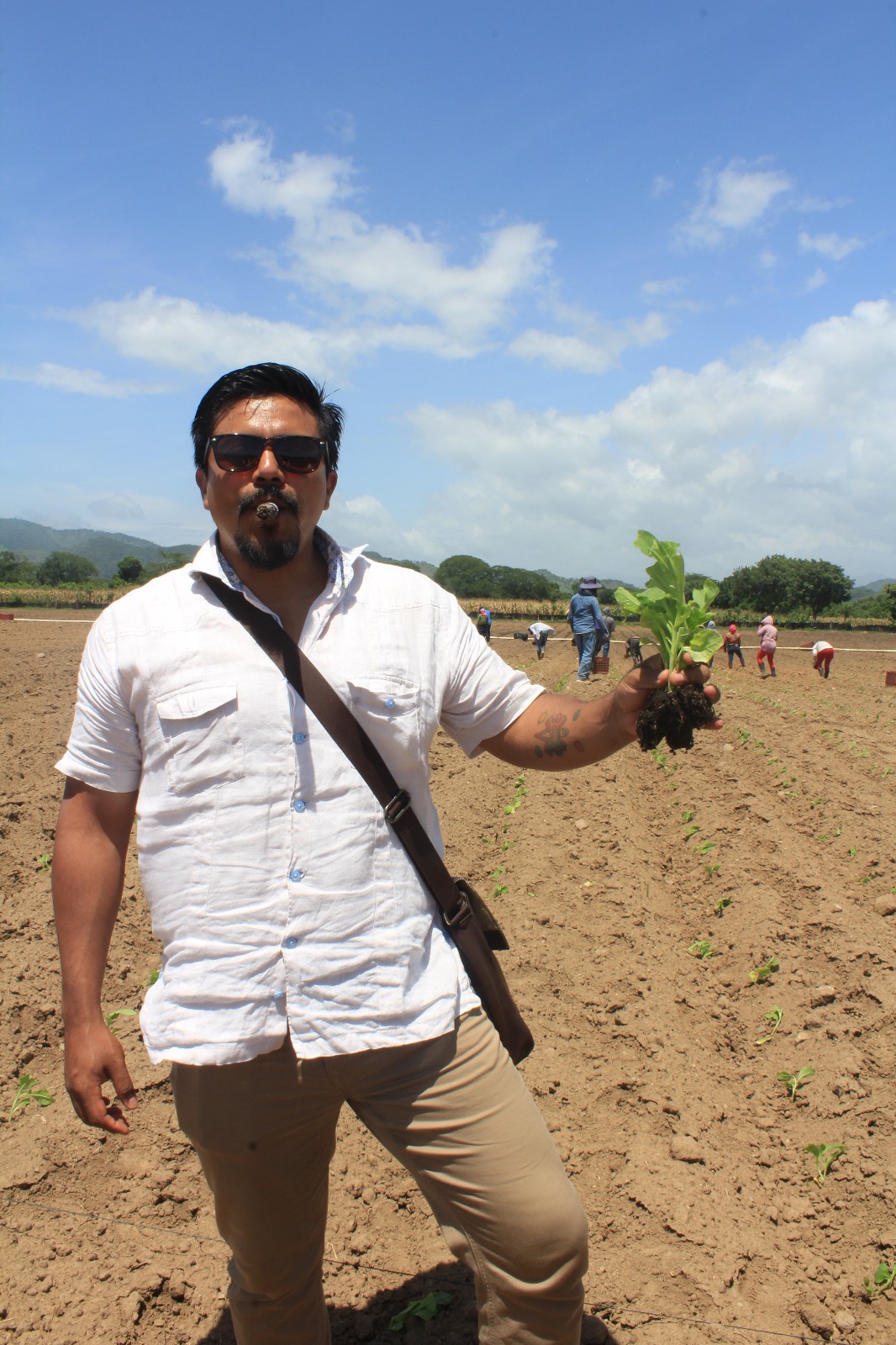
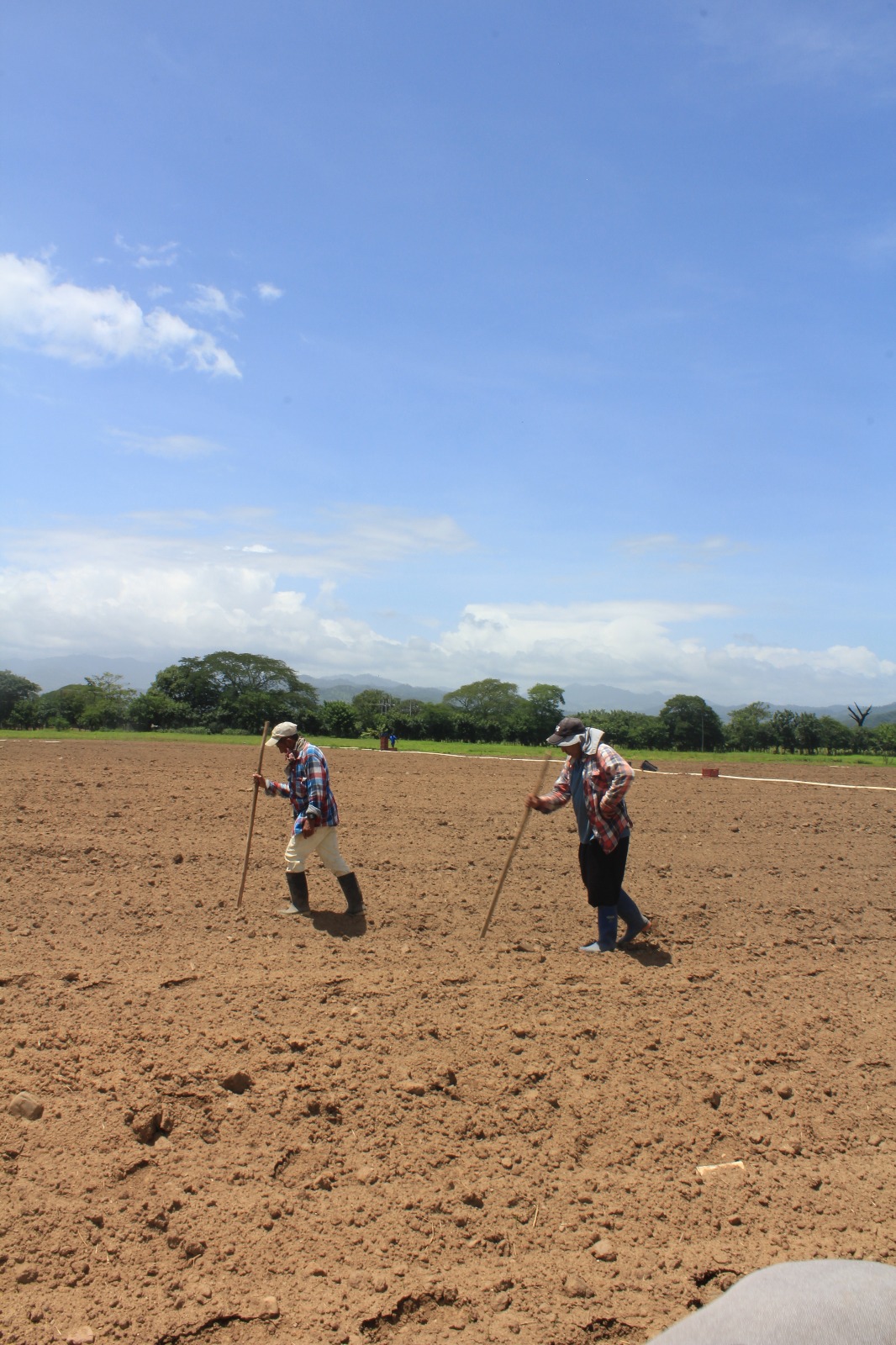
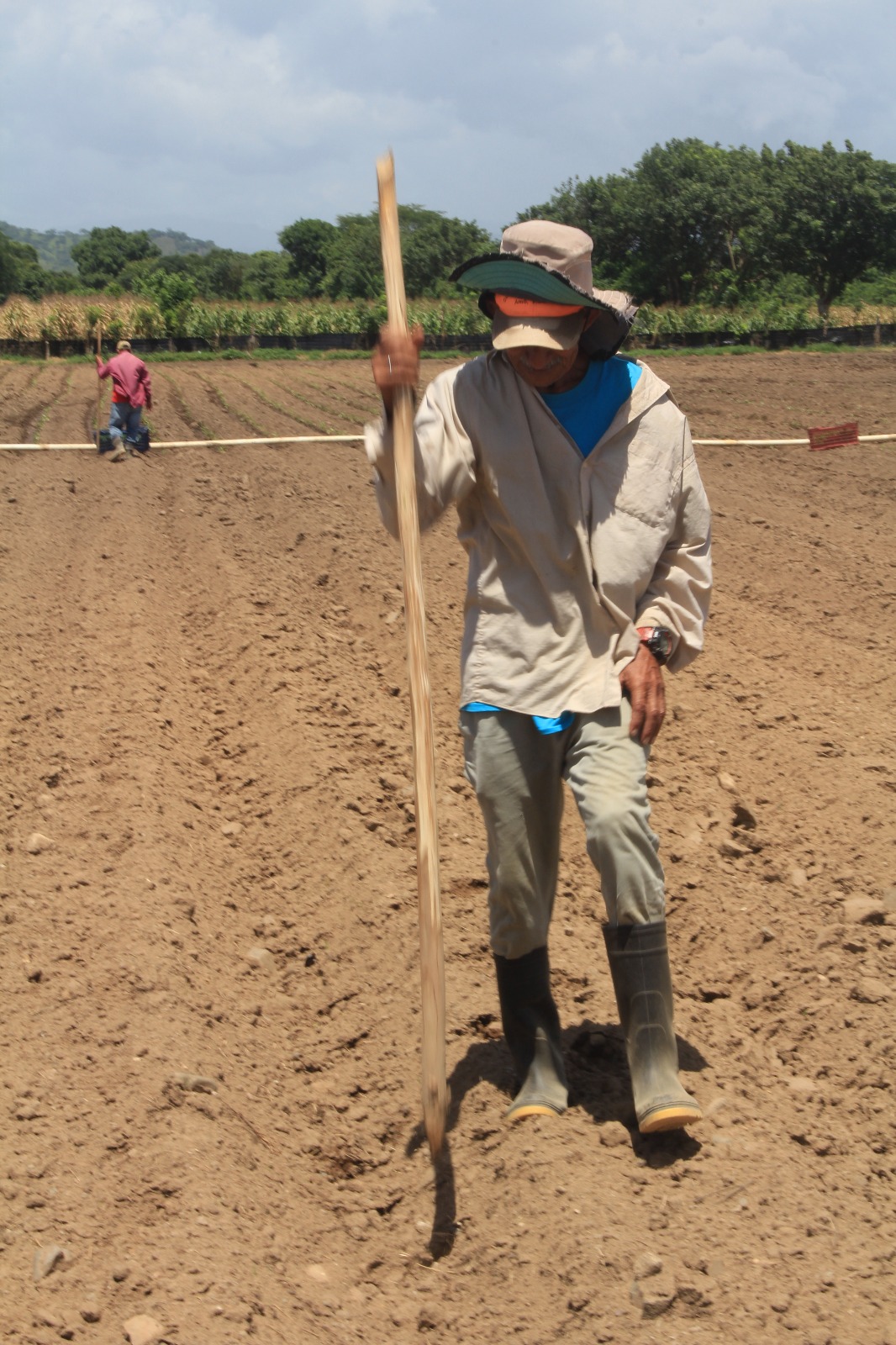
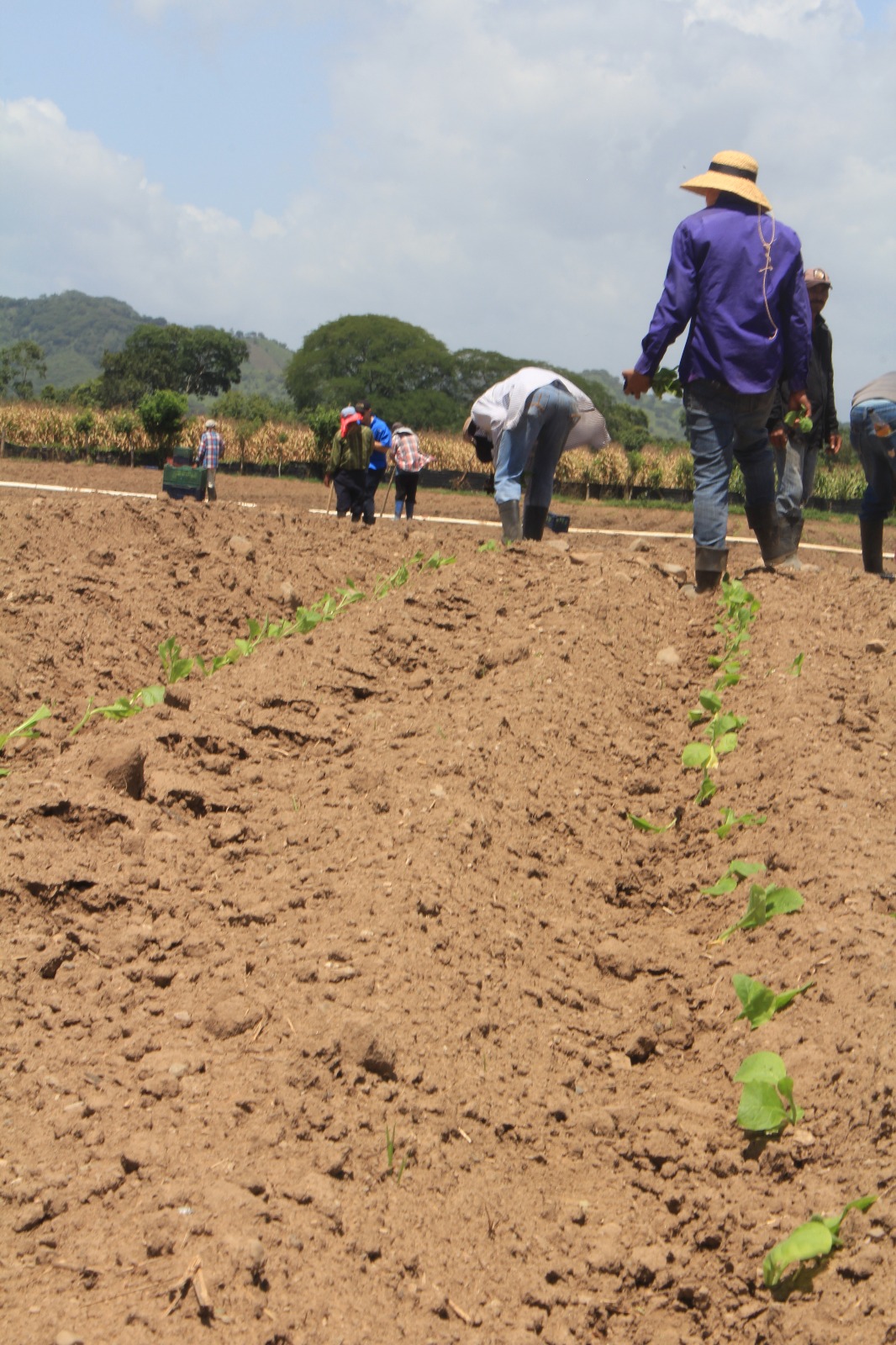
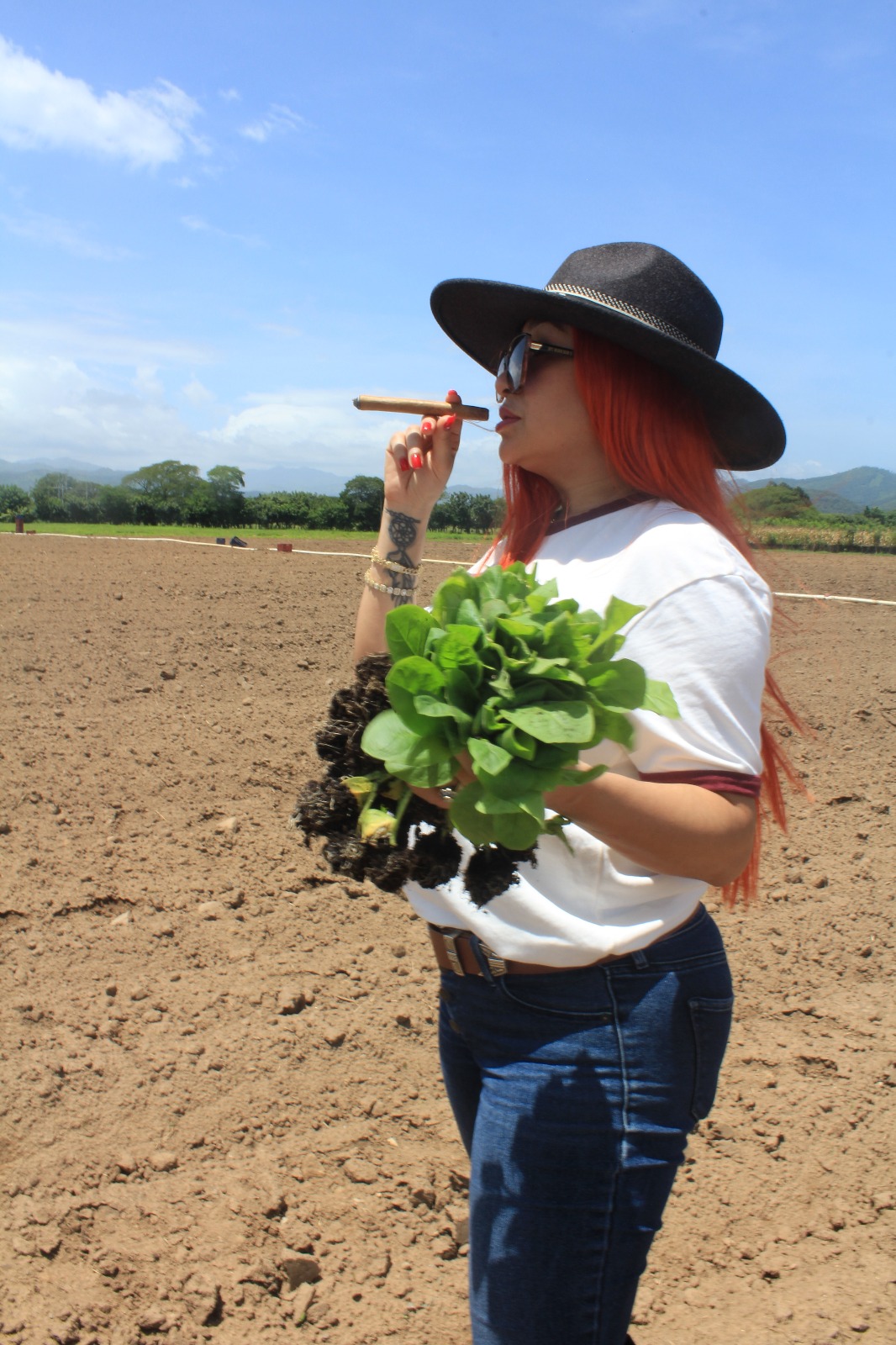
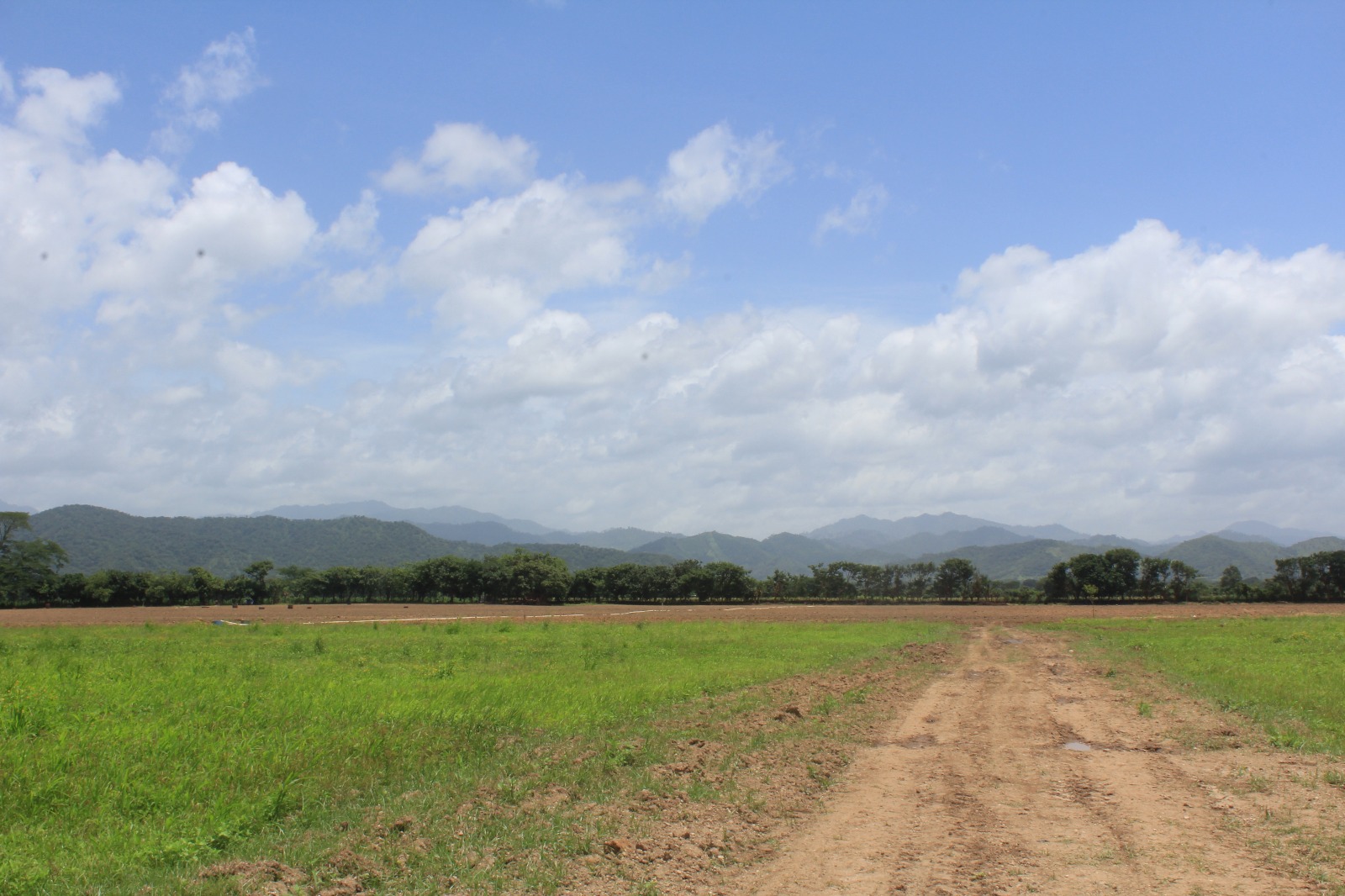
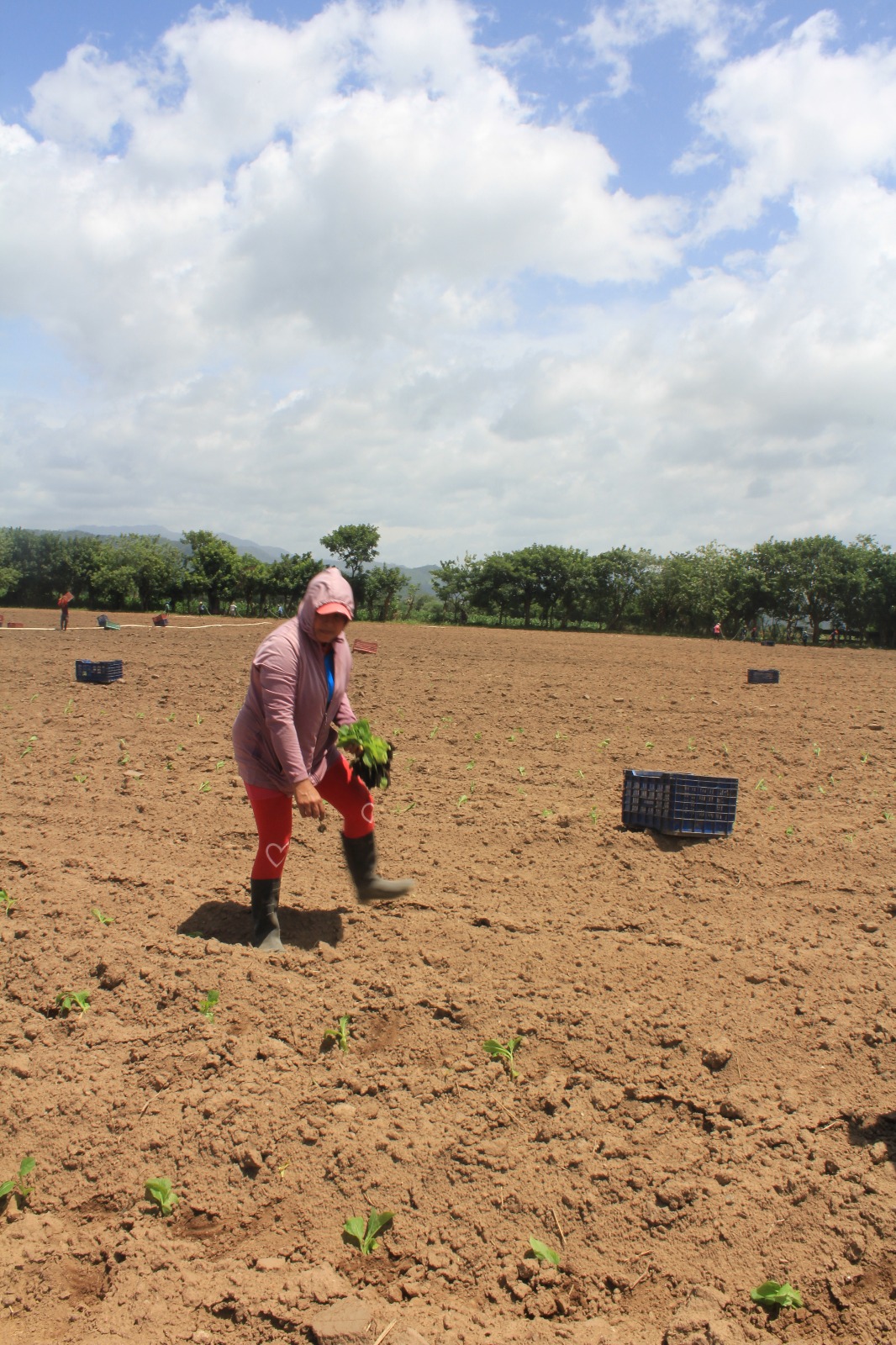
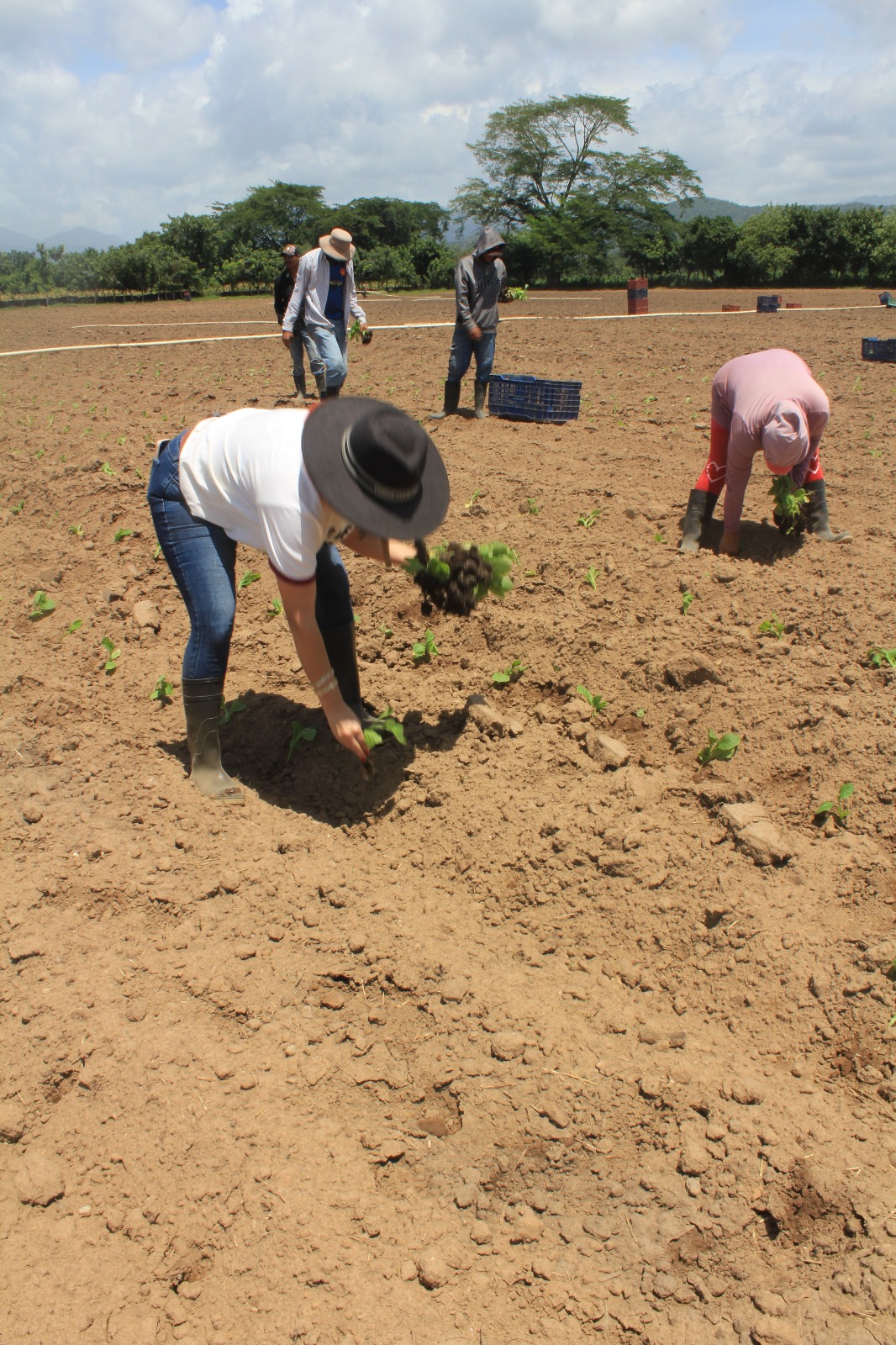
In the Jamastrán Valley, at one of the Raíces Cubanas plantations, among the furrows that would be gradually populated with tobacco, I was able to see and experience the passion and love that Rolo and Patty have for what they do. “It’s the pre-industry phase,” they told me, “the best part of the process, and where a good blend begins.”
Danlí is called “The City of Hills,” and a fact I didn’t know is that it shares its name with the Nahuatl word “xalli,” which is also the root of my hometown’s name, Xalapa, and means “water that runs through a bed of sand.” It belongs to the department of El Paraíso, the tobacco heart of Honduras, where the Jamastrán Valley, the country’s largest planting and production zone, is located.
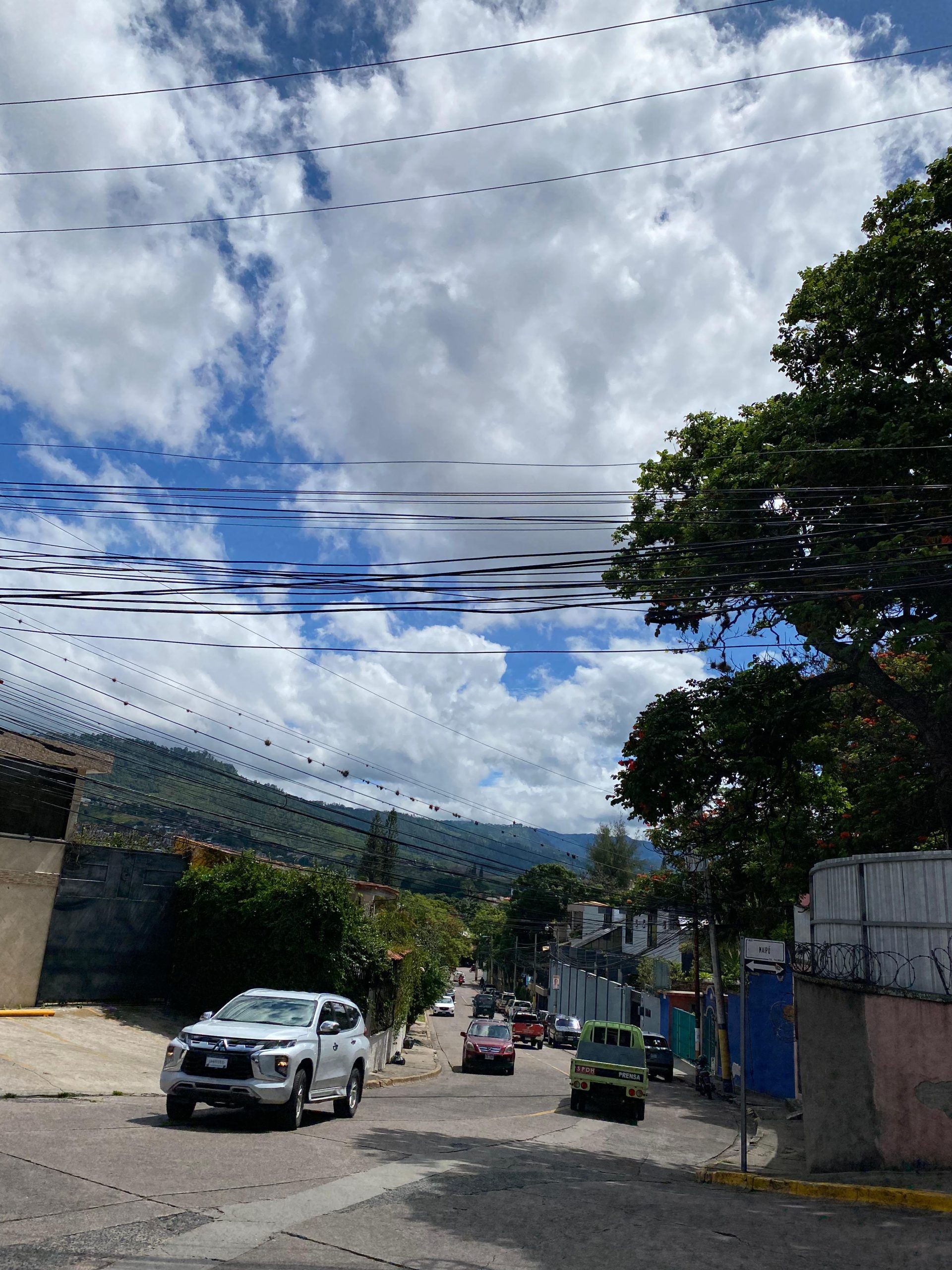
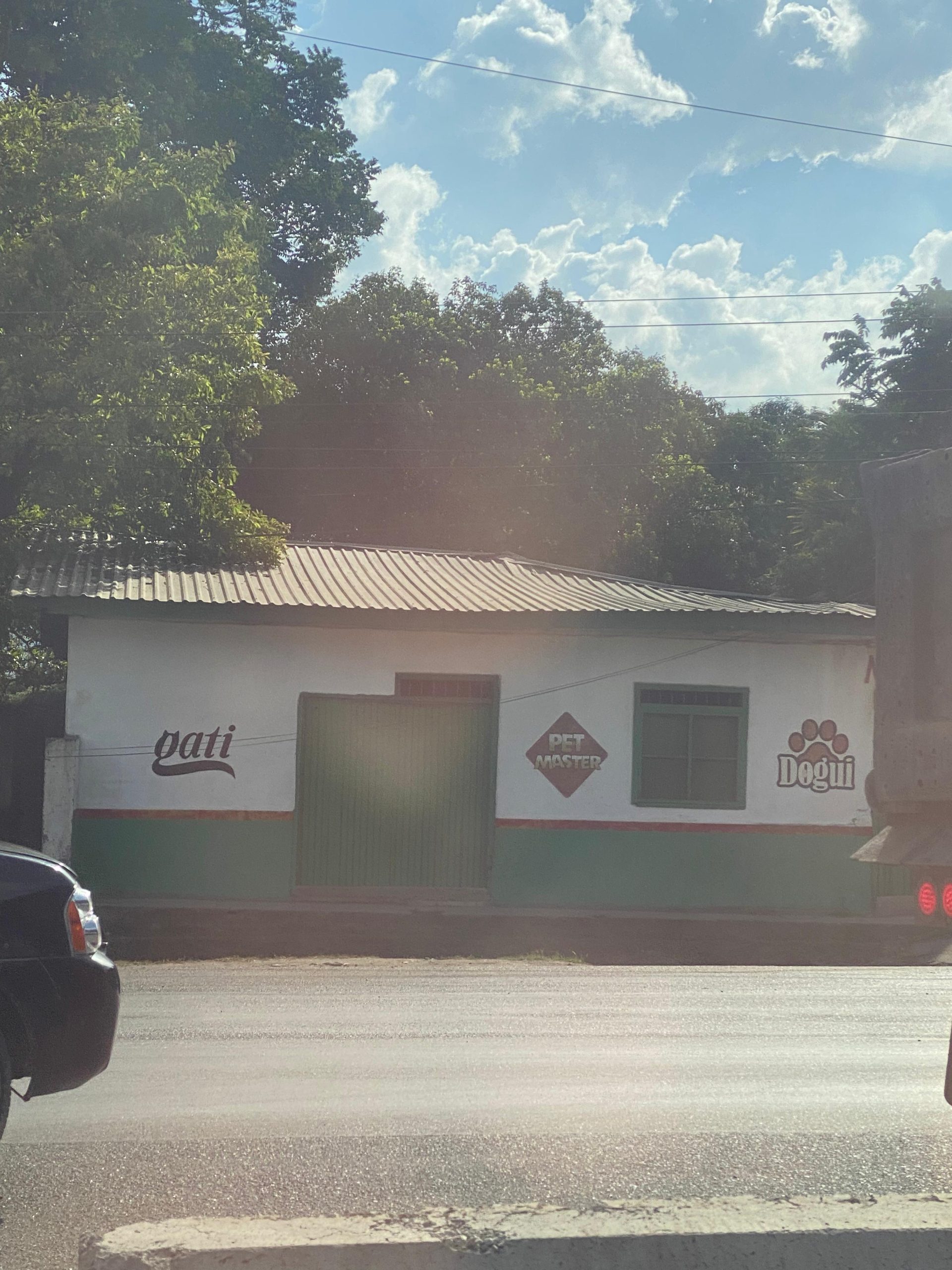
The road to Danlí, like almost all roads in Honduras, is full of hills, pines, tall trees, and beautiful vistas that turn the landscapes into oil paintings… forested Mesoamerican dreams.
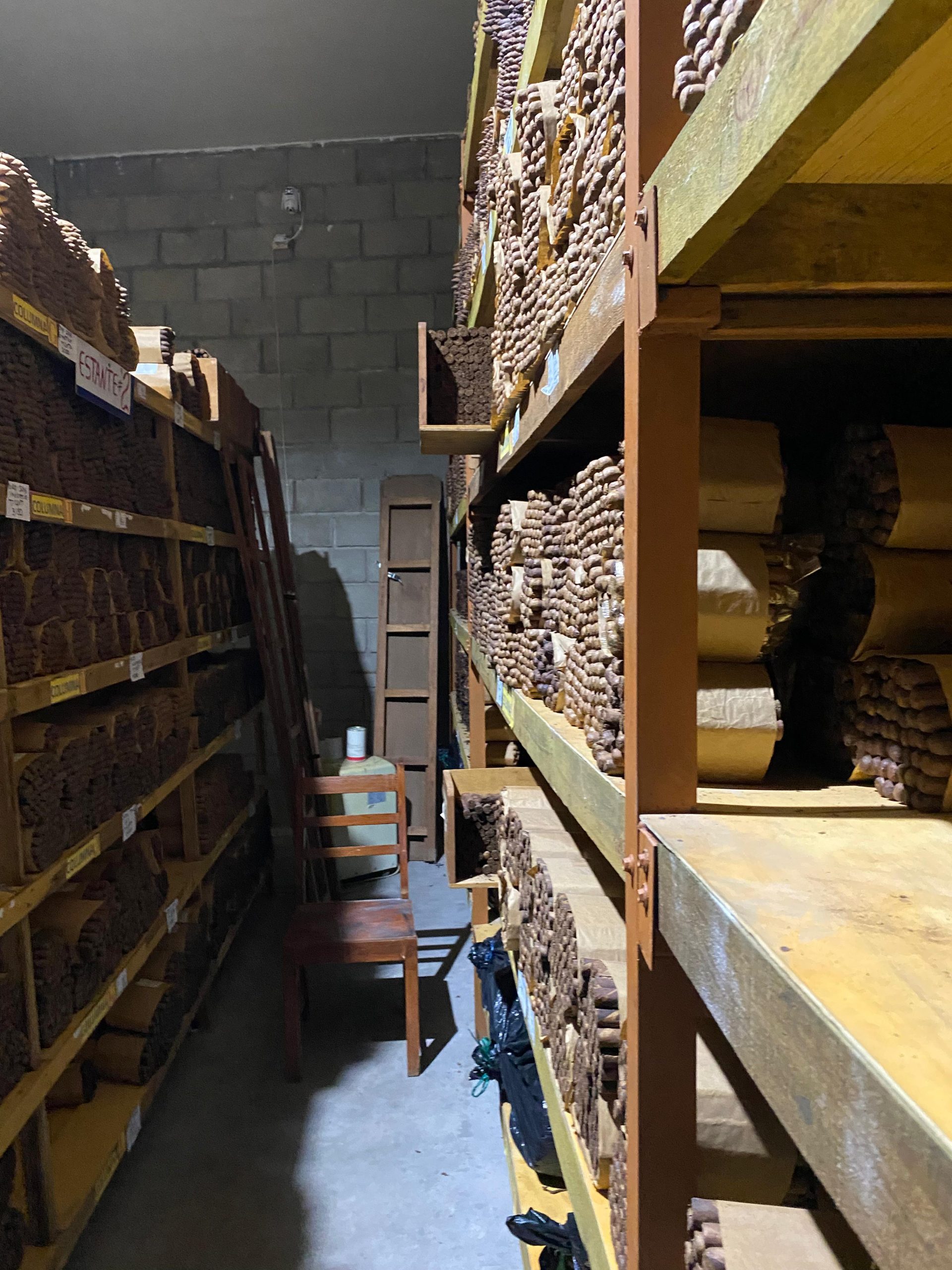
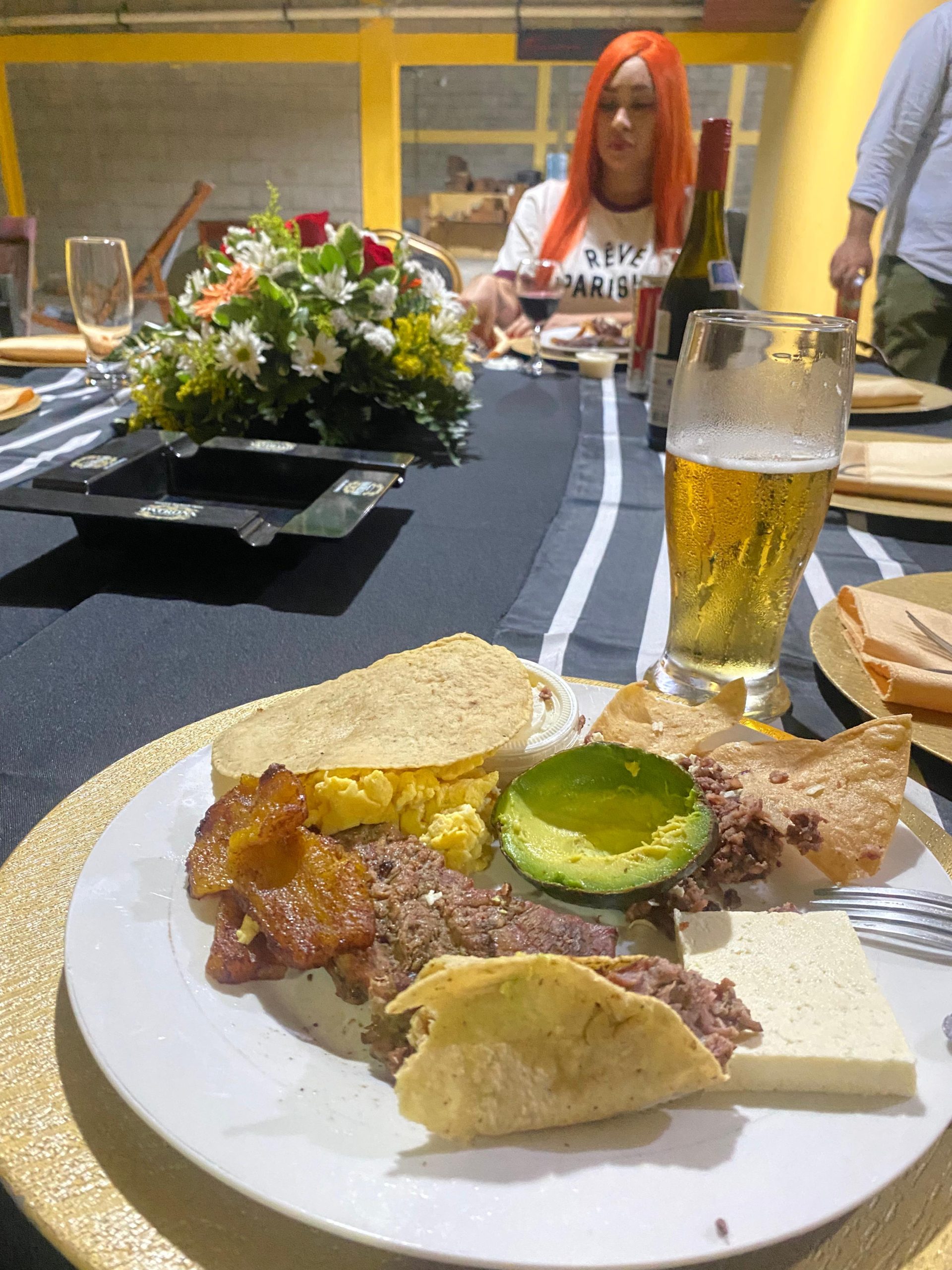
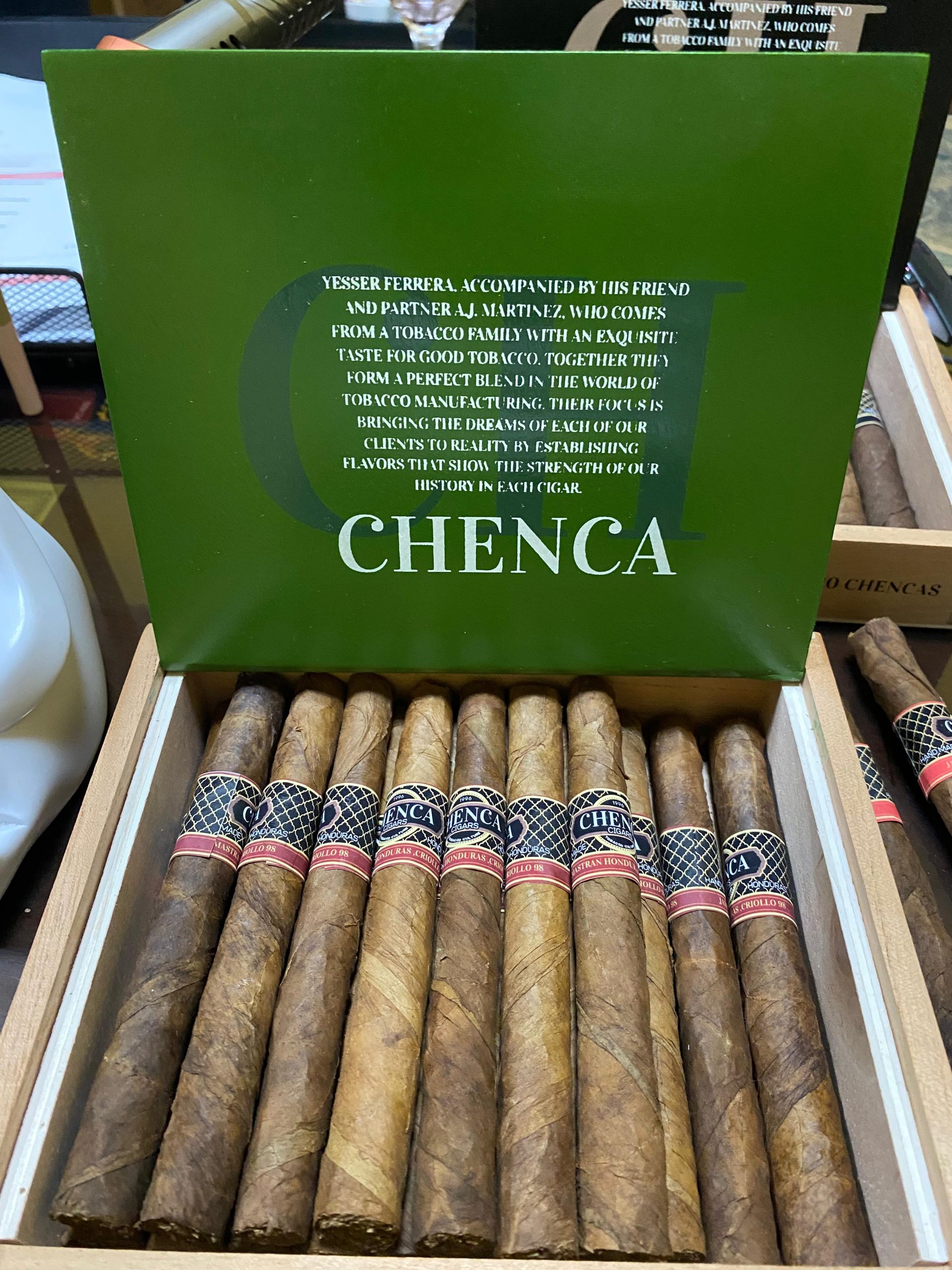
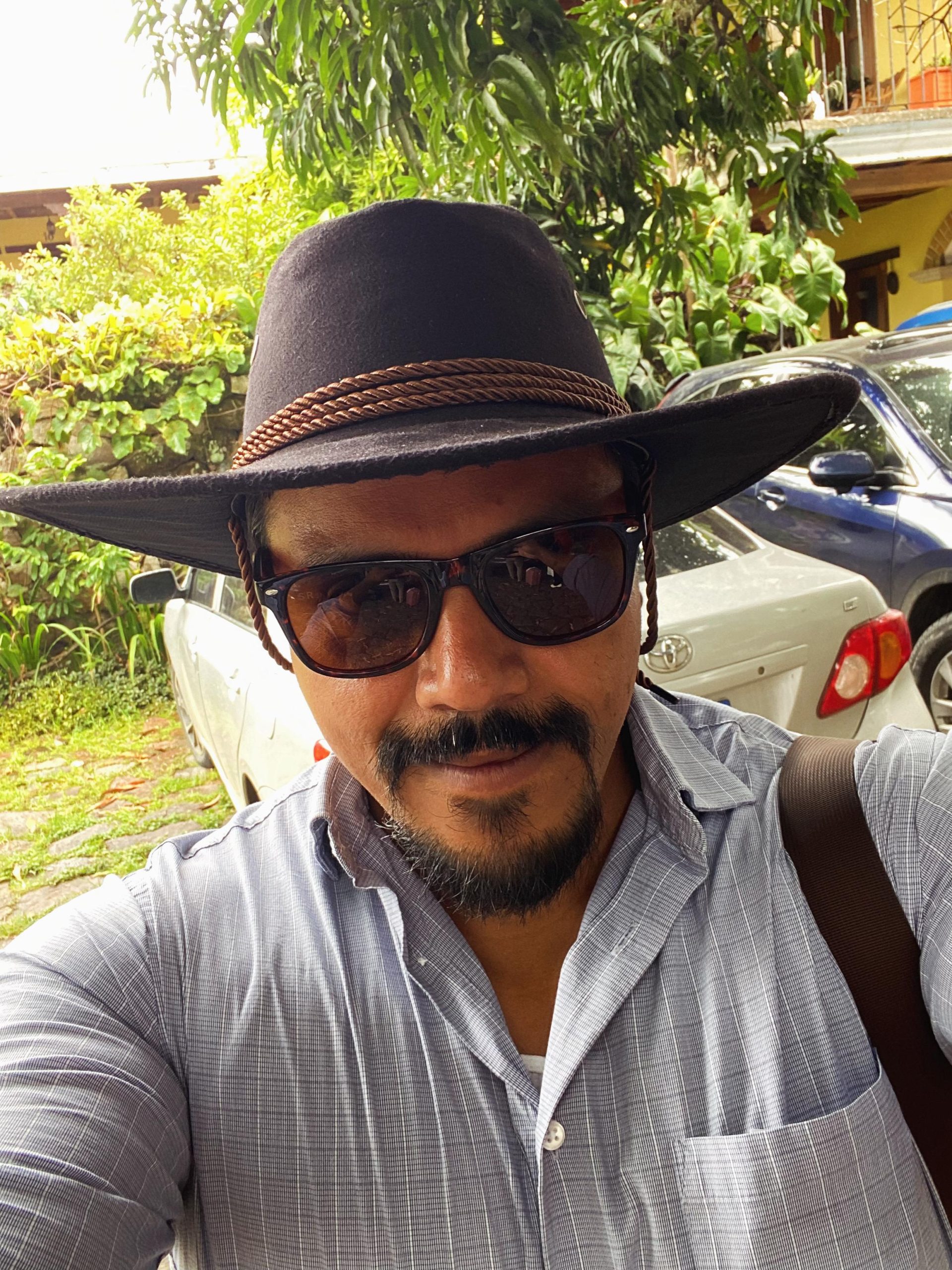
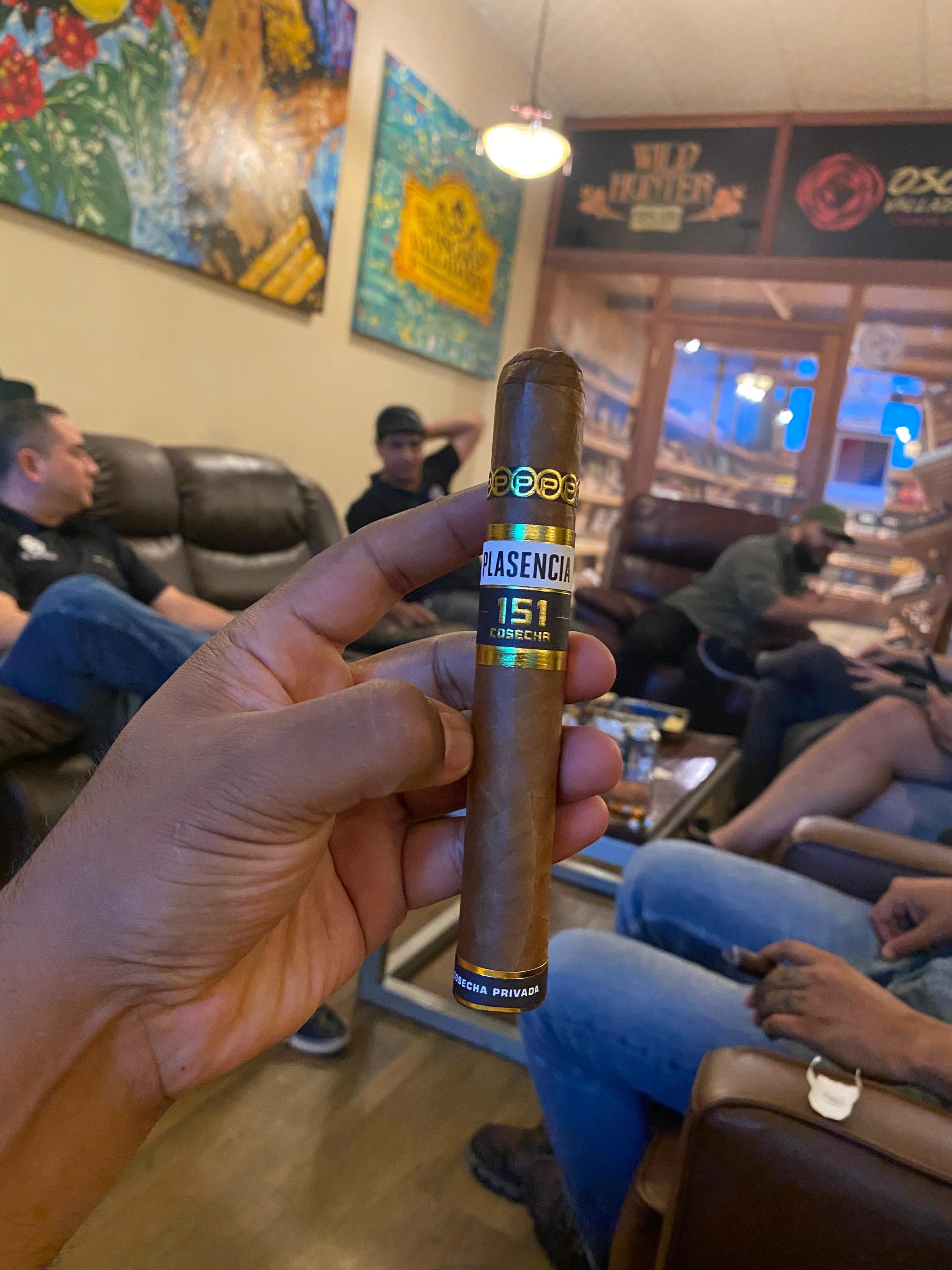
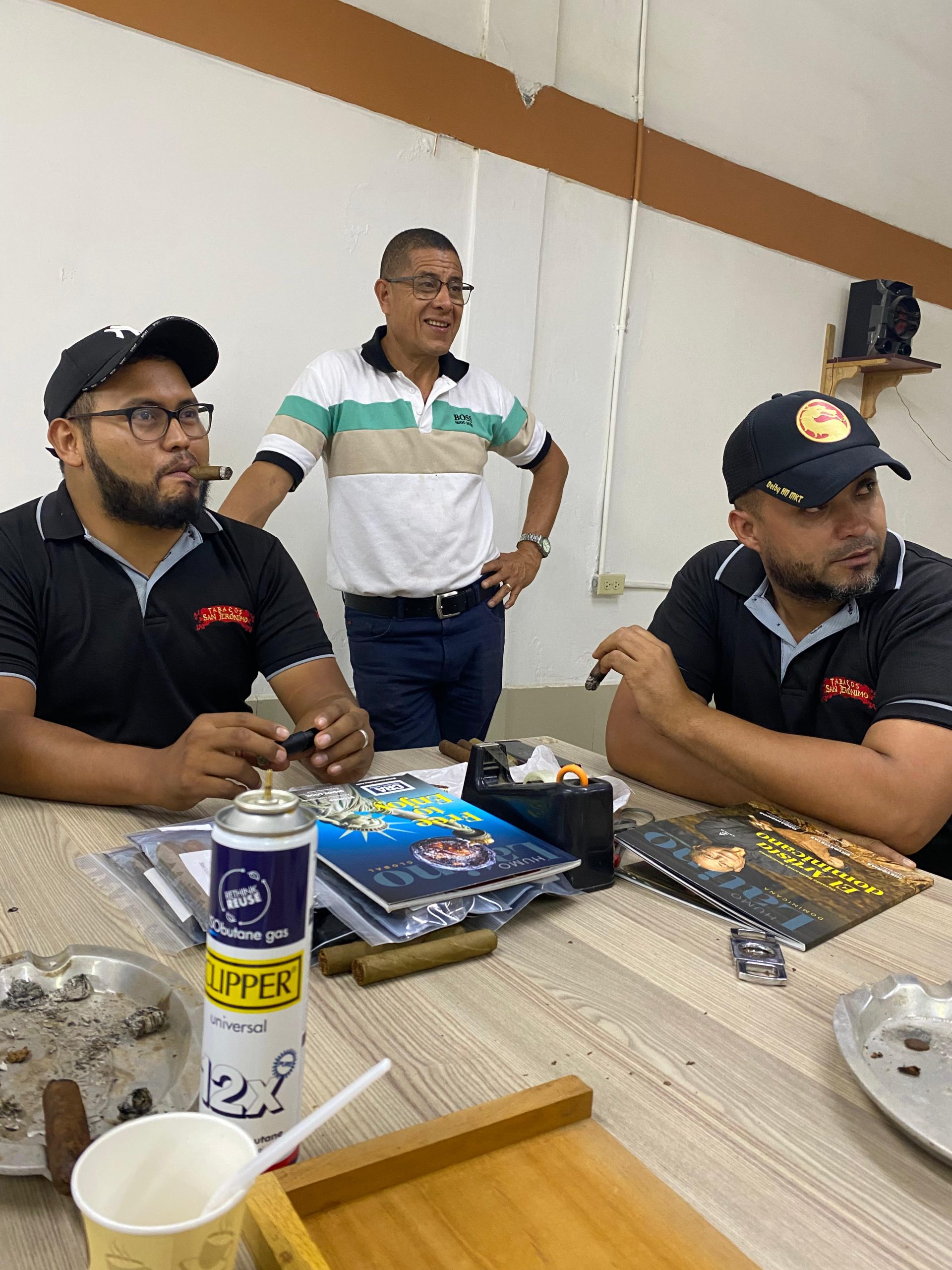
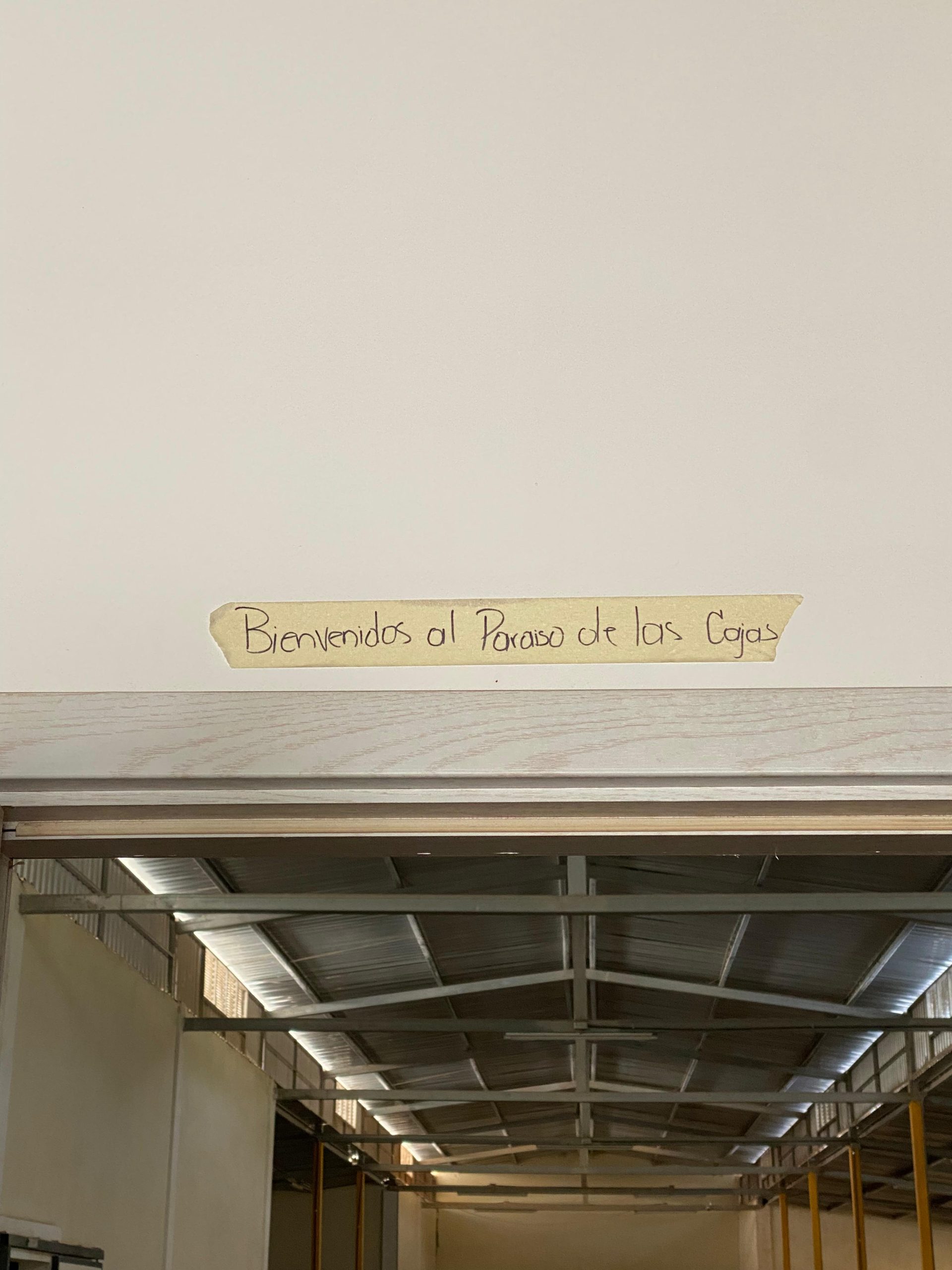
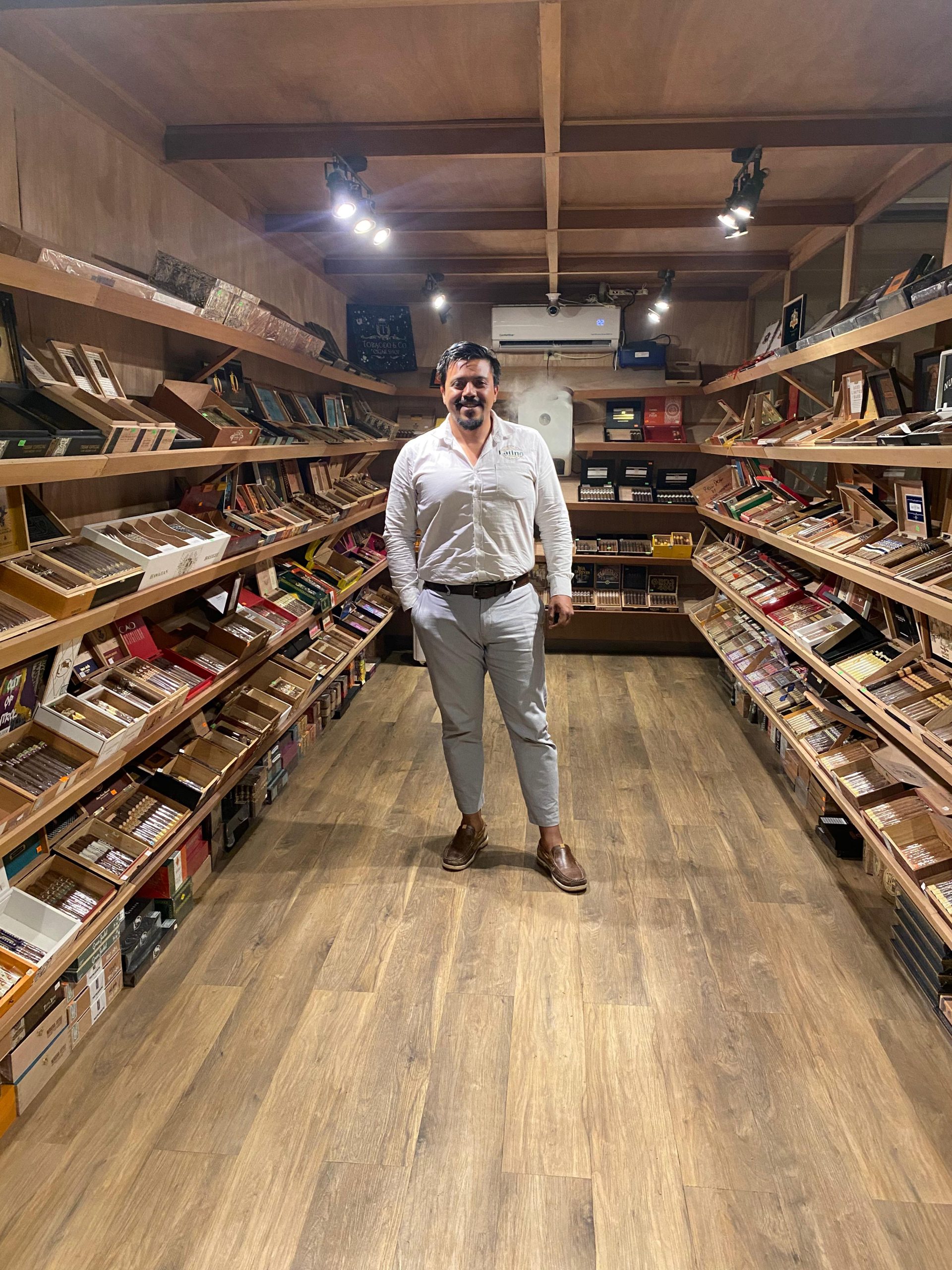
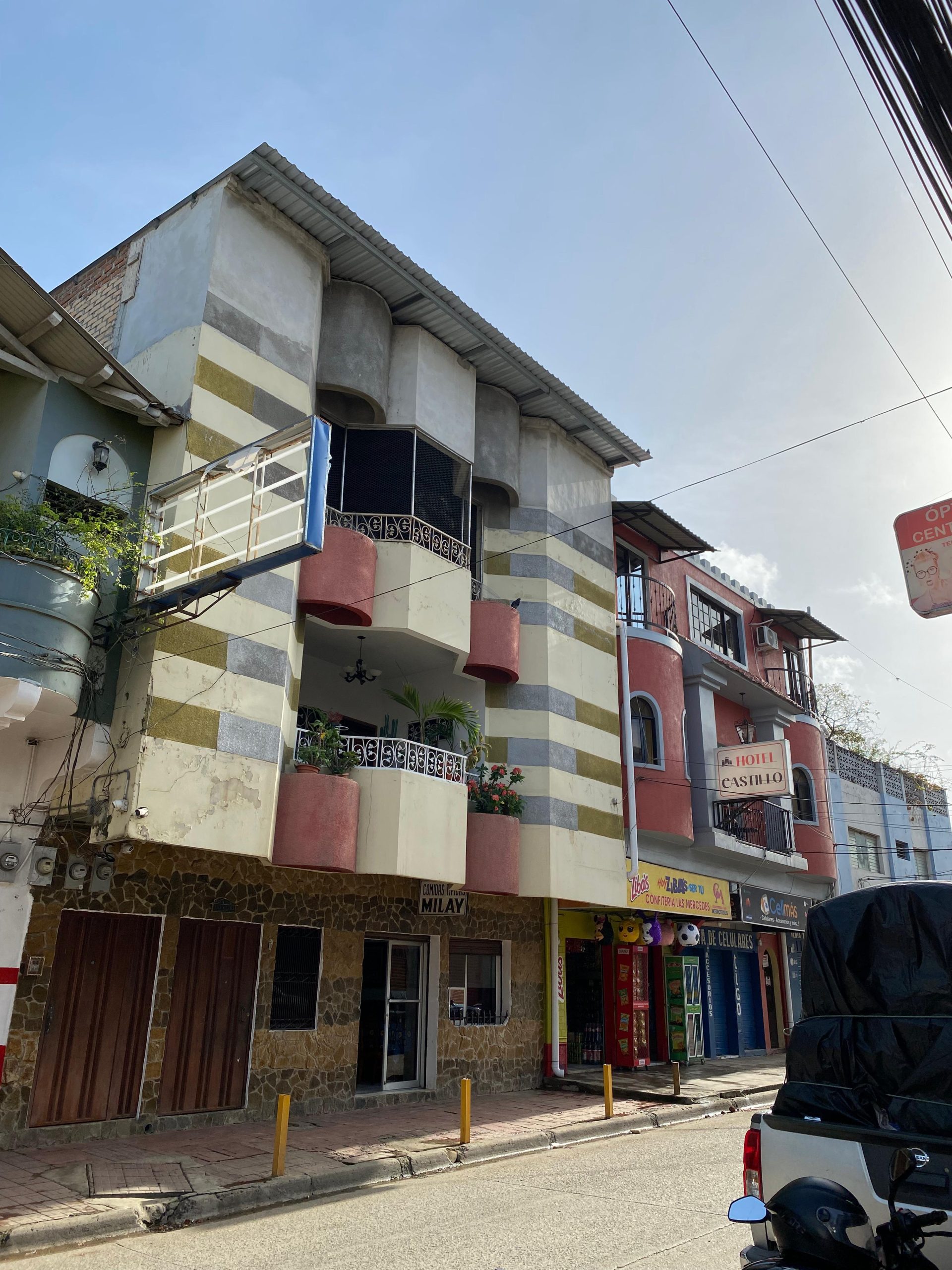
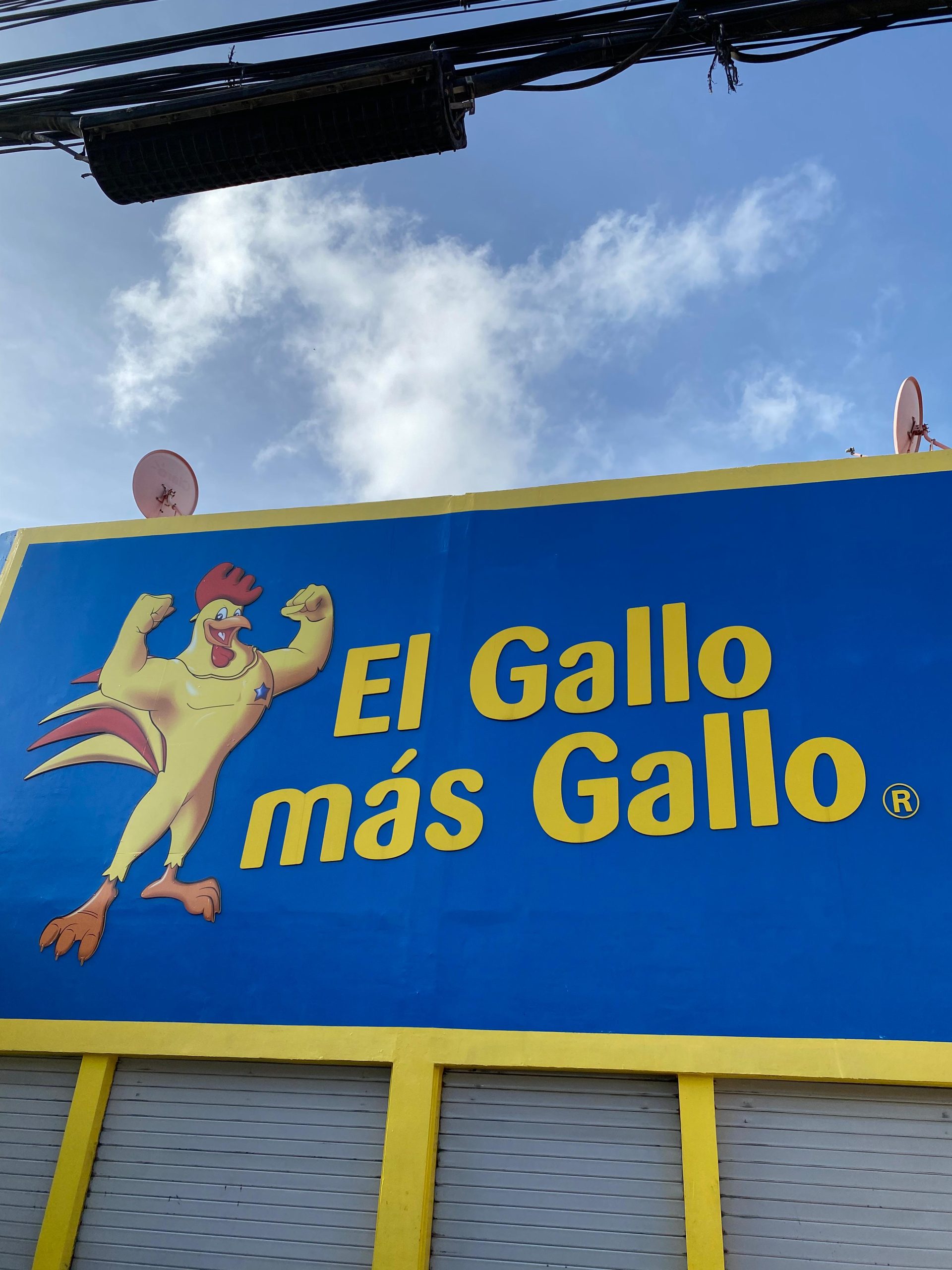
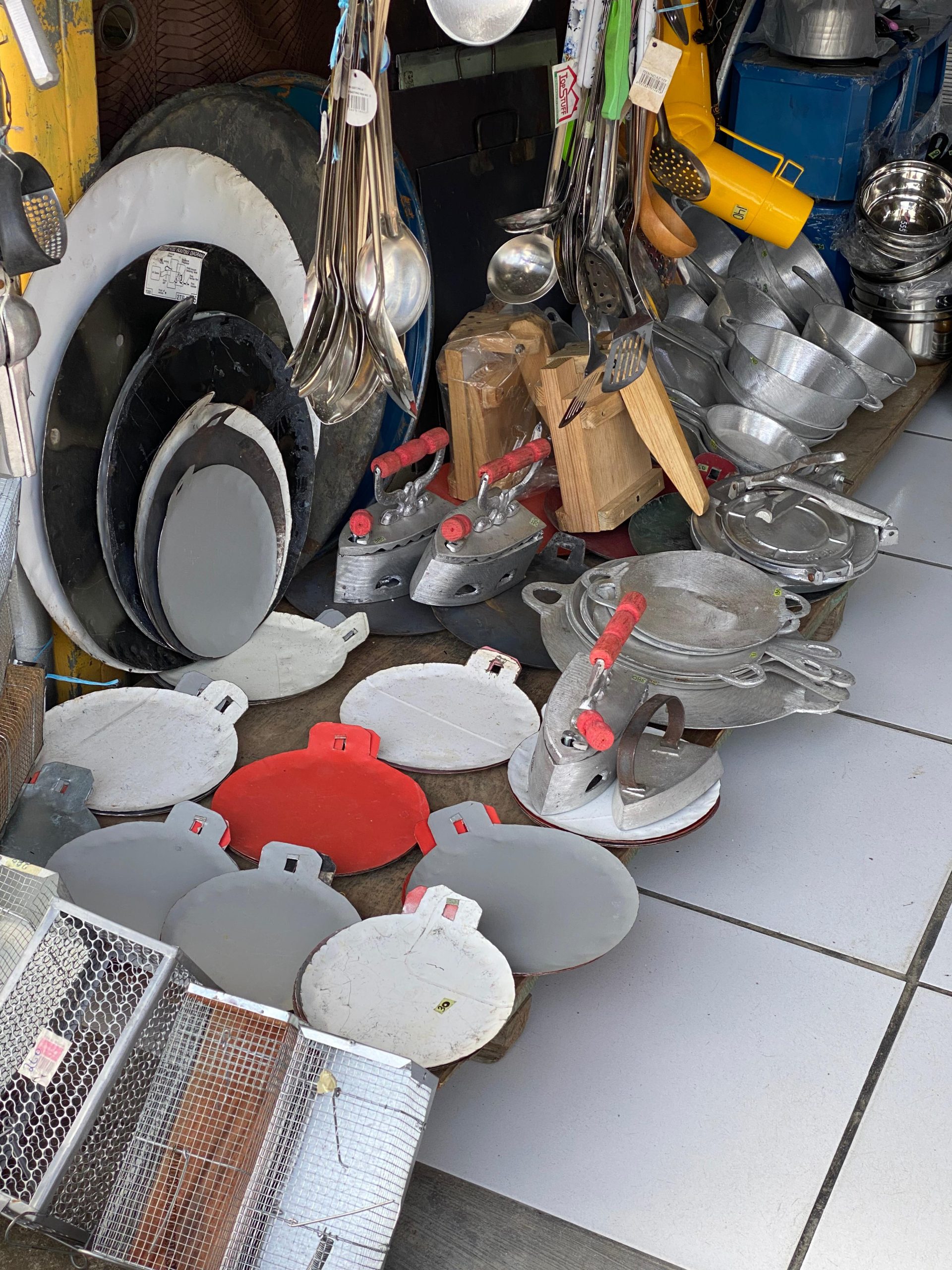
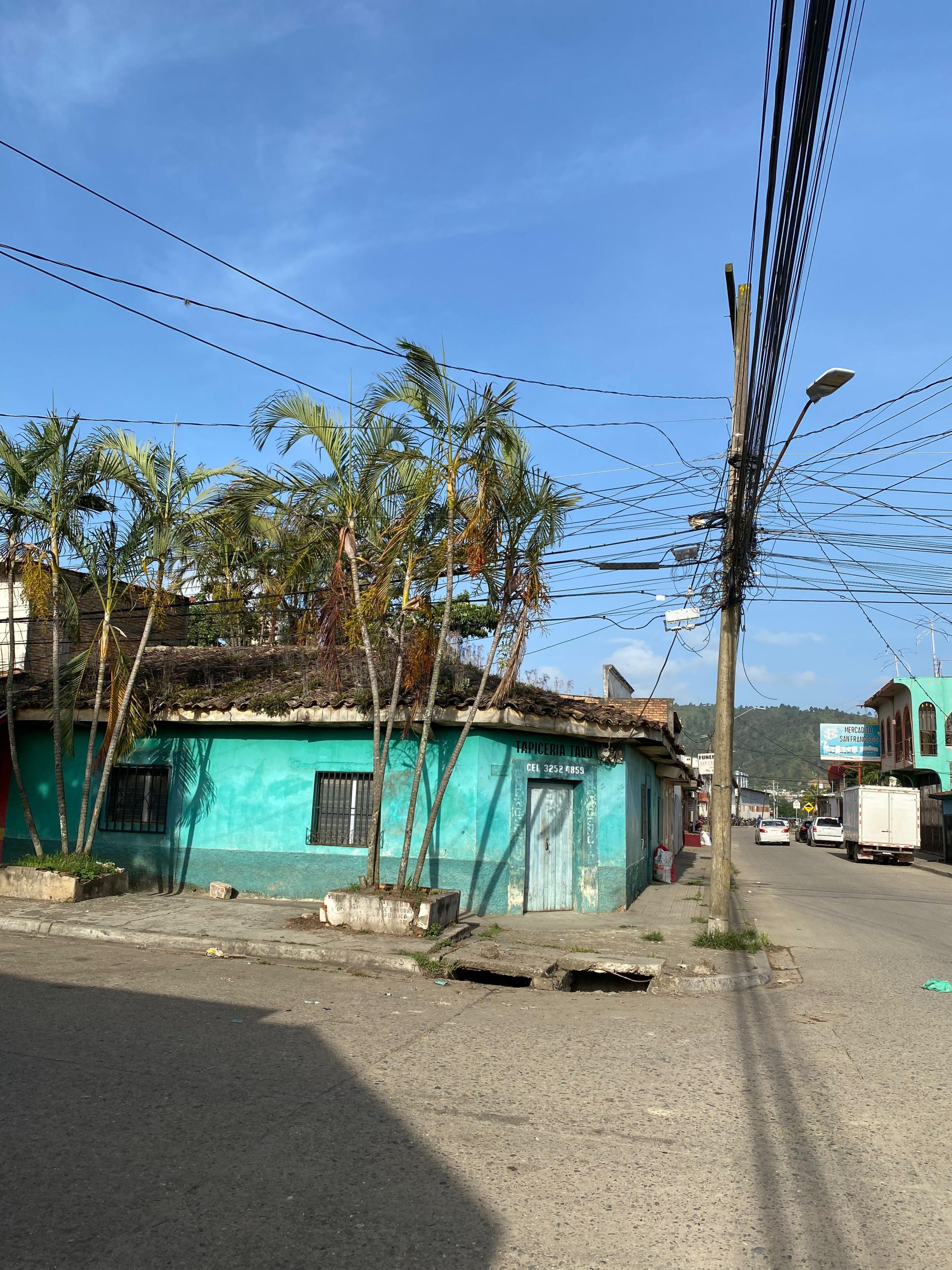
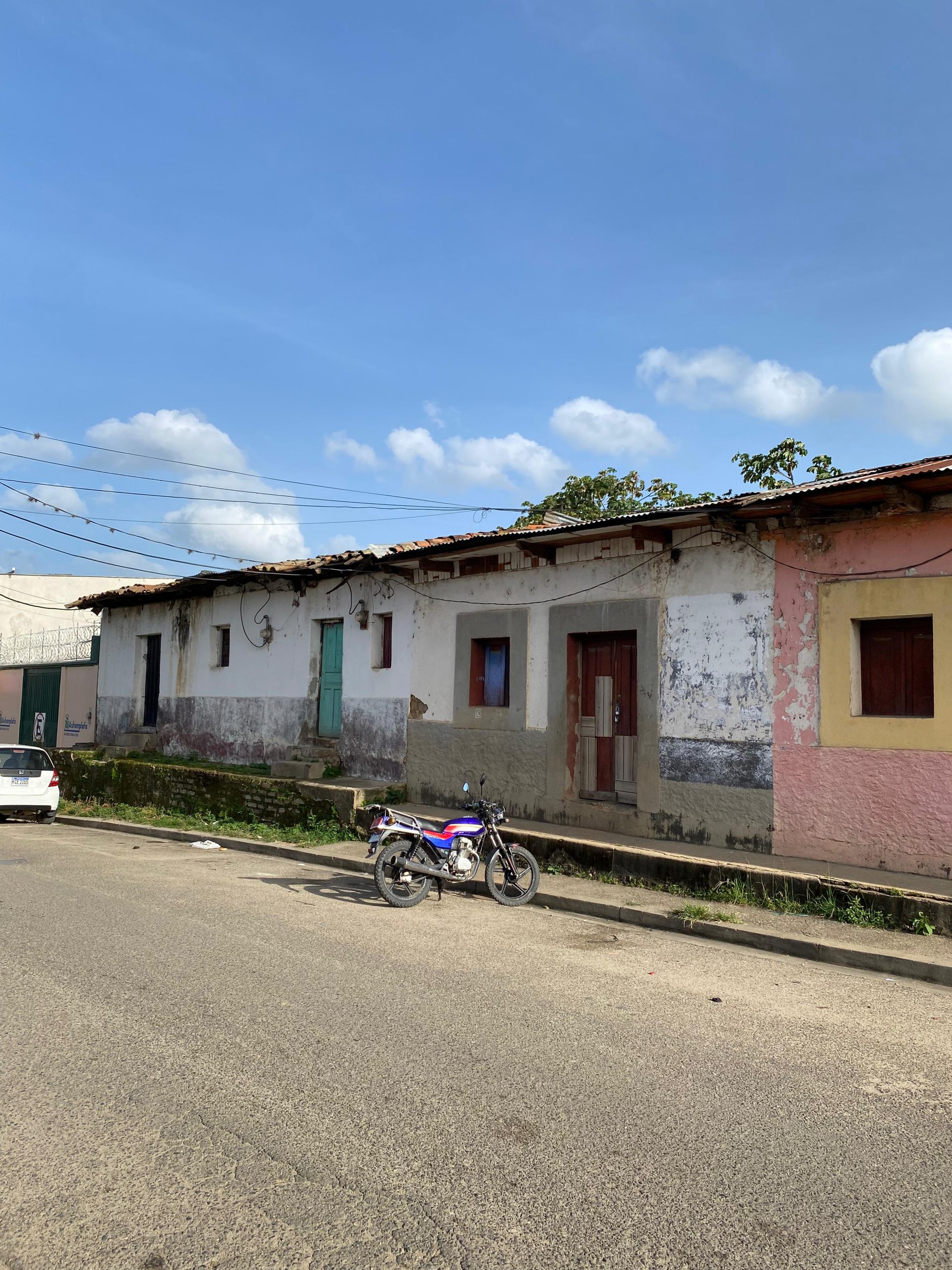
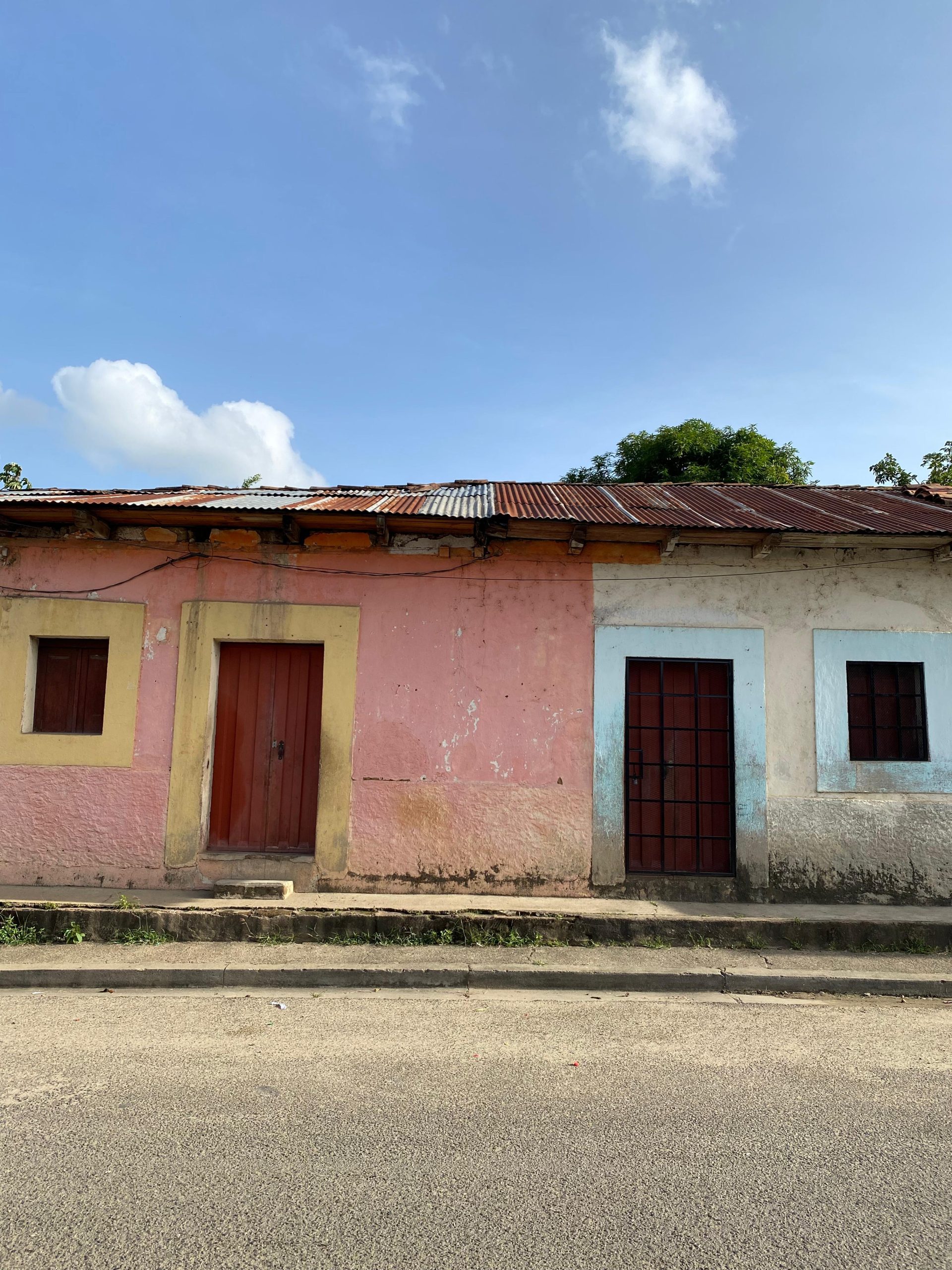
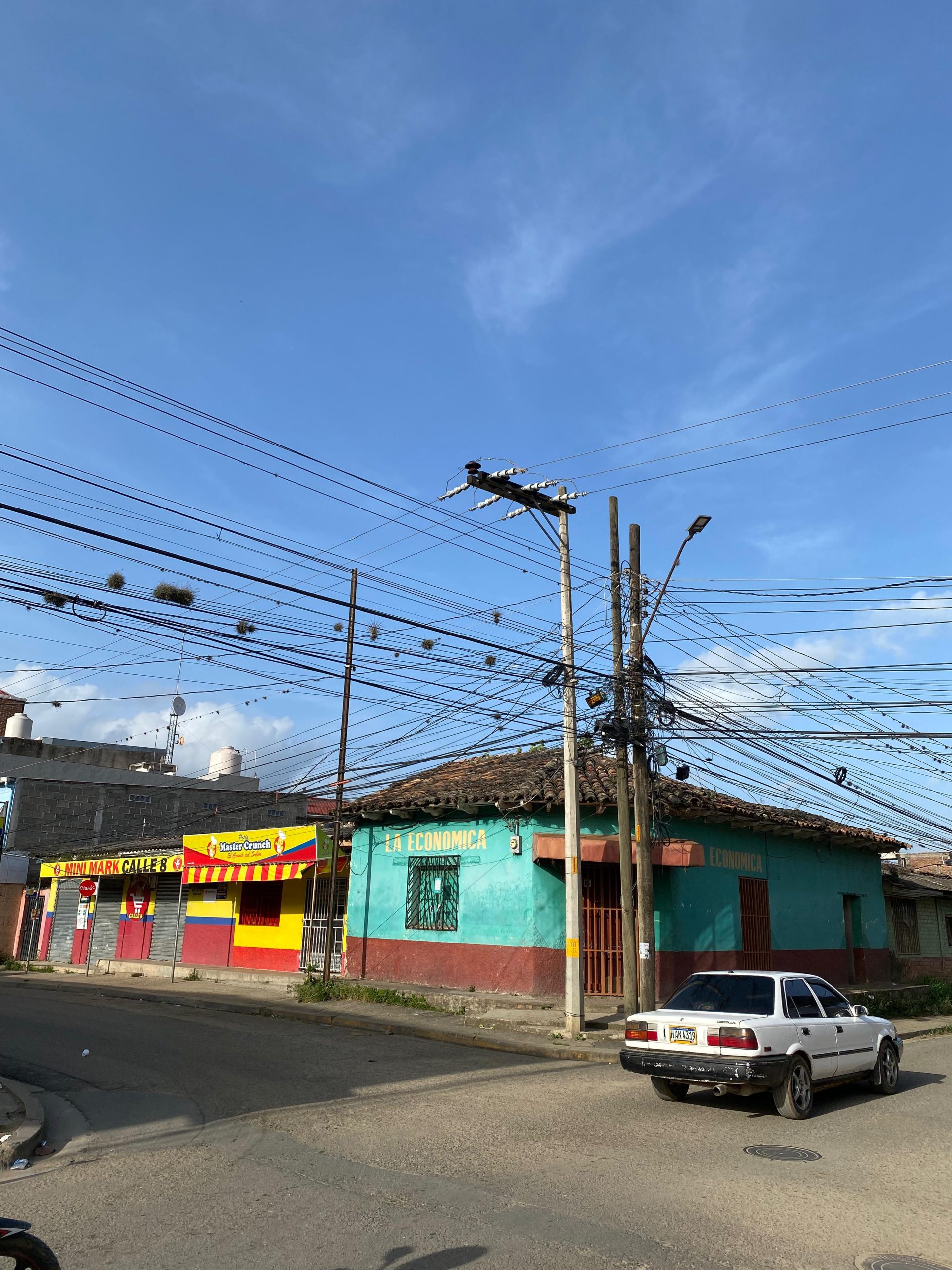
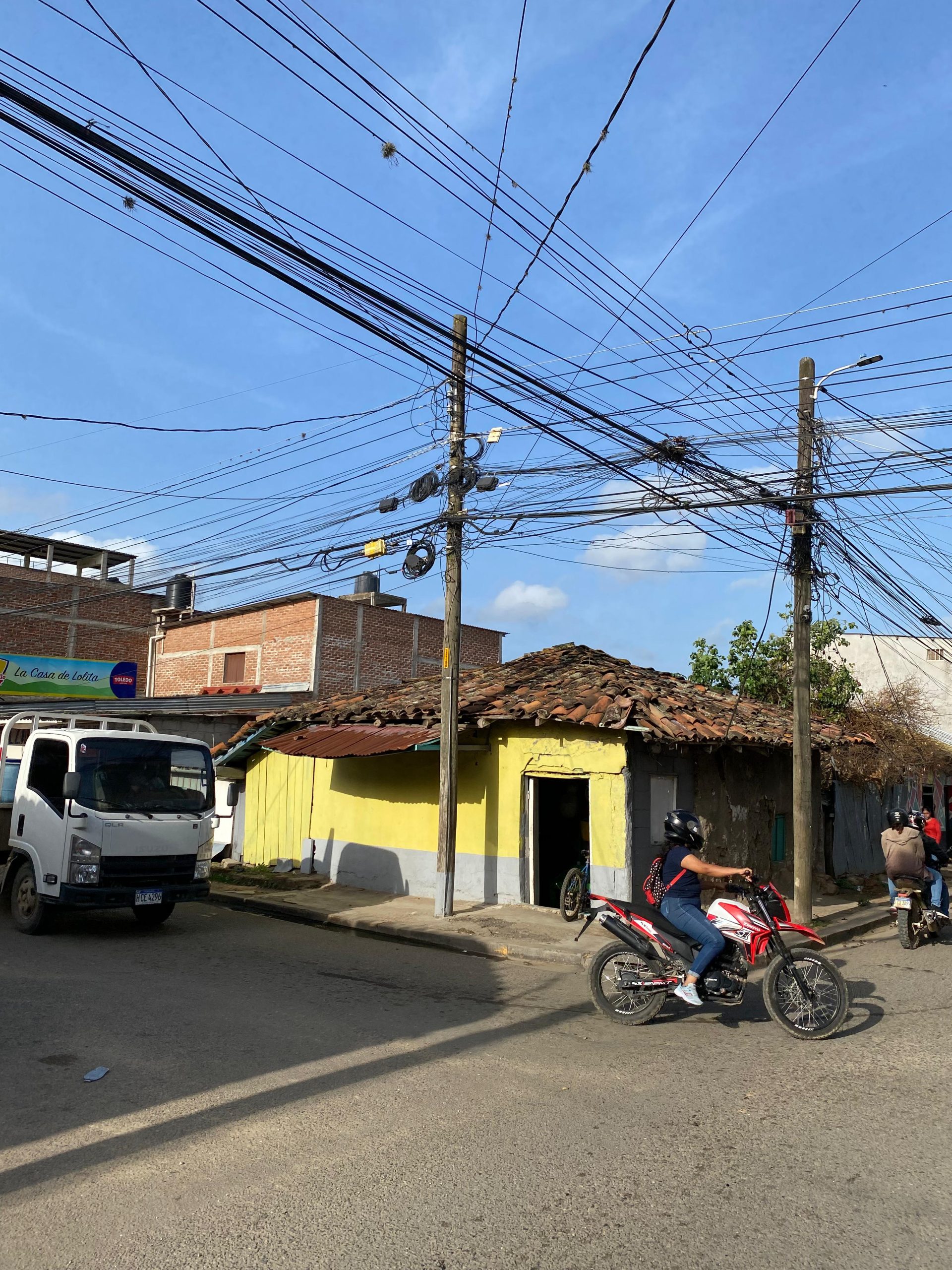
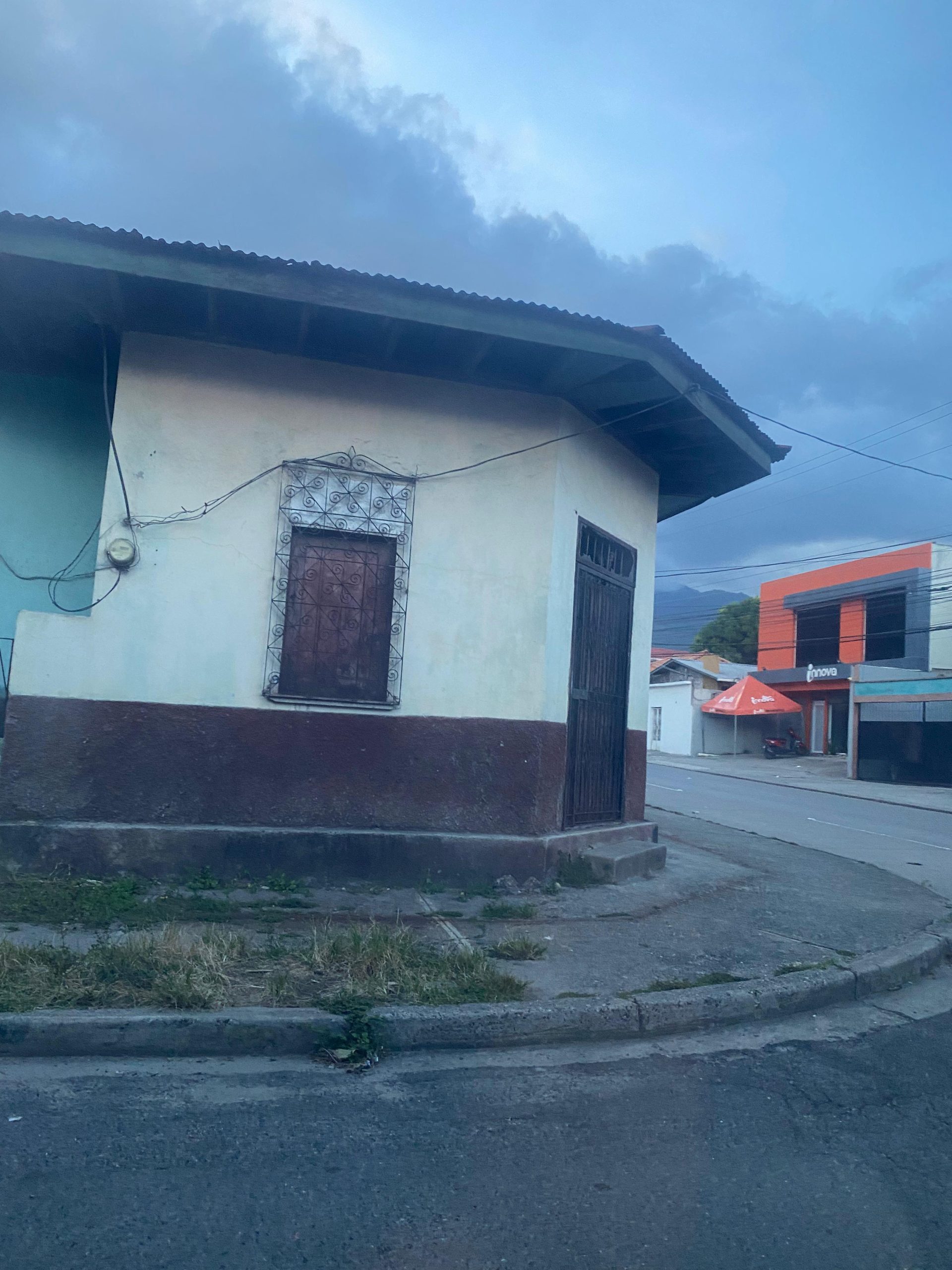
We arrived in Danlí on Monday, August 25. The city has the classic architecture of a colonial town, with its cathedral, central park, and city hall; its narrow downtown streets with large, colorful houses with tall windows. The city grew up around it.
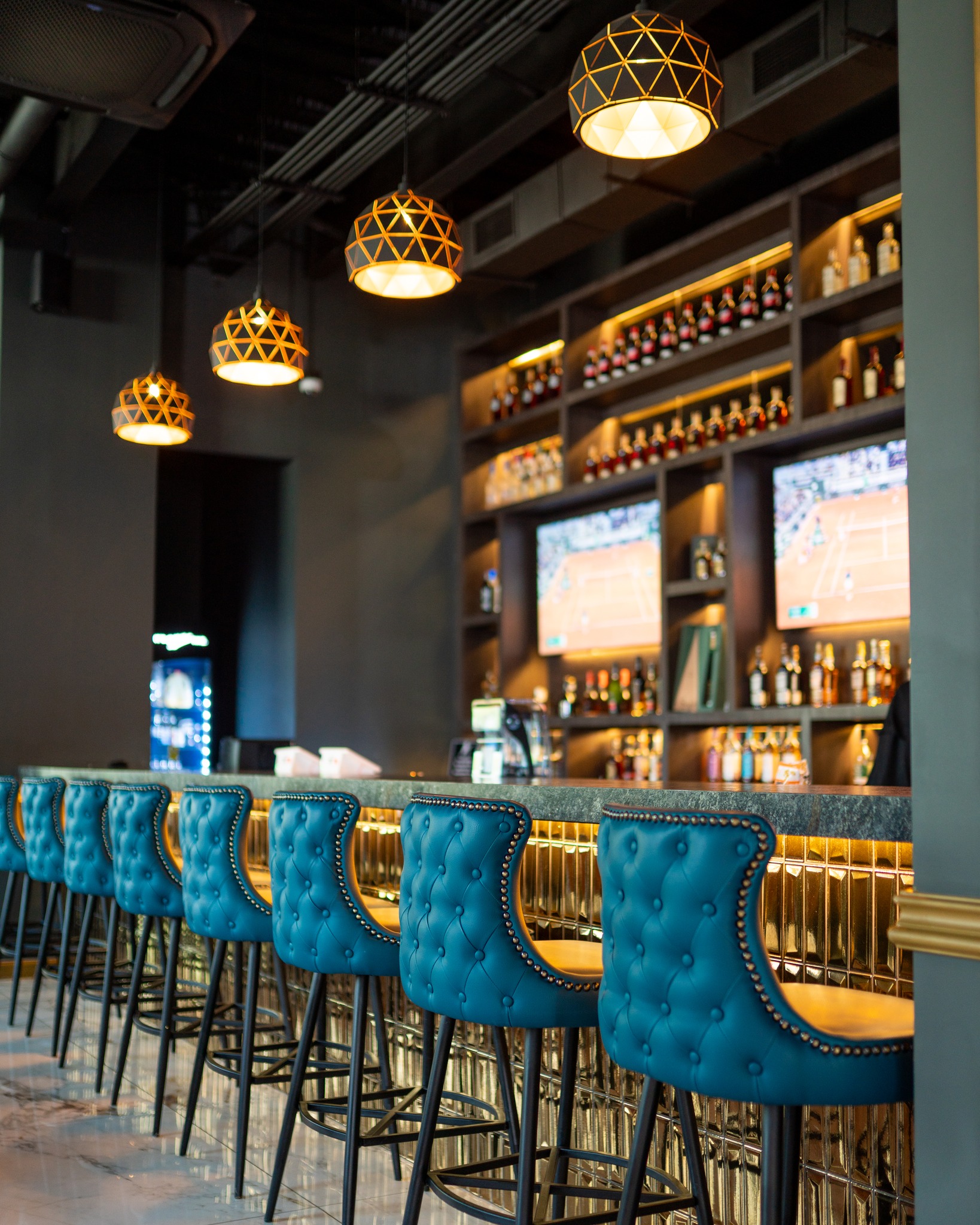
Our first stop was the Danlí Smokers Club, 800° Smoke House, at the invitation of Roberto Álvarez, Plant Manager at Plasencia Cigars. Then, we spent an excellent evening at Tobacco & Co. Cigar Shop with some members of the group, including Jesser Ferrera of Ferrera Cigars, who welcomed us the next day at his factory with an unexpected dinner that concluded in a several-hour feast with friends and fellow smokers.
We also visited the San Jerónimo cigar factory, run by don Oscar Orlando Ferrera, which is also the largest box factory in the industry, with a workshop that makes boxes for all kinds of brands—large, medium, and small—all with superior finishes and quality. We spent two nights, two days, and a morning in Danlí.
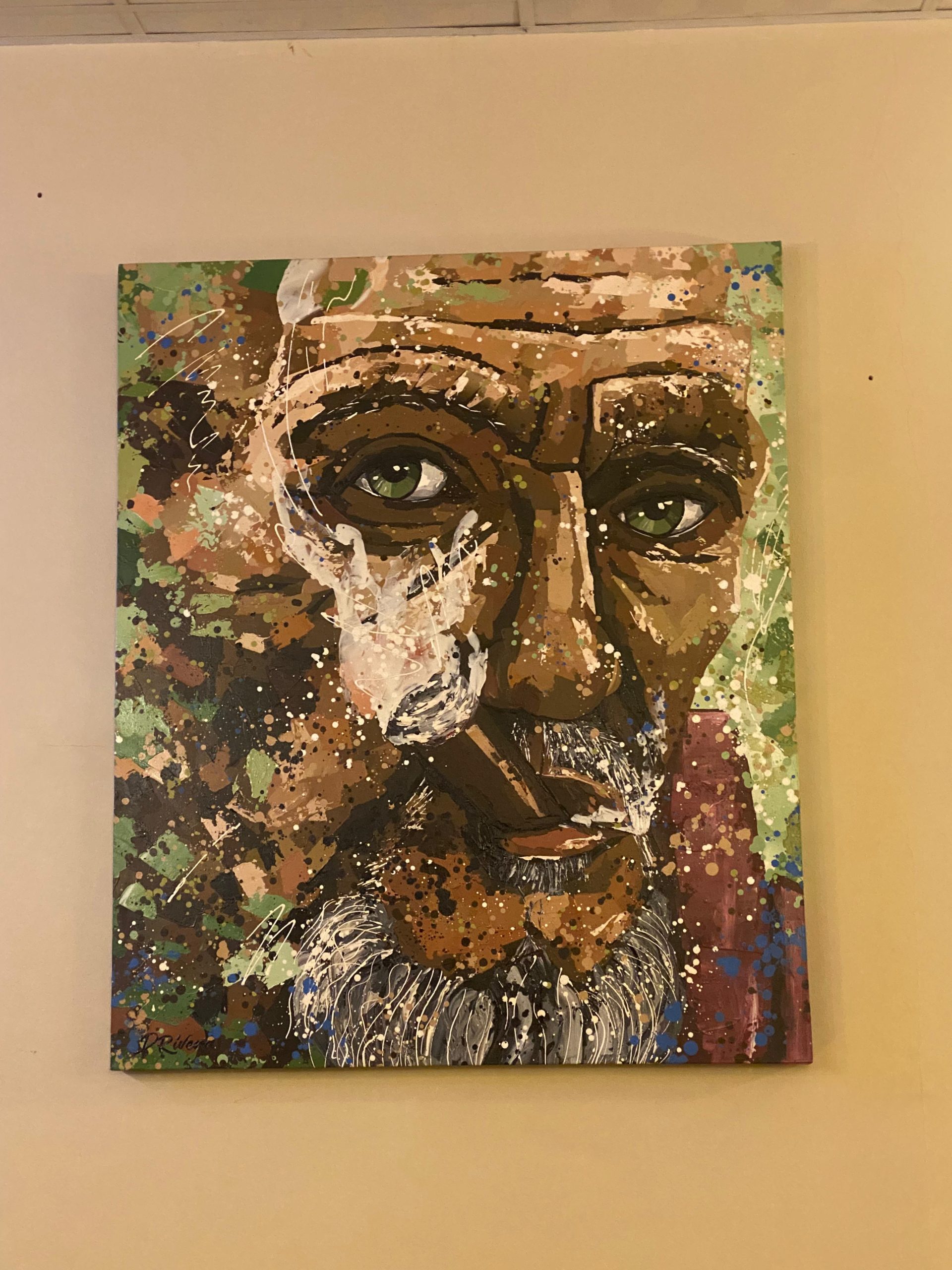
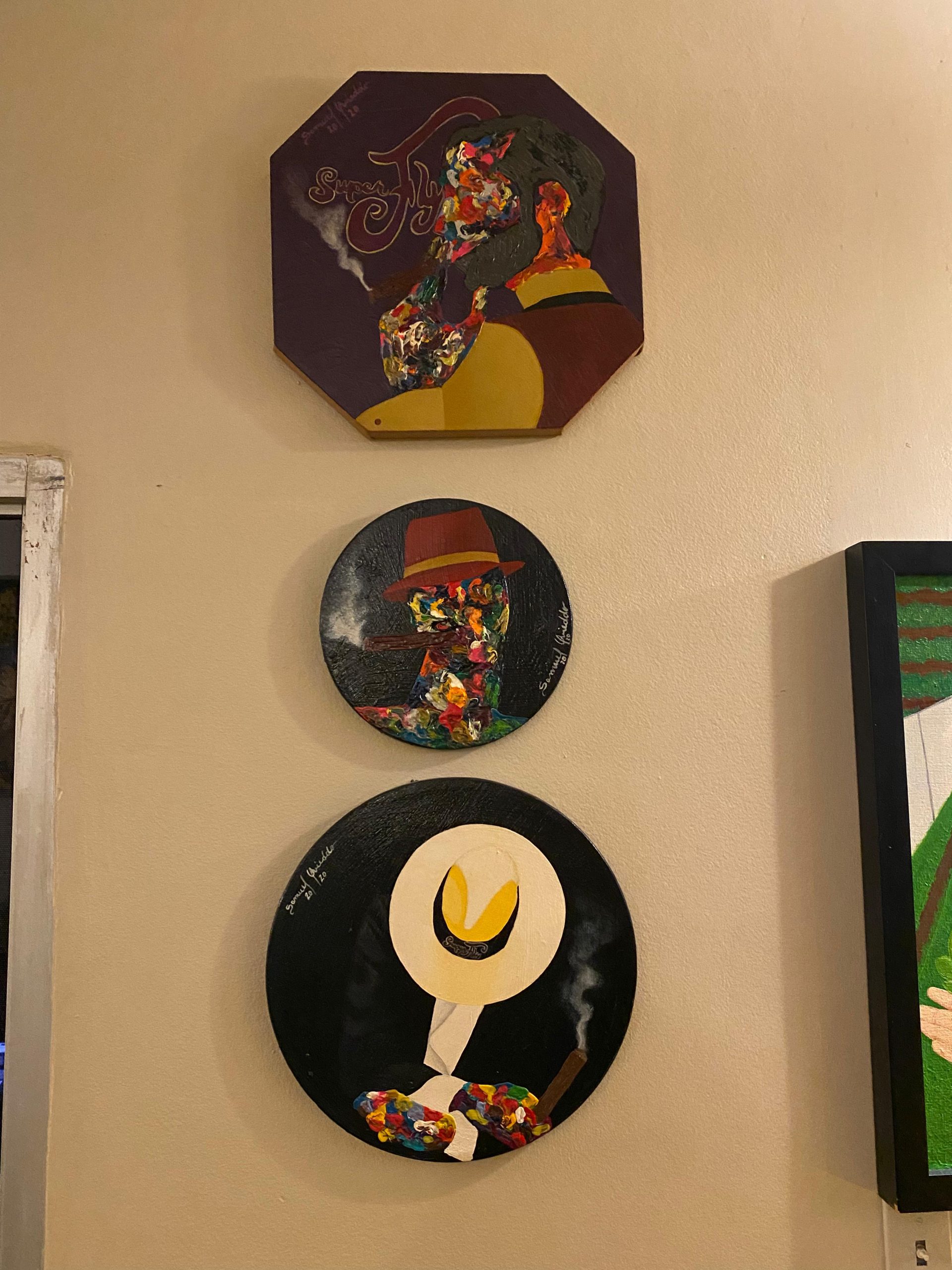
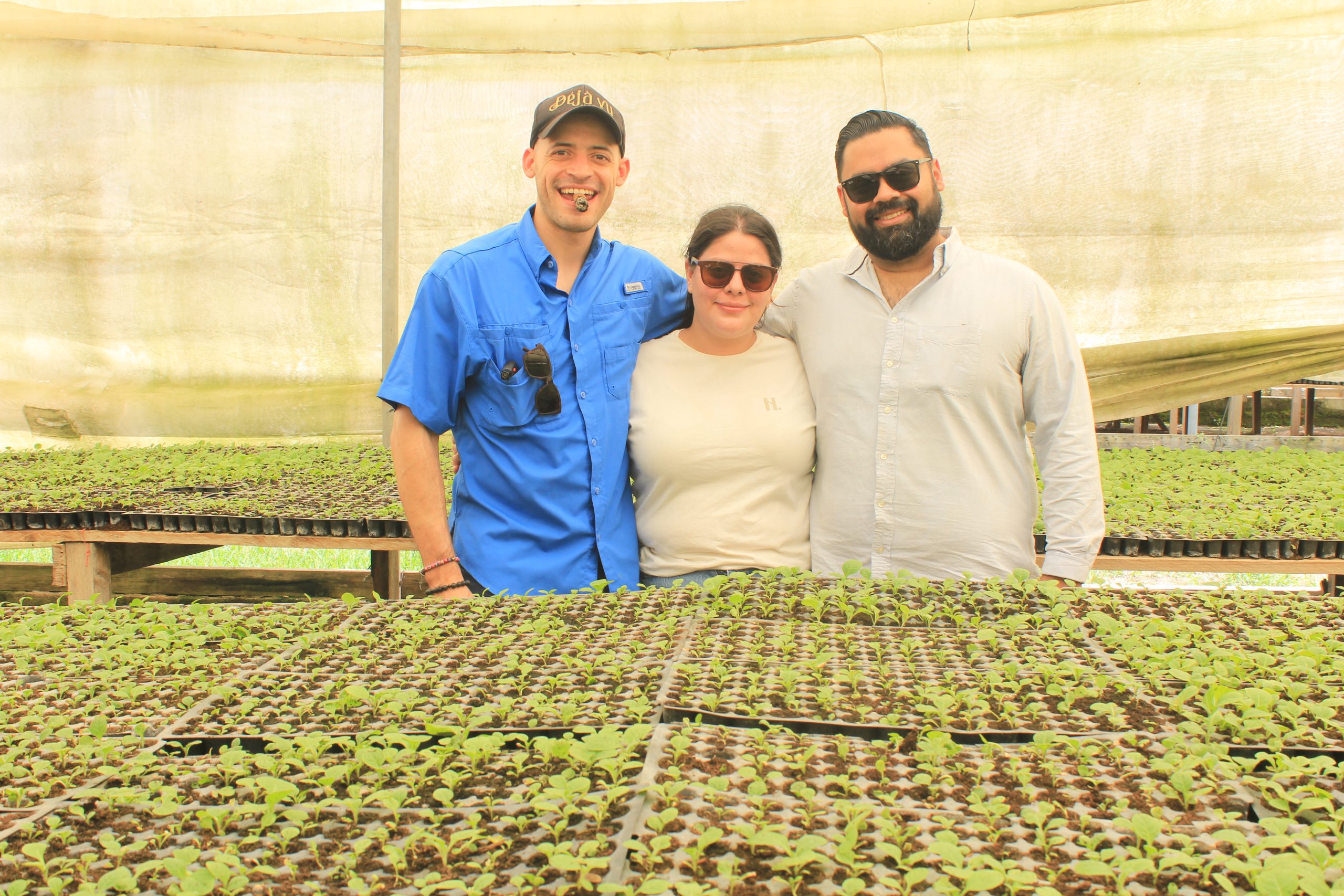
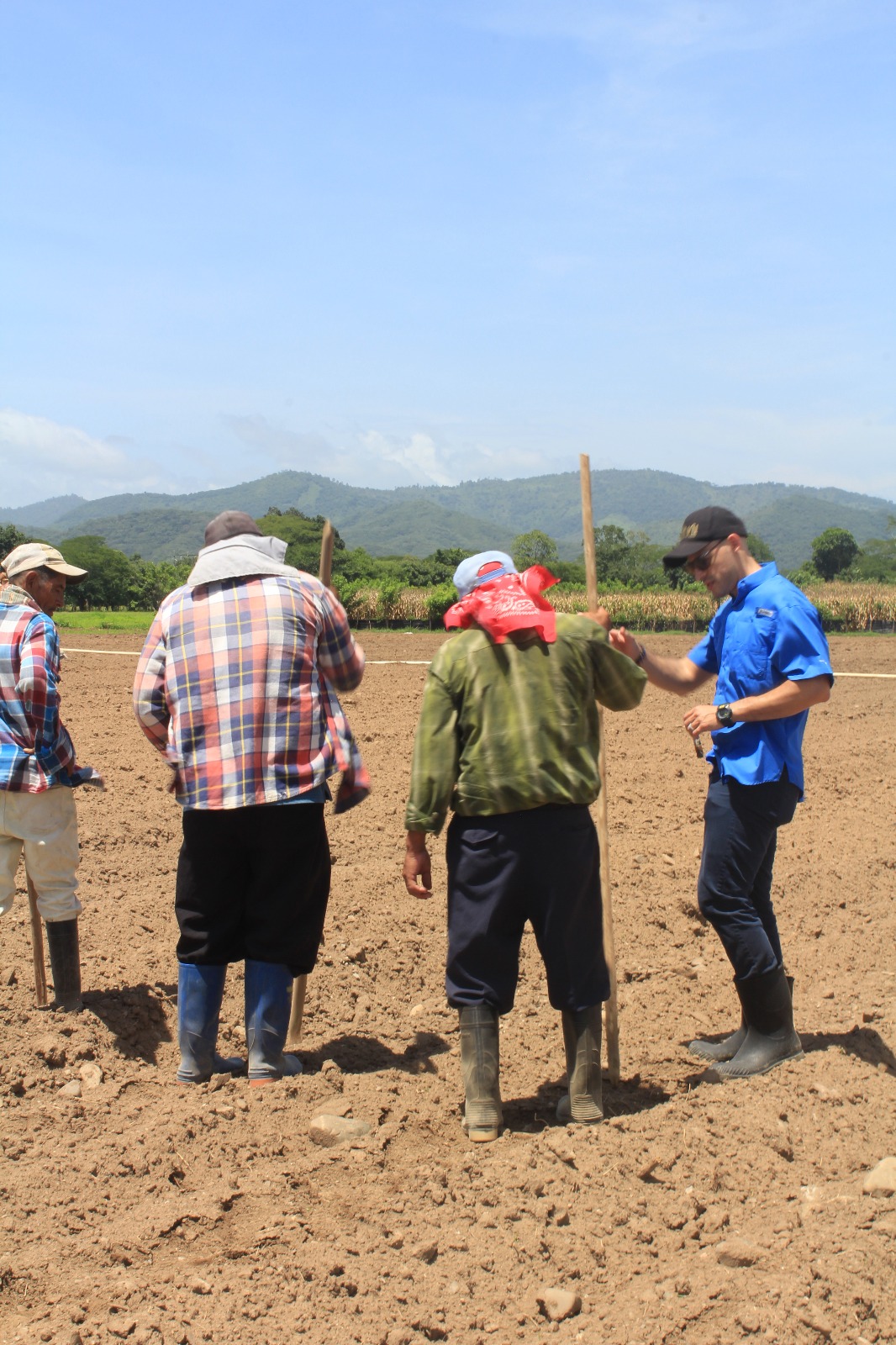
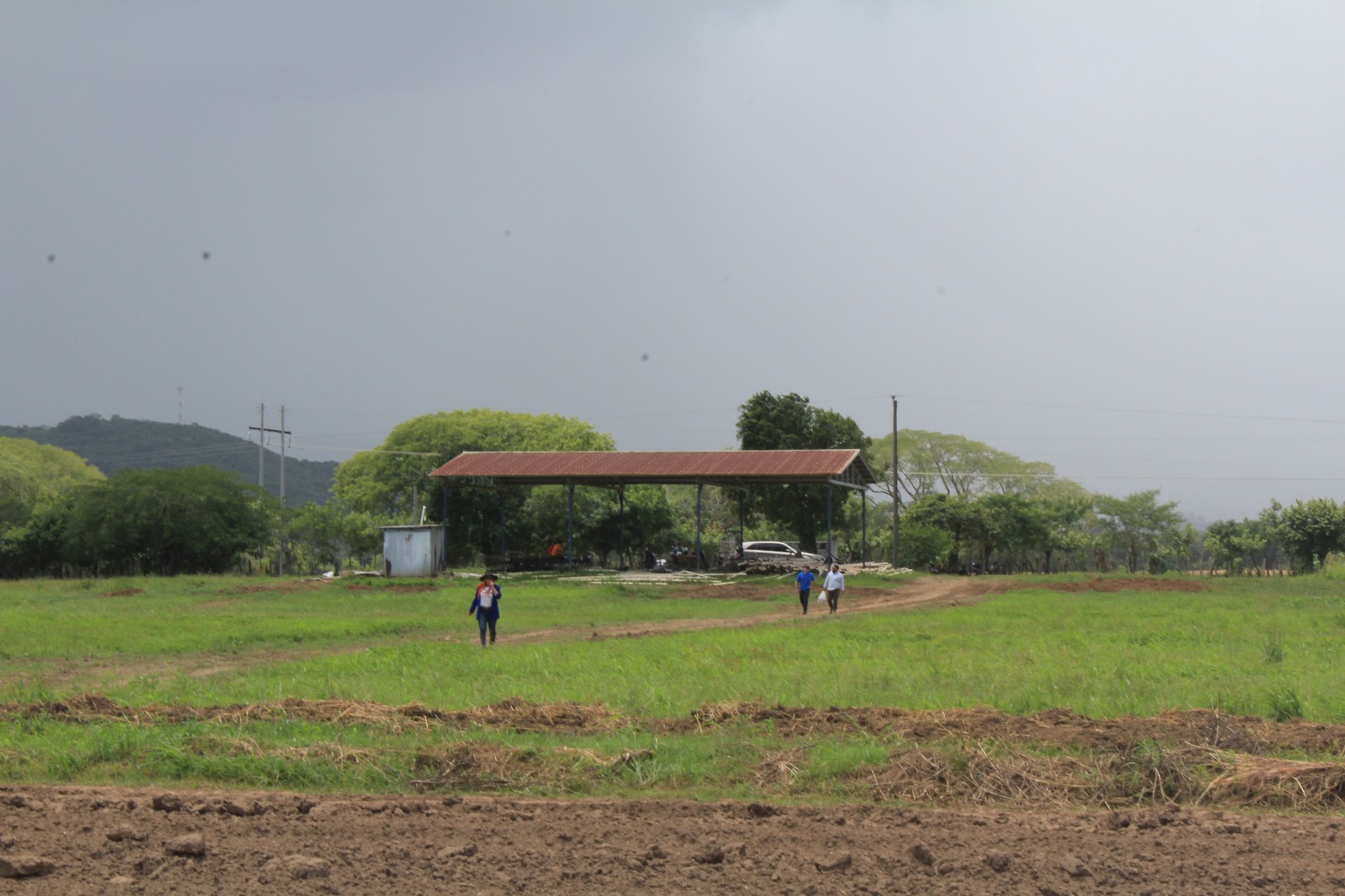
We visited one of the Raíces Cubanas plantations after a hours-long road maintenance closure. It was evident that the most excited to go to the fields were Patty and Rolo, because being part of the tobacco “pre-industry,” witnessing it, and being there, makes them happy. And on this, as on all the times they go to the fields, they bring water, soft drinks, and something for the workers.
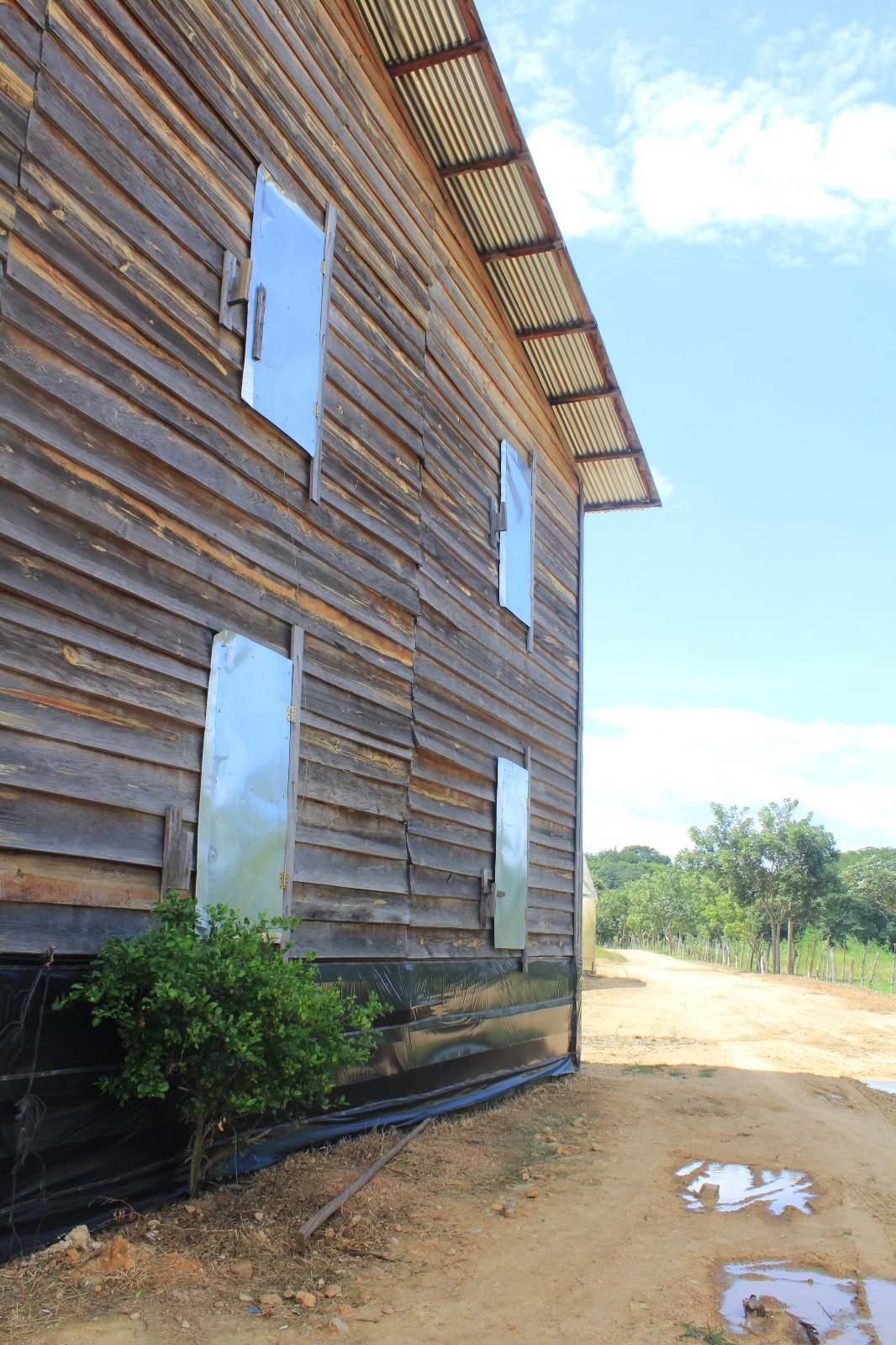
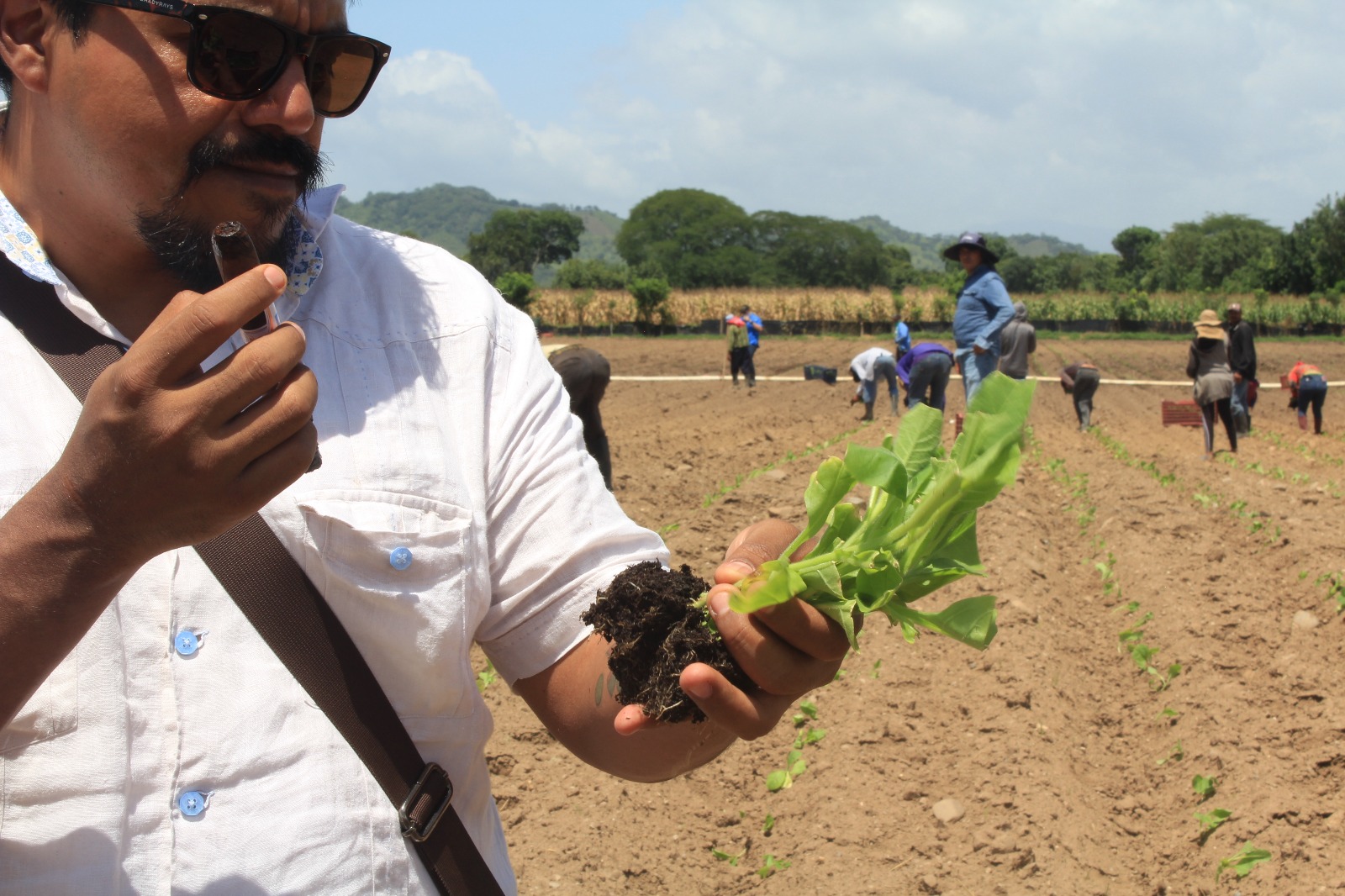
At one point during the visit, Rolando invited me to stand alone for a few minutes to feel the wind on my face and the energy in a tobacco field. What he enjoys most about the pre-industry, he told me, is meeting the people in the fields who make the planting, maintenance, and harvesting of the crop possible, and to witness and be part of the work that takes you from the seedling to the curing barn.
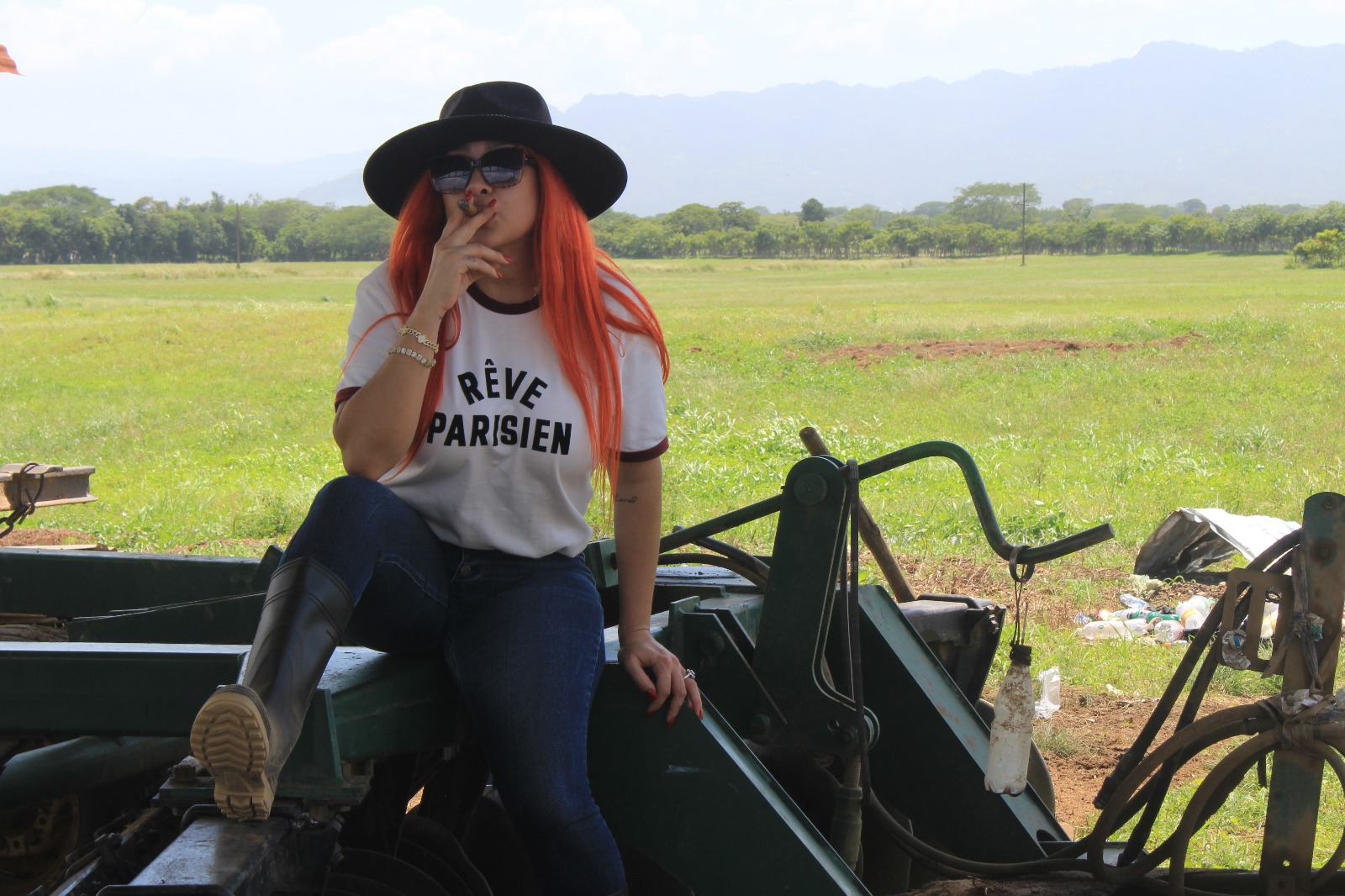
Patty is the creative heart of the company and, among many other things, is in charge of all the branding and design, and her cigar bands are fabulous creations, like her QUYNZA brand, a true work of art. When she got to the field, she was filled with energy. She started planting with the Raíces team, taking photos, chatting, and even playing races between the unplanted furrows… in short, it was an enjoyment that was contagious.
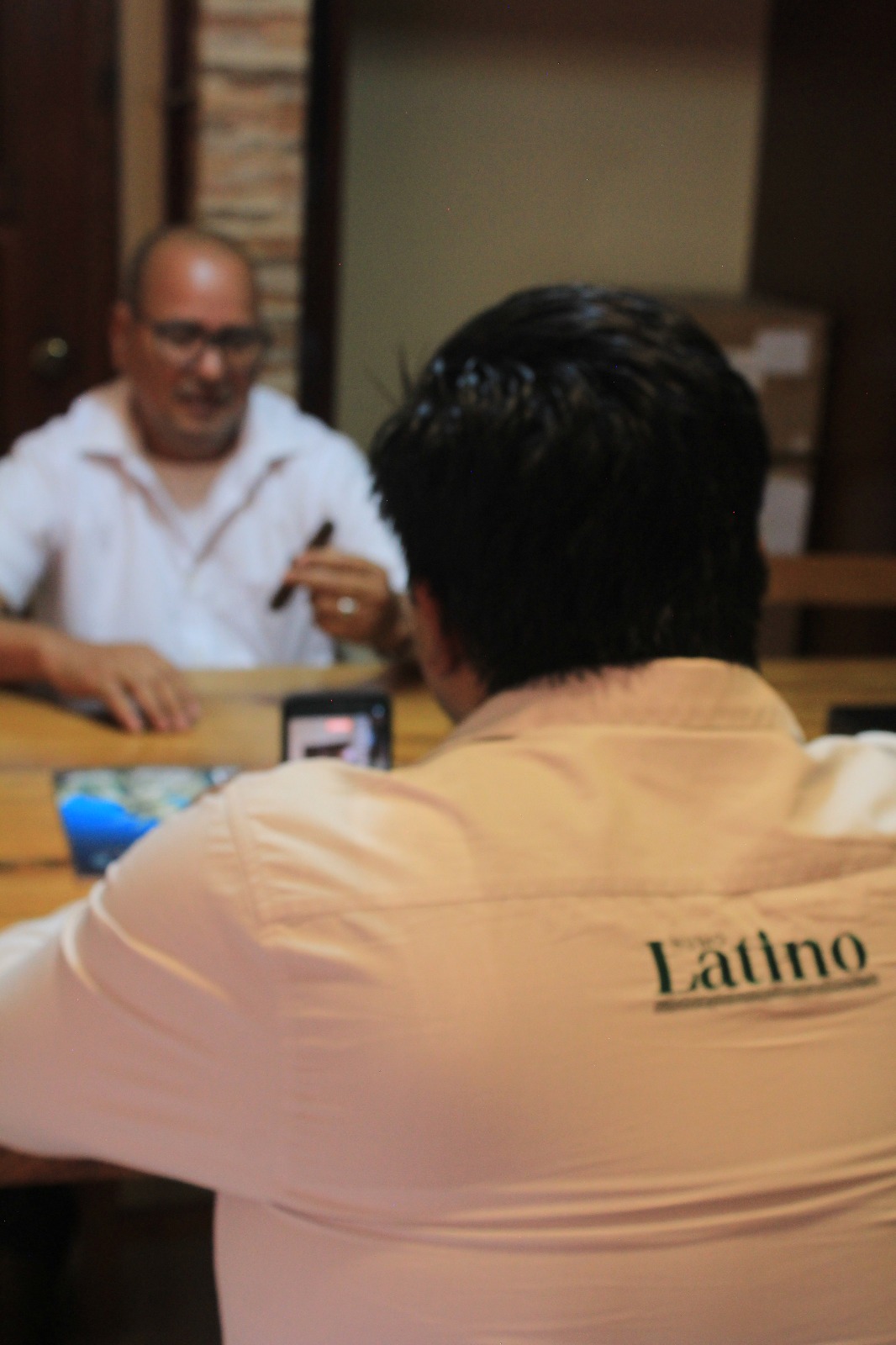
There in the field, I tried an Eva, Patty’s most recent creation and her baby: a Box-pressed Maduro with fabulous notes of honey, which will soon be released to the market, and whose cigar band is truly beautiful. It is produced by Raíces Cubanas. Both Patricia and Rolando maintain an incredible relationship with the owner, Hugo Endemaño, and the team of blenders, with whom they work directly on the blends and processes. By the way, don Hugo granted us an interview that will appear in our next digital issue.
I was surprised that during the trip, they never stopped working and even aligned our tour to also cover their business commitments. That was the reason for the whirlwind trip we took to San Pedro Sula to visit their clients and friends at Tabacos y Café, the first cigar lounge in Honduras, which is celebrating 30 years of operation in 2025.
And among the appointments I had made, I had a scheduled visit to Distrito Cigar, one of the best cigar lounges in Honduras, with top-tier facilities, where one of the owners, Juan Bendaña, kindly welcomed us.
CRS Tobacco Group has two partners who love what they do and a team dedicated body and soul to their work. They are intelligent, even audacious; their finances, production, and distribution are in order. They work with honest data and projections, achievable short- and medium-term goals, making good cigars with a fresh and original image, and I am sure they will go very far in the industry.
Get to know them. Visit their website, crstobaccogroup.com, and enjoy their cigars.
A Growing Industry
Below, we present a full section on Fuego & Barrica. I mention it here only as a reference to highlight the need to cultivate a tobacco culture in the countries that produce it, which is done through more and all kinds of events accompanied by tobacco, promotion, education, investment, official recognition, incentives, and so on.
The Honduran industry is one where, according to what I was told beforehand and observed firsthand, there are enormous companies (with their private brands) and very small ones, with significant challenges in quality and consistency, as well as a lack of diversity in the middle. In other words, more companies that can strengthen the production chain and move the local economy.
However, countries like Colombia, Puerto Rico, Panama, but above all Honduras, are discovering and exploiting their potential and the powerful economic, social, and cultural engine that the tobacco sector represents, following models like that of the Dominican Republic, where the domestic market is large and growing day by day, and tobacco and its cigars have been a source of pride and Cultural Heritage since 2023. In fact, Honduras was the first country to declare the “saber/hacer” (knowledge/know-how) of the Honduran cigar as the Republic’s intangible cultural heritage in 2016.
I look forward to returning to Honduras and seeing its small businesses grow, but above all, to returning with friends to smoke and drink some guaro (a local spirit) with ice by the embers, amidst laughter and smoke.