


Designation of Origin
The concept of “Designation of Origin” is a quality seal that indicates the origin of a product, whose characteristics and special qualities –compared to others of the same class or species– are due to a geographical environment and its natural and/or human factors.
Among the natural factors are the characteristics and composition of the soil, temperature, humidity, altitude above sea level, or climate, while among the human factors stand out tradition and custom, specialization in a certain art or trade, and the use of special processes.
It is commonly granted in alcoholic beverages, especially wine and sparkling wines. In the case of rum, it also responds to a National Branding initiative that seeks to generate identity, specific characteristics, and industrial protection for its distillates.
Since the product must be made from materials originating from the country in question, in the Caribbean region only Cuba, Guatemala, Martinique, and Venezuela possess this designation, which under different names has the same purpose, and guarantees –at least– purity and quality.
Read in the magazine (rotate your device for a better reading experience):
By definition, rum is a beverage produced exclusively from the fermentation and distillation of molasses, syrups, or sugarcane juices, whose alcohol content ranges from 37.5 to 80 percent, as the final product must clearly exhibit its specific organoleptic characteristics.
There are various theories about its origin, among which stand out its appearance in ancient Greece or Persia. In 1650, Barbados was the first Caribbean colony to present a distillate known as rumbullion –which means “great tumult”– and later it was called “rum” by decree of the Governor General of Jamaica.
According to its raw material, rum is classified as agricultural or industrial, differentiated by its distillation methods, in alembic or column, as well as by its origin, whether Hispanic, British, or French.
Cuban Rum(*)
The Protected Designation of Origin (PDO) for Cuban rums came into effect in 2010. The rules are clear, although they have their quirks because both the producing companies and the supervising body are part of the State.
— Rum must be aged for at least two years in barrels of American white oak, but barrels of Scottish or Irish origin are also used, due to the U.S. embargo.
— In some cases, ex-bourbon barrels bought from other countries in the region are used, which generally have already contained local rum and originally come from Scotland or Ireland.
— After two years of aging, rum can be “accentuated” with a less aged distillate and put back to mature again.
— A third “accentuation” is allowed to smooth flavors, with its respective additional aging.
Cuban rums for export, with Protected Designation of Origin:
— Havana Club,
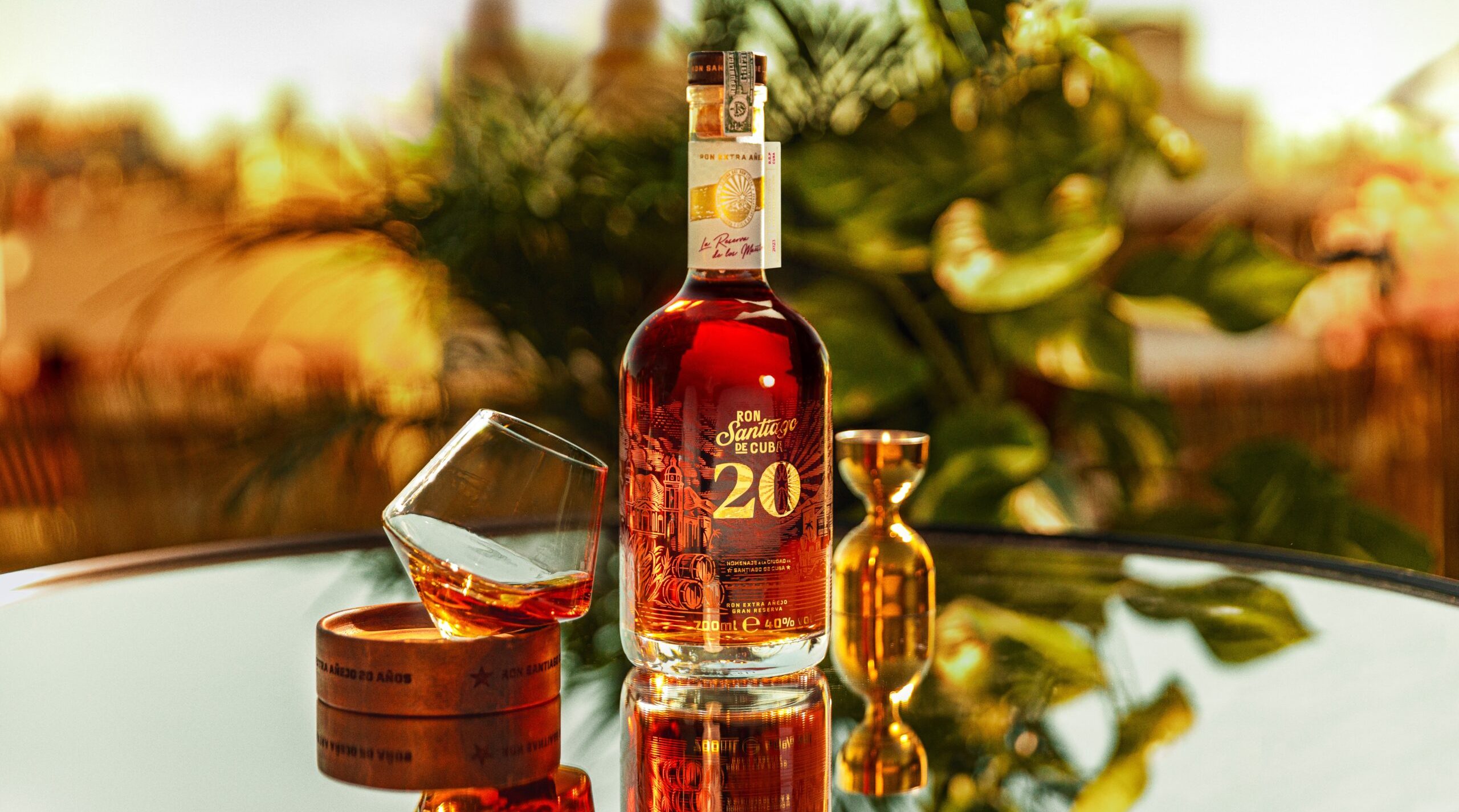
— Santiago de Cuba,
— Cubay,
— Siglo y ½,
— Isla del Tesoro, and
— Perla del Norte.
(*) With information from Diego Urdaneta.



 for Cuban rums came into effect in 2010, and guarantees –at least– purity and quality.)