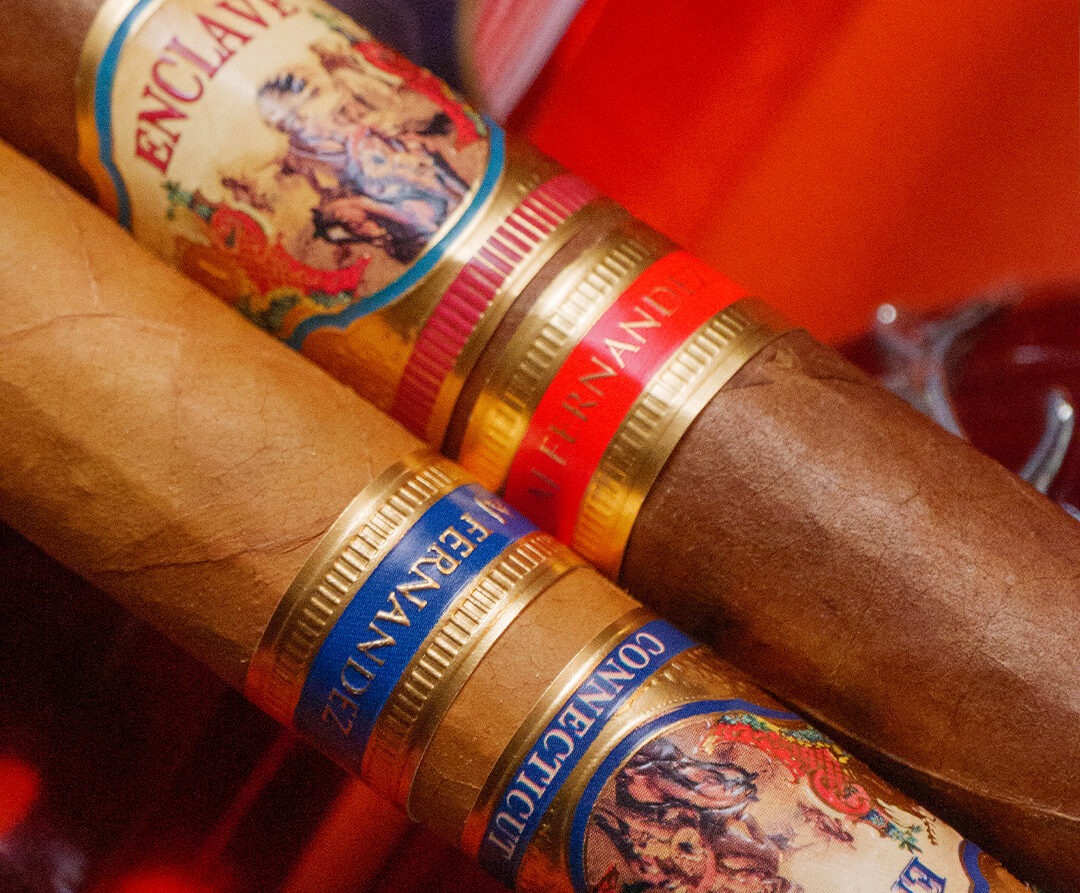
Legally importing cigars into Mexico is characterized by Bernardo Andrés as “a high-risk venture of extreme complexity,” creating an entry barrier so formidable that only four formal importing houses currently exist; the one he directs is named Vitolas del Mundo.
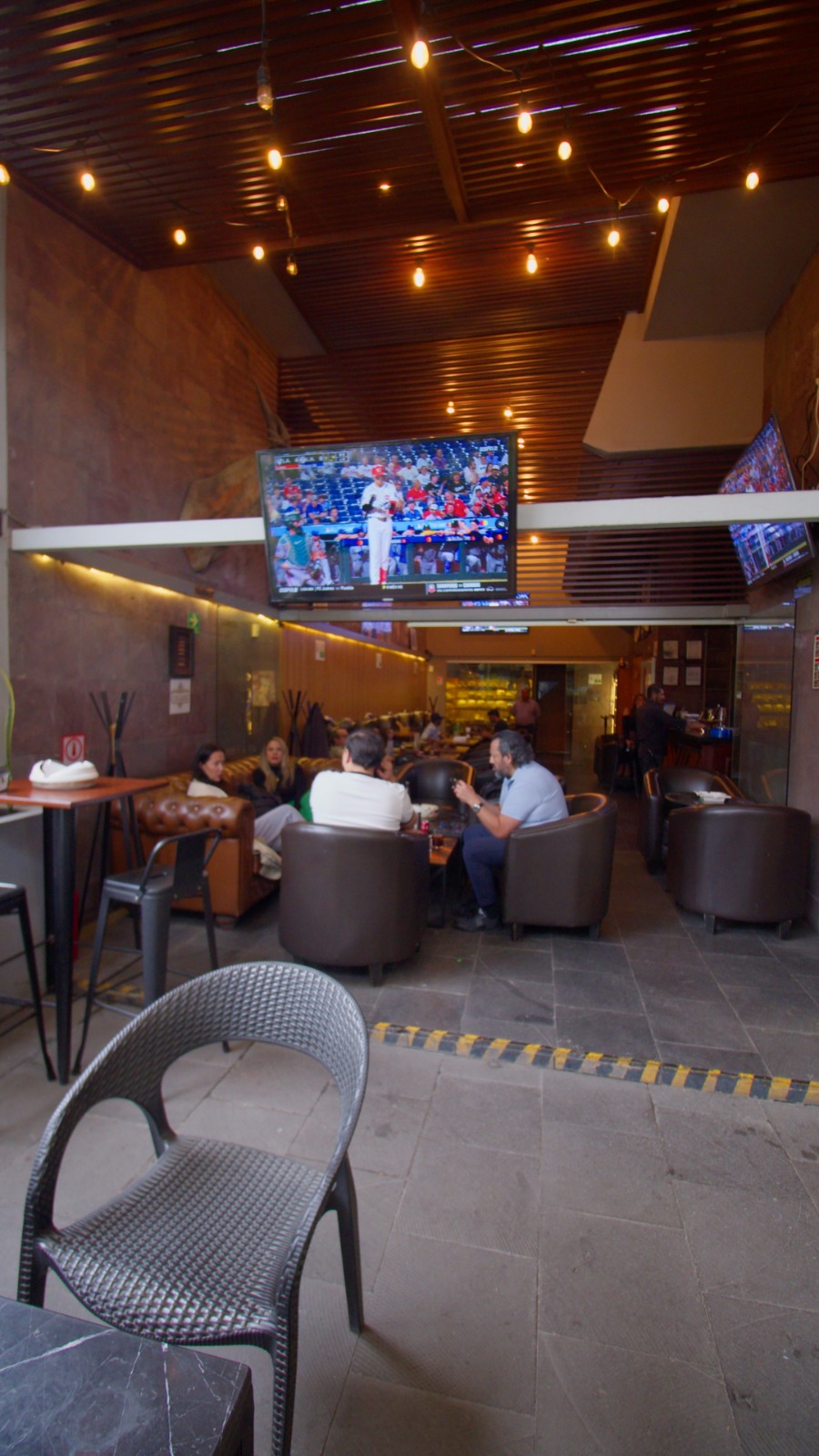
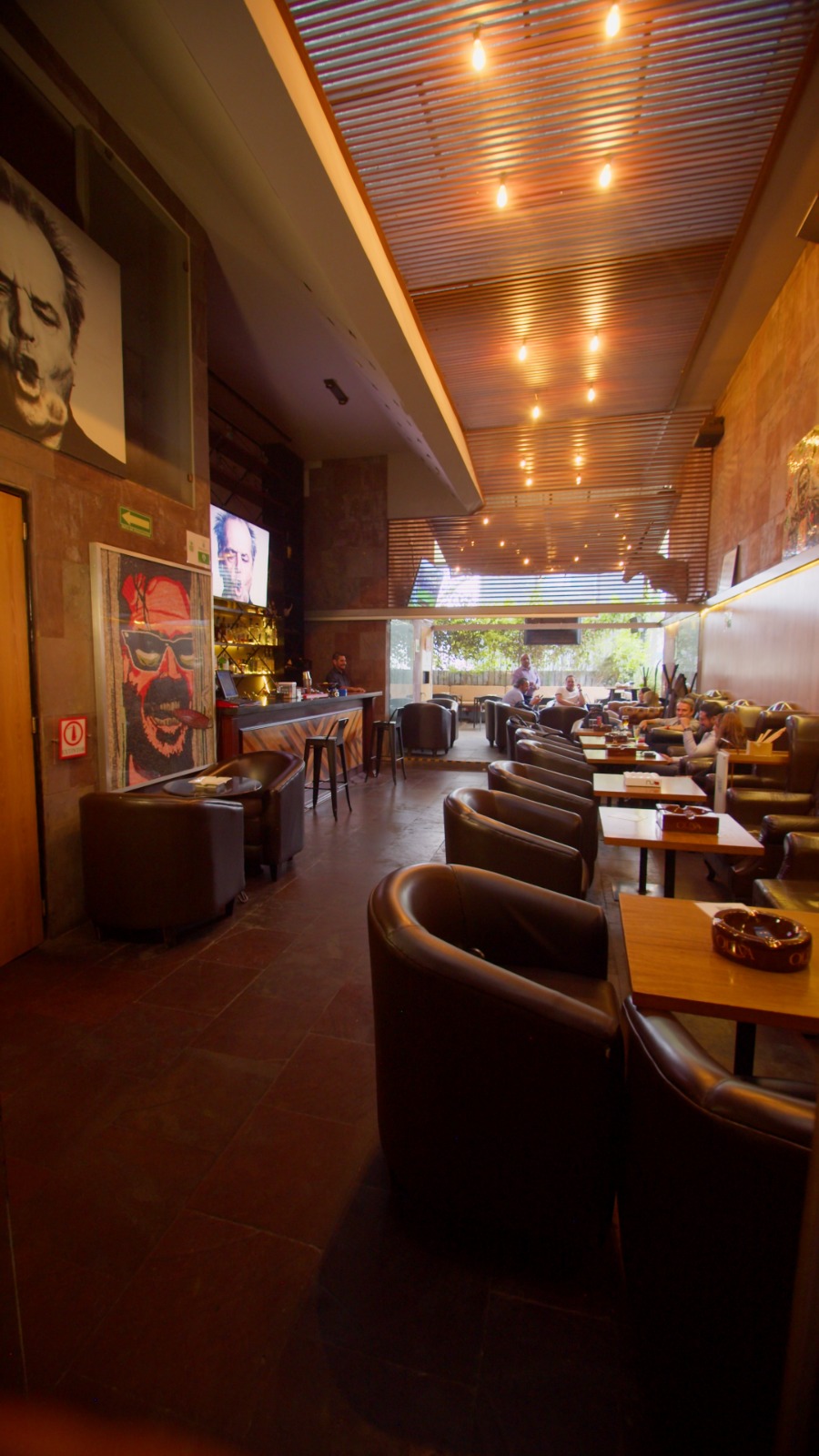
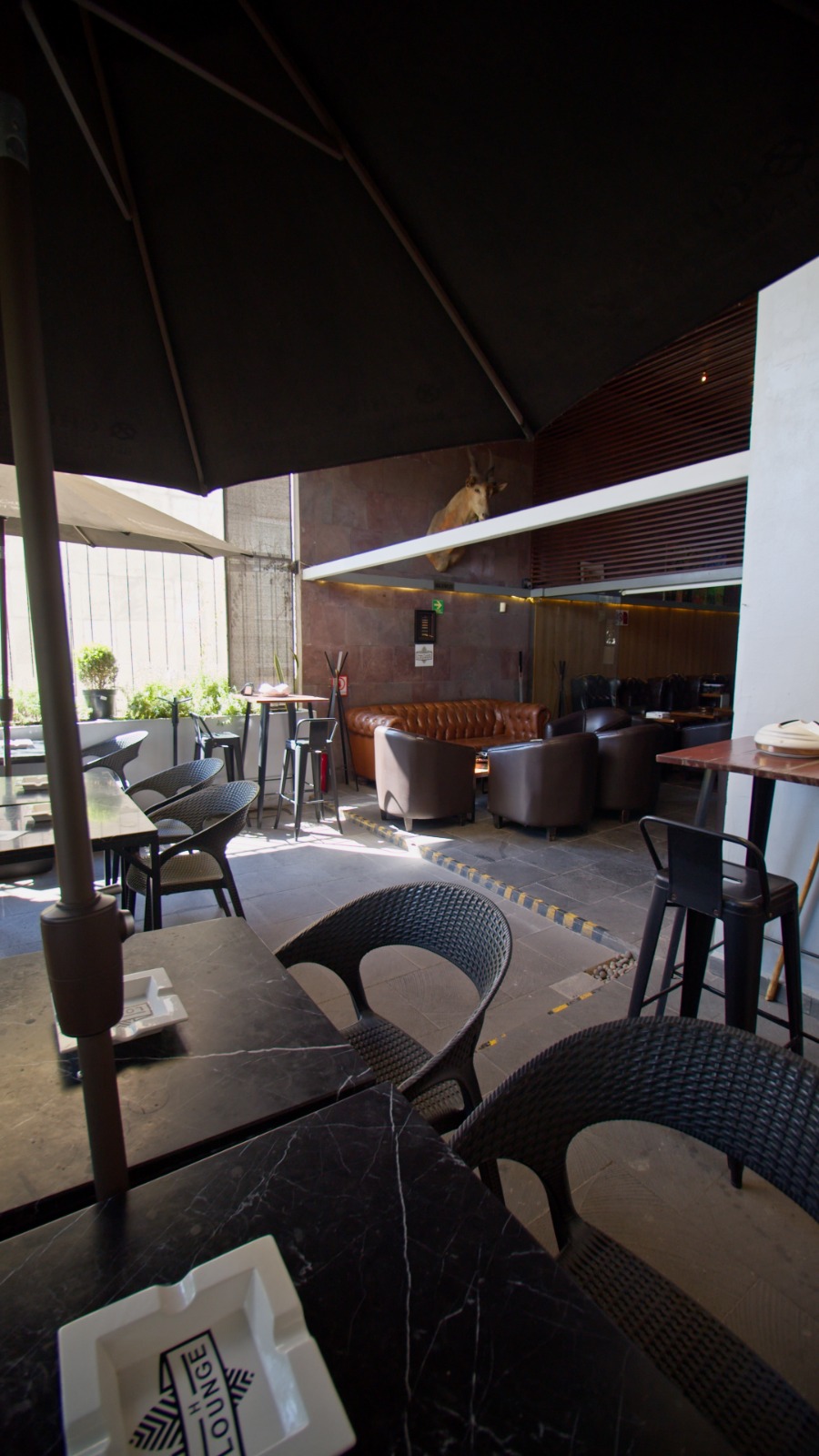
Furthermore, he operates an emblematic cigar lounge that is a mandatory destination for any enthusiast visiting or residing in Mexico City: Cigar Point. Located in the Roma neighborhood, it will serve as the inaugural venue for PCA Connect Mexico 2026, held across various regions of the country from August 23 to 30. This traveling event aims to foster education, networking, and industry growth by uniting the expertise of established organizations such as the Premium Cigar Association (PCA), The Cigar Academy, and Cigar Roller MX.
Ahead of the event’s launch at Cigar Point on August 24, we sat down with Bernardo to discuss the state of Mexico’s premium cigar market, the logistical and fiscal hurdles of distribution, consumer trends, and future projections for the industry.


High Risk and Extreme Complexity
Behind every cigar lit in a Mexican lounge lies an intricate supply and regulatory chain that few consumers fully appreciate. Consequently, importing and distributing premium cigars is an exacting, high-stakes endeavor where “everything must go perfectly”.
Consider uneven tariff structures: non-Cuban origins do not face uniform duties. While imports from the Dominican Republic and Honduras can incur tariffs up to 45 percent, Nicaraguan cigars are duty-free under an exemption within the Central America Free Trade Agreement. This tax advantage allows Nicaraguan manufacturers to offer an exceptional price-to-quality ratio, explaining their dominant presence in the domestic market.
Furthermore, importers face severe cash-flow pressures due to mandatory advance tax payments. Mexican legislation strictly prohibits using bonded warehouses to defer duties while storing tobacco.
This is compounded by customs and preservation risks. Shipments are frequently held for regulatory inspections for up to 30 days, compromising the humidity and integrity of the raw leaf and requiring importers to fumigate and slowly restabilize the product prior to market release.
Regulatory compliance is equally demanding. Each shipment requires seamlessly coordinated health licenses between Mexico’s COFEPRIS and foreign export agencies, along with the application of mandatory graphic health warning pictograms on boxes and packaging.

The Mexican Market
Mexico boasts one of the deepest histories in global tobacco, standing alongside Cuba, the Dominican Republic, and the United States as one of the four historic pillars of premium cigar leaf cultivation. Though the current market footprint is diminished, it retains substantial latent potential.
In the 16th century, Mexico housed the world’s largest tobacco factory, employing over nine thousand workers. It was a premier exporter of finished cigars and raw leaf, and bands from brands established in the late 17th century remain among the most coveted by vitolphilists worldwide. Legendary century-old factories like te Corrales’ La Perla and thea Balsa brothers’ La Prueba reflect this heritage.
Today, Bernardo notes, the Mexican premium cigar sector is primarily tourist-driven. While rich in history, the market is navigating a transitional phase marked by modern growth opportunities and stringent regulatory shifts.
Historically, Cuban cigars (Habanos) have dominated the country due to American tourism—Mexico’s largest visitor demographic—seeking products unavailable in their home market, with Habanos representing roughly 70 percent of tourist sales.
Among domestic consumers, however, consumption is evenly split at 50 percent Habanos and 50 percent New World origins, representing an estimated total volume of three million units annually.
While modest compared to the U.S. market—which imports over 400 million cigars per year—Mexico shows robust commercial health and consistent upward momentum. The primary domestic markets cluster around major central urban centers including Mexico City, Puebla, and Querétaro, alongside Saltillo, Monterrey, Guadalajara, Mérida, and Tijuana. Cancún and the Riviera Maya represent the benchmark for the tourist-driven segment.
The local consumer base is witnessing an influx of new smokers defined by distinct traits:
Community and Digital Disconnection: Driven by remote work, artificial intelligence, and screen fatigue, consumers seek physical lounges to connect face-to-face, utilizing the ritual of cigar smoking as a conduit for authentic social gathering.
Aspirational Beginners: Forming the critical mass of new consumers, these smokers actively seek technical knowledge, explore varied blends, and carry no dogmatic attachment to traditional Cuban marques.
Palate Preferences: “The average Mexican consumer prefers mild-to-medium strength cigars with toasted, approachable flavor profiles. There is a clear preference for light Connecticut wrappers and classic vitolas such as Robusto and Toro”.
Nicotine Tolerance: Unlike mature markets like the United States —which Bernardo estimates is 20 years ahead in cigar culture— the domestic market prefers approachable smokes over high-nicotine, heavily aged maduro wrappers or intense, spice-heavy profiles. Foreign manufacturers are often surprised that local affinity for bold cuisine or tequila does not translate to aggressive cigar blends.
The Importing House
Vitolas del Mundo was established in 2016 as Vitolas del Caribe, initially holding exclusive distribution rights for Rocky Patel. In 2018, Bernardo Andrés —drawing on nearly a decade of experience as Commercial Director for Habanos in Mexico— joined as partner and Managing Director.
The portfolio soon expanded to include Alec Bradley and Oscar Valladares. A strategic merger with another distributor handling Oliva and Gurkha led to the company’s current name and a consolidated portfolio featuring Oliva, Gurkha, Oscar Valladares, Alec Bradley, and Rocky Patel, later adding A.J. Fernandez and official representation for Boveda.
To cater to domestic demand for mild-to-medium profiles, the company initially focused on Connecticut-wrapped Robustos and Toros. Top performers included Rocky Patel’s Vintage 1999 and Catch 22, alongside the Oliva Connecticut Reserve.
The company has since restructured its portfolio around core commercial pillars Rocky Patel, Oliva, and A.J. Fernandez, while onboarding boutique brand Esteban Carreras and preparing the Mexican release of Rafael Nodal’s Aging Room.
Operating strictly on a Business-to-Business (B2B) model, Vitolas del Mundo refrains from running owned retail outlets, directing its efforts entirely toward supplying, promoting, and building brands across tobacconists and specialized lounges nationwide.