Aiming to diversify the economy and showcase the cultural richness of the country’s eastern region, Carlos Castillo, president of the Danlí Chamber of Tourism and a tobacco producer, announced that the organization is designing and will implement the “Tobacco Route” and the “Coffee and Tobacco Route.”
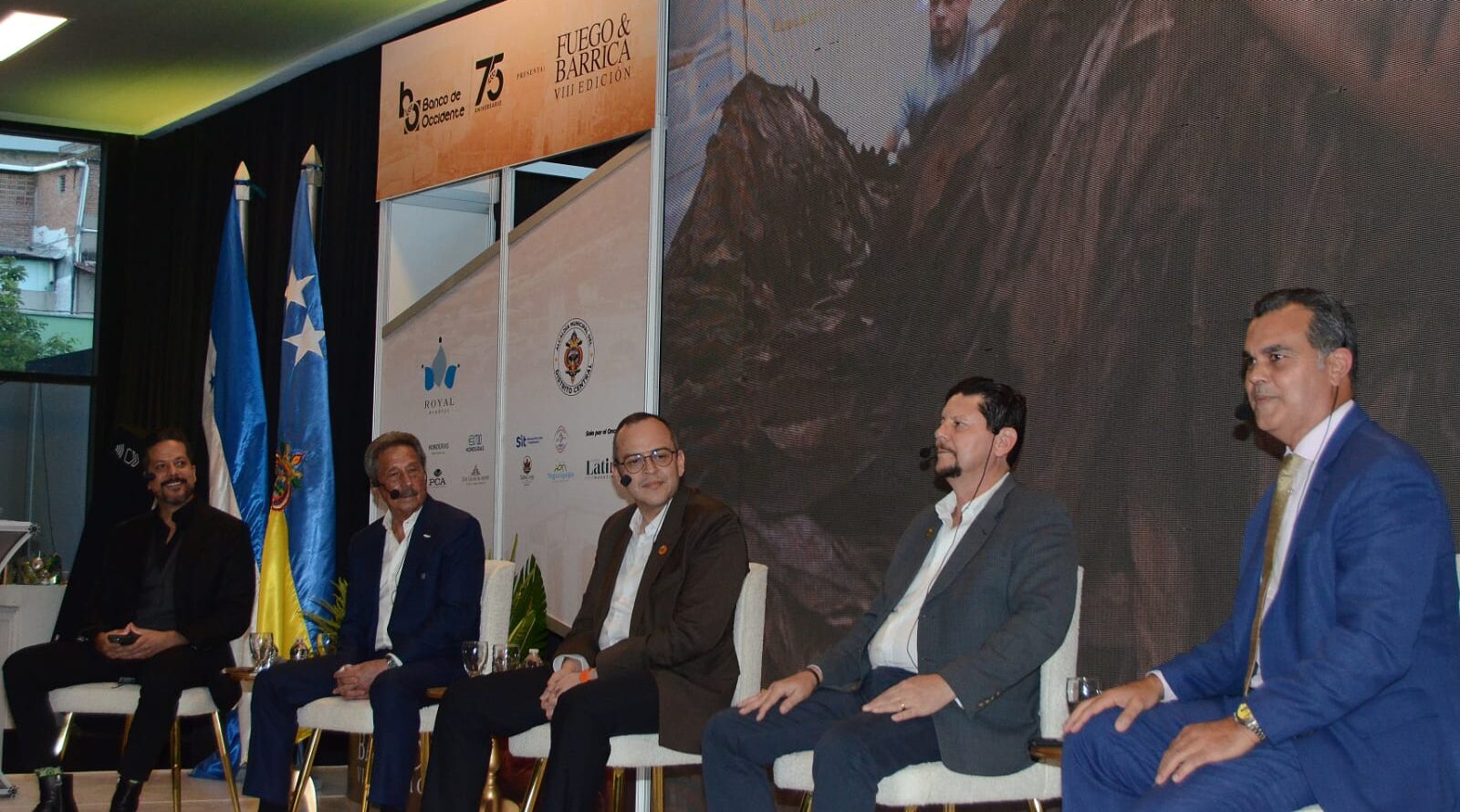
Speaking on the expert panel “The Honduran Tobacco Industry: Challenges and Opportunities” held during the eighth edition of Fuego & Barrica, he stated that this initiative is backed by the Honduran government and seeks to replicate the successful industrial tourism models of other producing nations, educating both local consumers and foreign visitors on the meticulous process of growing and manufacturing premium cigars.
One of the key points presented by Carlos Castillo to ensure the success of the Tobacco Route is partnering with the educational sector. Currently, the city of Danlí has five university centers, one of which formally offers a degree program in Tourism.
For this reason, he proposed that universities incorporate specialized courses on the tobacco sector into their curricula to graduate qualified tour operators and tour guides. “Our people take enormous pride and warmth in welcoming foreigners, but we need to equip them with specialized technical knowledge so they can convey our deep roots, history, and the quality of the artisanal process,” he explained.
He highlighted the excellent security conditions in the city of Danlí, describing it as one of the most peaceful cities with the lowest unemployment rates in Honduras. This factor, combined with the construction of new hotels and a vibrant culinary scene—which already includes Cuban, Peruvian, Italian, and Russian restaurants—prepares the city to welcome high-end international tourism.
Furthermore, he expressed gratitude for the efforts of the Secretariat of Infrastructure and Transportation (SIT) to complete the paving of the highway connecting Tegucigalpa to Danlí, reducing the trip to just a hour-and-a-half drive.
A Centuries-Old History Backed by Development Laws
He recalled that systematic farming in the Jamastrán Valley and neighboring areas dates back to the late 18th century. Following a period leading to organized agricultural production, in 1908 the Honduran government demonstrated great vision for development by bringing in two foreign experts to establish the National Tobacco School in Santa Rosa de Copán, paying them a salary equivalent to the cost of 20 cows per month.
That effort was driven by the Tobacco Development Law, created in 1895 under the presidency of Policarpo Bonilla and actively promoted by local legislators and producers. “History backs us; the moment we position ourselves by continuously improving our quality and sharing it with the world through tourism, demand will grow, and we will create far more jobs.”
Finally, he affirmed that the quality of Honduran products, combined with the country’s immense advantage in human resources and the availability of fertile land—compared to saturated competitors like the Dominican Republic—places Honduras in an unbeatable showcase to conquer new international markets in Asia and Europe.