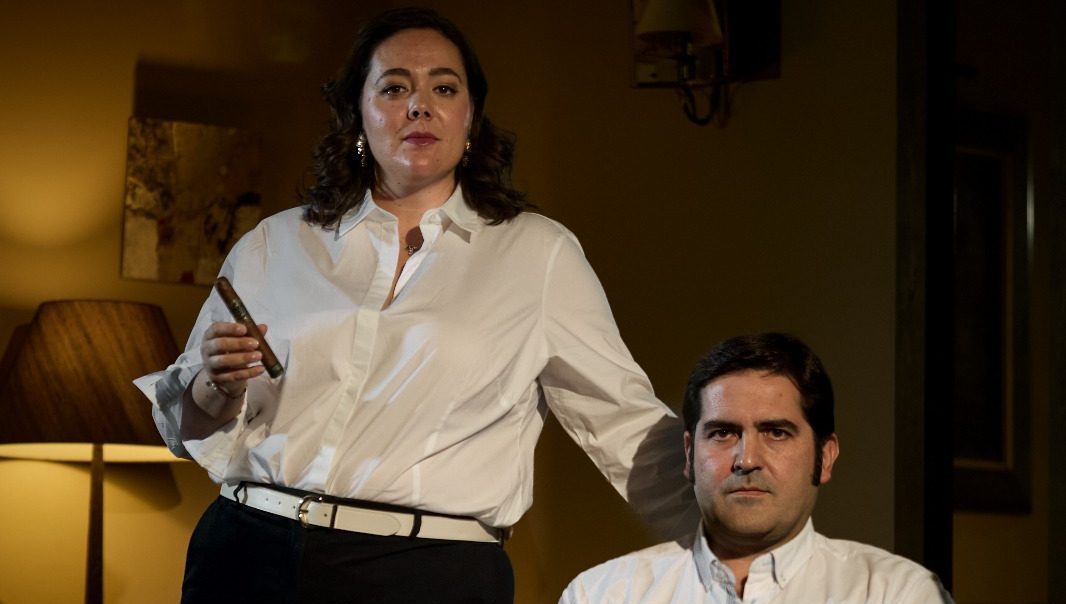
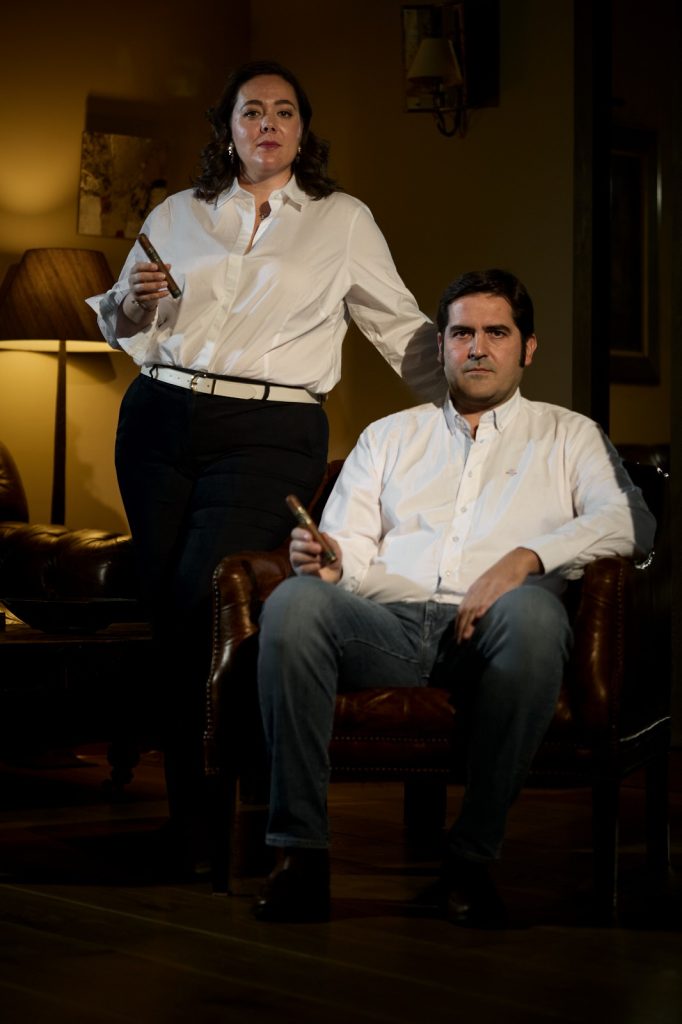
For David Martín Serrano and María Esther Carabias Castro, enjoying tobacco always represented a special moment, whether it was at a wedding, at the bullring, or while socializing with friends. Smoking was a recreational activity that turned into a passion and a meeting point that –along with their children, Fernando and Esperanza– amalgamated into an entrepreneurial marriage setting sail on its journey into the Tobacco World.
Among a sea of options for naming their debut line –some already registered and others lacking the necessary impact– the couple decided on Hoja de Quisqueya. A brand that in just three words expresses the essence of their cigar, framing flavor, heritage, tradition, and elegance; a meeting of two worlds –Taíno and Castilian– from the hands of Spain and the Dominican Republic, by and for the enjoyment of tobacco.
Read in the magazine (rotate your device for a better reading experience):
A Couple, A Team
David Martín Serrano was born in Salamanca, Castile and León, the youngest of seven children in a family with an endless list of cousins, aunts, and uncles. His academic preparation reached the secondary level, as he joined the family’s ground transportation business at 19, opting for empirical education.
Between 2012 and 2013, immersed in the life of trade and business, he became involved in the import of charcoal from Cuba and the buying and selling of other food products, igniting an affinity that, a decade later and after visiting the Dominican Republic, would lead him to venture into the premium tobacco industry.
For David, a Vega Fina –the typical wedding cigar– marked his initiation as a smoker, and although he doesn’t recall specific details, he treasures the flavors and aromas of a later Montecristo No. 3. But he can’t forget the experience provided by the first cigar he tried at Martín Cornelio’s shop in La Romana, Dominican Republic: “It was a bandless cigar that had me thinking about it all day. It could have been a Flor de Bayahibe or any other of the creations that characterize our master blender.”
On the other side, María Esther Carabias Castro was born in Avilés, Asturias, into a very small family, being an only child with barely one uncle on each side of her parents. At 25, she left her homeland to work in Madrid, the capital, following the example of her grandparents, who under the culture of effort arrived in Asturias to prosper.
She studied Business Administration and Management at the University of Oviedo and complemented her professional training with a one-year residency in Dublin, Ireland. In 2008, she started her professional career as an employee at Deloitte, S.L., in the field of auditing and consulting.
For ten years, she specialized in the banking sector, and in 2018, she decided to shift her career toward the insurance sector, working for the second-largest company in the field in Spain. In 2025, she took a second turn –one she projects as definitive– to dedicate her time to driving Martín Diego Cigars, the family company with which they launch Hoja de Quisqueya and develop a couple of other projects.
Regarding tobacco, there was always a memory of Don Eloy smoking a Farias at her maternal grandfather’s house. But for her, just like David, a Montecristo No. 3 lit alongside Juanjo, a coworker, was one of the first sticks to touch her palate.
In 2022, to celebrate David’s 40th birthday, María Esther organized a trip to Punta Cana, in the Dominican Republic: “It was a gift, one of those things you do once in a lifetime for a big celebration.” When planning, she also considered Miami, New York, or Panama, but fate had something prepared for them in Quisqueya, the Taíno name for the Dominican Republic.
Thus, they arrived in Punta Cana for the vacation of their lives, and what they found, besides sun, beach, and sand, was a small cigar rolling and sales establishment where a man named Faustino hooked David with the idea of tobacco trade.
Business is David’s domain; he is constantly thinking about how to start something new, while María Esther acts as his complement to make and execute the decisions from a variety of projects that arise in his mind.
In late 2023, the idea took shape, resulting in their current two blends, based on the feasibility of the investment and the confirmation of their passion. “We firmly believe that we contribute something to the development and promotion of the Dominican cigar, and that is why we chose a name so intimate to the local culture.”
David and María Esther met during a wedding in Salamanca –where they now have their family residence– starting a story that today adds up to 19 years of teamwork.
Martín Cornelio: A Serendipitous Encounter
Fueled by his curiosity about the industry and a growing affinity for cigars, David set out to find someone who could help him materialize his desire to create what he calls The Dominican Cigar. “It was obvious that on the Internet I could find La Aurora, La Flor Dominicana, or Arturo Fuente, but those weren’t options for having a brand made for me,” David recalls.
Finally, and by chance, the encounter with Cornelio Cigars Factory occurred via Facebook, a social network he used to maintain contact with a store employee. When the shipment of samples failed to arrive due to customs bureaucracy, the couple decided to return to the Dominican Republic in December 2023 to continue the arrangements personally.
Although it is a short journey, their trip from Punta Cana to La Romana was peculiar, experiencing the local road culture with a driver who sped them along. When they arrived at the factory, David –who stepped out of the car pale– didn’t feel like smoking, but Martín Cornelio’s firm statement and personality left him no alternative: “I cannot make a cigar for someone who does not smoke,” he told them. So, after a cup of coffee and the first cigar, David not only relaxed… he fell in love.
Returning to Spain, they took various samples to decide which was the best option to start the journey toward their blends. As time passed, they changed wrappers and formats until they arrived at the current line.
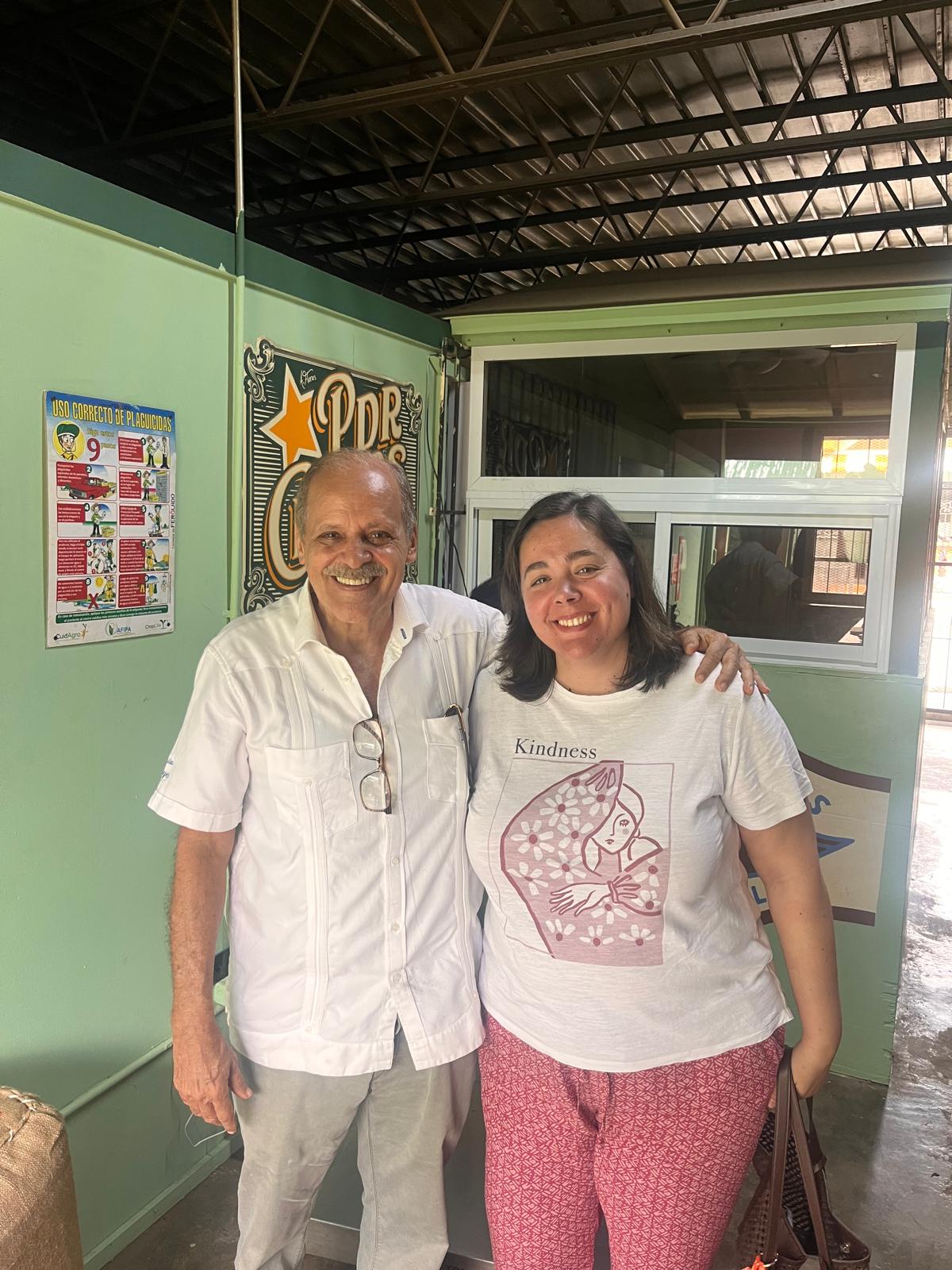
Back in 2023, David and María Esther knew nothing about Don Leo Reyes, although Cornelio had explained certain aspects of his position in the industry. It was from 2024, thanks to constant visits to his home, that everything changed. “Getting to know Leo has been quite an experience; he is someone who loves his work and can talk about tobacco for hours. The fact that he says he likes your blend is an injection of energy to keep going,” they say.
The Master Blender
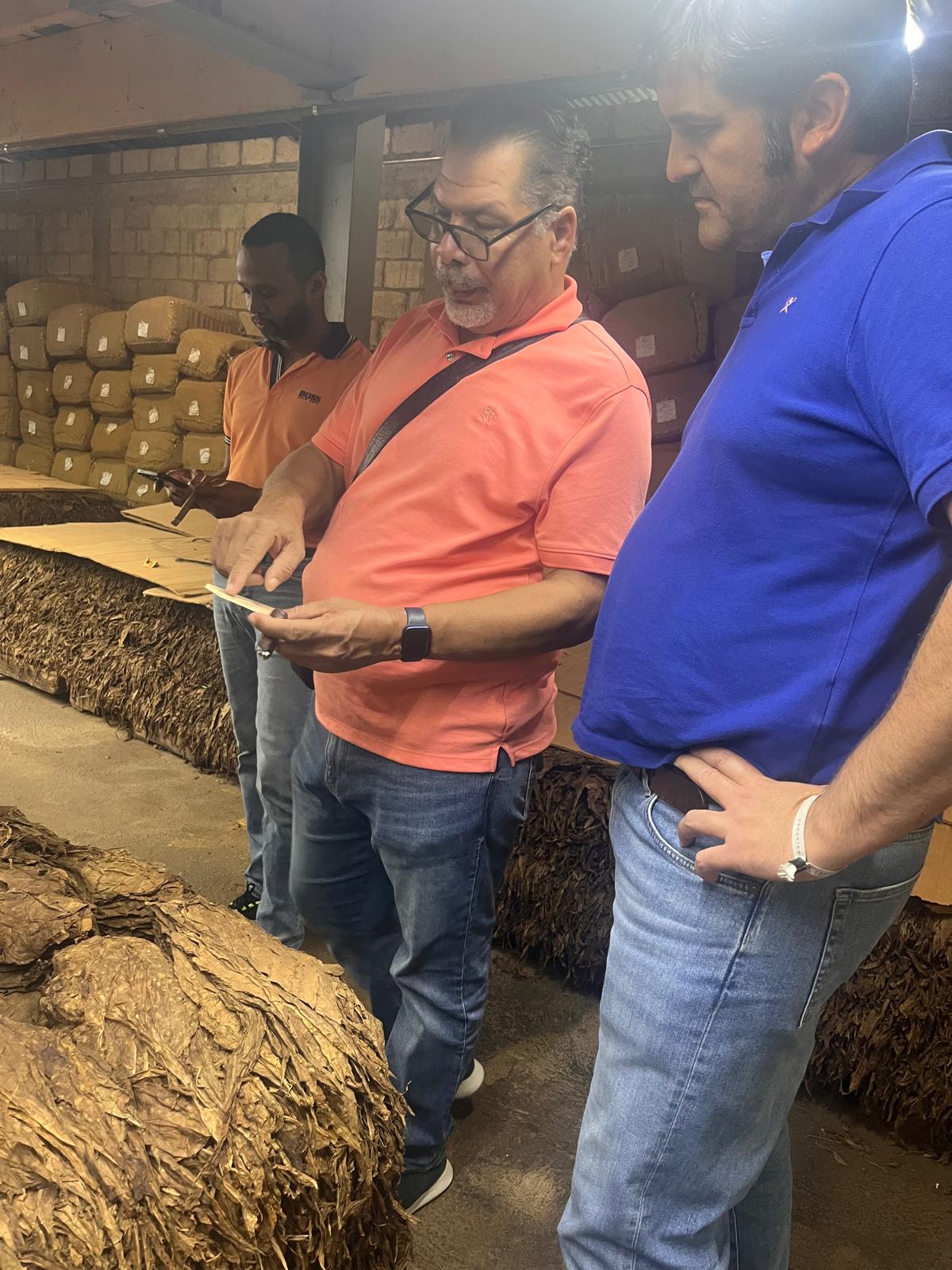
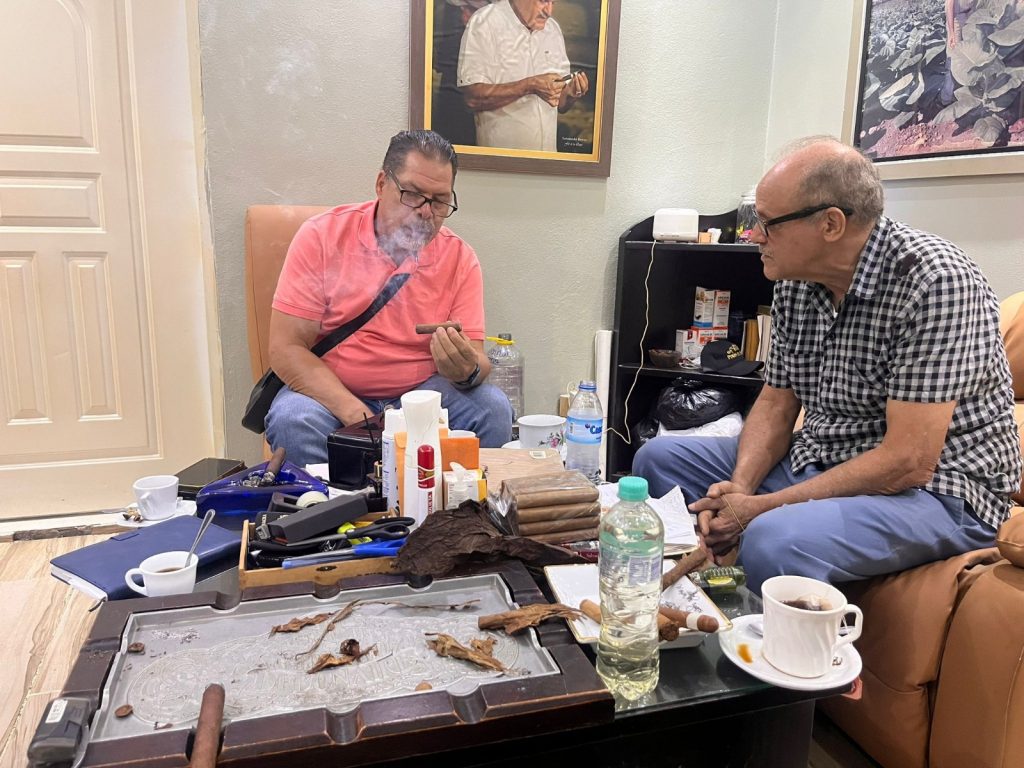
Once convinced he wanted to work with David and María Esther, after having sent samples and listened to their appraisals and objectives, Martín Cornelio knew that the blend needed a marked European style. “Over there, they are smokers; they know how to appreciate aromas and flavors above strength, and that’s what I wanted to do.”
The master blender recounts that according to the notebook in which he registers each of his creations, the process to arrive at Hoja de Quisqueya began with blend number 108732, to which variations were made based on the couple’s taste.
It was a period of more than a year of back-and-forth, making variants and samples until the final result was achieved: a mild cigar, with flavors, aromas, and many nuances. “It has a profile similar to Flor de Bayahibe, with its variation of Carbonel tobacco from Quin Díaz, which, even though they come from the same seed, are different varieties when harvested in other lands. The Quin Díaz has more aromas, more flavors, more sweetness. It is a mystery that only the natives know.”
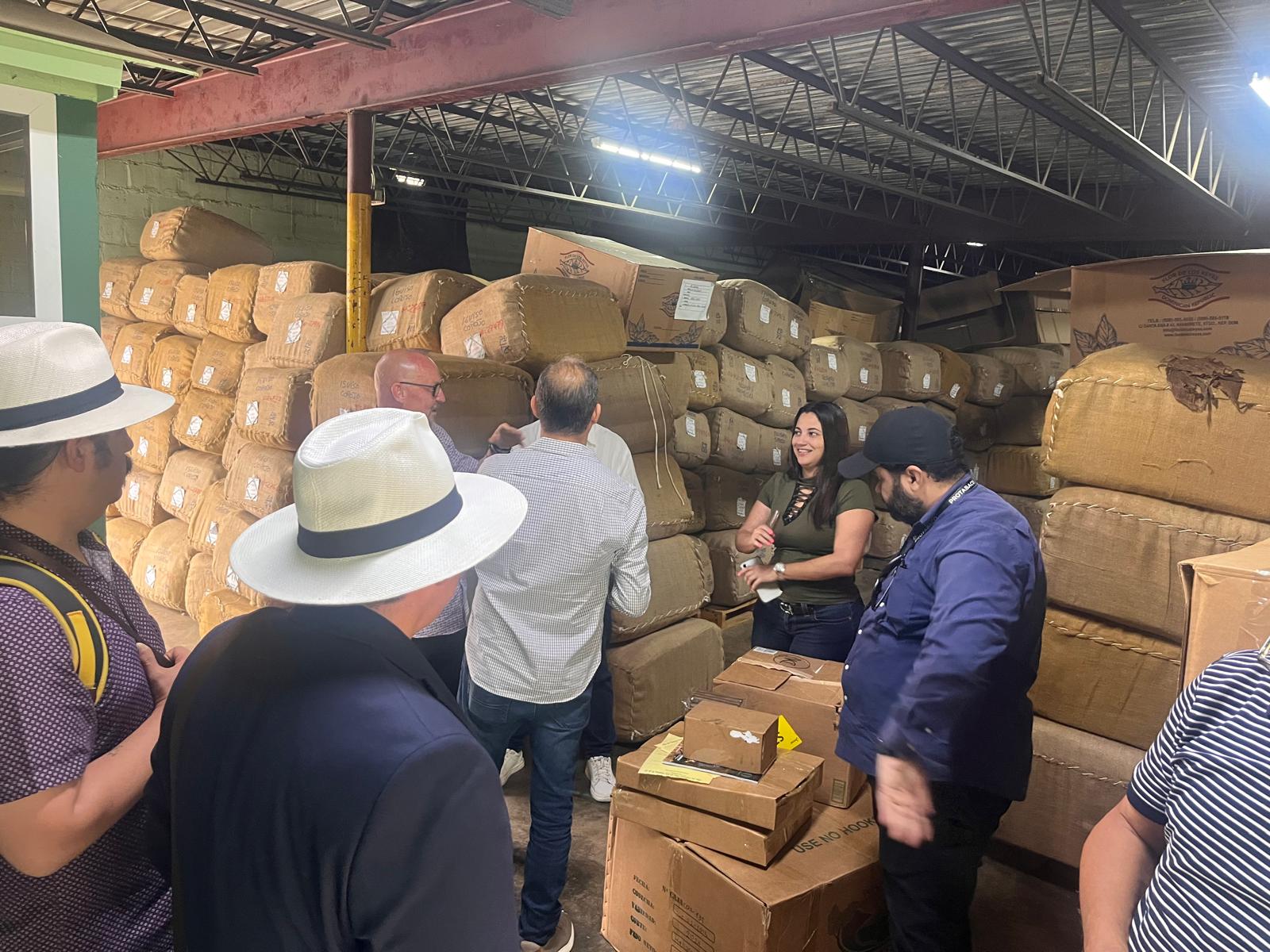
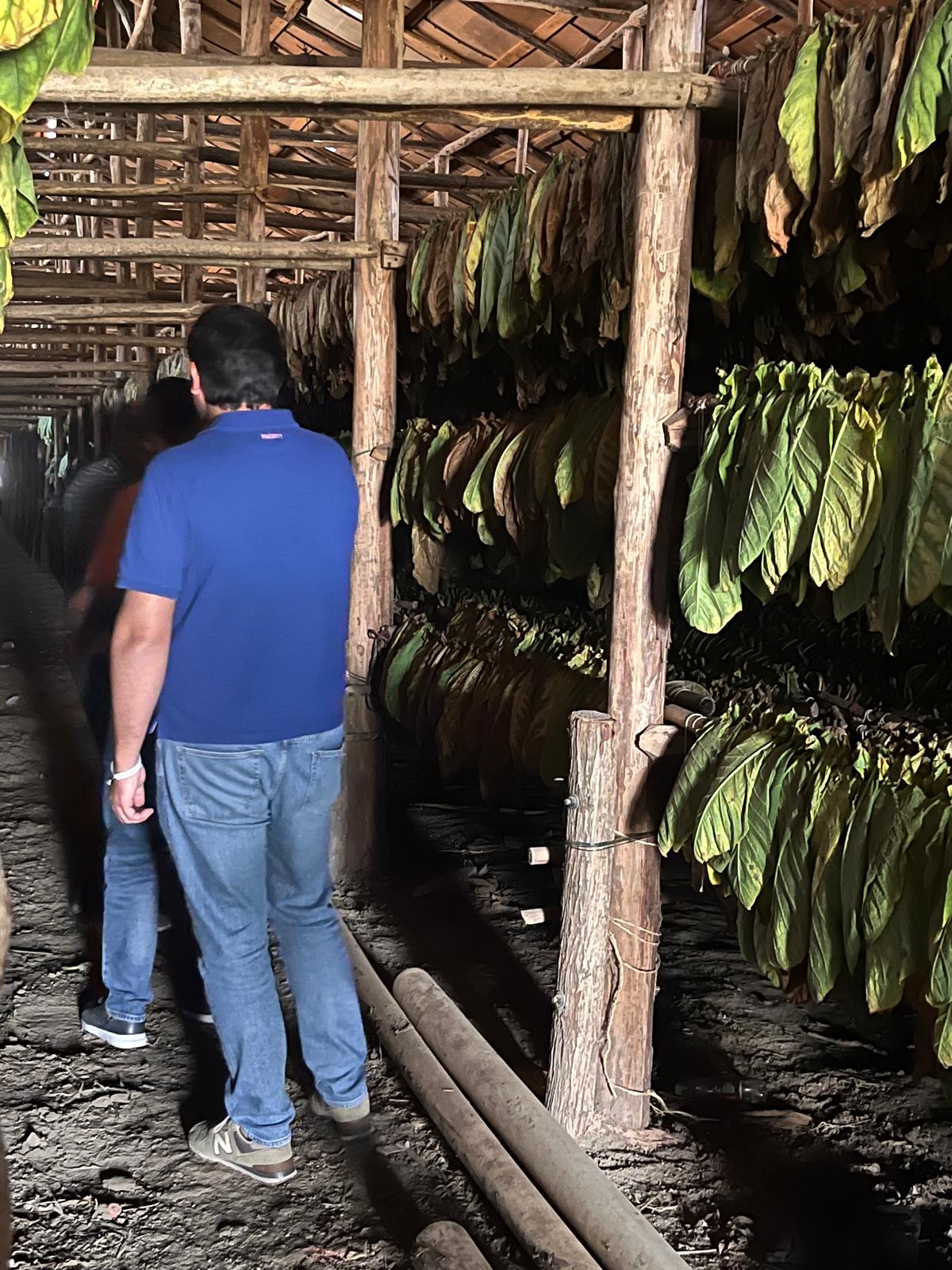
Martín Cornelio’s work, for all his cigars, is based on high-quality tobaccos provided by Don Leo Reyes; leaves with aging processes of up to six years. “I knew where the best tobaccos were stored, so I went to look for them and bought them. It is a product that almost no one uses, so I take advantage of it.”
Before leaving the factory, the cigars with which Hoja de Quisqueya made its presentation in Germany, during the InterTabac 2025 trade fair, had a resting period of half a year, and the time will continue to be added to the batch until the shipment of the total production.
Cornelio affirms that the materials that Leo sells are secured, so it is not a limited-edition blend, but leagues with a future. “I don’t use strange seeds because they don’t appear later, and I have to juggle to get or correct the blend.”
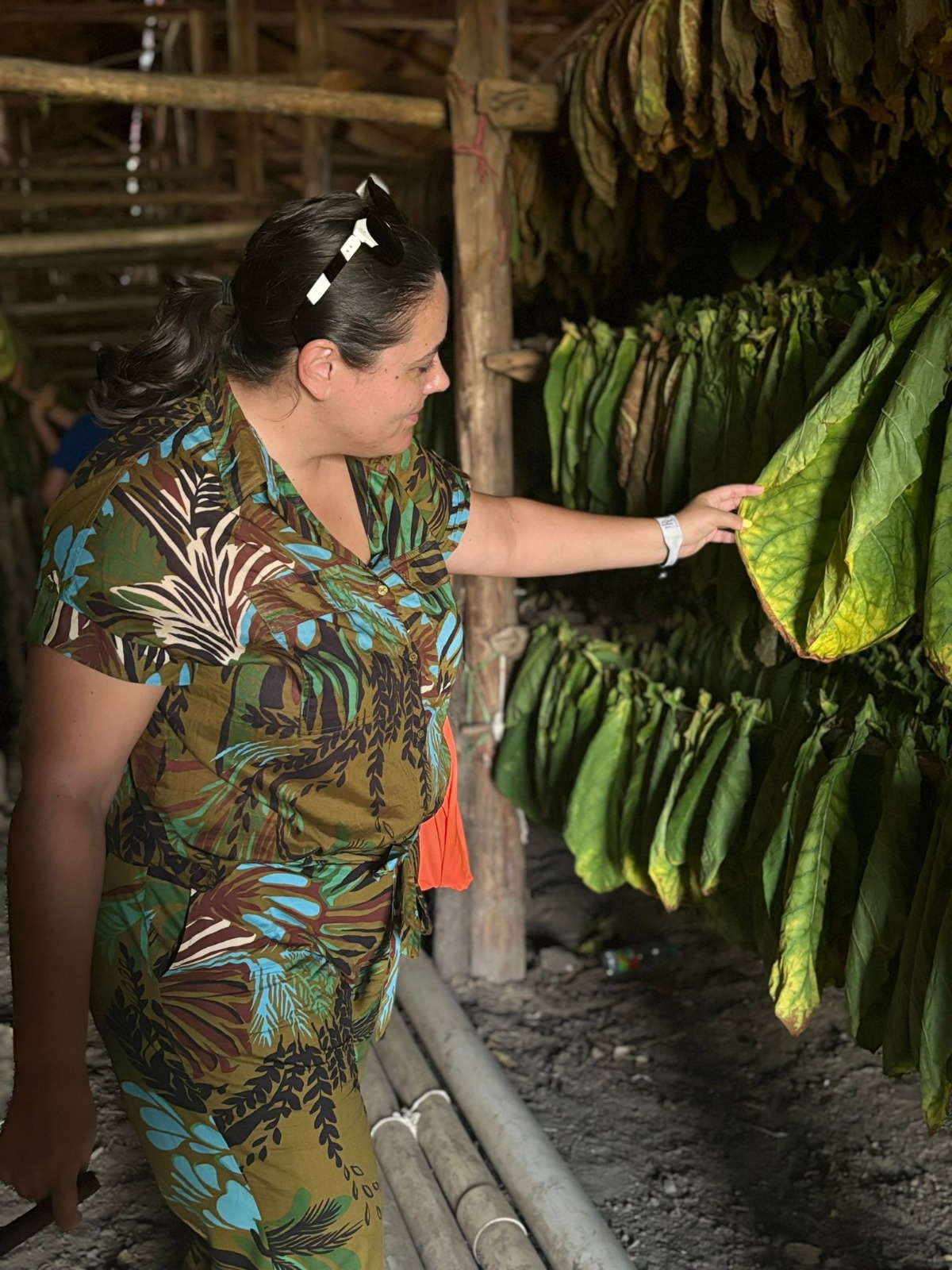
The tobaccos present in each Hoja de Quisqueya stick come from Peñuela, a land in Mao where they continue to be planted, and will only change slightly depending on the weather. “But nothing significant. With a lot of sun, the strength goes up, and with water, it goes down, but the aromas and notes remain the same, and that is what you are looking for.”
Hoja de Quisqueya
Convinced that the path to follow was to venture into the premium tobacco industry, David and María Esther commissioned Cornelio to manufacture the cigars, while they sought the name, registration, and completed all the necessary paperwork to begin.
The original name idea turned out to be a registered trademark of Spanish origin, while all the other options were also occupied in other countries. But they did not give up and finally settled on an option with a lot of identity: Hoja de Quisqueya.
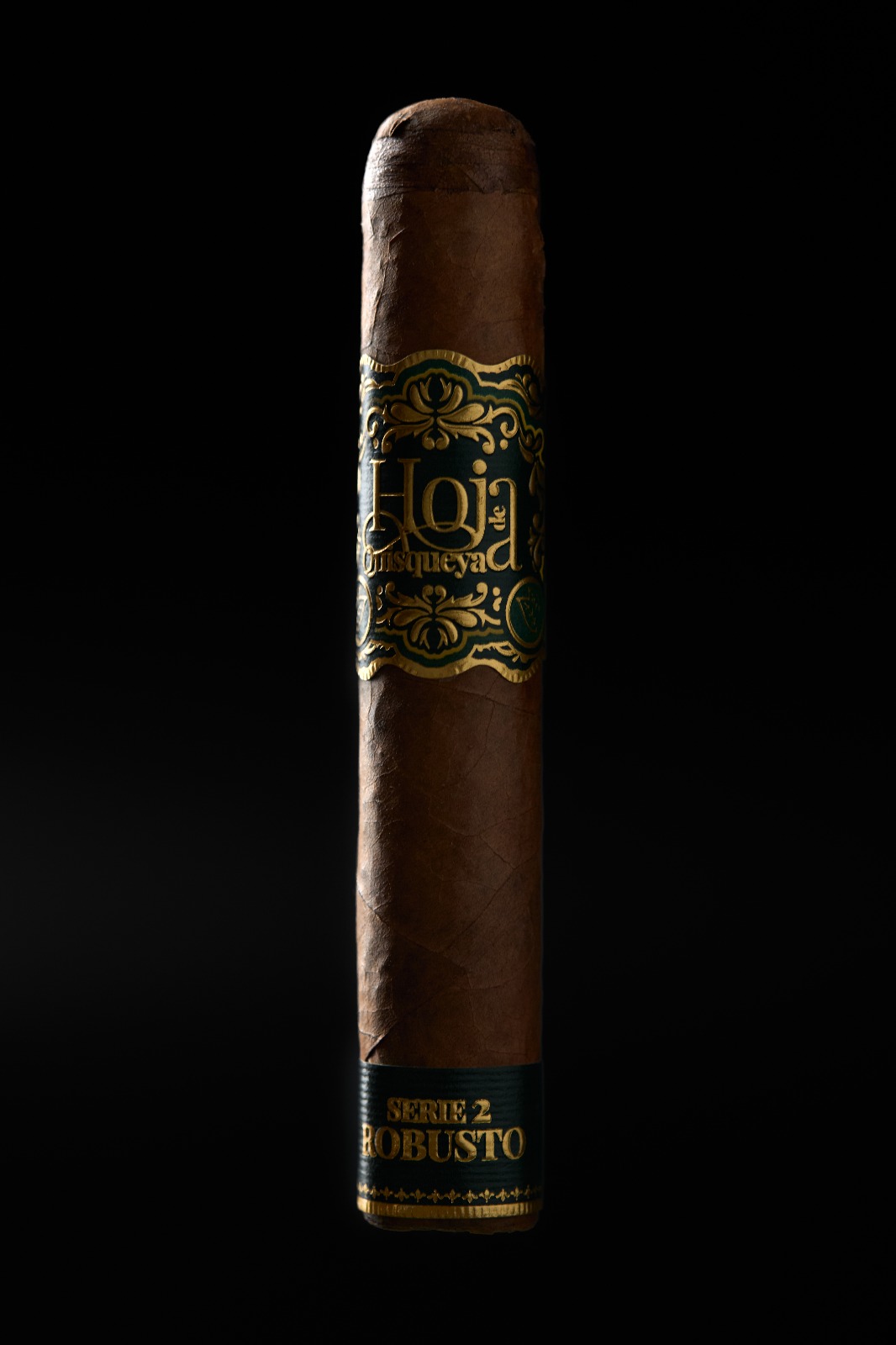
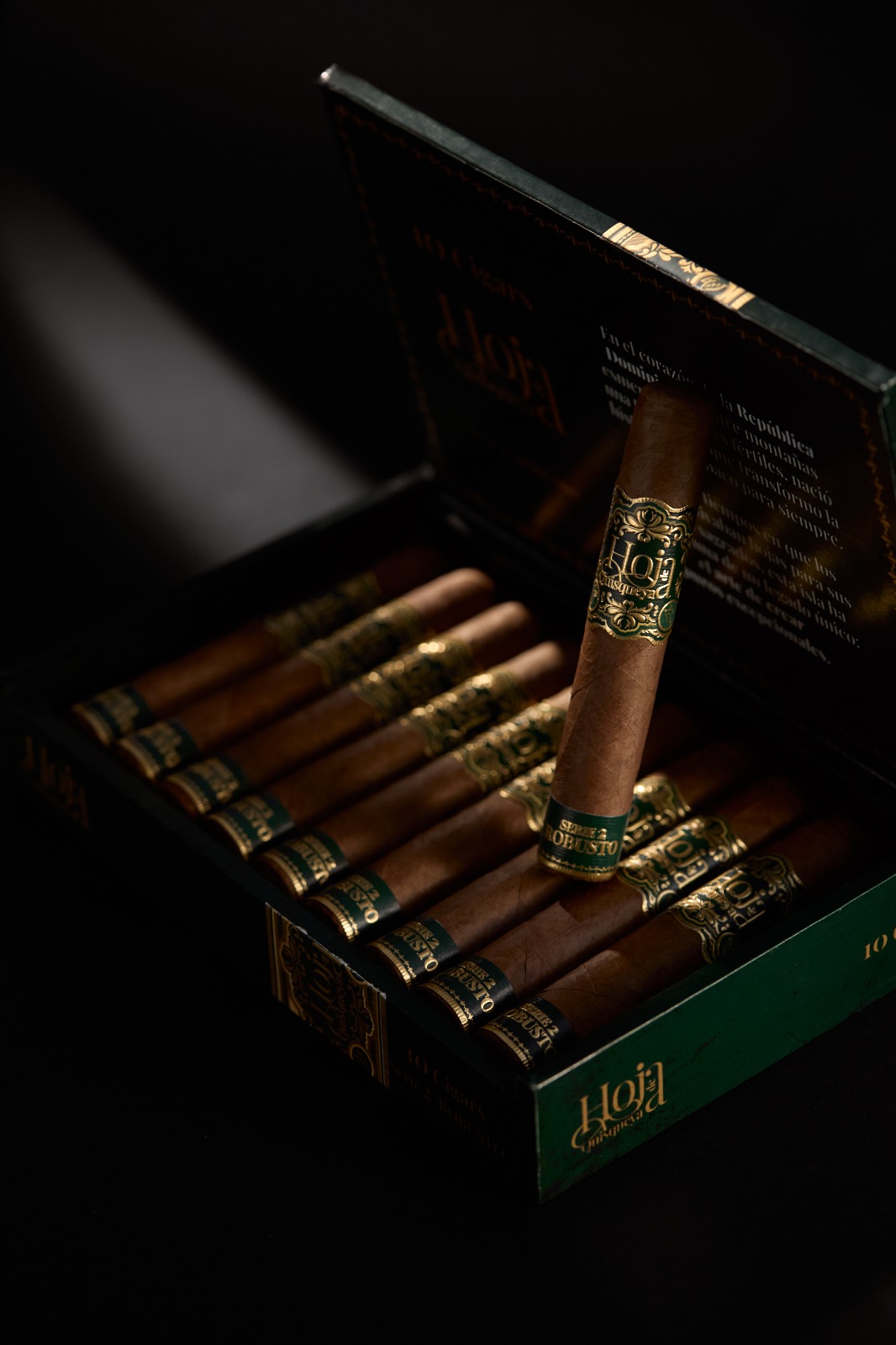
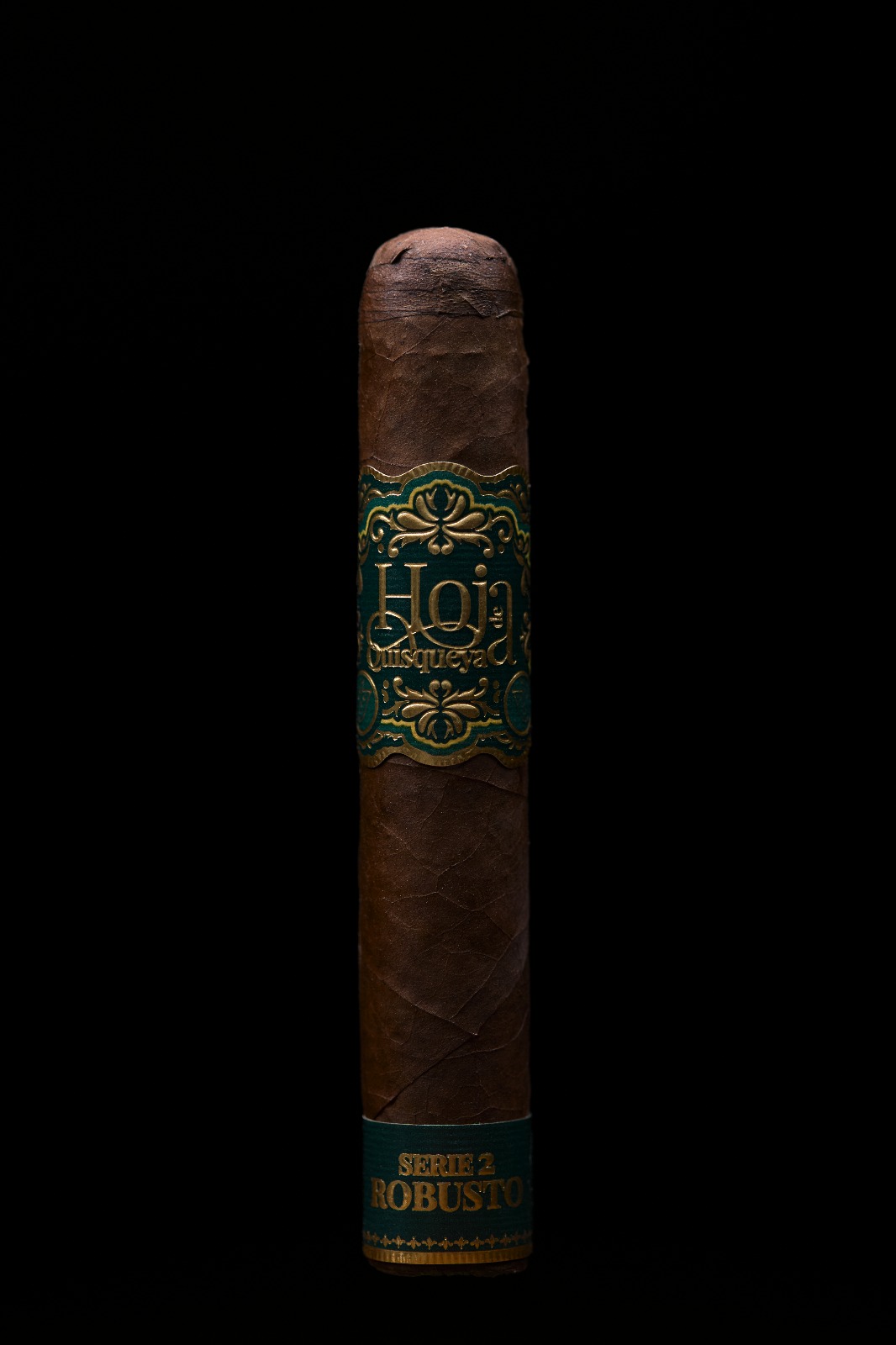
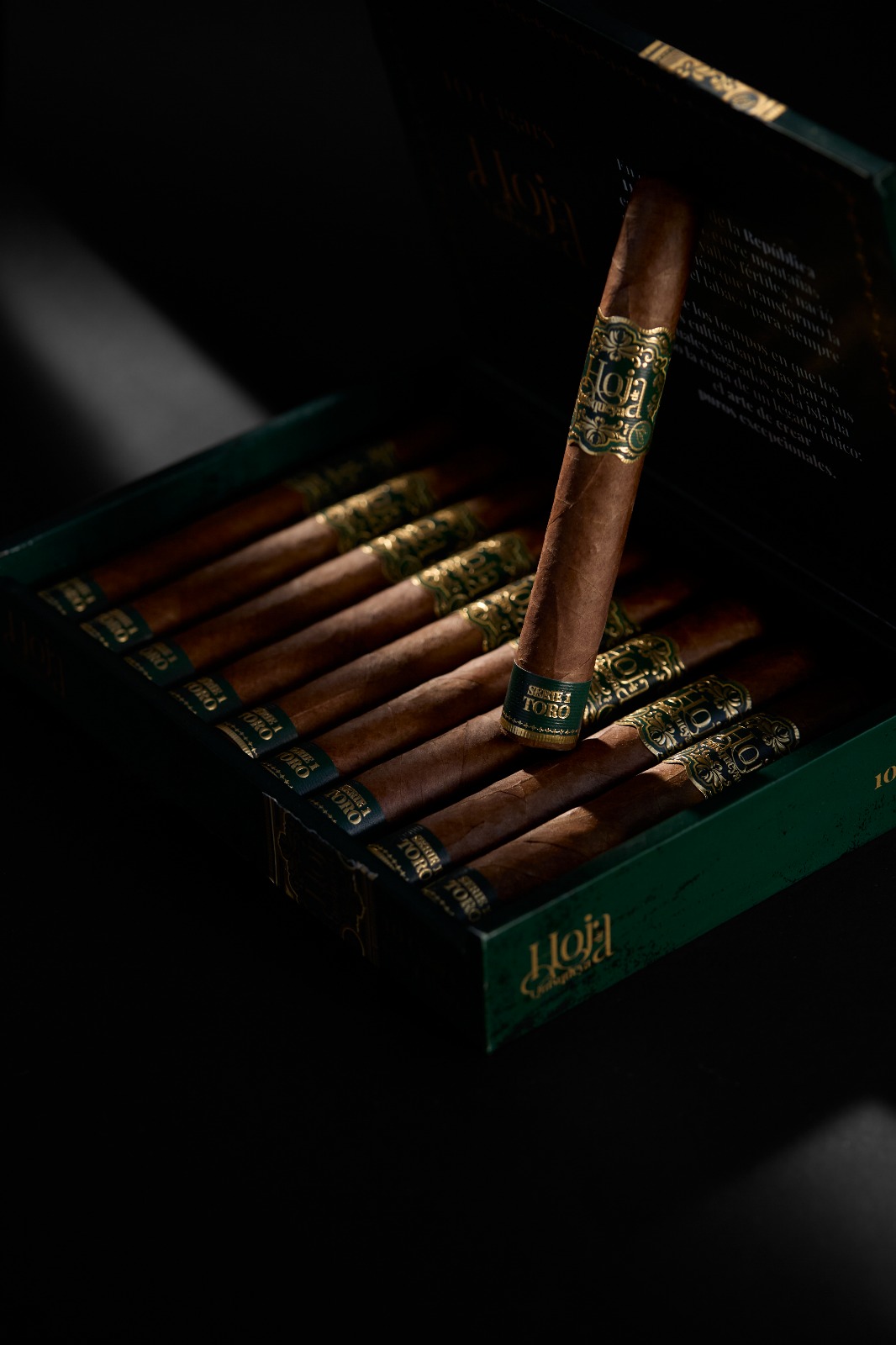
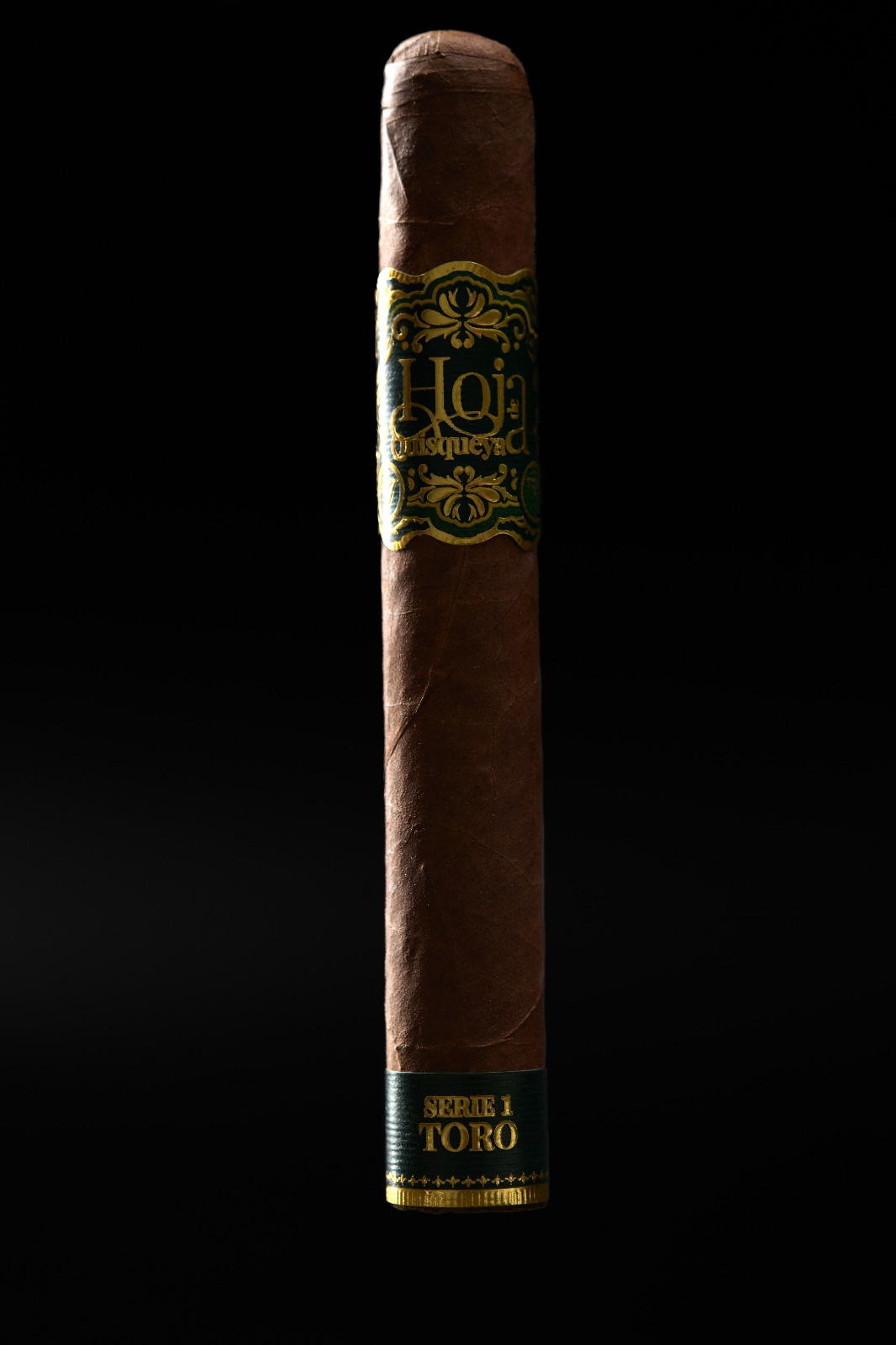
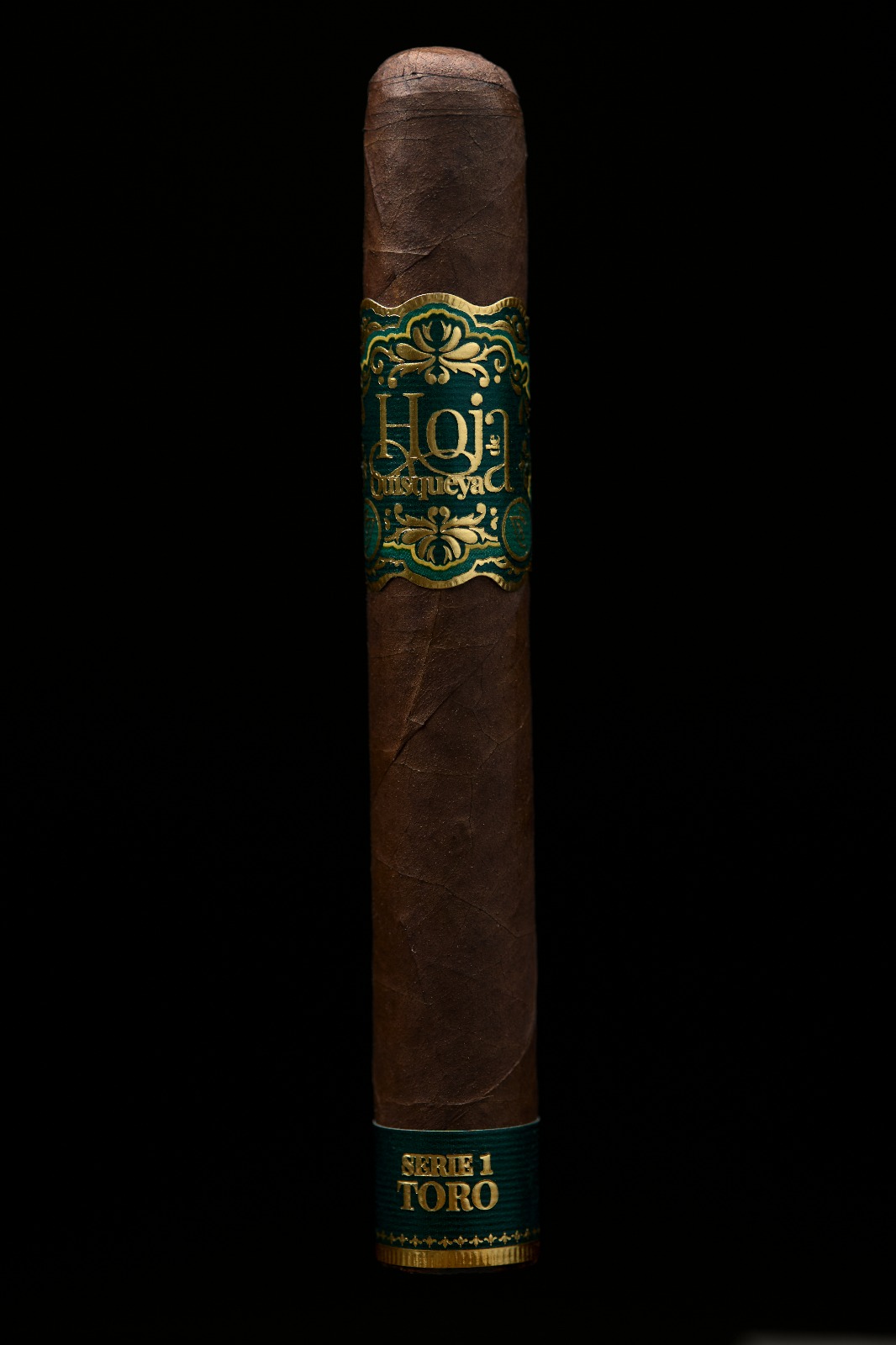
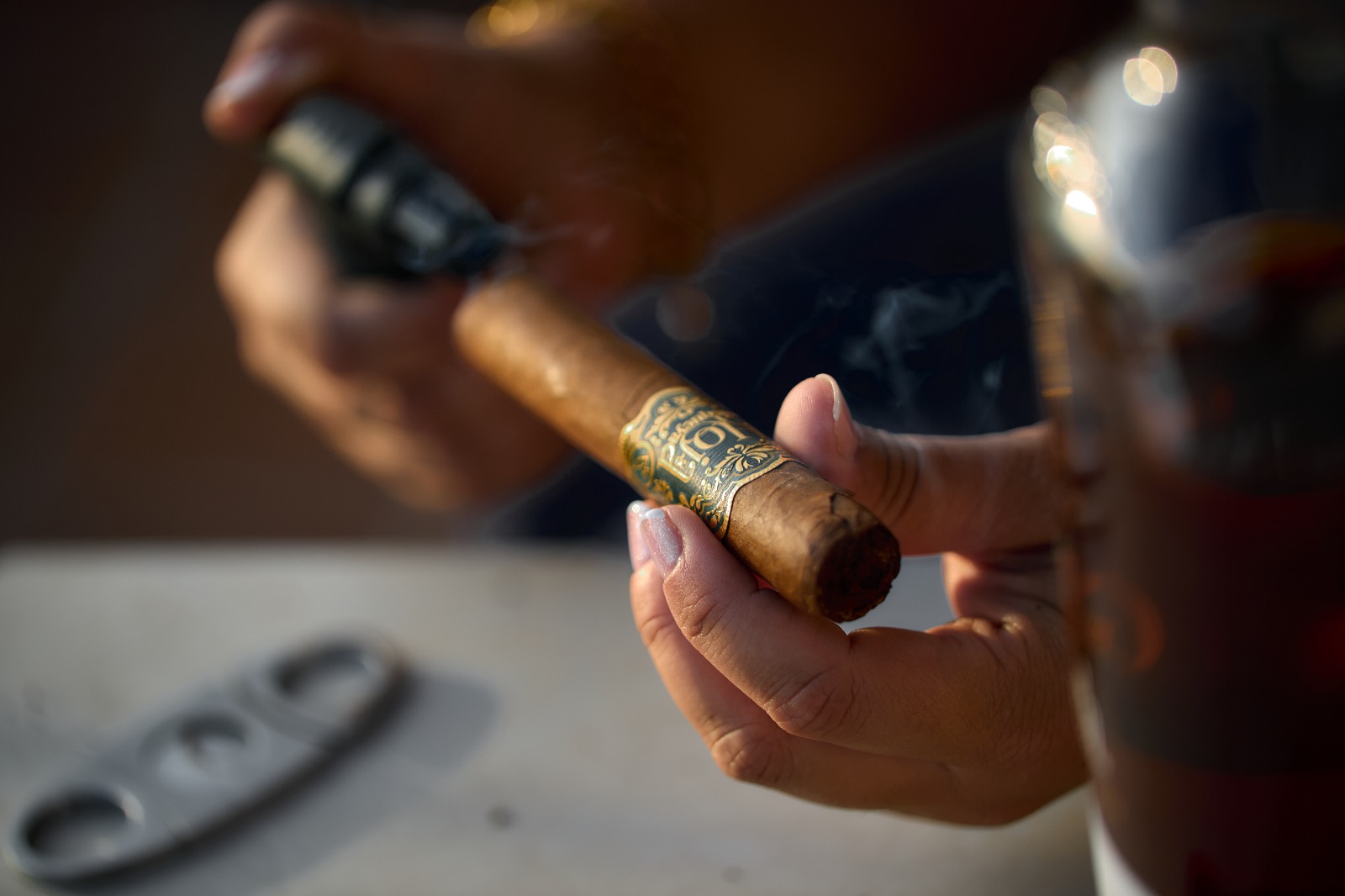
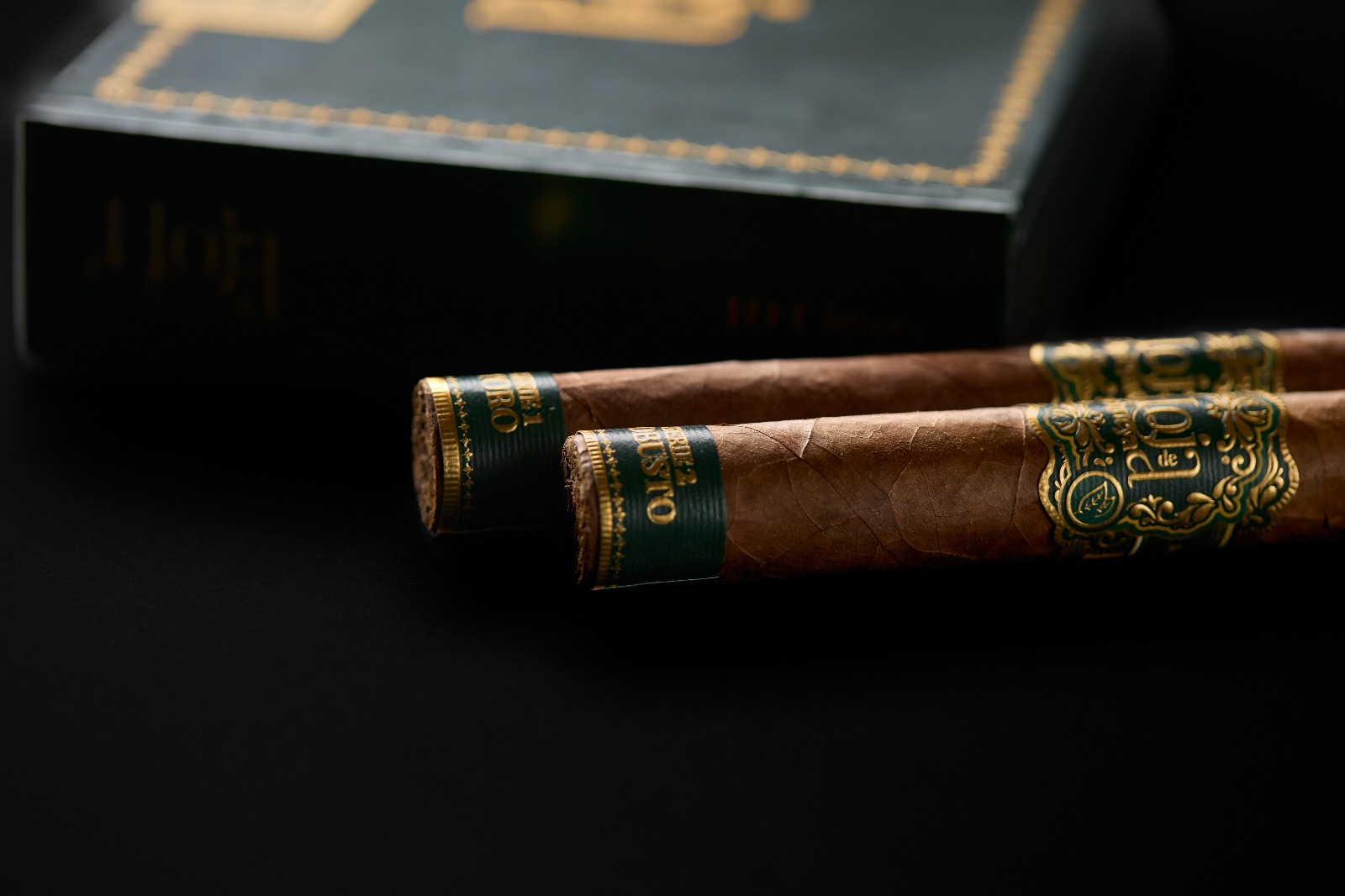
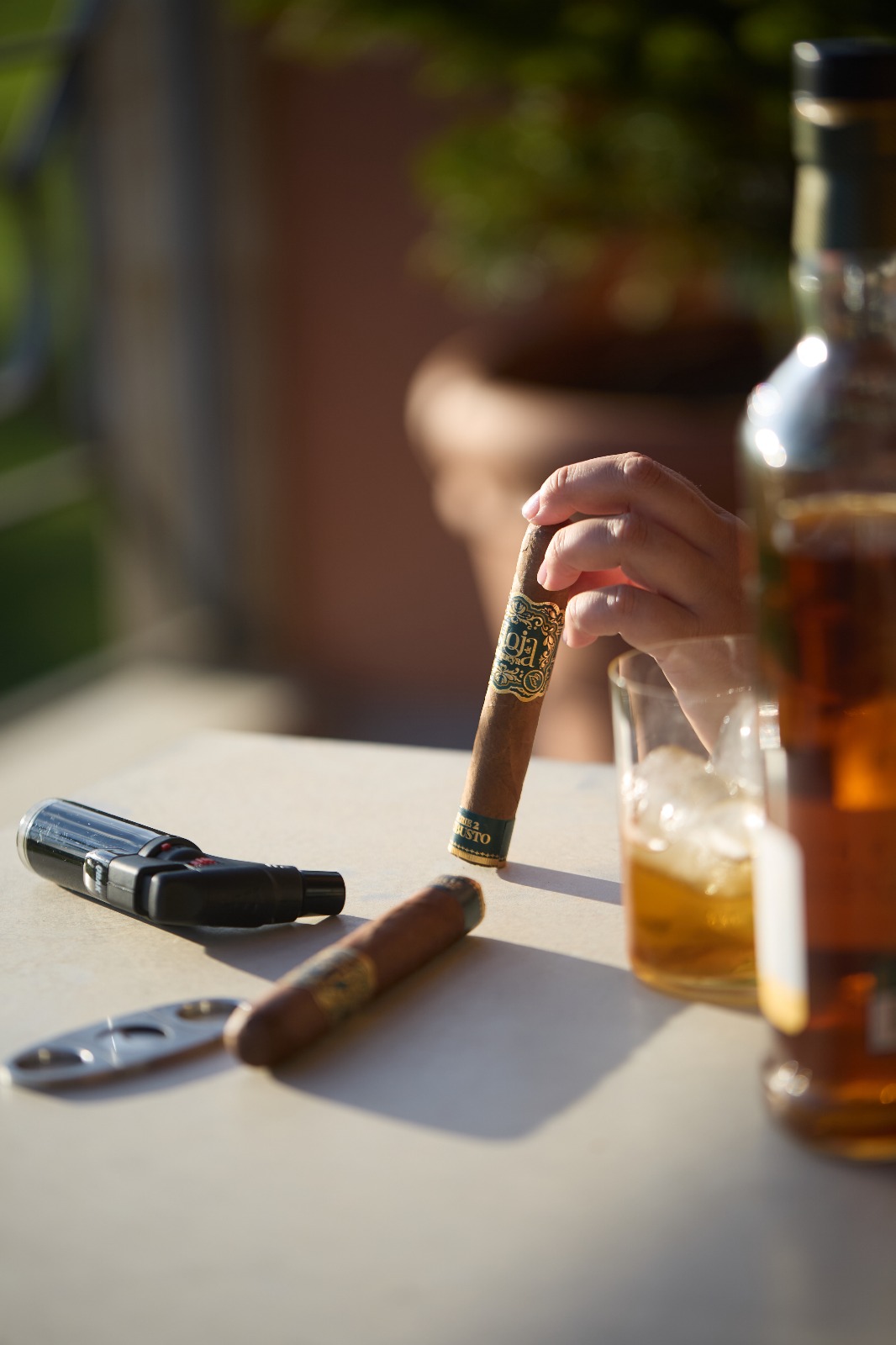
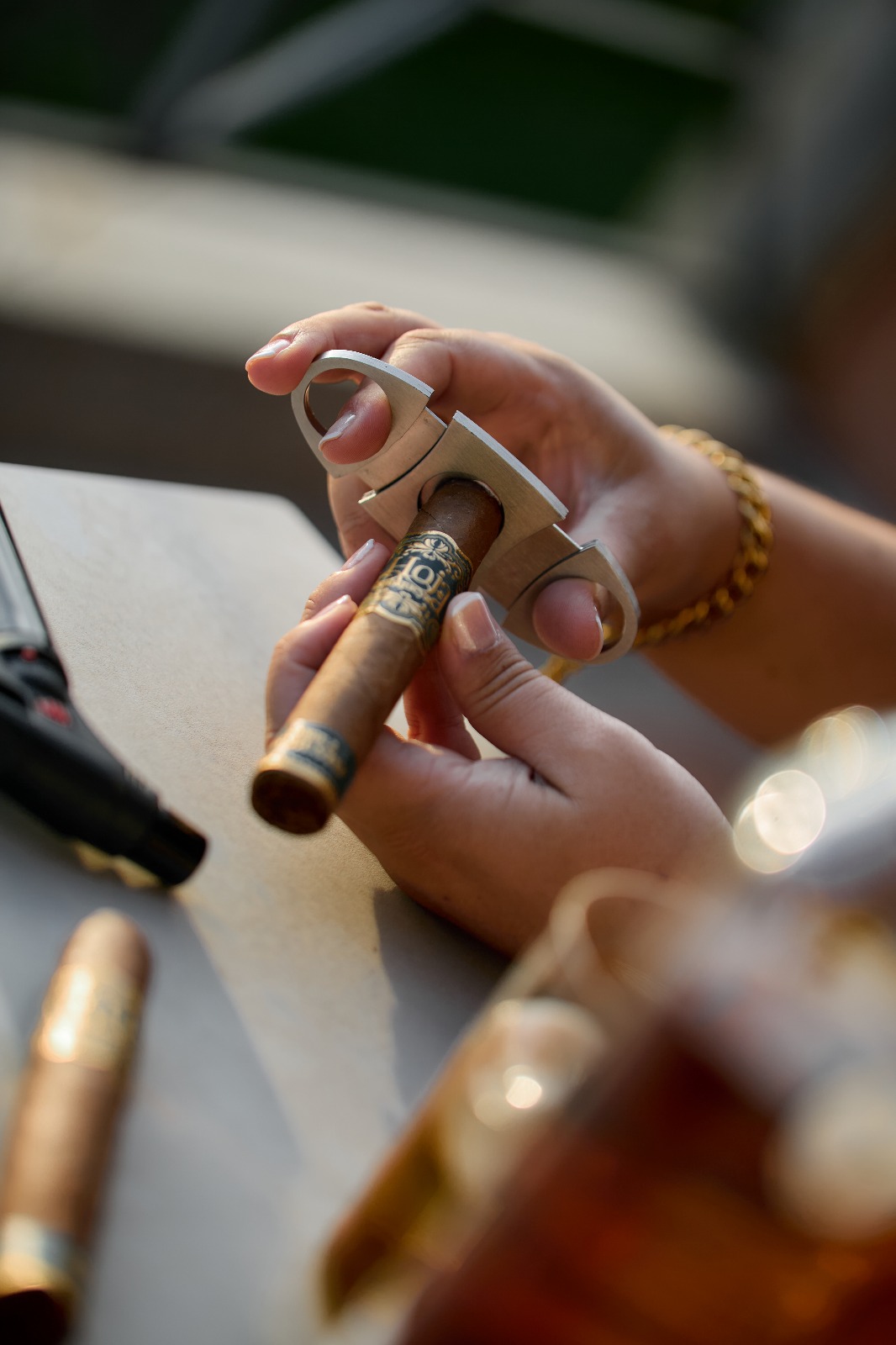
Hoja de Quisqueya is a line that encompasses two blends and formats:
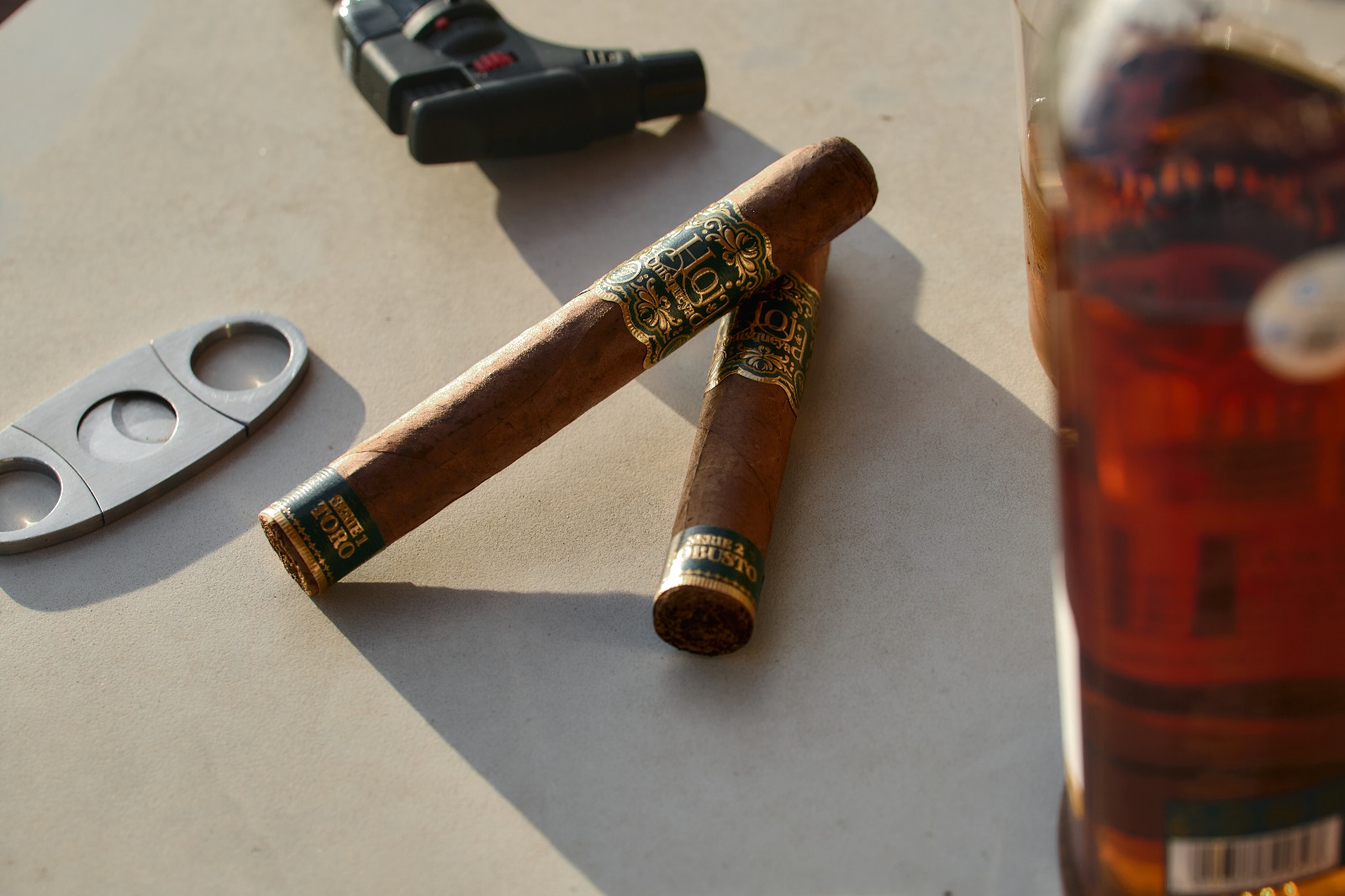
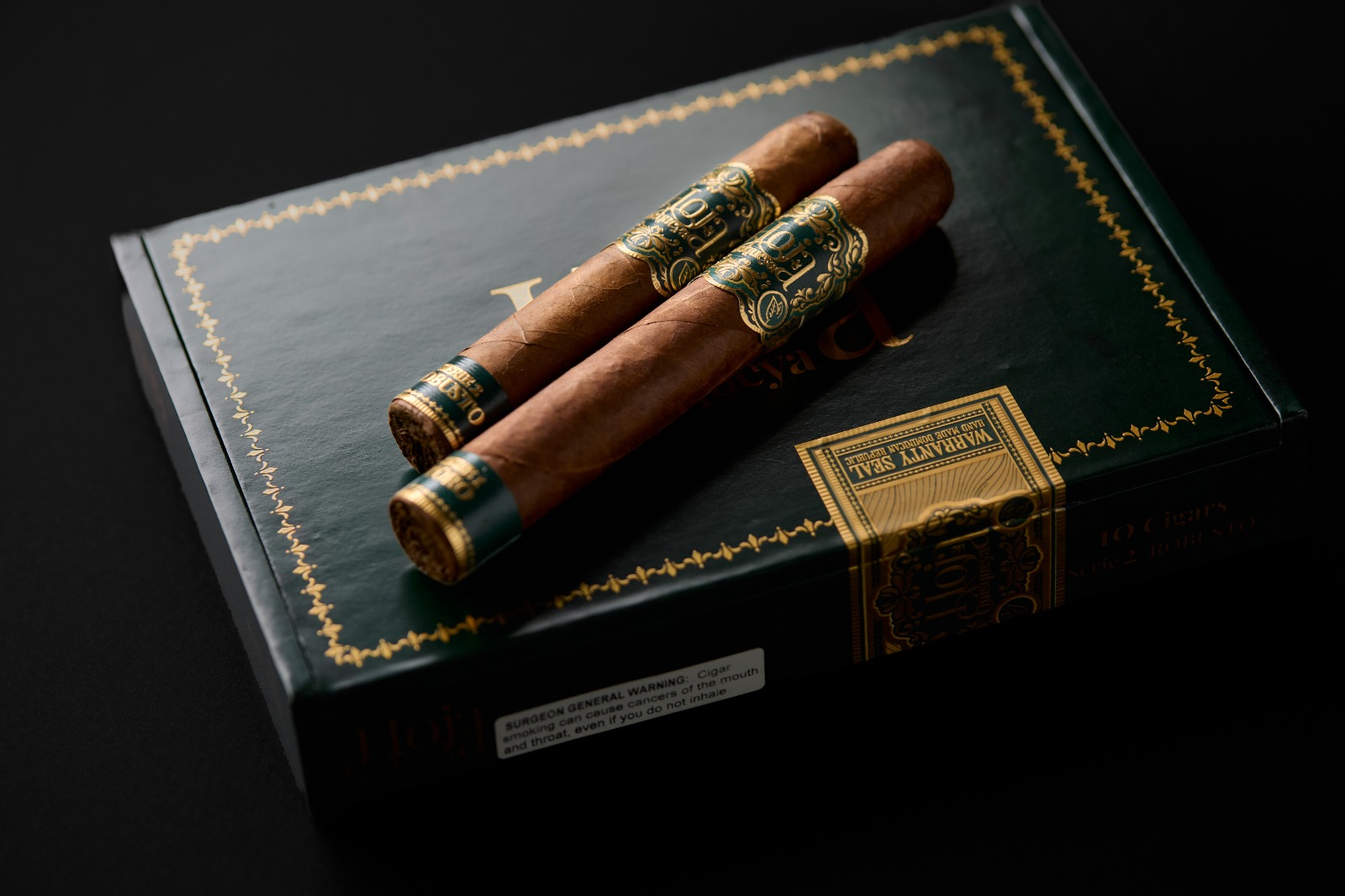
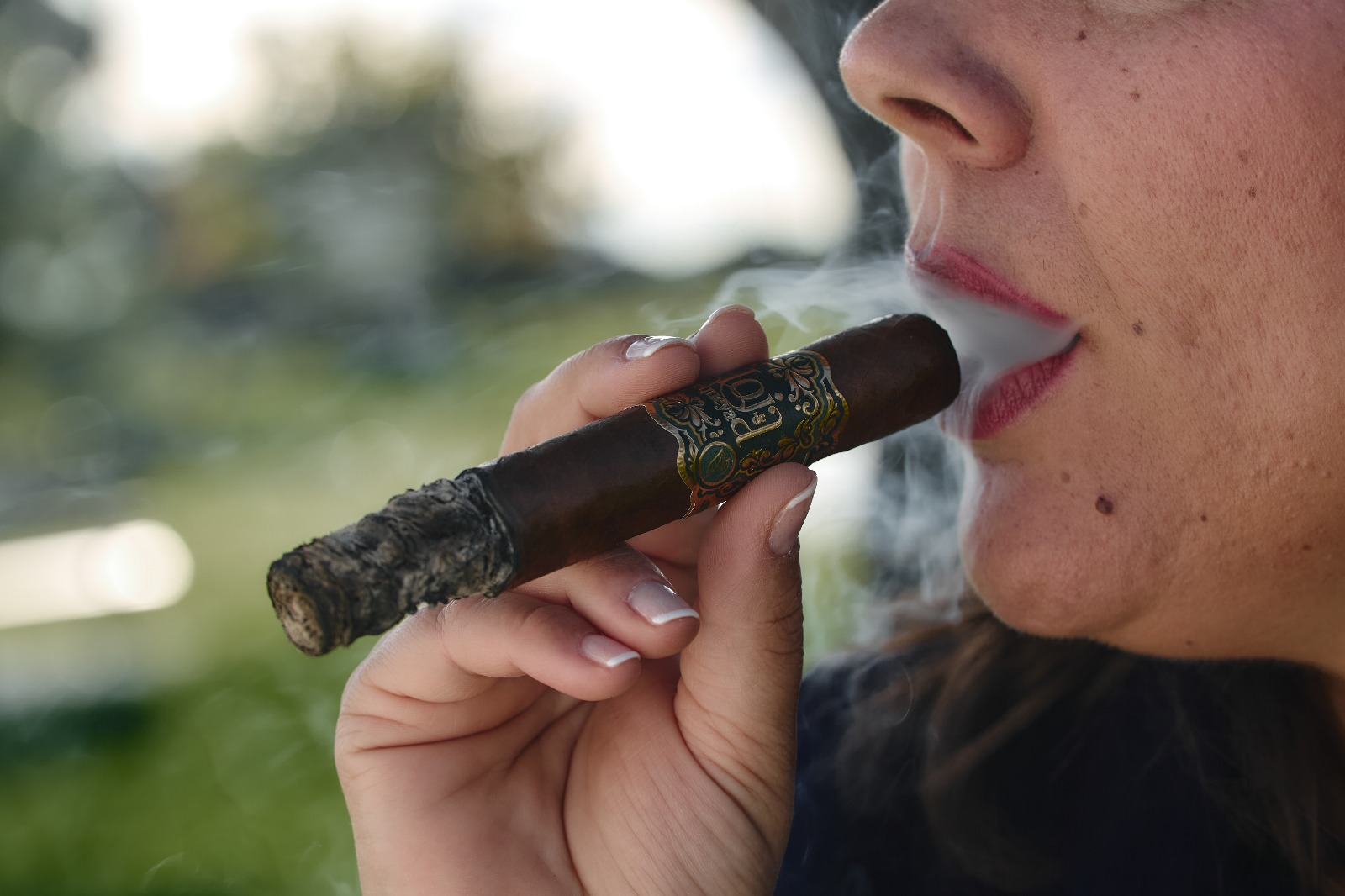
Serie 1, a Toro with a Corojo wrapper, and Serie 2, a Robusto with a Habano 2000 wrapper; a minimal change that defines a pair of very different smokes. While the first presents a medium strength with flavor intensity, the second is characterized by a lower intensity, with slight peppery notes and great flavor on the palate.
Under these two distinct wrappers, the cigars contain an HVA binder and filler based on the Quin Díaz, Criollo ’98, and Piloto Cubano varieties.
During testing, David and María Esther experienced different flavors on the palate, until they obtained a cigar that is enjoyable throughout all three thirds, maintaining a savory and creamy aftertaste. “Strength does not have to be at odds with flavor. The cigar has to be my friend, not my enemy,” they state.
Feet on the Ground
The couple was always clear that the presentation of their brand should be in an international showcase. They originally thought of starting in the United States, perhaps at the Total Product Expo (TPE) or the Premium Cigar Association (PCA) Trade Show, but the presentation took place at the recent InterTabac, the largest tobacco fair in Europe. “The market is global, and it’s inevitable that it should be. Spain was going to be the last country of entry, but in the end, it will go parallel with the rest; it will be an all-at-once approach.”
They consider themselves to have “their feet on the ground,” even though their expectations after the fair were greatly exceeded, knowing that the results will come in the future. “We have to let the public sample and get to know the product; that is the only way the public will realize the value of this effort.”
The starting point was Germany, and the process will take time, but negotiations have extended to various places, including the Dominican Republic itself. “We are not going to rush, because we know we are a new brand, but we expect a good reception.”
As hard workers, raised under the culture of effort and with a couple of children awaiting a legacy, their dream is to be able to make a living from tobacco, advance the brand, create more vitolas, and think big. “Having dreams is easy, but the day-to-day work is what weighs heavily. However, after our experience in Germany, we felt barbaric satisfaction hearing so many people say good things about our cigar.”