For hundreds of men and women across the communities of San Juan de la Maguana, tobacco and Plan San Juan represents a new opportunity –for growth, development, roots, and economic stability for themselves and their families.
Thanks to experimental crops introduced in 2021 in these fertile lands of El Granero del Sur (“The Granary of the South”), the people of San Juan no longer have to travel long distances in search of work. Instead, they’ve found in tobacco not just a job, but a passion.
Read in the magazine (rotate your device for a better reading experience):
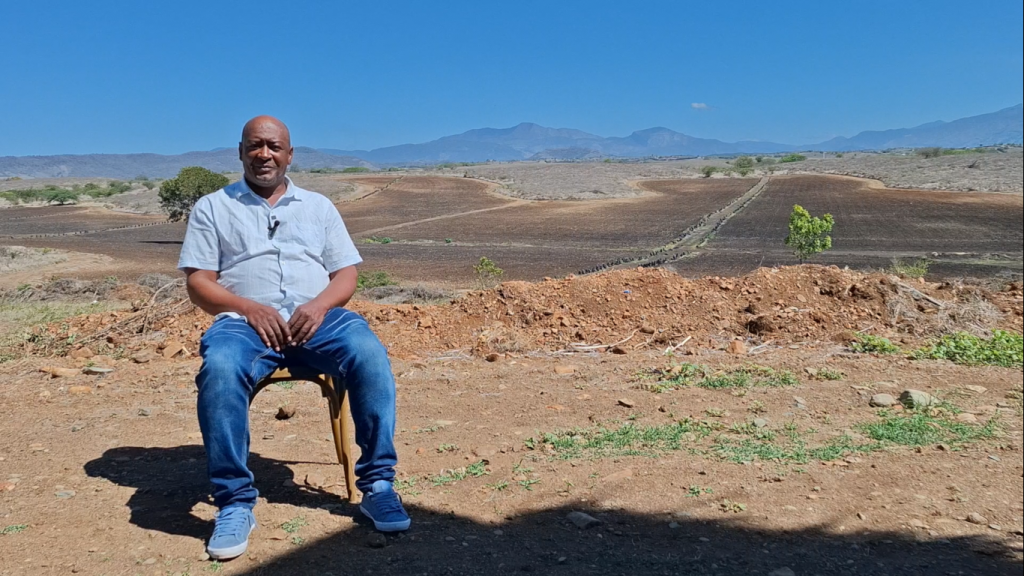
At 50 years old, Gaspar Angomás is a lifelong farmer, carrying on the agricultural traditions passed down from his grandparents and parents. Limited by poverty, Gaspar has little formal education but deep expertise in growing rice, corn, and beans –and for the past two years, tobacco.
Before, he would walk kilometers between harvest cycles looking for work. Now, he’s a supervisor of planting, harvesting, and field maintenance in tobacco farms, reaping the rewards of a better life.
“Tobacco has brought income that never existed before. Just one model farm employs over 300 people from communities like Hato del Padre, La Higuera, and La Garita,” Gaspar says.
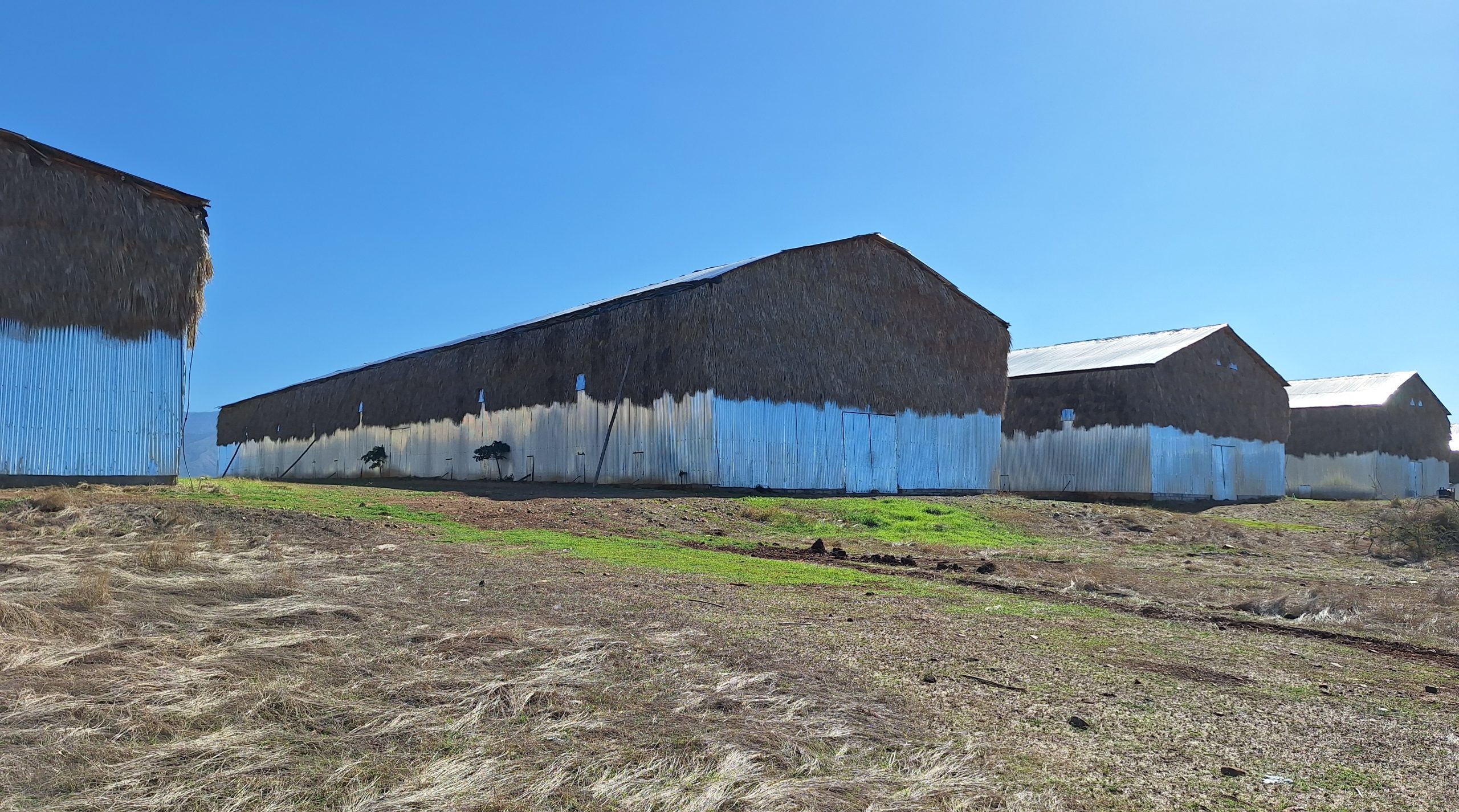
Unlike traditional crops, which offer only five months of work per harvest, tobacco provides year-round labor –from planting and leaf harvesting to curing barns and post-processing. “With rice or beans, once it’s harvested, all that’s left is selling it. But tobacco keeps giving work.”
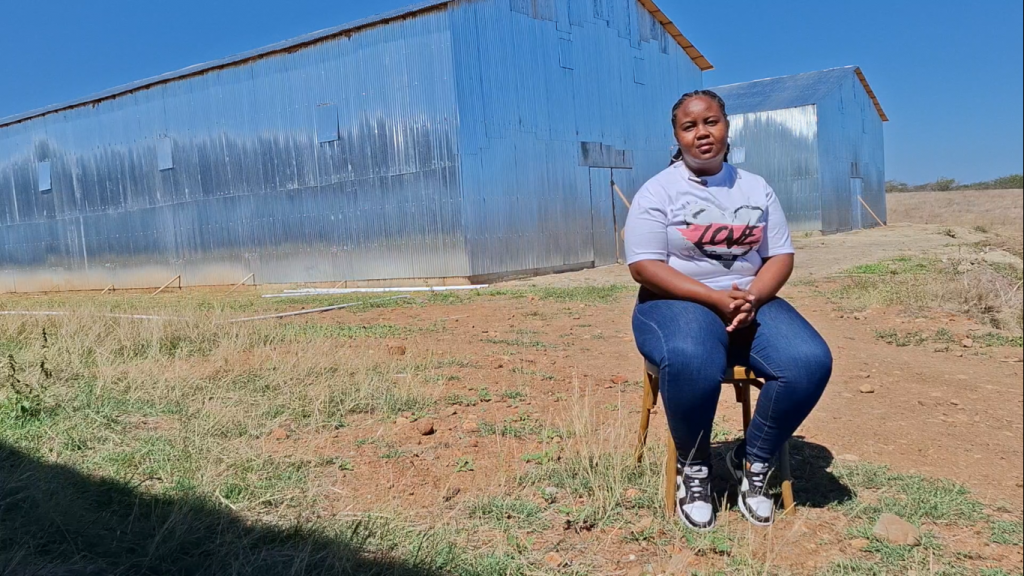
Ana Luisa Valenzuela, originally from Hato del Padre, once worked as a caregiver for the elderly in Santo Domingo, where rest was a luxury and responsibility never ended. In 2021, encouraged by a friend, she returned to her hometown of La Garita to try her luck in the emerging tobacco fields.
Now, she’s a supervisor of 50+ workers, with stable income and set hours –something unimaginable before. “My life is completely different now. I knew nothing at first, but I’ve climbed the ranks. I see a real future here for me and my family.”
A mother of two (a 10-year-old boy and 5-year-old girl), Ana Luisa sees tobacco as a win-win: the fields sustain families, and San Juan’s people are raising the next generation to push the industry even further.
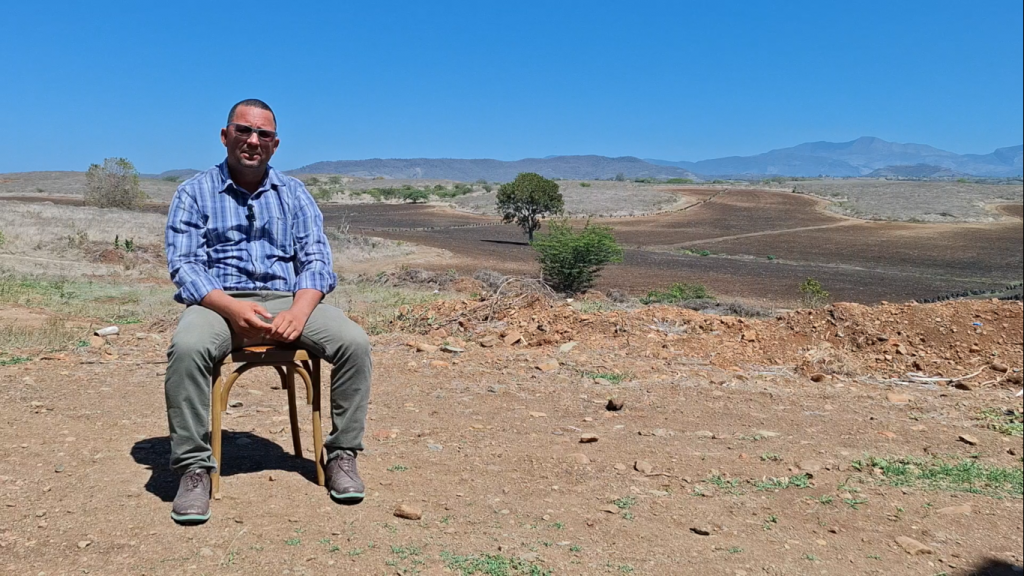
José Daniel Pimentel de los Santos, an agronomist specializing in phytosanitary measures, spent years working with traditional crops but saw no future in them –until tobacco arrived.
“Rice and bean farming was declining due to climate change. Tobacco has transformed San Juan’s way of life.”
What began as just another job soon became a calling. José now finds motivation in the constant learning and the industry’s ripple effects. “Unemployed youth were everywhere before. Now, men and women benefit directly –and even indirectly, like those selling lunches to workers. We thank God for this opportunity.”
María de los Reyes Alcántara, a licensed Educational Guidance Counselor, faced a harsh reality: “To get a teaching job, you need political connections –and even that isn’t enough.”
Like many educated women in San Juan –especially single or widowed mothers– she found no openings in her field. But in tobacco, she discovered a way to support her family.
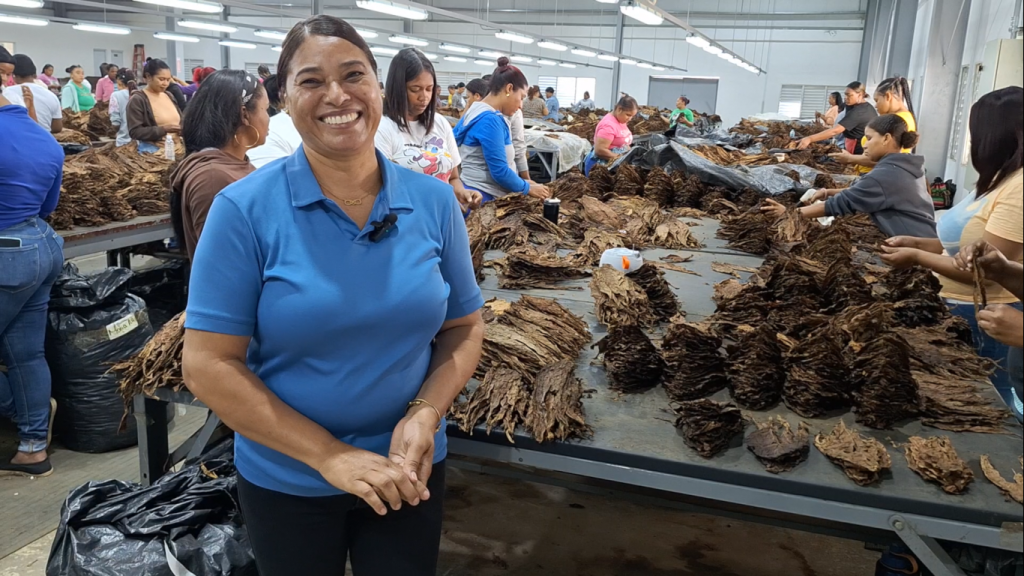
Now, she works alongside nearly 100 women in one of the first Free Trade Zone facilities, mastering de-stemming and leaf sorting.
“Work dignifies us. This opportunity makes us feel useful to society. Women have the right to provide for our homes too –and this proves we can.”