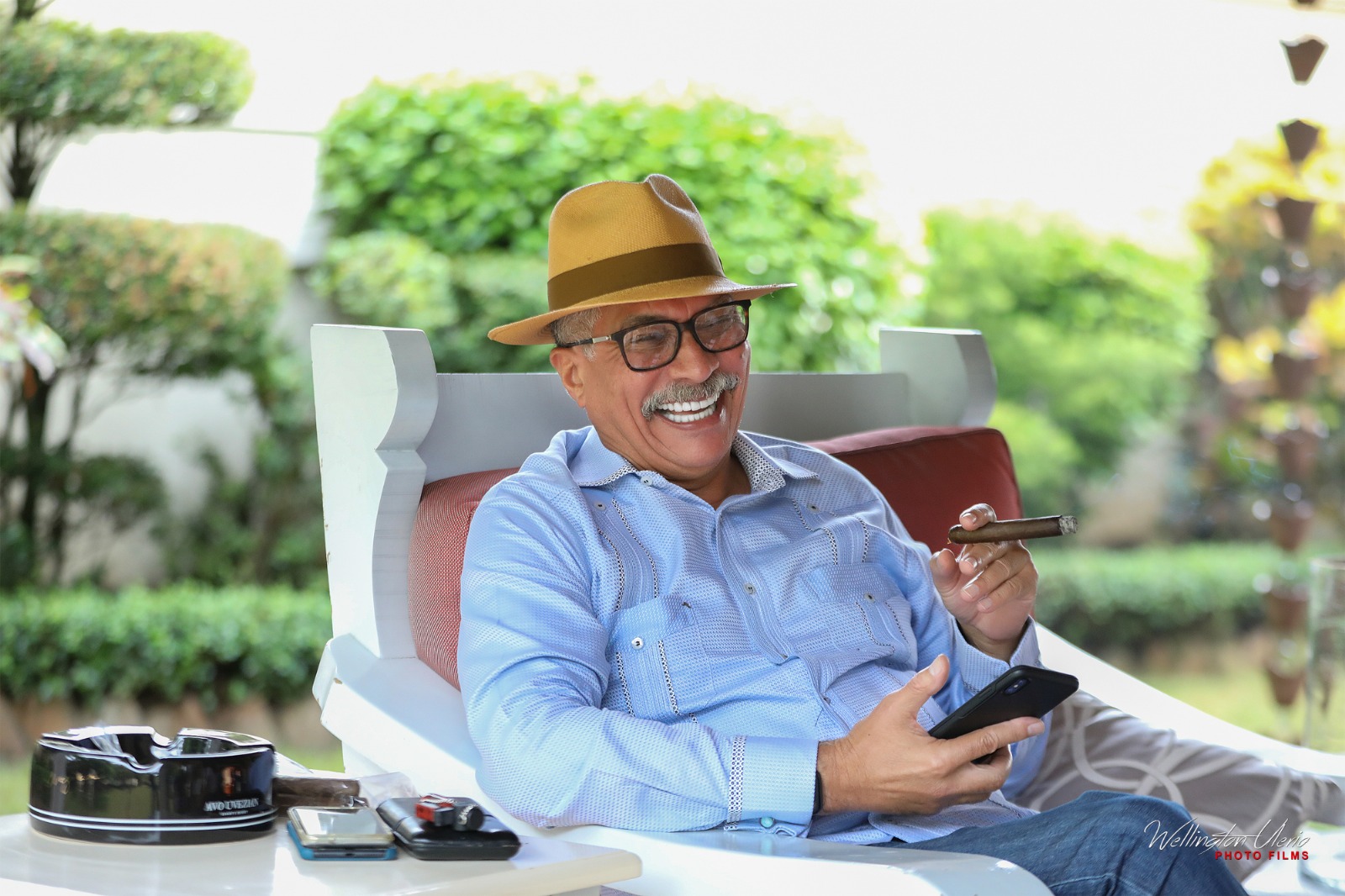
On November 14, 2016, Don Eladio Díaz’s life took an unexpected turn when he suffered a stroke that left him in a coma for 22 days. But after a full recovery –one doctors called “a miracle”– this rebirth allowed him, encouraged by his family, to leave behind nearly half a lifetime. During those years, he had crafted over 4,000 iconic cigar blends for the tobacco world before finally establishing his own company.
Now, with renewed vigor, this man of prodigious memory builds his legacy for his children at Tabacalera Díaz Cabrera, continuing to innovate by exploring tobaccos never before used in the Dominican Republic. The muses are always there, ready to please even the most discerning palates. What is his best cigar? Surely, as he puts it: “The one we haven’t smoked yet…”
Read in the magazine (rotate your device for a better reading experience):
The second of 18 siblings, Don Eladio Díaz was born on May 28, 1953, in Santiago, Dominican Republic. The son of a tobacco farmer, he received his first machete at age five, using it to clear weeds on his father’s land –now the site of Santiago’s Free Trade Zone. He recalls collecting tobacco worms as a child, earning five cents for every full can. It was his first paid job in the industry.
Next to his home stood a small factory with six cigar rollers. One day, his mother told him, “It’s good for you to start working.” Before turning seven, he began cleaning the workshop, where he later learned to strip tobacco leaves and handle minor tasks. His weekly earnings –ten cents– went mostly to his family, with just one cent kept for himself.
As he grew older, he sold the workshop’s cigars at local stores, as those sales paid the workers. One memory stands out: Don Francisco Viloria once tasked him with sorting tobacco leaves by color, warning him not to give any material away in his absence. When Viloria returned, he found Eladio in tears –a worker named Domingo had pressured him into handing over leaves and slapped him after being refused. “Panchito always carried a dagger and was so furious that if Domingo hadn’t run, he would’ve stabbed him right there.”
By 12, Eladio was rolling cigars. His skill was such that at 15, he moved to Tamboril, producing 1,000 to 1,200 cigars daily at La Fe de la Victoria. Though these were cheap cigars sold for five cents apiece, in 1969 –when the weekly minimum wage was nine pesos– he earned ten pesos a day: “More than my father… and that money went straight to my mother to help with expenses.”
The World Turns
When Santiago’s Free Trade Zone began operations in 1974, a young Eladio approached Dos González Cigar, only to be rejected by the foreman: “We make fine cigars here, not thick ones.” Undeterred, he sought out the factory owner, Don Efrén González, who, impressed by his determination, set up a small table outside the workshop. He taught Eladio how to roll a 5.75-inch, ring gauge 39 cigar and asked him to fill five molds.
It took him over seven hours to finish 47 cigars. The next day, inside the workshop, he rolled 200 cigars (7.5 inches, ring gauge 50) –a format he had never worked with before. The owner inspected them and declared them perfect. “That first rejection was significant because by refusing to give up, I unlocked my potential.”
The factory eventually closed, leading Eladio to Manufactura de Tabacos, SA (Matasa) under Don Manolo Quesada. Then, in 1978, Compañía Anónima Tabacalera (CAT) recruited him to lead a new cigar subsidiary, Compañía Tabacalera Santiaguense (Cotasa) –the very factory Don Efrén González had sold.
“Why did they choose me? I didn’t understand. I was a skilled roller, earning 80 pesos at the time… At 25, I was suddenly running the factory where I had started as a novice. The world truly turns in mysterious ways.”
The Most Important Asset
At Cotasa, Eladio produced international brands like Griffin’s and Pléyades. But as a state-owned company at risk of collapse, he accepted when Hendrik Henke Kelner (then CAT’s general manager) proposed starting their own factory in 1983. “We had to move forward.”
On February 16, 1984, Eladio and a group of ten partners launched Tabacos Dominicanos (Tabadom) with just seven rollers. Though they never had their own brand, they produced cigars for Juan Cerdán Soto, including Juan Carlos, Geihord, Puritano, Chambelain, and Don Juan. Soon, clients like Tropical Tobacco Inc. (Pedro Martin’s Florida-based company) and Ashton joined, while Griffin’s remained.
As production and quality control chief, Eladio blended the cigars himself. “I trusted that God guided my steps. Plus, as a cigar maker, I understand my people –the most important thing is how you treat them. A company’s greatest asset is its workforce.”
In 1985, jazz composer Avo Uvezian visited Tabadom, buying 500 cigars to sell atop his piano in Puerto Rico’s Palmas del Mar resort. By 1988, when Davidoff partnered with them, AVO Cigars (now owned by Davidoff) was selling 2.5 million cigars annually in the U.S.
Don Eladio Steps into the Light
While blending for Griffin’s, Eladio caught the attention of Ernst Schneider, founder of Oettinger Davidoff Group, who loved his creation. In 1988, they struck a deal to produce 3 million cigars, launching in New York in 1990 as the most expensive Dominican cigar in the U.S. Skeptics predicted failure –its price was more than double competitors’ –but it set a new standard, forcing others to raise their prices.
During the 1993-1997 cigar boom, Davidoff wanted to double production, but Eladio resisted, insisting on his principles of Quality, Consistency, then Quantity. As Master Blender, he pioneered selecting tobacco by region, variety, and grade, blending up to seven or eight different leaves in a single cigar.
The rest is history. In 2001, Oettinger Group bought Tabadom (now Tabadom Holding Inc.), and Eladio stayed on as an employee of the company he helped found. Yet, he emerged from the shadows with iconic blends like Oro Blanco, created for his 60th birthday, which Davidoff sold for $500 each (over 30,000 units).
A Life Story
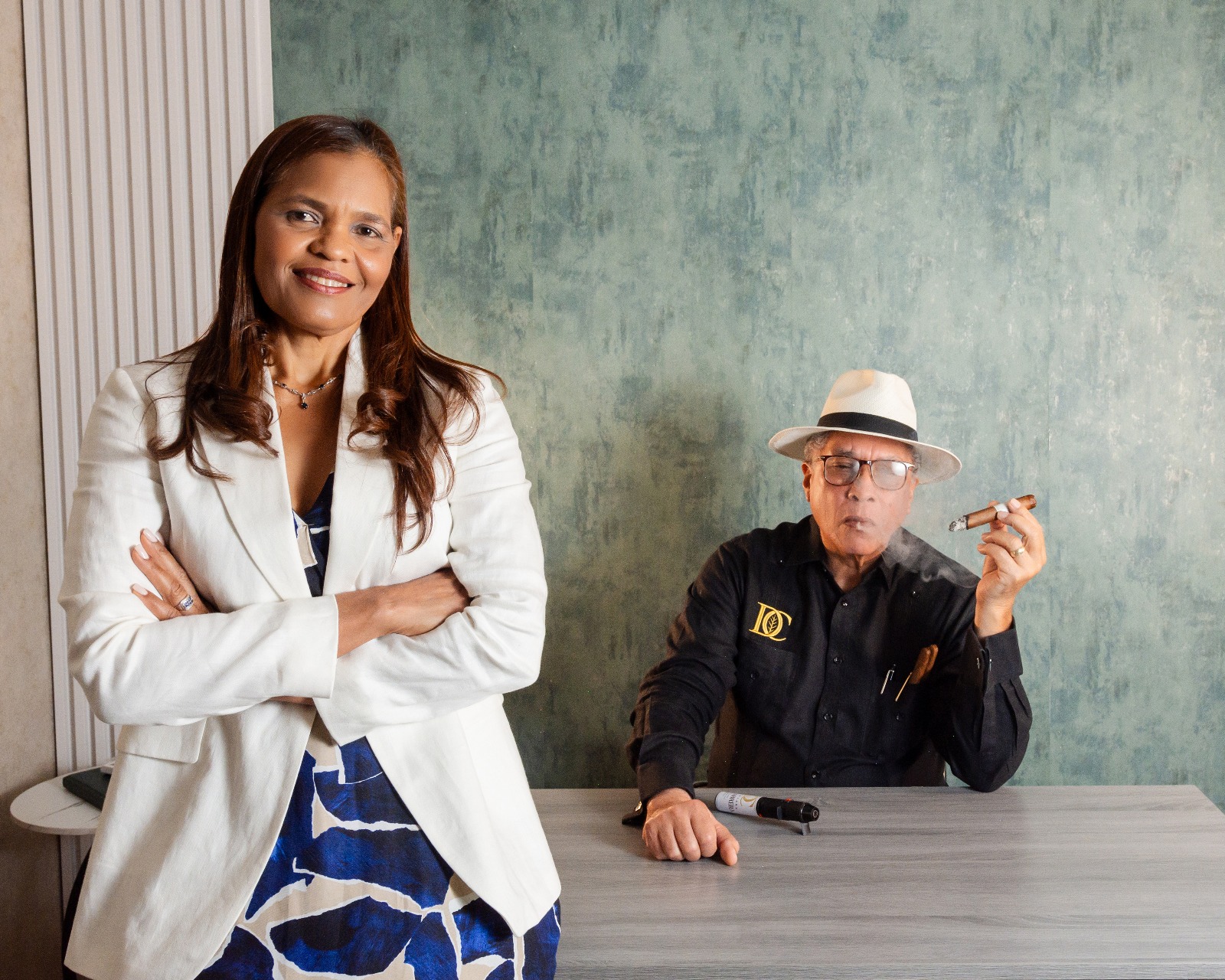
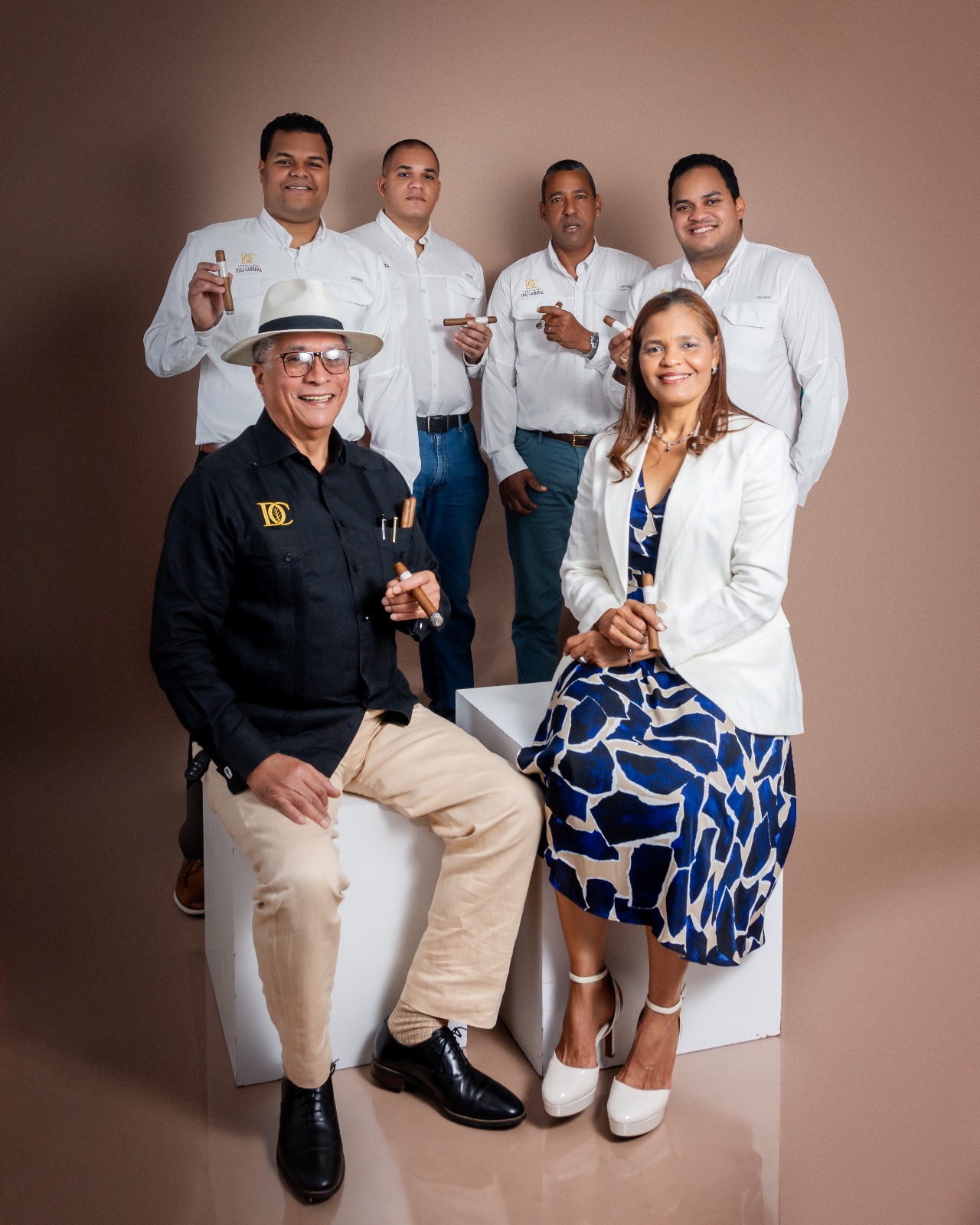
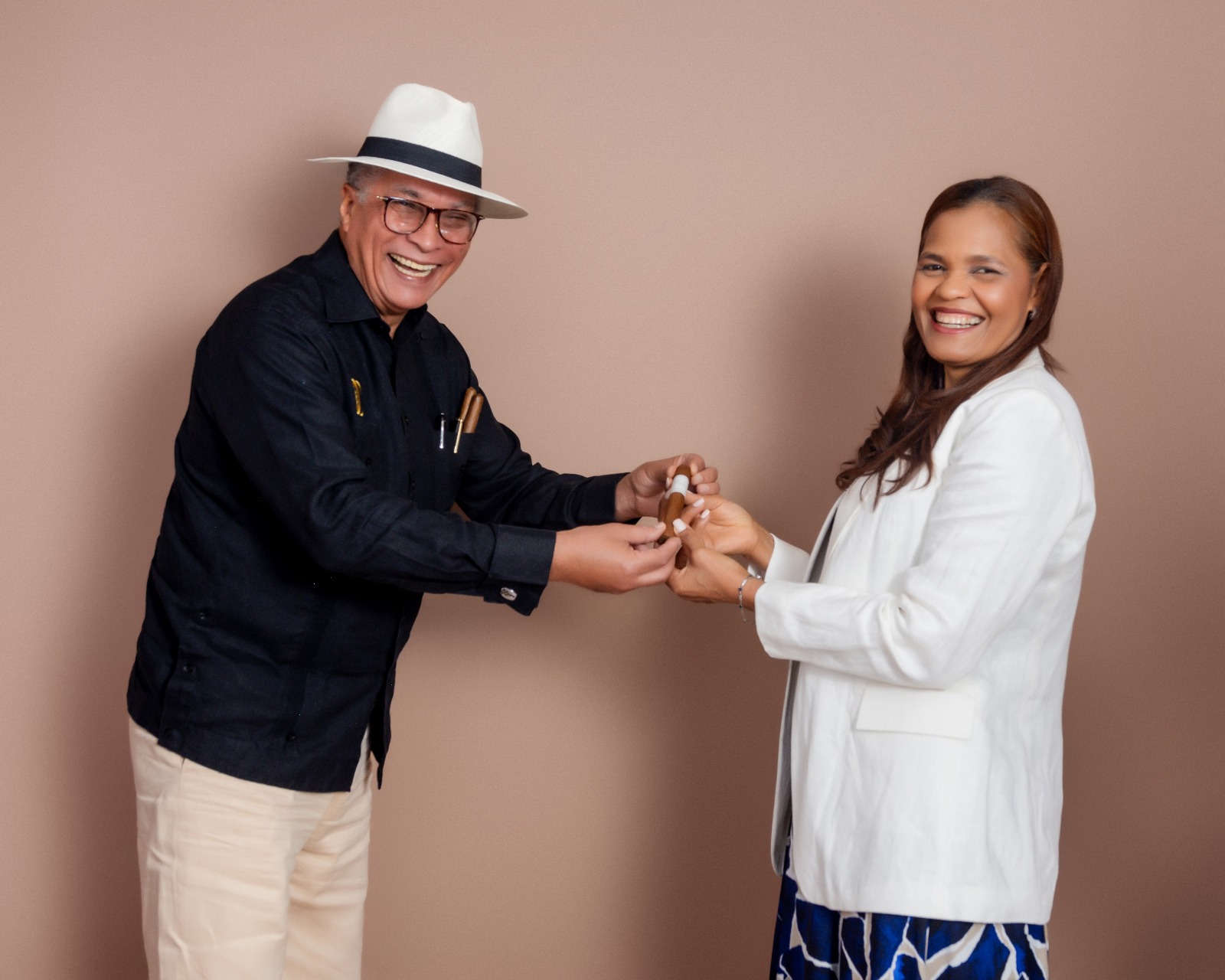
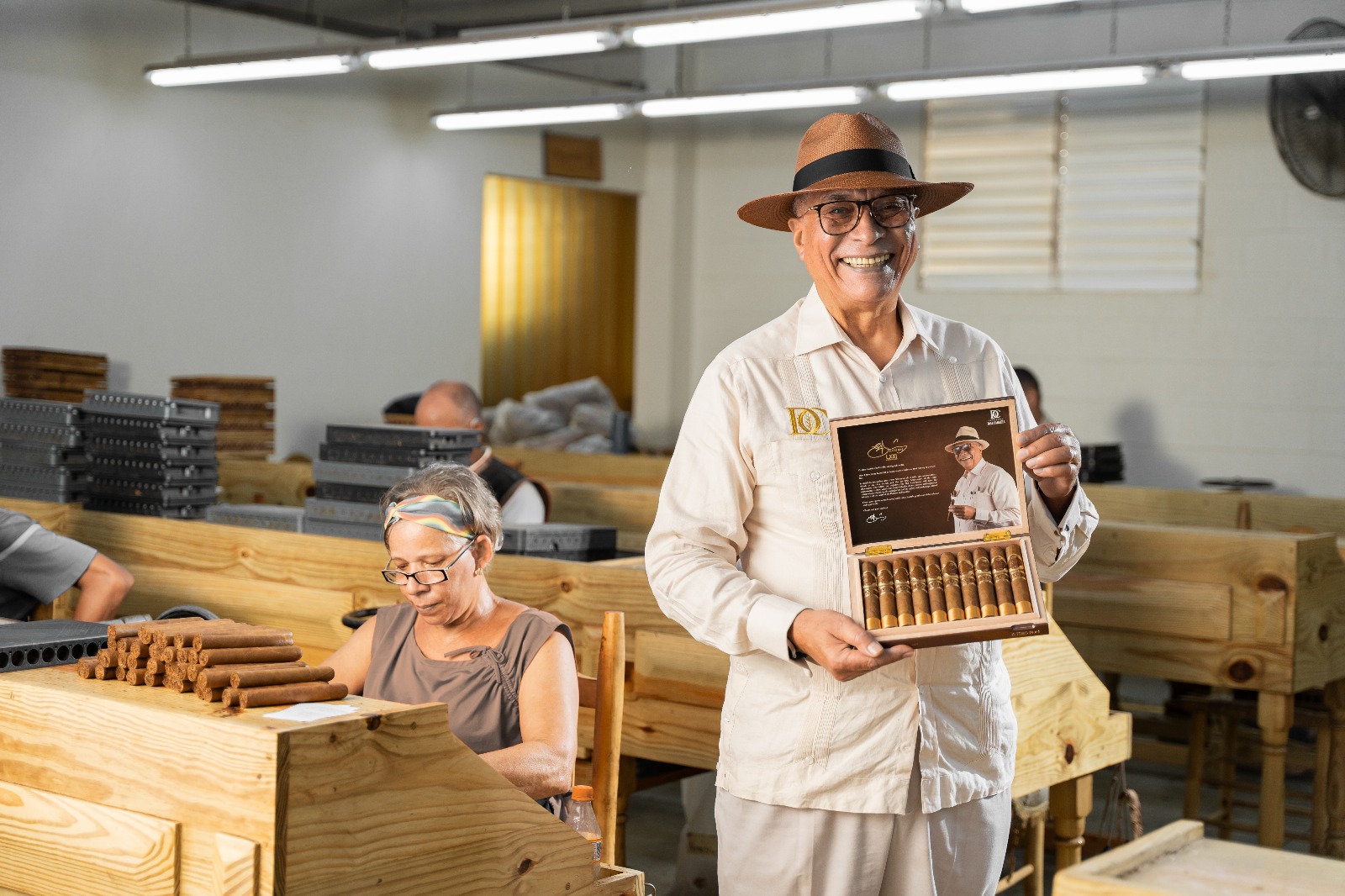
After 37 years and 3,500 blends, Eladio left the company. Following his stroke –which his wife, Griselda Cabrera, calls “the event”– he listened to “his Queen” (as he calls her). She handled everything to launch Tabacalera Díaz Cabrera in January 2022, where their sons Héctor José, Alexander, and Emmanuel now work alongside him.
“I never imagined having my own factory –I was deeply attached to the one I helped build. But there, I was just another employee. Now, I’m building a legacy for my family, doing something even better… The muses are always with me (he smiles)… and the factory is alive.”
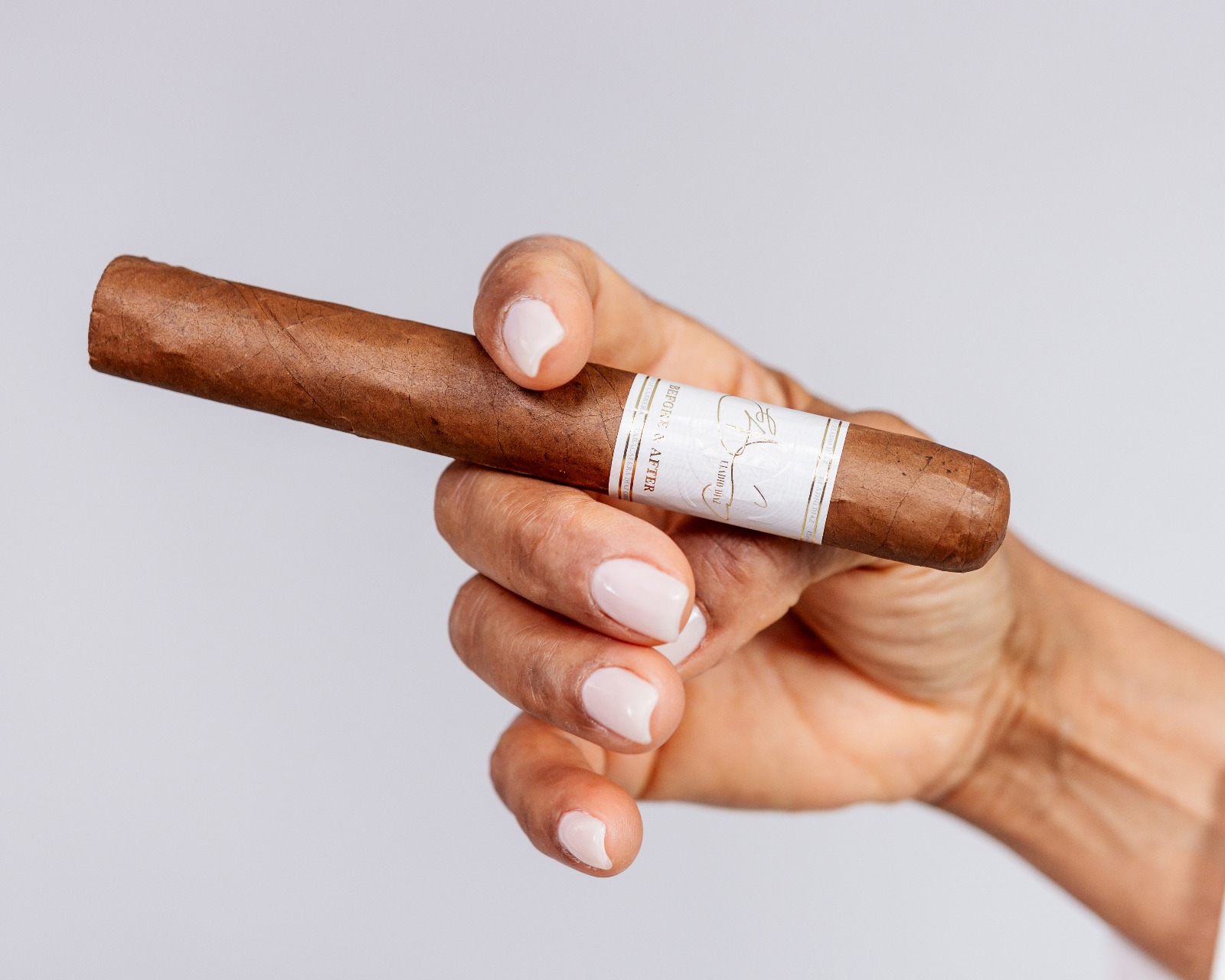
Under his wife’s leadership (“No one is born great or running”), the company started with private labels but has since introduced its own lines, like Before & After –featuring two photos of Eladio on the band: one at 25 as a factory boss, the other at 70. “Before, I was a number. Now, I’m the owner.”
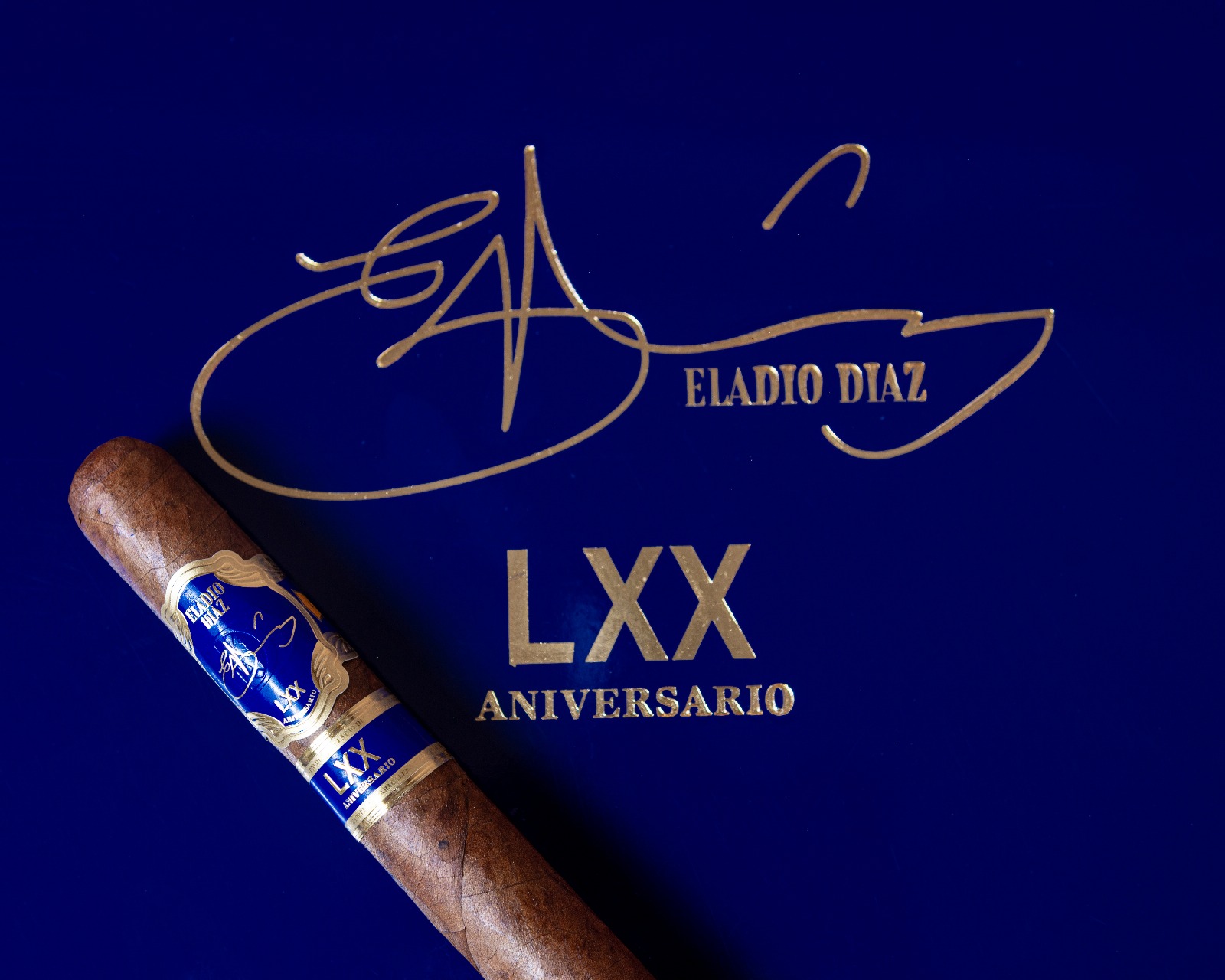
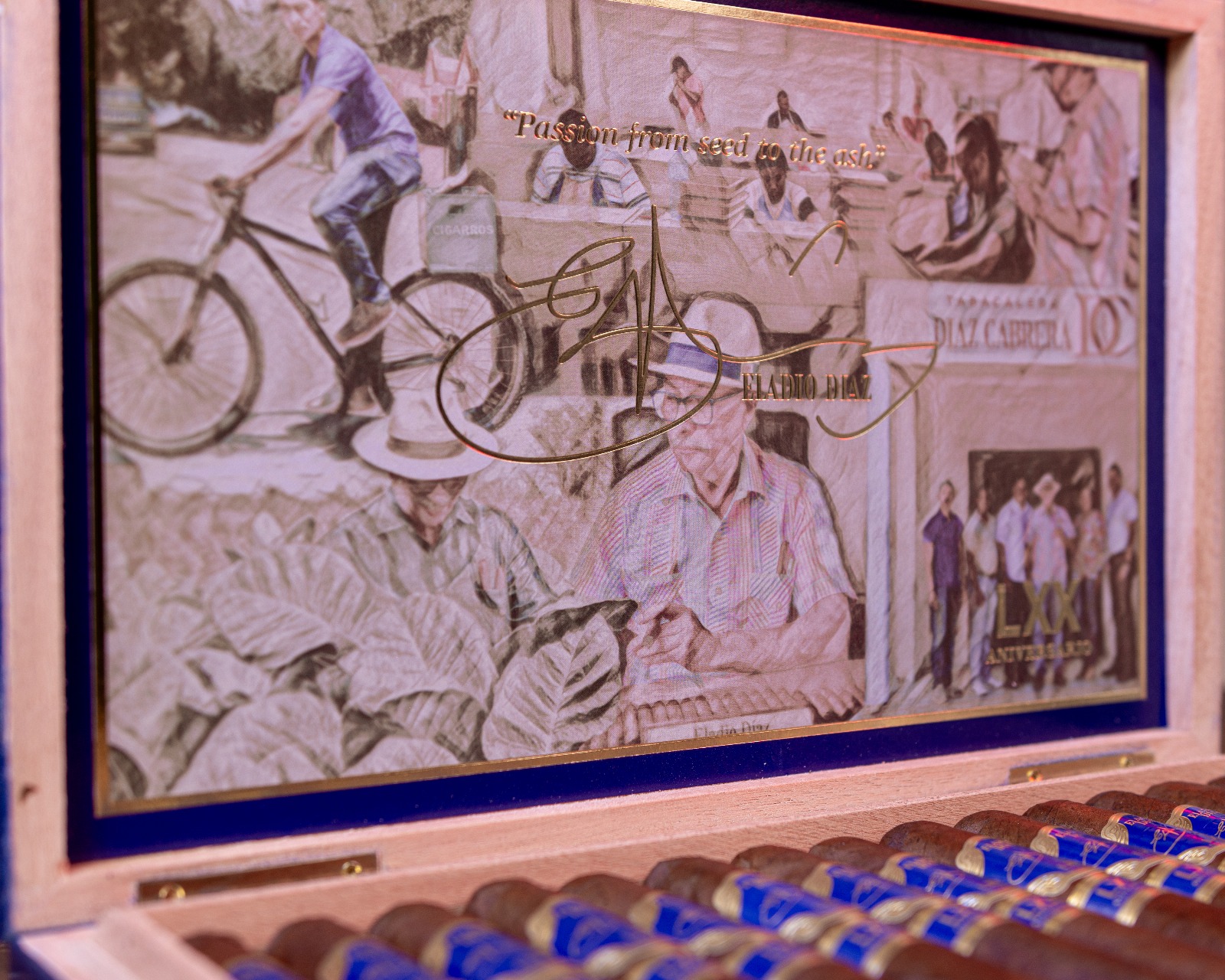
Another standout is his 70th Anniversary Edition, exported to Germany –a cigar rich in symbolism: 7-inch length, ring gauge 52, seven different tobaccos, released seven years after his stroke. Limited to 1,400 cigars, sold in boxes of 14 at $14 each, it was anything but accidental.
Today, Tabacalera Díaz Cabrera embodies his life’s story. Soon, the LXXI Anniversary Limited Edition will debut, featuring never-before-used Dominican tobaccos and a double gold-bordered band.
“In this industry, no one knows everything –you never stop learning. In this small factory, I’m innovating, creating something different… Not for ego, but for the joy of crafting in harmony.” After all, as Don Eladio says: “The best cigar is the one we haven’t smoked yet.”