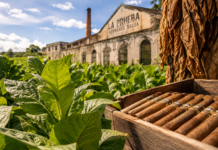
In San Martín, in the Peruvian Amazon, Gennaro Lettieri and his family built a company that handles every stage of production, from seed to finished cigar: Tabacalera del Oriente. It combines local varieties, in-house processes, and a boutique strategy to bring Peru’s distinctive tobacco profile to the world.
***
Alberto Arizmendi
In Tarapoto, tobacco is more than just a crop. It is an activity that requires an understanding of the soil, an ability to read the valley’s humidity, the training of cigar rollers, and the maintenance of a production chain that can take years to establish. Tabacalera del Oriente has developed this process on a medium scale, with a commitment to Peruvian origins and boutique-produced cigars.
The project began with a real estate opportunity but found its direction in San Martín’s tobacco-growing tradition. When Gennaro and his father, Salvatore Lettieri, arrived in the area, they acquired a property where tobacco had already been grown. The local history went back decades, to a time when the region primarily supplied the cigarette industry, although small amounts of dark tobacco were also cultivated.
“We are the only company in Peru that works from seed to finished cigar,” he explains. The statement sums up an uncommon level of integration in the country: they grow the tobacco, cure it, ferment it, select it, strip it, and make cigars. With their 70 hectares, they are not seeking to compete with major producers on volume, but rather to maintain an identity of their own.

Gennaro Lettieri is from Naples. Before moving to Peru, he worked in wealth management at an investment bank in London and later returned to Italy. The decision to change course came with an investment opportunity in Tarapoto. “We arrived here and found paradise: it’s beautiful, we’re in the jungle, the people are very friendly, and the climate is fantastic.”
The company started with seven employees and now has a workforce of 120. The family’s experience in tobacco has taken shape over the past 22 years. It does not stem from an established business tradition in tobacco cultivation, but from the knowledge accumulated through hands-on work in the fields and manufacturing.
Their first commercial opportunity was linked to a project to grow tobacco for the Spanish company *ltadis, now part of Imperial Brands. Although the agreement did not go ahead, it opened the door to an industry they knew little about, prompting them to explore markets and develop their own cigar production.
Among the raw tobacco varieties primarily intended for international wholesale are Pinar del Río, Habano, and Pelo de Oro. The company also uses the local varieties Tarapoto and Juan Guerra, or Juanguerrino, for its own cigars. Gennaro considers them valuable both for their flavor profiles and for their resilience in the field.
Tarapoto tobacco offers a rounded profile with moderate strength, while Juanguerrino brings greater intensity and peppery notes. The wrapper —the cigar’s outer leaf— is sourced from their own fields when the harvest allows. They have grown it both in full sun and under shade, but plan to resume growing shade-grown wrapper tobacco next year.
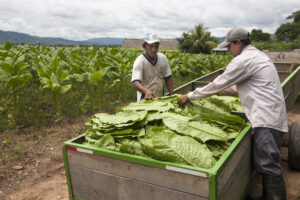
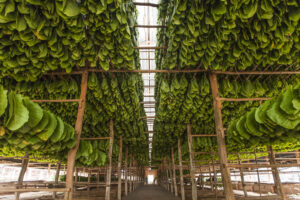
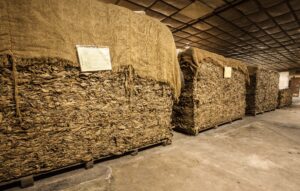
Crop yields range from 1,000 to 1,500 kilograms of dry tobacco per hectare, equivalent to approximately 10,000 kilograms of green tobacco. The 70 hectares are divided into ten seven-hectare plots, and each plot is used once a year to protect the soil. Some areas have modern irrigation systems, while the rest rely on gravity-fed irrigation using water pumped from the nearby river.
The valley’s climate is a decisive factor. Humidity generally ranges from 50 to 60 percent during the day and rises to between 80 and 90 percent at night. These conditions provide a favorable environment for the tobacco to mature in the caney —a structure used for curing tobacco. Annual production reaches between 100 and 120 metric tons, 30 percent of which goes into the company’s own cigars.
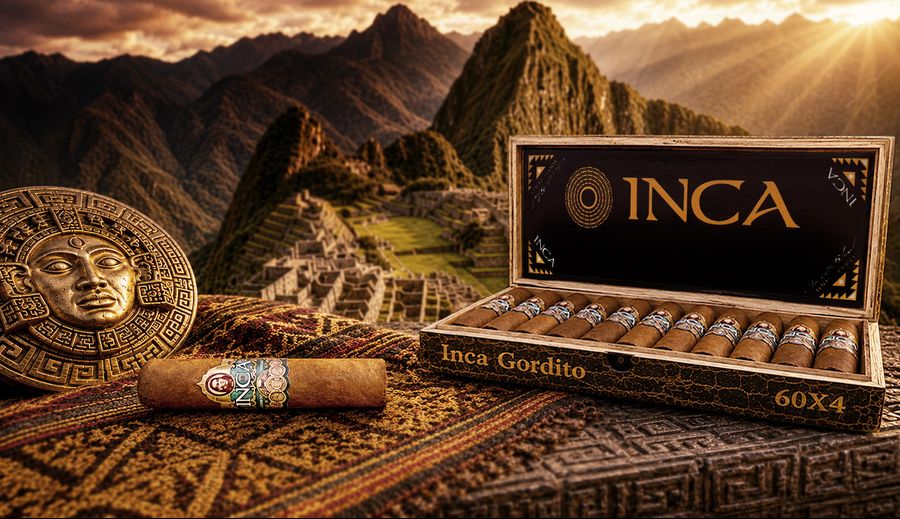
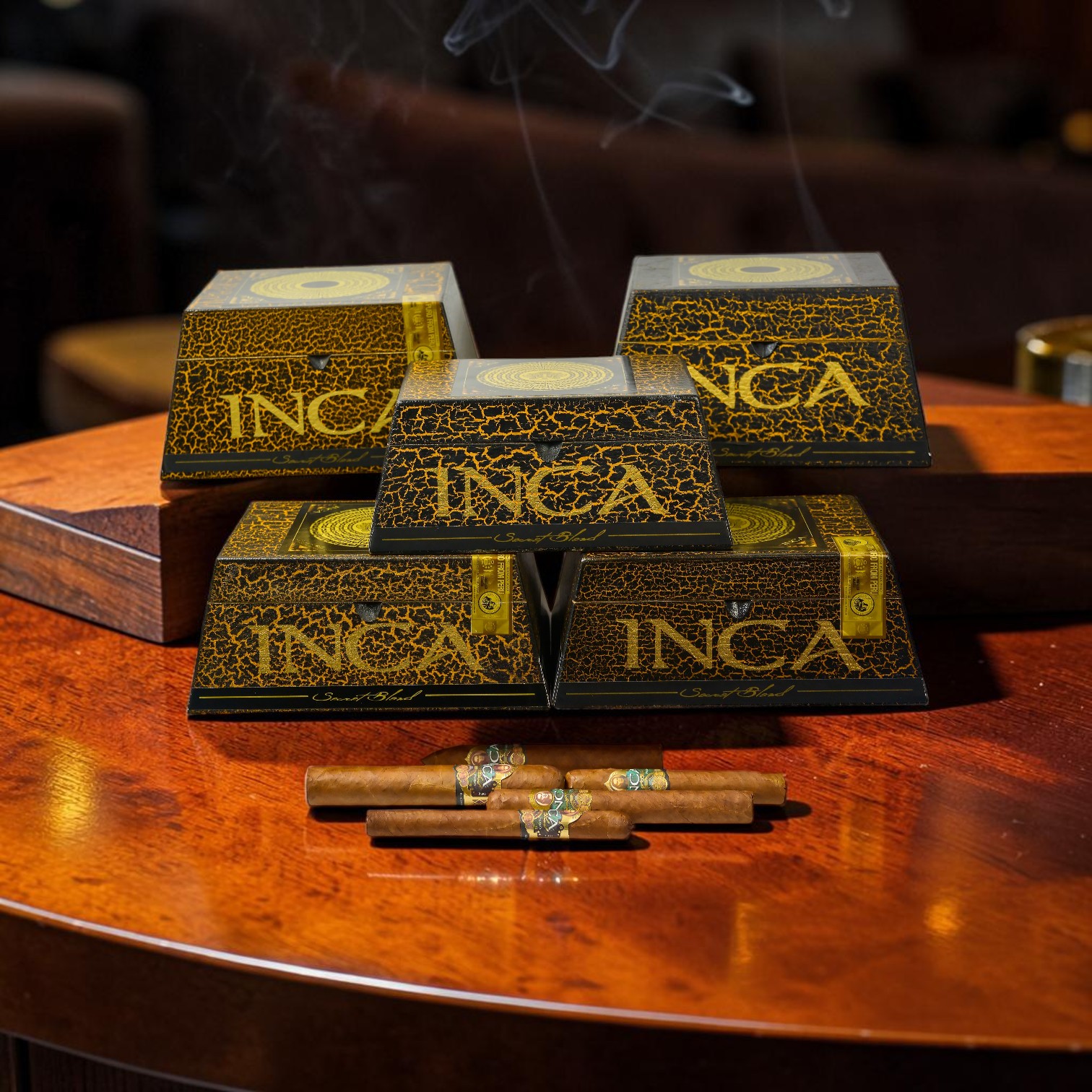
The company began with local brands for the Peruvian market, but later developed Inca Secret Blend, a cigar line now sold in 20 countries, and added private-label manufacturing to its operations. Integrating cultivation into the production process allows the company to tailor blends to each client’s specifications, a flexibility Gennaro compares to the work of a tailor.
The Inca profile aims for medium strength and a pronounced yet approachable flavor, with moderate nicotine impact. In Europe, the fragmentation of the market along national lines creates opportunities for boutique brands. The company’s strategy is to offer a recognizable origin and a distinctive product without imitating major manufacturers. In the United States, its work has focused primarily on private-label brands.
The use of Pelo de Oro is part of this strategy. Although Gennaro avoids simply calling it the company’s “star tobacco,” he acknowledges that it was instrumental in putting the business on the cigar map. It is a low-yielding plant, but one that is highly valued in blends. “When it is incorporated into cigars, people appreciate it,” he says. Its limited production, however, also drives up its price and restricts the number of potential buyers.
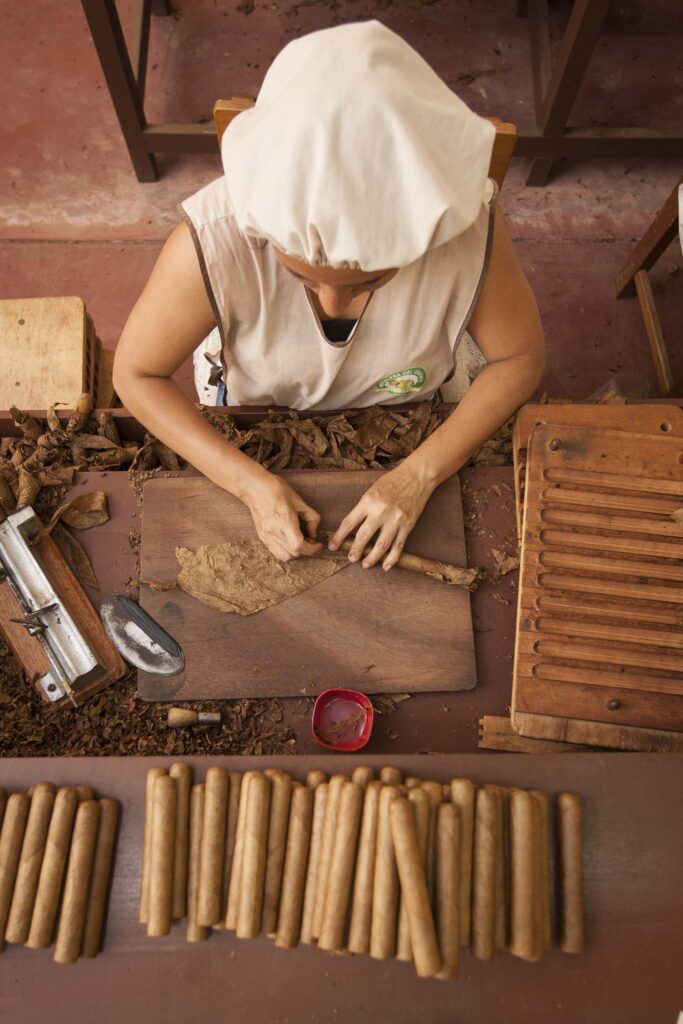
At Tabacalera del Oriente, team training has combined in-house experience with outside expertise. A Cuban employee shared some of her knowledge with the company, while an American client sent a technician several times a year to review processes and help improve product quality. This transfer of knowledge continues through an in-house training school for cigar rollers and workers in the fields and curing barns.
Growth, however, faces a human limitation. Training a cigar roller can take a year, so an increase in orders does not automatically translate into higher production. Gennaro plans to expand the company’s fields over the next five years, but for now, its efforts are focused on meeting existing demand.
The next step will be to resume shade-grown wrapper production, test other seeds, and explore new markets. Mexico, for example, strikes him as an attractive destination. But expansion is grounded in a conviction Gennaro repeatedly expresses when discussing his product: the value of a boutique cigar lies in its origins and in allowing smokers to try it, compare it, and decide for themselves.
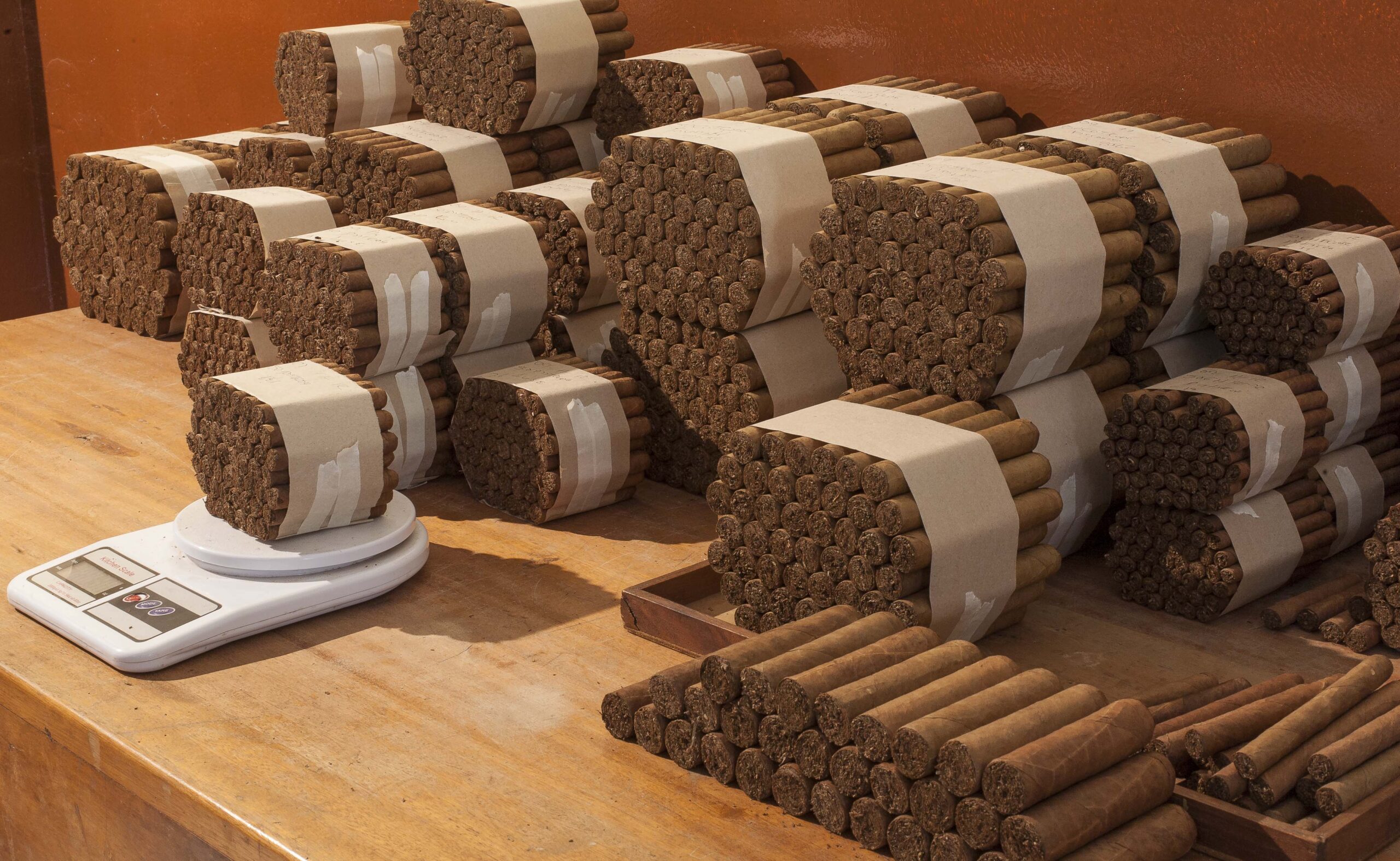
For the entrepreneur, Peruvian terroir does not need to compete on the same terms as Honduras, Nicaragua, or the Dominican Republic. It must showcase its distinctive qualities, because “a true enthusiast has to try everything and then decide what they like most and what they like least,” he concludes.