Known among the Taíno people as Quisqueya –meaning Mother of All Lands– the present-day Dominican Republic was the first place in Colonial America where the Spanish cultivated tobacco, in 1531. However, recognition of its excellence did not arrive until the 18th century, when the Royal Factory of Seville considered it superior even to the finest Havana leaf.
Following various periods of boom and prosperity, interspersed with decline and hardship, the long road toward the industry’s stabilization and development has finally transformed the Leaves of the Great Land into more than just a national product; they are a source of pride and a symbol of a nation.
Read in the magazine (rotate your device for a better reading experience):
Alberto Arizmendi
Tobacco in the Dominican Republic is an ancestral asset originating from South America, specifically the Andean and Amazonian regions. Developed over time, it evolved into its own unique varieties –a heritage that, when combined with introduced strains, allowed for the development of a thriving industry that maintains a leading position in the global tobacco and cigar trade.
It was here that the first Western smoker emerged: the Spaniard Rodrigo de Jerez. A companion of Christopher Columbus, historians record that on October 25, 1492, imitating the indigenous people, he inhaled the smoke from rolls of leaves ignited at the far end.(2) The plant, cultivated until then for ritual purposes, was taken to Spain and became an inexhaustible source of wealth throughout the colonial era.
The introduction of tobacco to the French court is attributed to Jean Nicot, the French ambassador in Lisbon, which fueled its popularity in Europe. However, it was not until 1753 that the Swedish naturalist Carolus Linnaeus named the genus of the plant’s cultivars Nicotiana in his honor; the same happened with its active ingredient, nicotine, first isolated from the leaves in 1828.(3)
It is enough to mention that this genus encompasses three subgenera, and nearly all currently cultivated varieties correspond to the species Nicotiana tabacum L.(4) From these, four basic groups emerge: havanensis (Criollo, in the Antilles); brasilensis (Olor tobacco); virginica (mainly Virginia and Kentucky); and purpurea (Sumatra, Philippines, and Java), each with distinct characteristics in leaf size, shape, and color, as well as their organoleptic qualities (aromas and flavors).(5)
Although international regulations exist today to identify each variety, tobacco remains one of the most confusing cultivated plants to classify. This is influenced by variations in cultivation methods, as well as environmental factors (water, temperature, humidity, precipitation, solar radiation, etc.) and edaphic factors (soil chemical composition).(6)
Among the countless ancient classifications –which differentiated tobacco regionally (e.g., American vs. Oriental varieties) or by commercial grade (from extra and first to colas and fragments)(7)– at the beginning of the 20th century in the Dominican Republic, the plant was referred to in gendered terms: tabaco macho (male) and tabaco hembra (female) or mexicano, as well as Virginia and Brazil types.(8)
In fact, since the varieties and types found in the country result from mixtures, hybridizations, and crossings, the tobacco tradition adopted a simple classification for trade: Tabaco de Olor, used for wrappers, binders, or fillers in cigar making; and Tabaco Criollo (or black tobacco), for the manufacture of cigarettes and cigars. It should be clarified that in this context, Criollo is not a synonym for low quality.
According to the Tobacco Institute (Intabaco, in Spanish), the country currently produces five types of tobacco across 21 varieties:
Olor Dominicano
Varieties: Quin Díaz, Chago Díaz, Papayo, Amarillo Parado, Olor San Víctor, Tumba Rancho, and Carbonell.
Havanensis
Varieties: Piloto, San Vicente, and Intabaco T-13.
Introduced Havanensis
Varieties: Criollo 98, Corojo, HVA, and Negrito San Andrés.
Local Criollo Tobaccos
Varieties: Pitrinche, Rabito, and Punta de Lanza.
Introduced or Wrapper Tobaccos
Varieties: Connecticut, Broadleaf, San Andrés, and Cameroon.
***
Quin Díaz
Among the original Dominican varieties used in cigars, Quin Díaz resulted from a selection made by farmer José Joaquín Quin Díaz in Jacagua. For a long time, it reigned as the Queen of Olor Tobacco.(9) Agronomist Tirso Renán Ramírez Muñoz, head of the Research Department at Intabaco, highlights that it is a local source of resistance to the Black Shank disease (Phytophthora parasitaria) and has been used in U.S. breeding systems since 1955 as a source of resistance.(10)
Chago Díaz
Around 1948, farmer Santiago Chago Díaz planted the Quin Díaz variety (discovered by a relative) in a small plot near Villa González. Three plants grew inexplicably larger than the rest, with wider and more beautiful leaves. Along with his brothers, he gave them extraordinary care, eventually cultivating seven tareas from their seeds. After winning an award at a fair in Santiago, dozens of growers adopted the variety, which spread and was perfected to become one of the most recognized and sought-after in the world.(11) Due to its leaf width, it is widely used as a binder and for special wrappers, as well as for filler.
Amarillo Parado
Perfected by Don Luis Carballo Romero, this is the most representative variety of Dominican Criollo tobacco. It is used mostly for dark tobacco cigarettes but also as a binder in cigars; its neutral flavor allows it to adapt to any blend. As filler, it is excellent, as it does not overpower the flavor of other well-known tobaccos.
Carbonell
Cigar producer Pablo Carbonell Saint-Hilaire states that his grandfather, Jorge Carbonell Cañegas, cultivated Olor tobacco in Palmar de Abajo, Villa González, where the variety now known as Carbonell originated. It was lost due to commercial interests, but his father, Jorge Carbonell Farina, who knew it as a young man, spent years searching for the plant until he finally rediscovered and rescued it in the late 1970s and early 1980s. Agronomist Andrés Jiménez explains that it is a variety “created by natural selection” and, like Cuban tobacco, is suitable for wrapper, binder, and filler. In other words, a Dominican puro could be manufactured entirely from this leaf.
Piloto
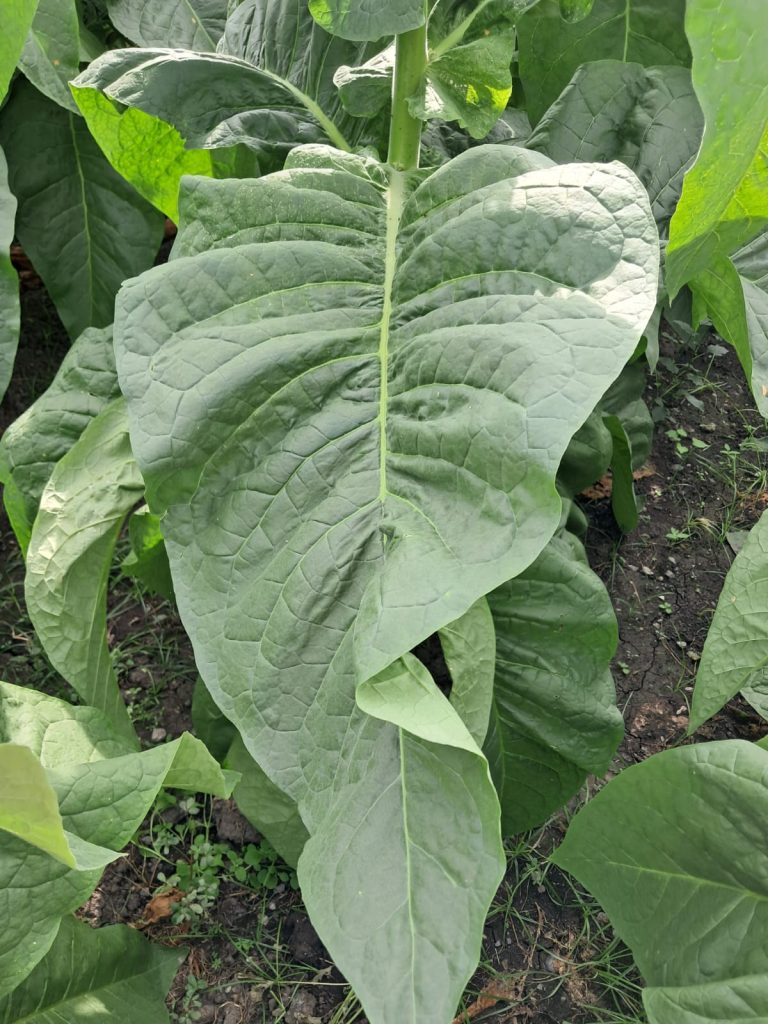
Don José Leonardo Leo Reyes Vargas notes that this variety emerged in 1961 on a farm adjacent to the current facilities of the Compañía de Tabacos Flor de los Reyes in Navarrete. At that time, his father allowed Mr. Carlos Toraño and Intabaco staff to plant Cuban Criollo seeds there for testing. He recalls that they surrounded the farm with white cloth and built curing barns in the Cuban style. It was named Piloto Cubano because it was part of a “pilot plan,” the success of which allowed Dominican tobacco to be exported to Tampa, Florida, to make cigars for those who left the island after the Revolution.
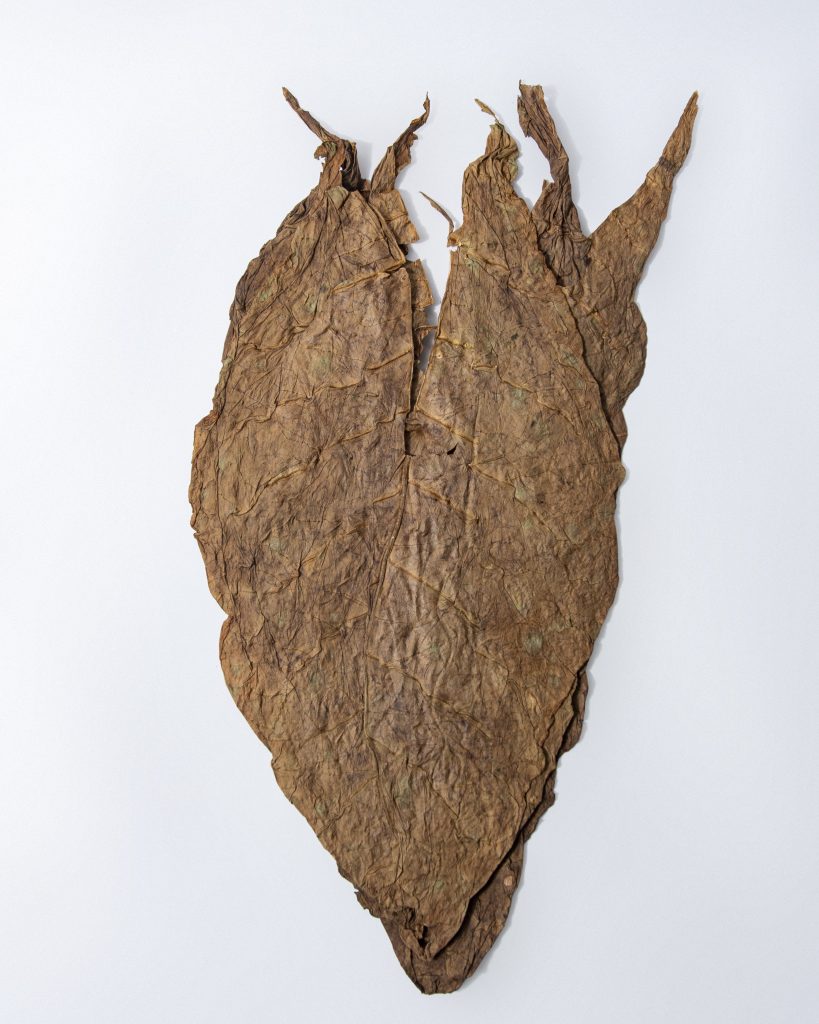
San Vicente
Similarly, Don Leo Reyes mentions that the Cubans brought another seed they possessed at the time: Corojo Original. However, since few Dominicans had the culture of seed selection at that time, it eventually cross-bred with Olor tobaccos, resulting in a drought-resistant plant. “It tasted delicious, so it was named San Vicente, of which there eventually were more than six or seven different varieties.”
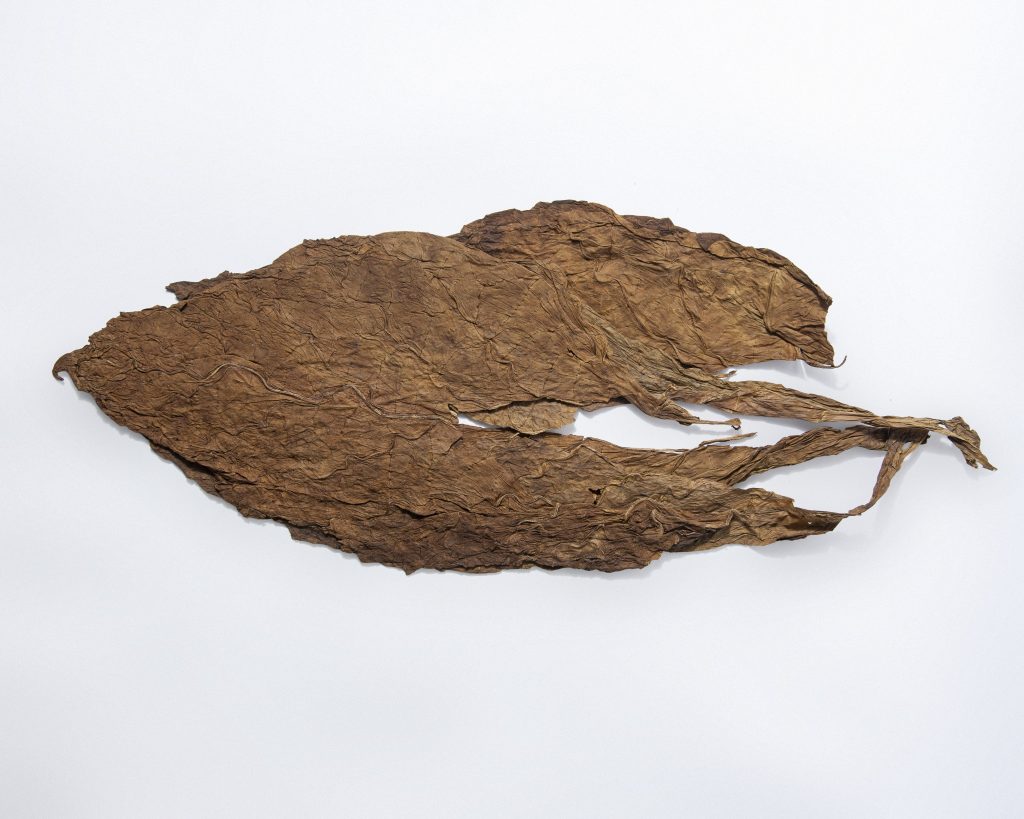
Intabaco T-13
After ten years (or generations) of research, the Intabaco team managed to obtain plants with the tolerance and organoleptic conditions of Olor Dominicano and the flavor of Havanensis, resulting in Intabaco T-13. The lead engineer, Tirso Renán Ramírez, says it was named T-13 because its development concluded in 2013, and it happened to be in row 13 of the cross-breeding trials. It was patented in 2020 and recognized by the International Union for the Protection of New Varieties of Plants (UPOV). Its smoke offers nuanced layers, a quality noted by tasters. It is intended for use as wrapper, binder, and filler, providing more opportunities for blending.
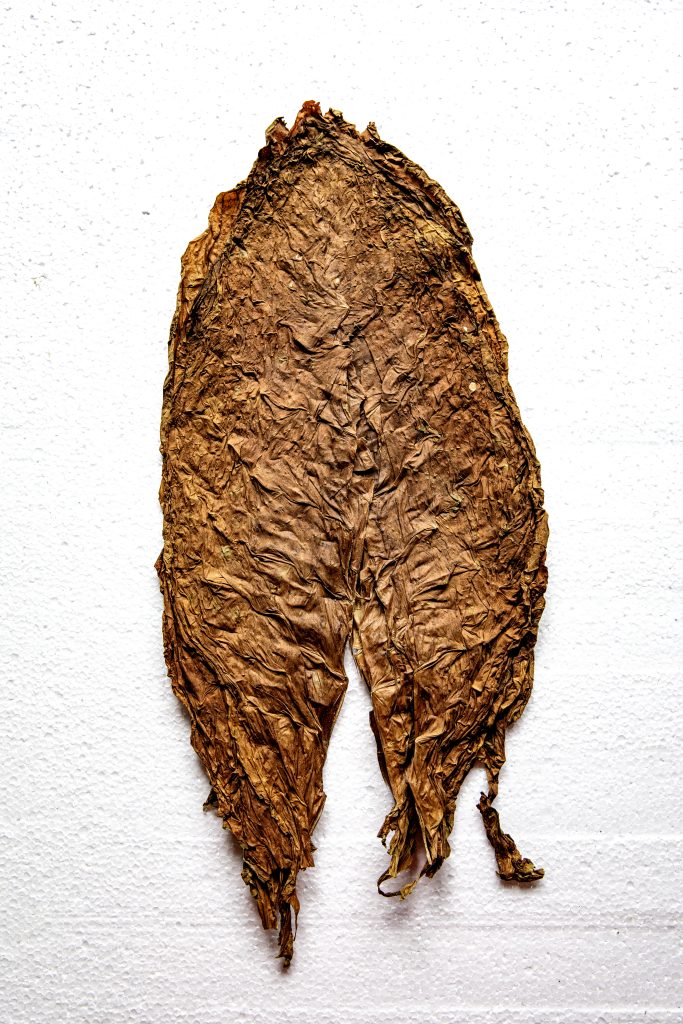
Local Criollos
Tirso Renán Ramírez also speaks of local varieties like Pitrinche, which possesses great strength but has a very narrow leaf. Although it has few veins and could be used for small cigar wrappers, it is primarily used in blends for those who enjoy strong flavors. The name is local; Pitrinchito means thin. Other traditional tobaccos, such as Rabito and Punta de Lanza, have ancestral origins in the Andean and Amazonian zones.
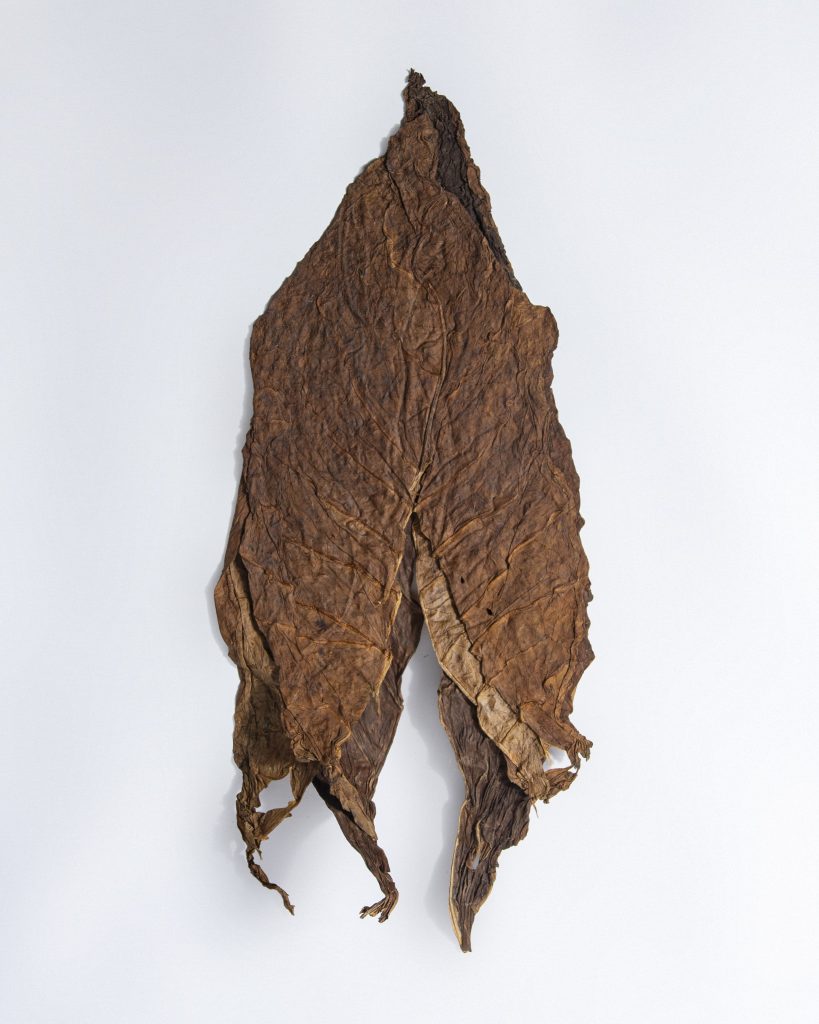
Wrapper Tobacco
Based on the system developed in the U.S. starting in 1900, wrapper cultivation in the Dominican Republic began in 1964 with the San Vicente and Piloto Cubano varieties –an experiment credited to Iturbides Zaldívar and the Cuban José Emilio Rodríguez. However, the product, while high quality, proved very costly. Commercial production was successfully re-established in Bonao in 1976 through an agreement between Intabaco and the U.S.-based Culbro Corporation. Today, light wrappers (Claro) are obtained from Connecticut type tobacco, while darker ones come from Sumatra and Cameroon strains.
Over time, various companies have established wrapper crops. An example is the Compañía de Tabacos Flor de los Reyes, which currently produces varieties such as Corojo Original, Habana 92, HVA, Corojo 2006, Habana 2000, Corojo 99, Corojo 20-20, and San Andrés.
Additionally, notable work is being done in the San Juan de la Maguana region in the southwest. In this valley –with over 25,000 hectares– the government seeks to replicate the success of traditional tobacco zones. According to Luis Manuel Bonilla Bonilla, Executive Director of the San Juan Plan, the experimental stage covered five varieties to identify those best suited for the area. The agro-climatic and soil conditions are ideal for producing wrapper and binder tobacco, which offer the highest profitability. These leaves possess notes and qualities distinct from those of El Cibao, making them unique to the country in terms of quality and productivity.
These data and testimonies aim to briefly record the origins of some of the primary tobacco varieties produced in the country. The goal for the 2024-2025 harvest is set at 330,000 quintals –raw material that serves as the base for more than 181 million premium cigars. Last year, the sector exceeded 1.34 billion dollars in value.
Suscribe to our Newsletter