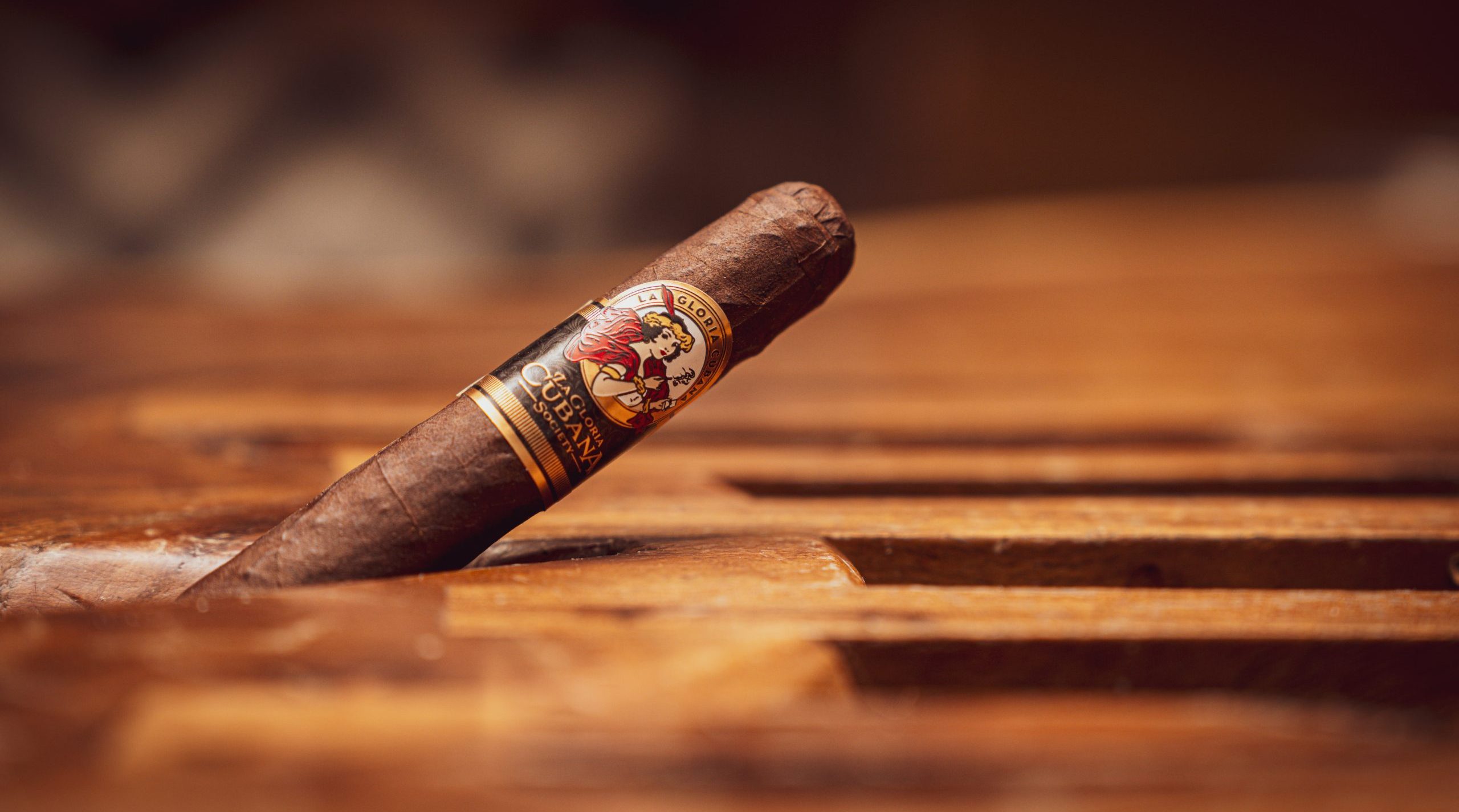
There is a deeply American irony in the way this country understands freedom. In some areas, the right to choose is sacred; in others, it is suspicious. For instance, in California, wine is celebrated as art, and in Kentucky, bourbon is a symbol of heritage, but in those same jurisdictions, a premium cigar –handcrafted with the same spirit of tradition and artistry– is considered almost a public threat.
Read in the magazine (rotate your device for a better reading experience):
This is a country that prides itself on defending individual liberty, yet when it comes to pleasure, the line between what is permitted and what is prohibited seems to be drawn whimsically. What a citizen can drink with pride, they can hardly smoke without guilt.
Selective Liberty
The wine industry in California generates more than 70 billion dollars annually. Bourbon, protected by federal law as “America’s native spirit,” contributes over 9 billion and is a symbol of national pride. Both represent values the country appreciates: patience, heritage, dedication, and a taste for the artisanal; they are the liquid expression of the freedom to choose and enjoy.
However, premium cigars are subjected to a series of taxes, restrictions, and misinformation campaigns that place them on the opposite end of the cultural spectrum. In states like California, where wine flows naturally and cannabis is sold in boutiques, lighting a premium cigar can feel almost like an act of civil resistance.
The point is not to deny that all pleasure carries risk, but to recognize the inconsistency. If we accept that a responsible adult can savor a glass of wine or a glass of bourbon in moderation, why deny that same principle to someone who chooses to enjoy a quality cigar, without inhaling, in a private and social setting?
The Value of the Craft
The difference may not lie in the risk, but in the narrative. Wine and bourbon managed to project themselves as expressions of art, culture, and community. The cigar, in contrast, was cornered by decades of regulatory simplifications and cultural prejudice. And yet, behind every puro is a history of hands and leaves: farmers, torcedores (rollers), and master blenders who dedicate years to creating something unique, just as artisanal and honest as any bottle of wine or barrel of bourbon.
The U.S. judicial system itself has recognized that the FDA failed to present sufficient evidence to regulate premium cigars, and that its attempt to do so was “arbitrary and capricious.” That is to say, the debate is not medical, but moral: who has the right to decide which pleasures are acceptable and which are not?
The Irony of Progress
The paradoxical situation is that we live in an era where the consumer demands transparency, origin, and authenticity. Farm-to-table food, craft beverages, and conscious consumption are promoted, but when it comes to the cigar, those same values seem to vanish.
The premium cigar neither seeks to be mass-market nor seduces with advertising or addiction. Its pleasure is slow, deliberate, and social, representing the same principle that inspired wine and bourbon: enjoying life with purpose. Yet, it is treated as if its mere existence were an offense to modernity.
The Point Is Choice
Defending the right to enjoy a cigar is not glorifying smoke; it is defending consistency. If we believe that the adult citizen is capable of choosing their diet, their drink, or their lifestyle, they must also be able to determine how, when, and with whom they enjoy a cigar. True freedom does not consist of permitting only what we approve of, but in respecting the right to choose what we do not share.
Wine, bourbon, and the premium cigar are distinct expressions of the same human impulse: celebrating time, conversation, and life. The problem is not which one we prefer, but who believes they have the authority to decide for us. Because, at its heart, the smoke of a good cigar does not challenge public health, but double standards.
* Founding Partner of Entre Humos: Lounges, Online, Retail, Puerto Rico.