Across the Mediterranean, certain traditions survive only because someone refuses to abandon them. The ritual culture of the cigar is one, tsipouro is another, and both demand time, patience, and obsession.
That same philosophy lives –silently but powerfully– within a traditional Greek spirit whose true character is now starting to be discovered beyond Greece: tsipouro. And at the center of its modern history stands Kostas Tsililis, a man whose life can be read as a true master class in commitment, resilience, and visionary leadership.
Read in the magazine (rotate your device for a better reading experience):
Dr. Anastasia Psomiadi
Passion, Patience, and the Greek Spirit Behind Tsipouro
This interview is not simply a story about alcohol; it is a story about identity, resistance, and cultural dignity –values that every cigar aficionado instinctively understands.
Living Tradition
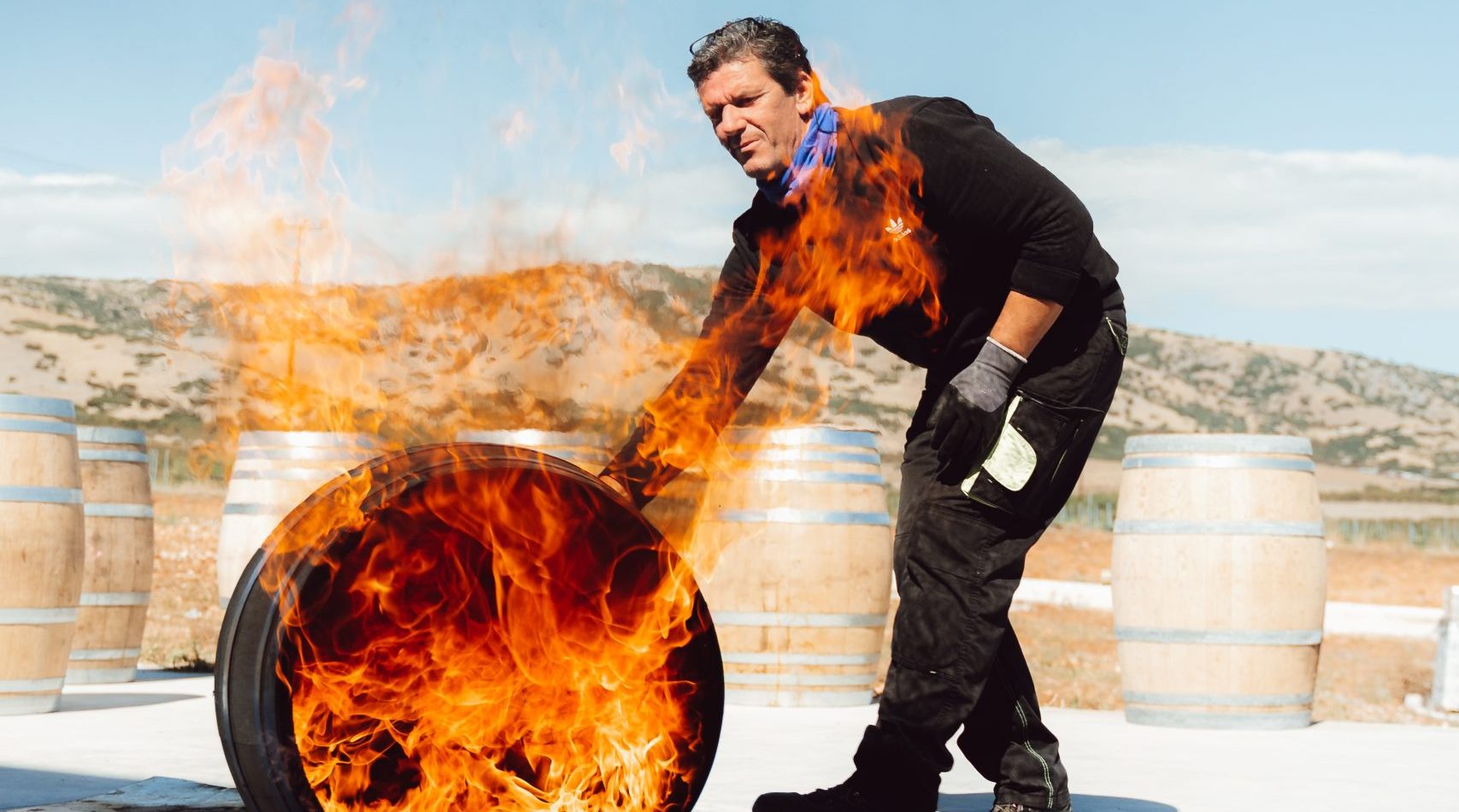
For Kostas Tsililis, distillation was never a career choice; it was an environment. “I grew up in a village where tradition wasn’t something you remembered, it was something you lived,” he explains. “The fire of distillation, the steam rising from the pomace, the stories shared around the still… that was the rhythm of life.”
Tsipouro, a grape spirit born from the winemaking process, was never simply a drink; it was a liquid created by the community. In rural Greece, distillation days were celebrations, moments when people gathered, shared food, told stories, and reaffirmed their sense of belonging. Tsipouro carried warmth, memory, and truth.
What is Tsipouro?
Tsipouro is a traditional Greek grape spirit, made from the pomace (grape skins and solids) left over after winemaking. Unlike neutral alcohols, tsipouro retains the soul of the grape, offering aromas, texture, and complexity deeply tied to the terroir.
Its role within Greek culture can be compared to that of cognac or grappa, but with a completely unique identity –direct, honest, and expressive. For decades, tsipouro existed only in bulk, unbottled, in an informal context, until someone dared to believe it deserved more.
From Physics to Distillation
“Physics taught me how nature behaves,” states Tsililis. “Distillation is nothing more than nature guided with respect: evaporation, condensation, transformation.”
When Greek legislation finally allowed the official bottling of tsipouro, Tsililis saw what others failed to see: not just a product, but a future. And in 1989, with limited resources but absolute conviction, he founded the first tsipouro distillery in Thessaly, setting in motion a revolution that few were prepared to accept.
Rejection, Resistance, and the Value of Perseverance
For Tsililis, the early years were hard. Rural communities rejected bottled tsipouro, considering it “industrial.” In the cities, it was seen as a harsh, unsophisticated spirit. There was no advertising, education, or frame of reference.
“There were moments of profound doubt,” Tsililis admits. “But faith in the product and in the truth of what we offered was what kept me going.” He went door-to-door, table-to-table, serving, explaining, and insisting. Each tasting created a new ambassador, and by the early 1990s, tsipouro began to find its place, not through fashion, but through trust.
After 35 years, multiple crises, economic collapses, and global uncertainty, Tsililis remains a pioneer who legitimized tsipouro, a guardian of the Greek distillation legacy, and a visionary looking toward the international stage, whose ambition is not to dominate the market, but to bring dignity.
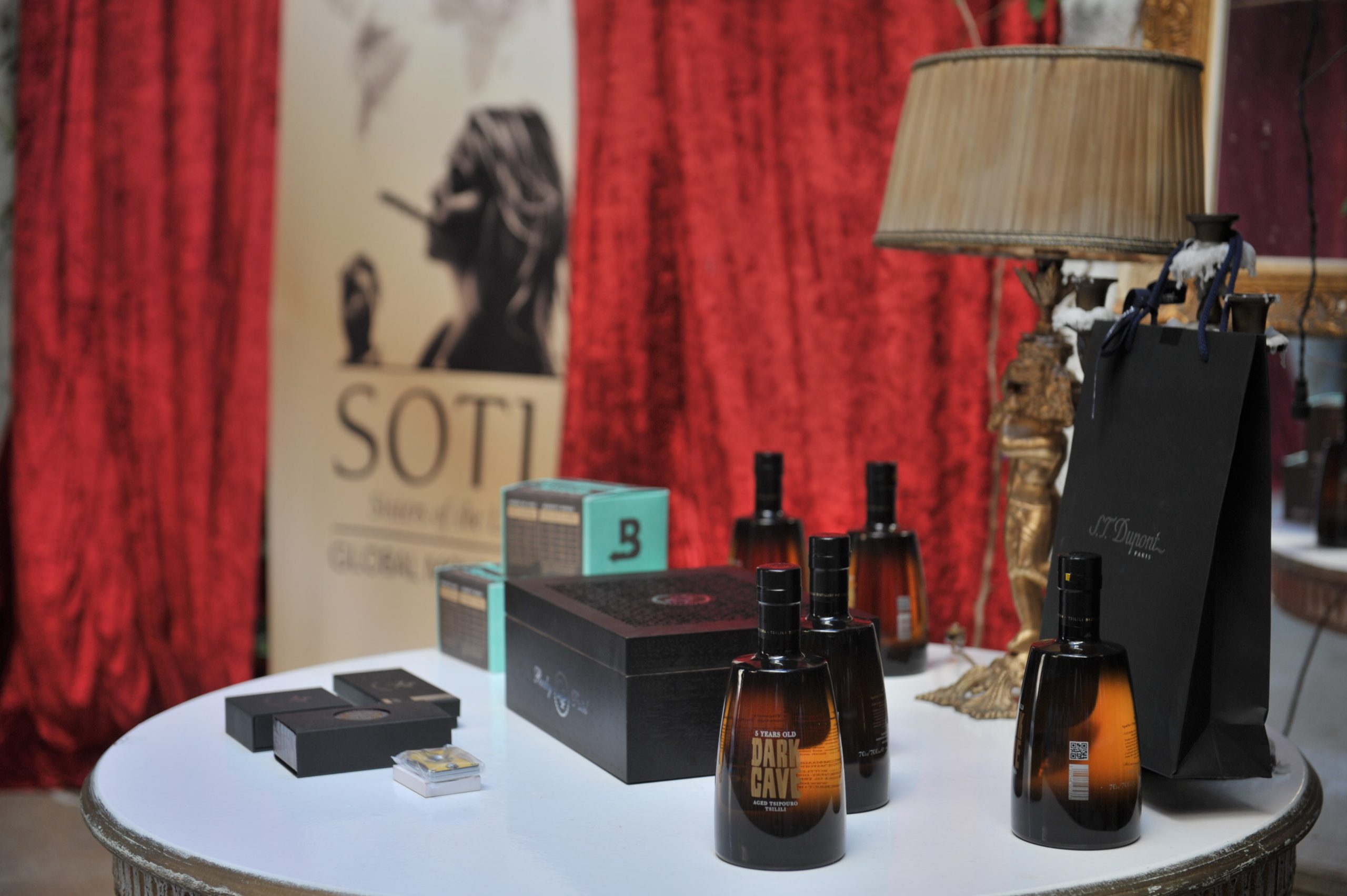
Dark Cave Tsipouro – Aged 5 Years
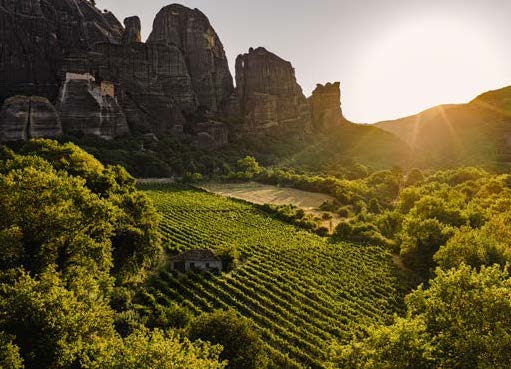
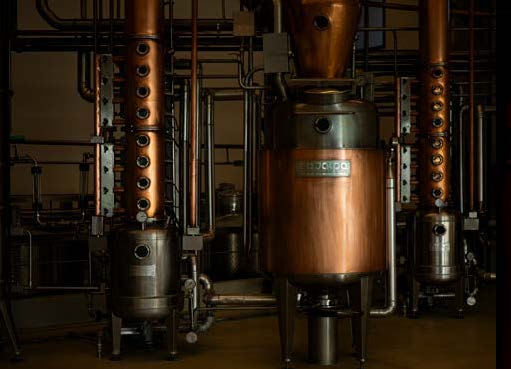
The Dark Cave Tsipouro from the Tsililis Distillery is made from freshly fermented grape pomace, sourced exclusively from high-quality vineyards in Thessaly. The distillation is performed in small, traditional, discontinuous copper stills, using a slow and carefully controlled process that preserves the fresh and sweet aromatic profile of the grape.
Aging lasts for a minimum of five years in selected French and American oak barrels, previously used for red wine and the sweet wine Vinsanto. This choice softens the spirit and adds depth, structure, and complexity without masking its varietal character.
The result is a mature and balanced spirit, with evolved grape aromas and notes of raisins, plums, and bergamot peel, accompanied by vanilla, chocolate, and nutmeg. It has a firm yet elegant body, with a silky and persistent finish.
It is recommended to enjoy it neat to appreciate its full expression, or with a small amount of ice to gently open its aromatic profile.
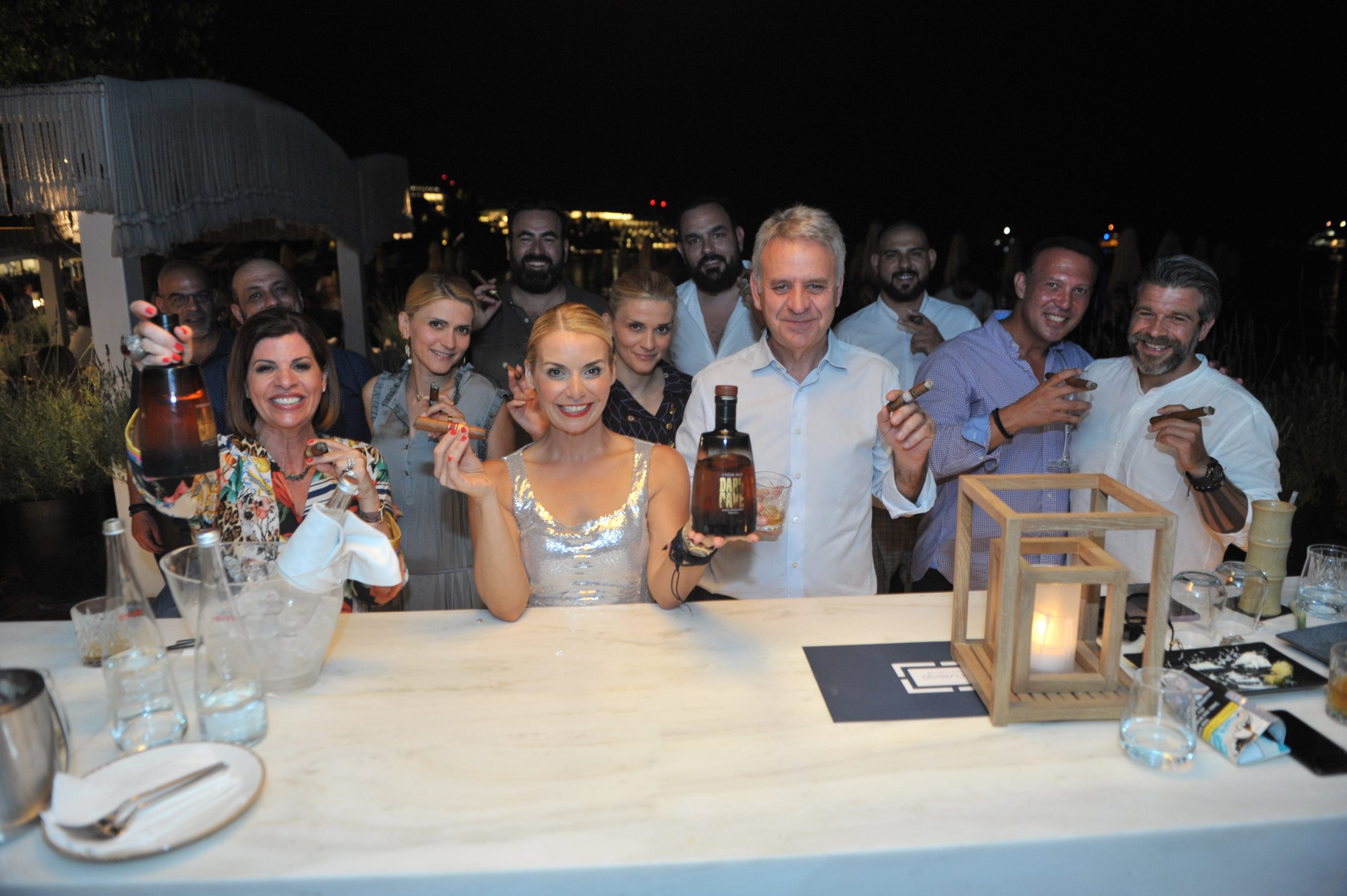
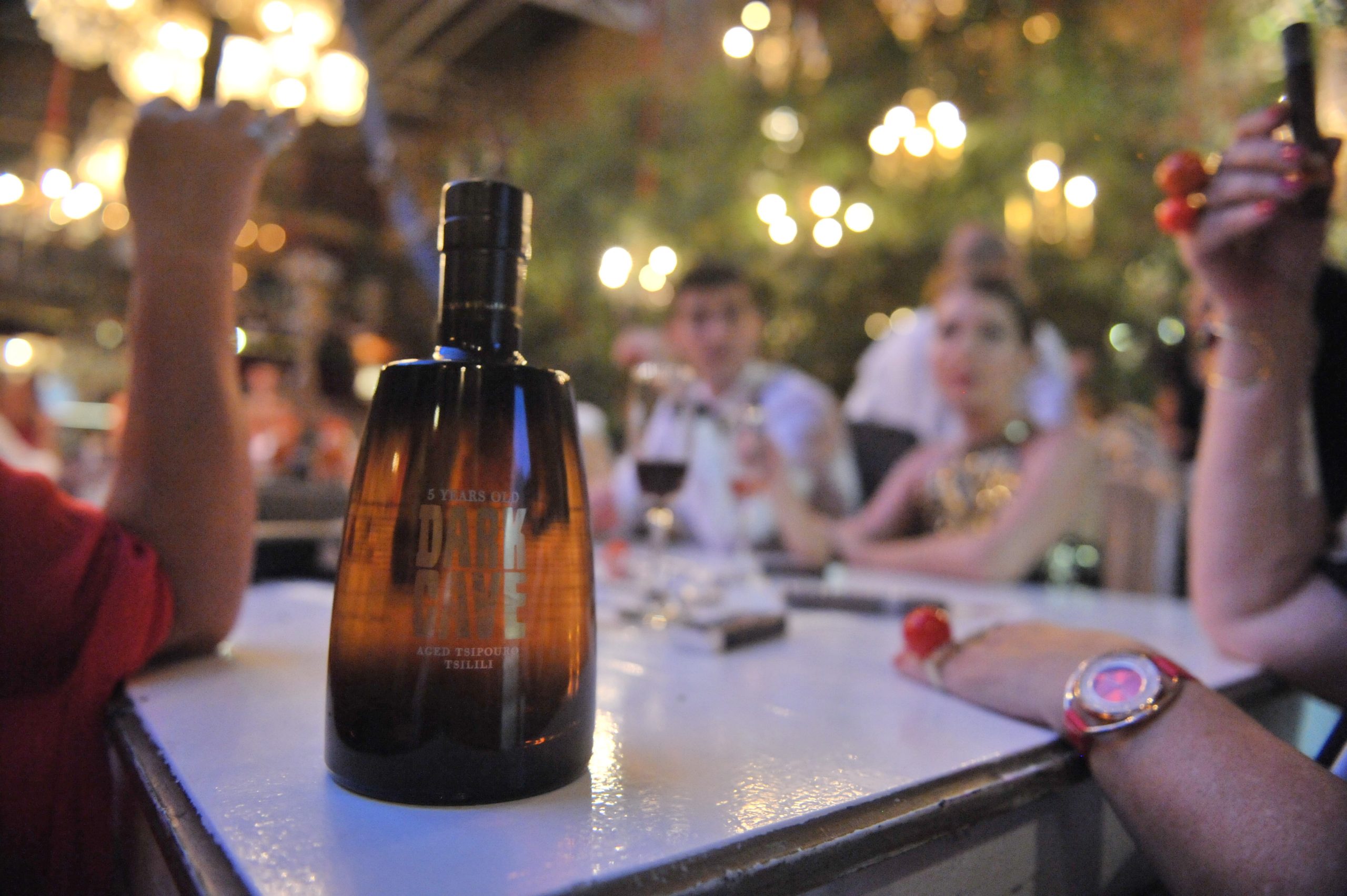
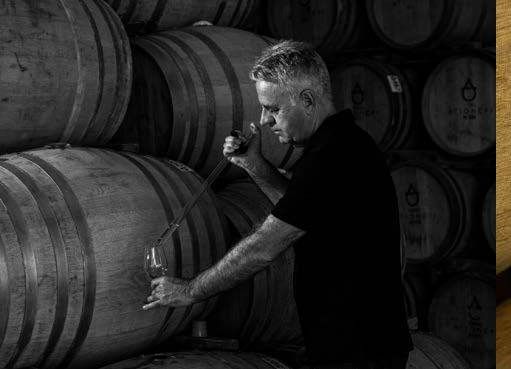
Dark Cave and Cigars
When I asked Kostas Tsililis how cigars connect with his brand’s philosophy and lifestyle, and if they could occupy a central place in his company’s identity, he responded: The ancient Greeks introduced the concept of ευ ζην (living well), not as superficial pleasure, but as inner elevation –a state of harmony between the body, soul, and environment. This principle guides his personal path and the philosophy of Dark Cave today.
Aged tsipouro, with its complexity and warmth, naturally accompanies cigars that are enjoyed slowly, without distraction, in conversation or in silence. “It is not a dominant accompaniment. It is respectful.”
He believes that cigars are not limited to accompanying the Dark Cave on a sensory level –whether aged five or twelve years– but act as a catalyst that creates the necessary conditions to jointly lead him to a shared state of fullness, harmony, and consciousness.
“As a distiller of aged spirits, I wait for years until they develop the character I envision. In the same way, tobacco leaves require time to become complex, balanced cigars. Cigars and aged spirits share the same fundamental philosophy: patience, balance, and ritual.”
For the global community of smokers, Kostas Tsililis is much more than a distiller. He is proof that great culture only survives when someone refuses to abandon it. And that, perhaps, is the best combination of all.
Suscribe to our Newsletter