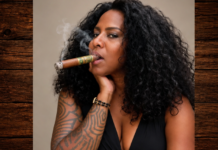
When you light a premium cigar, you see ritual, relaxation, and perhaps luxury. What remains invisible are the women behind it.
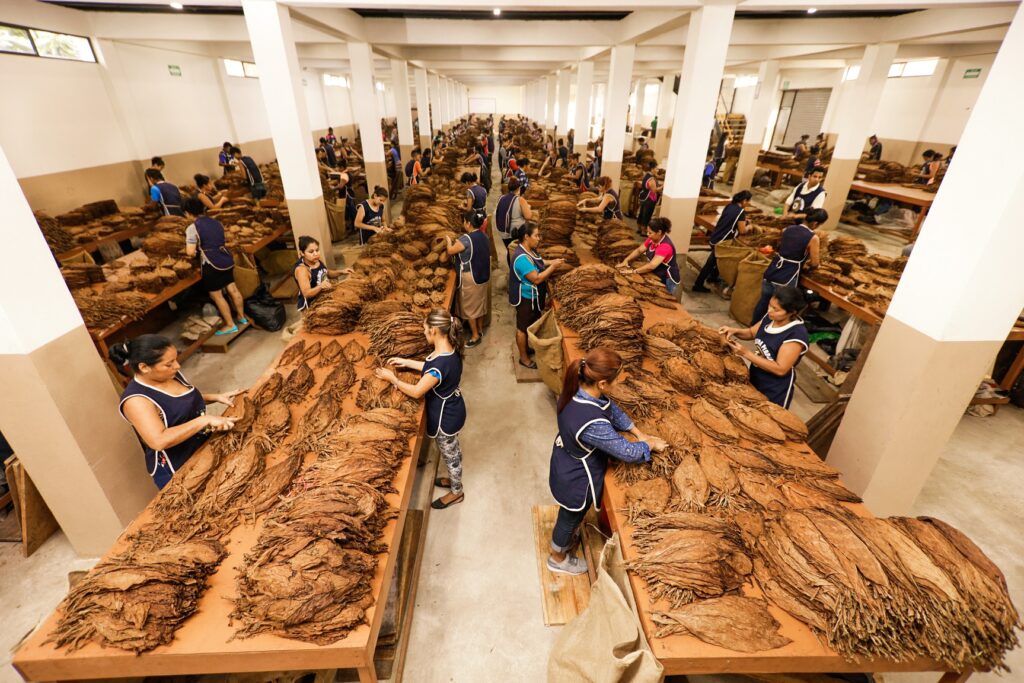
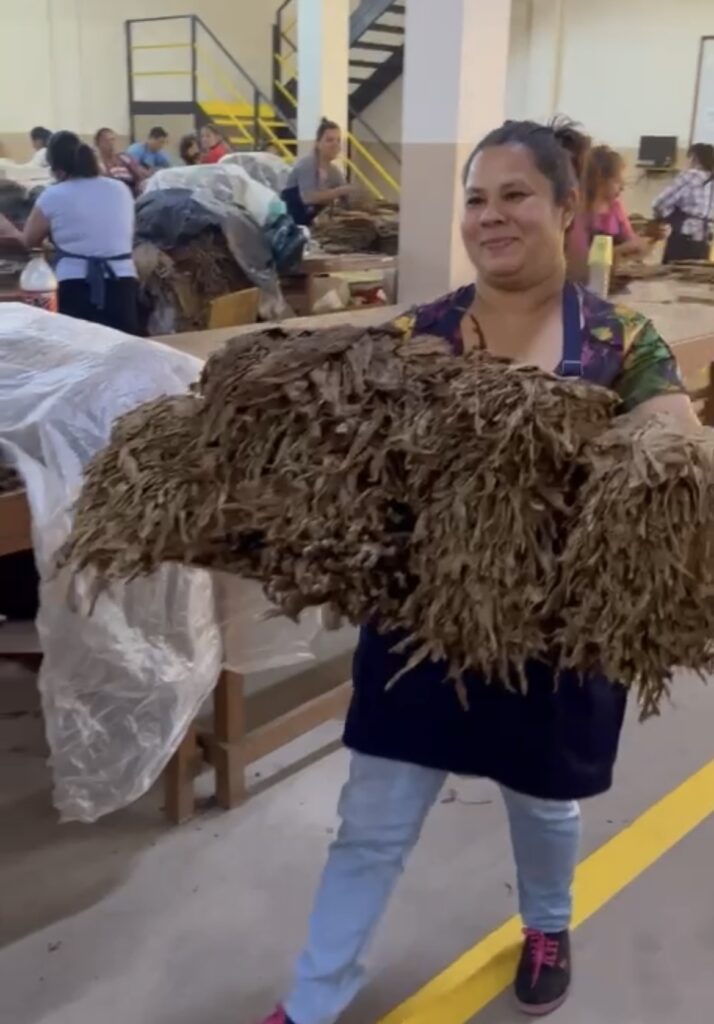
From the fields to the rolling tables, women are fundamental to the tobacco industry. They are not symbolic or supportive; they are truly essential. We see this when we walk through the farms and production galeras, as they are everywhere: in the fields, leaf selection, quality control, rolling tables… they are present, focused, skilled, and confident.
Read in the magazine (rotate your device for a better reading experience):
This is not new. Women have worked in the Tobacco World for generations; what is new is that we are finally talking about it.
In an industry that markets legacy, we rarely document the labor structure. If we are serious about authenticity, we must recognize who sustains the production systems. Doing so is not sentimental; it is structural transparency.
Women in the Fields
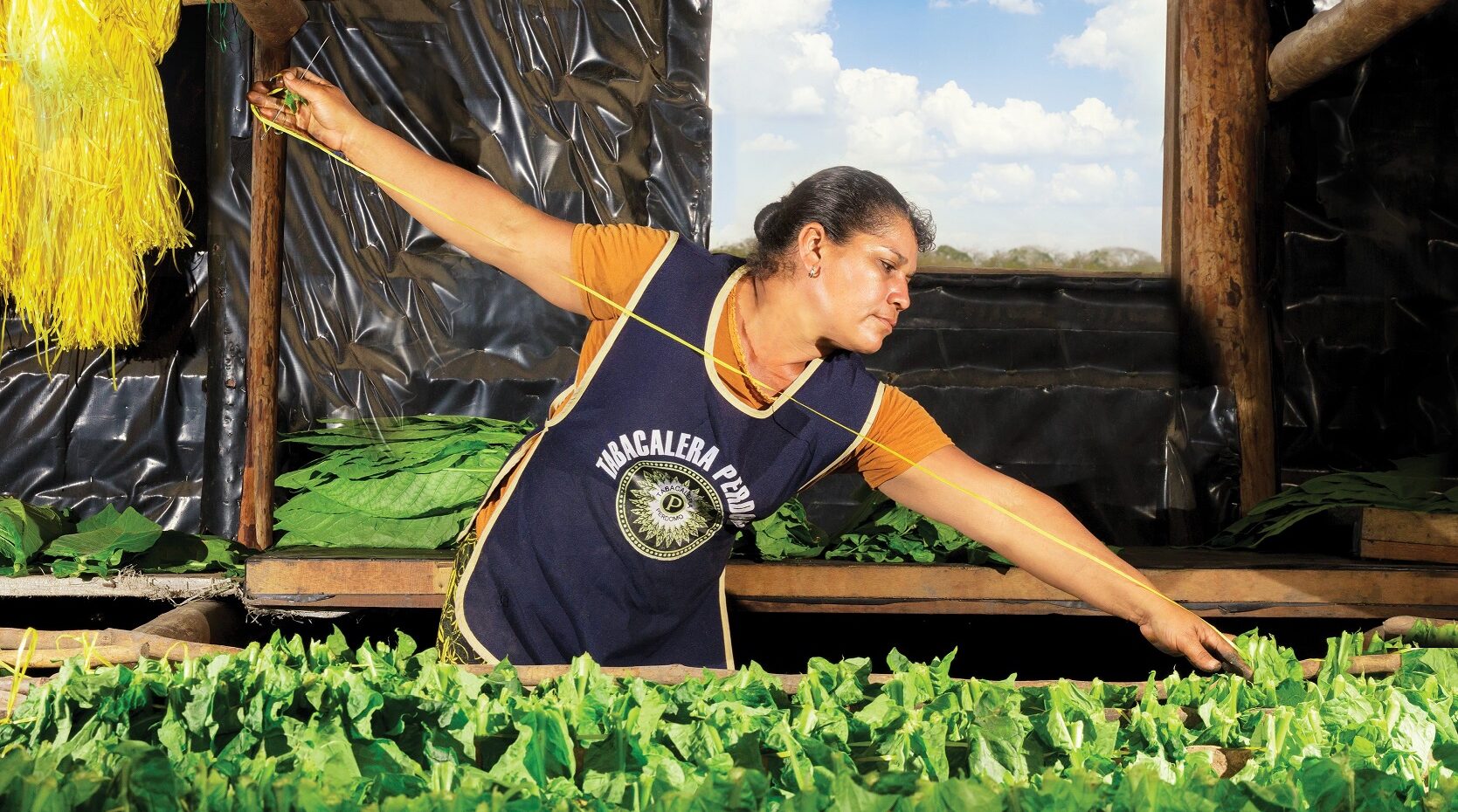
A premium cigar depends on what happens long before it reaches the rolling table: women plant, monitor, harvest, inspect, and understand the leaves. They know when something is wrong and identify what quality looks like.
Countries like the Dominican Republic, Nicaragua, Honduras, and Cuba rely heavily on tobacco production as a core part of their exports –the very foundation of their national economies.
In 2024, the Dominican Republic exported over $1.34 billion in cigars, according to the Tobacco Institute (Intabaco). This sector maintains more than 122,000 direct jobs across the country, which annually produces over 8.4 billion cigars, including more than 182 million handmade ones.
These figures tell us something important: this is not a small artisanal activity, but a major economic engine. And behind that engine are women.
Precision Matters
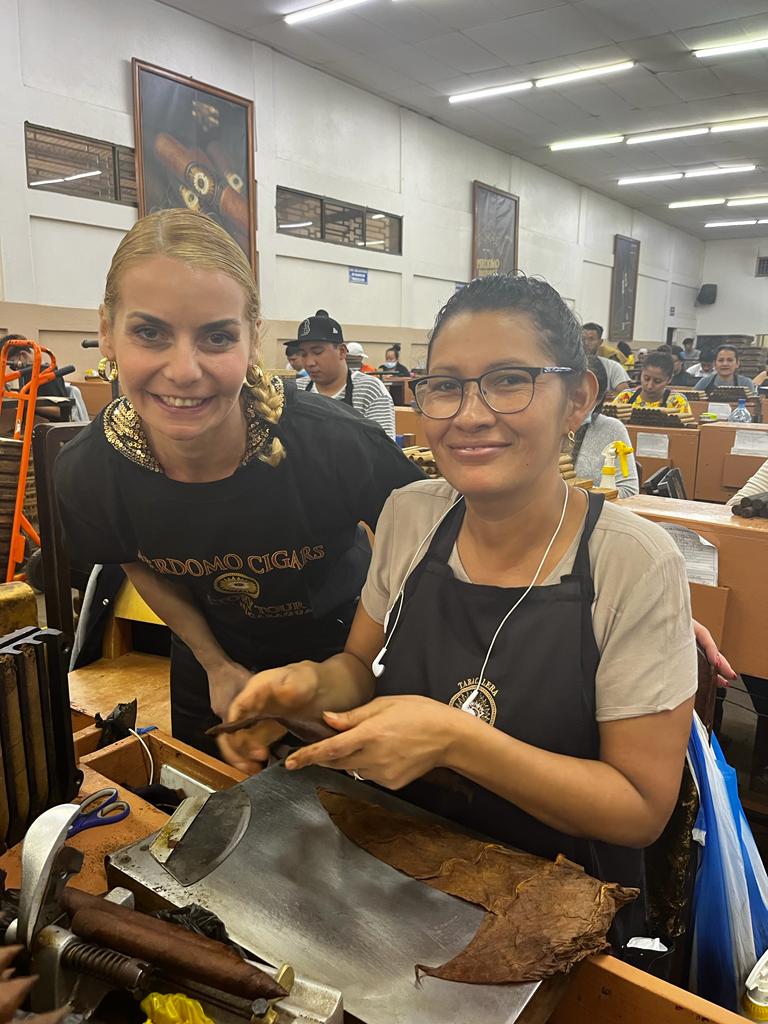
A cigar is only as good as the selected leaf, and women typically lead this stage. They see differences others would overlook: texture, elasticity, and combustion potential. One sorter (escogedora) told me: “If the leaf is wrong, the blend fails.”
She was right; selection is risk management. A weak wrapper breaks, an uneven binder affects combustion, and a poorly judged filler alters strength and balance. When a country exports over a billion dollars in premium cigars, quality errors are not minor; they are costly. This stage protects the brand’s reputation before the cigar even reaches the galera.
Rolling: Skill, Not Romance
Rolling is not decorative work; it is technical. Female rollers (torcedoras) control structure, density, draw, and appearance. A single mistake affects the entire smoking experience, as a correctly rolled cigar must meet strict parameters: uniform bunching, correct pressure, structural integrity for aging, and consistent airflow resistance.
Master rollers can produce between 100 and 150 cigars a day while maintaining consistency. That level of repeatable quality is industrial discipline, not folklore.
To understand the scale: Habanos S.A., Cuba’s premium cigar corporation, reported revenues of $827 million in 2024. These revenues depend on craftsmanship where precision is not optional, but fundamental.
The Reality
The work is arduous, and conditions are not always easy. Many women carry a double responsibility: the factory and the home… and yet, they deliver.
At the rolling tables, there is focus, discipline, laughter, and solidarity. In Nicaragua alone, cigar and tobacco exports to the United States reached $370 million in 2024 (according to UN Comtrade data). Those revenues flow through factories and farms that rely on a steady, skilled workforce.
Tobacco income sustains households, funds education, and supports communities. When women move into supervisory roles, blending, or executive positions, they are not just breaking cultural patterns; they are influencing supply chains, quality standards, and the long-term continuity of the craft.
The Change
Change is happening, but it doesn’t happen by accident. The SOTL Global Movement was the first structured global movement to formally advocate for the recognition of women within cigar culture –not just as consumers, but as producers, leaders, and cultural contributors.
This is not a retrospective claim; it is openly recognized within the industry. Since 2017, SOTL has advised and supported women in various countries to develop their own initiatives, from local gatherings to national platforms and cross-industry collaboration. Many of the efforts visible today were strengthened through structured guidance, networking, and leadership development within this organization.
This was never about seeking attention, and it was never charity; it was a structural correction.
Some progress has been made, but recognition remains selective and uneven. Most women in the fields and factories still work without visibility beyond their company. Their names rarely appear in brand narratives, and their expertise is seldom part of marketing stories.
In some countries, additional barriers persist. Women who smoke cigars may still face stereotypes or cultural judgments, even when they are part of the very industry that produces them. That contradiction is real and deserves to be acknowledged.
Visibility alters market behavior. When women are publicly recognized as producers –and not just consumers– obsolete narratives about who belongs in cigar culture are challenged, and this strengthens the industry.
Shared Responsibility
The next time you light a cigar, pause. That cigar passed through hands that cultivated and selected the raw material, and then rolled it, protecting its quality.
They are not a footnote in this sector; they are its foundation.
If the premium cigar industry wants to protect its legacy, it must support and elevate the people carrying that legacy forward. Sustainability is not just environmental; it is human capital, and women are central to that equation.
SOTL Cultural Ambassador
Recognition is important, though alone it is not leadership. If women are fundamental to this industry, the next step is structural visibility, not symbolic applause.
This is why SOTL GM created the role of Cultural Ambassador, and since 2017, it has been built on four fundamental pillars:
- Recognizing leadership.
- Elevating culture.
- Strengthening community –from local to global, women and men together.
- Driving education through the SOTL Maestro School of Cigar Sommelier.
The role of Cultural Ambassador does not create leaders; it honors women who already lead through their presence, conduct, credibility, and example. It is not marketing or influencer culture. It is a structured recognition of women who understand that cigar spaces are not just commercial venues: they are social ecosystems.
The Cultural Ambassador Roadmap
- Women identify and support “Women Friendly” Cigar Destinations.
- They protect standards of conduct and inclusion.
- They represent cigar culture with a tone of leadership.
- They naturally build bridges between businesses, civic institutions, academia, and civil society.
The future of cigar culture will not be sustained by nostalgia alone. The role of the SOTL Cultural Ambassador formalizes what has always existed in silence. We do not create power; we make visible the power that is already there.
Suscribe to our Newsletter