


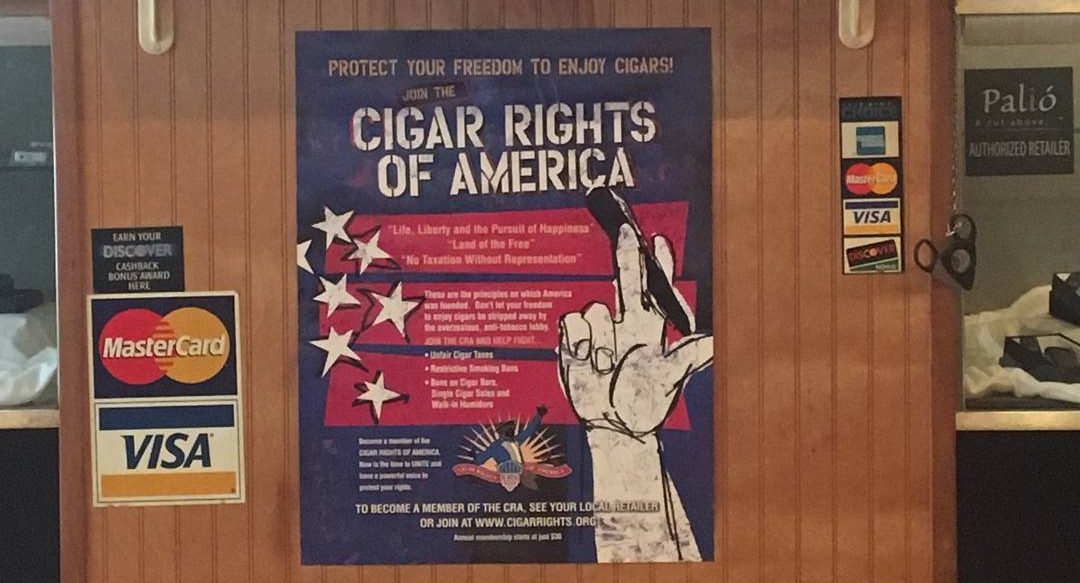
Since its founding in 2008, Cigar Rights of America (CRA) has been the voice of an industry that blends tradition, craftsmanship, and passion. With recent legal victories and an ongoing fight against excessive regulations, this association not only defends the rights of premium cigar enthusiasts but also safeguards the livelihoods of thousands of families across Latin America and the United States who depend on this sector.
Raúl Melo
A Tobacco Heritage
The story of Cigar Rights of America (CRA) dates back to 2008, shortly after the premium cigar industry faced its first significant threat from a proposed massive increase in federal taxes in the United States, standing as the first and only grassroots, consumer-based public advocacy group founded to ensure that everyone has the right to enjoy premium cigars and freely participate in a relaxing social activity, with a membership opened to everyone, including cigar enthusiasts, retailers, and manufacturers across the country.
In the summer of 2007, during a trade show in Houston, Texas, Congress was debating the reauthorization of the State Children’s Health Insurance Program (SCHIP) and a proposed tax of up to $10 per cigar –based on the manufacturer’s selling price– to help fund it.
This cast a shadow over the event, and industry members realized the need for a different approach, both in their advocacy and for enthusiasts, as such a tax would make it difficult to afford a premium cigar.
Read in the magazine (rotate your device for a better reading experience):
This situation prompted Jeff Borysiewicz of Corona Cigars and Keith Park of Prometheus, along with industry leaders such as the Fuente, Newman, Padron, and Levin families, as well as Rocky Patel, Litto Gomez, Gary Pesh, Christian Eiroa, Ernesto Perez-Carillo, and many others, to unite in establishing an organization dedicated to protecting and advocating for the premium cigar industry.
Thus, Cigar Rights of America (CRA) was established in October 2008, with the mission to protect the rights of cigar smokers and an industry that supports farmers, manufacturers, distributors, retailers, and countless other direct and indirect jobs.
Since then, CRA has fought against federal and state regulations and legislation impacting the industry, highlighting the distinction between premium cigars and mass-market products, advocating against intrusive regulations, and unfair taxes.
Blended out of the masses
For years, the premium cigar industry has faced an uphill battle against federal regulatory overreach, culminating in a major legal victory earlier this year. At the heart of the fight was the question of whether premium cigars should be regulated the same way as other tobacco products –a battle that took shape over more than a decade.
The debate traces back to 2009, when Congress passed the Family Smoking Prevention and Tobacco Control Act, granting the Food and Drug Administration (FDA) authority to regulate tobacco products.
Initially, premium cigars were left out of the law. However, in 2016, the FDA expanded its regulatory scope to include them without distinction, disregarding both scientific evidence and an alternative regulatory approach known as Option 2, which had been heavily advocated by CRA.
Under these sweeping 2016 regulations, manufacturers were forced into a costly and complex regulatory process –a system originally designed for cigarettes and other tobacco products. In subjecting premium cigars to this regulatory framework, the FDA failed to account for the handmade, artisanal nature of them, which are crafted from natural tobacco leaves, contain no additives or filters, and are consumed infrequently by adults who savor them as a luxury product rather than a daily habit.


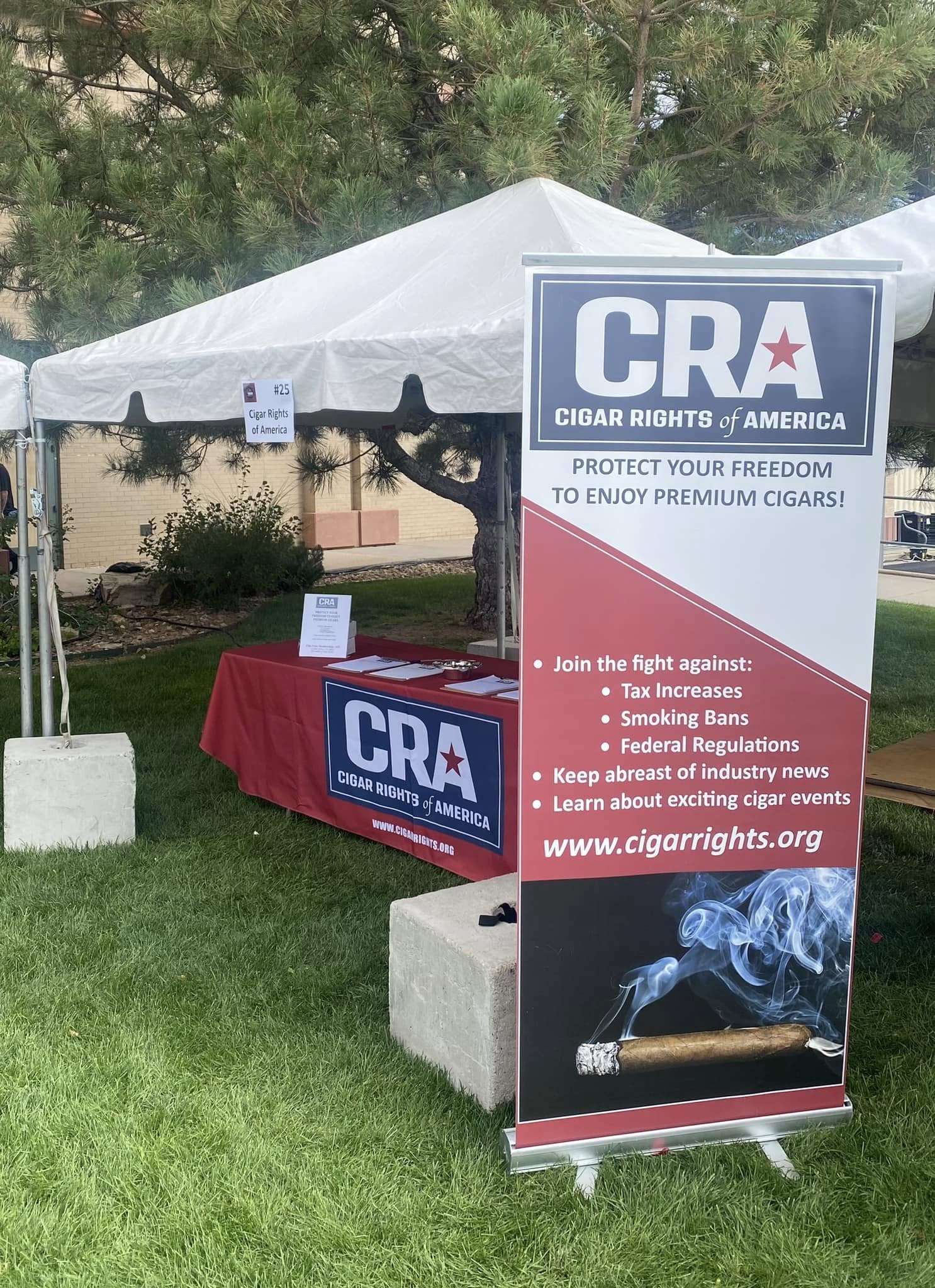
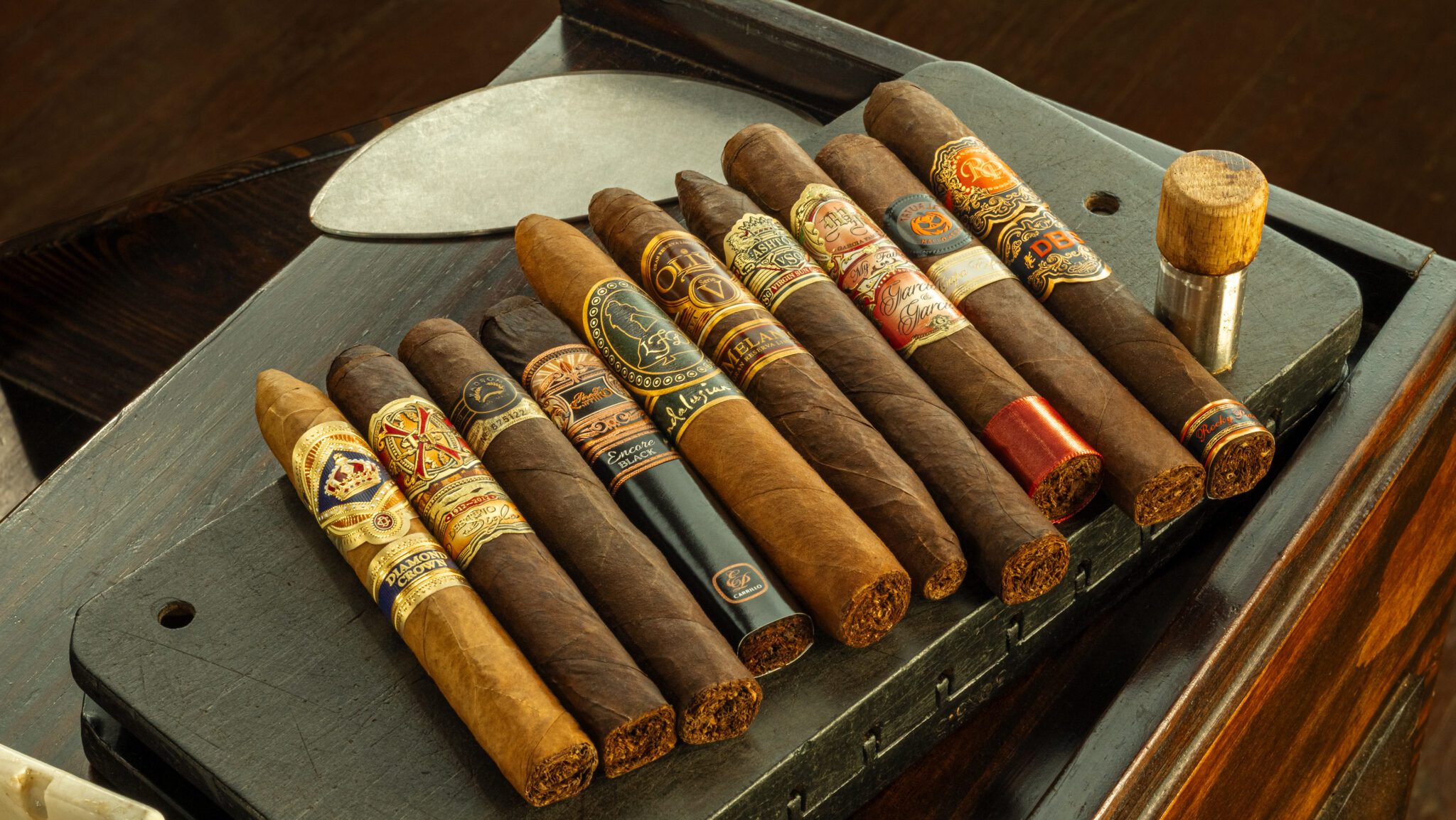
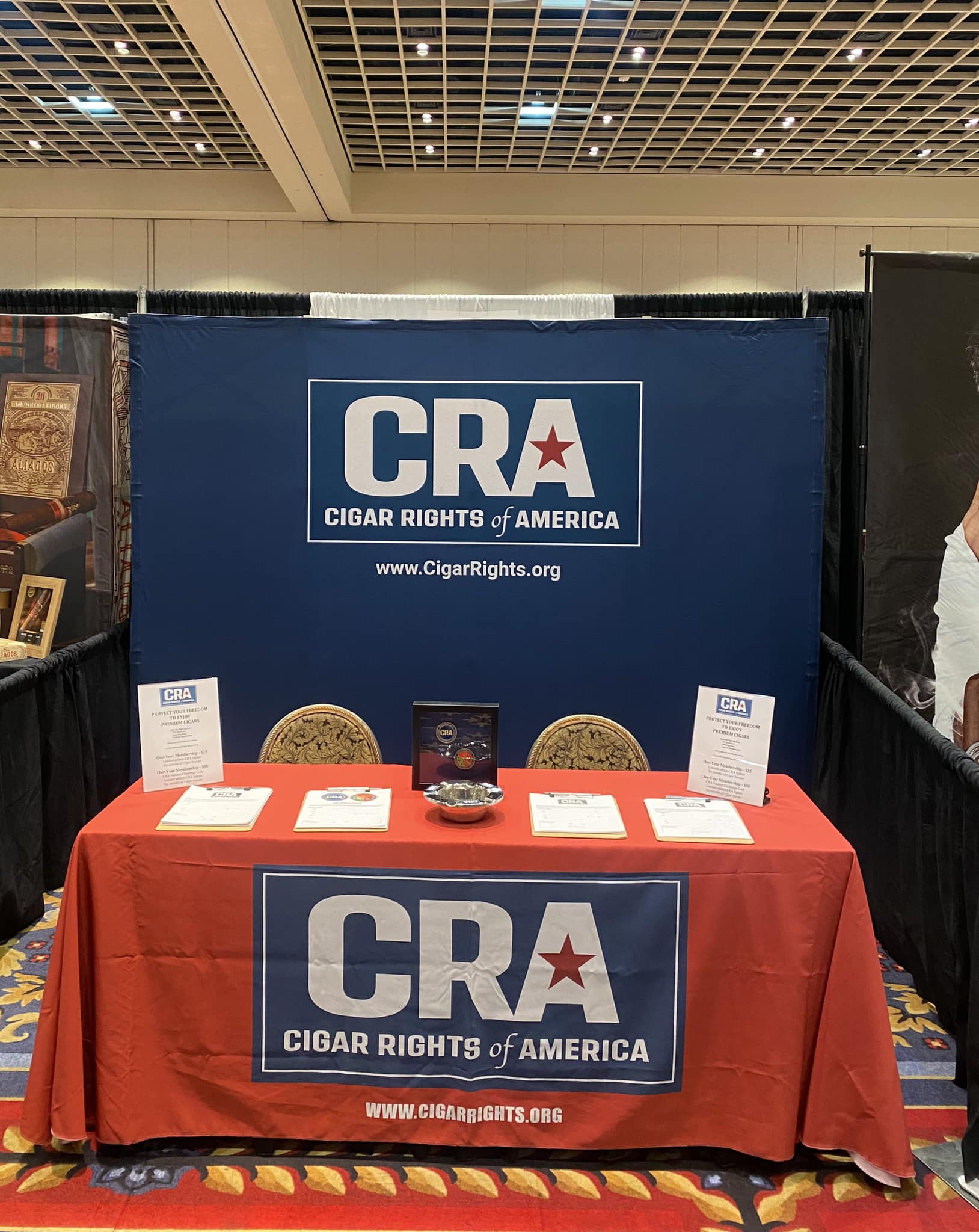
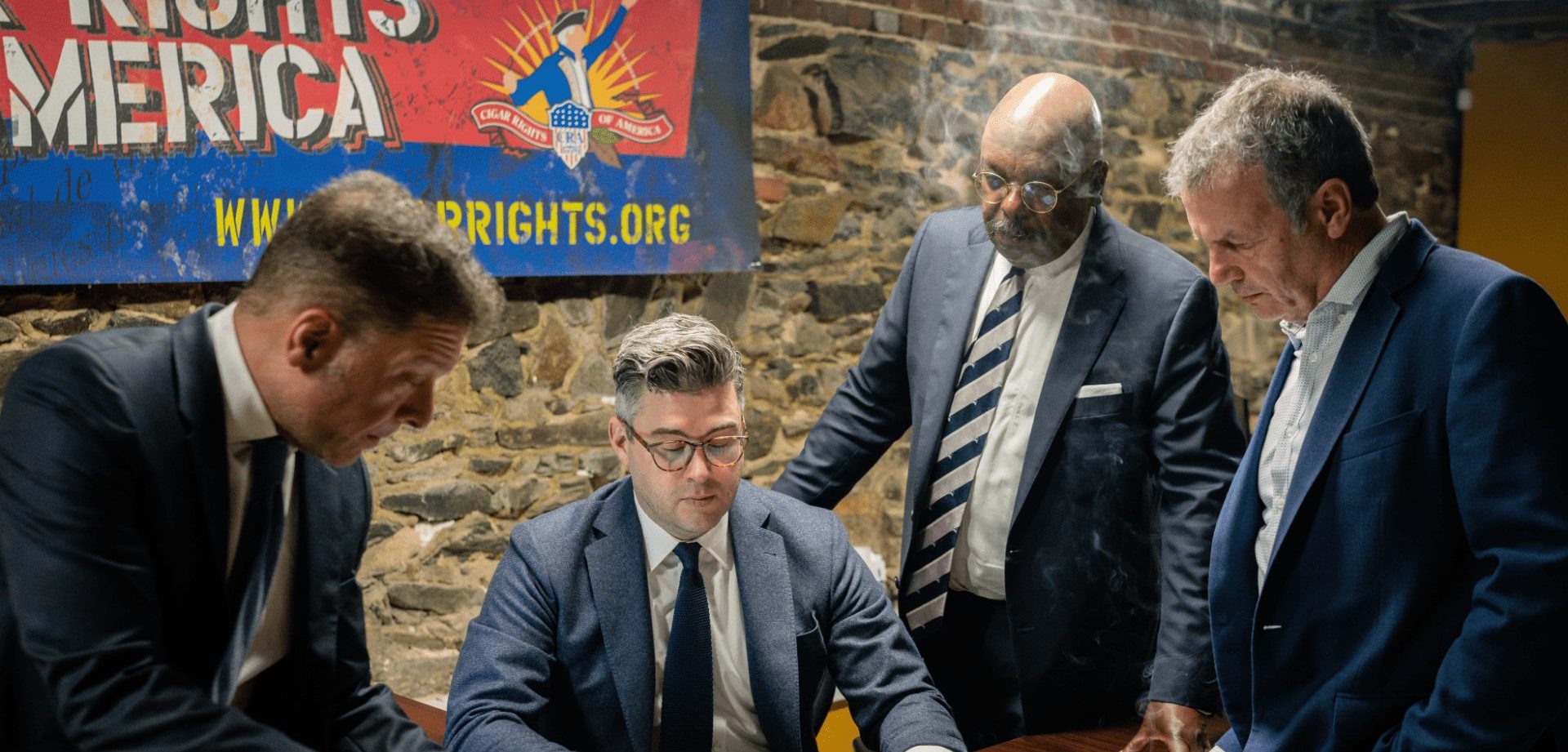

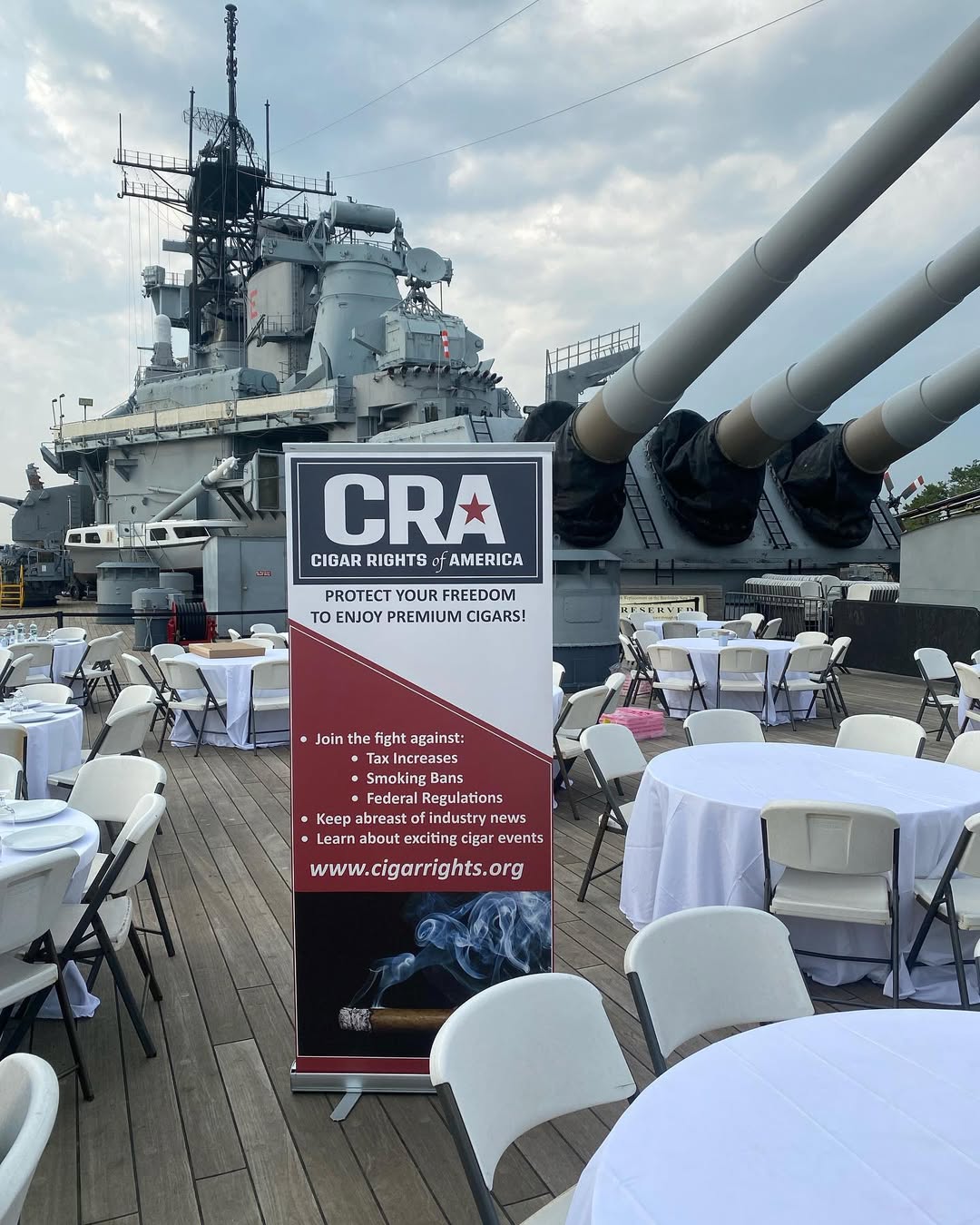
In response, CRA and industry allies pushed back, advocating for an exemption or at least a more tailored regulatory framework. The organization supported multiple legislative efforts, including the Traditional Cigar Manufacturing and Small Business Jobs Preservation Act, a bill first introduced in 2013 by Representative Bill Posey (R-FL) and Senator Bill Nelson (D-FL).
While early versions stalled in Congress, the bill laid the groundwork for future bipartisan efforts from 2015-2023, gaining sponsorship from lawmakers such as Representatives Kathy Castor (D-FL), Byron Donalds (R-FL), Mario Díaz-Balart (R-FL), and Senators Marco Rubio (R-FL) and Bill Cassidy (R-LA), amongst many others.
The industry’s biggest breakthrough came in July 2022, when Judge Amit P. Mehta of the U.S. District Court for the District of Columbia ruled that the FDA had acted “arbitrarily and capriciously” in its 2016 decision to regulate premium cigars without distinction. His ruling eventually led to vacating of the FDA’s oversight of premium cigars, declaring that the agency failed to consider evidence presented by CRA demonstrating that they are not marketed to youth and do not pose the same public health risks as cigarettes or other tobacco products.
However, the FDA appealed the ruling, leading to another legal showdown. In January 2025, the U.S. Court of Appeals for the District of Columbia unanimously upheld Judge Mehta’s decision, affirming that the FDA had overstepped its authority. The ruling not only solidified the removal of premium cigars from FDA regulation but also underscored the need for a clear federal definition of premium cigars –a step the industry argues is necessary to prevent future regulatory overreach.
Despite this victory, the fight may not be over. The FDA could restart the regulatory process, meaning the industry may face another round of legal and political battles.
CRA Executive Director Mike Copperman welcomed the ruling, calling it a “critical win” but warning that a long-term solution is still needed. The industry now turns its focus to securing a permanent, clearly defined federal exemption for premium cigars, ensuring that future regulatory efforts recognize their unique characteristics and distinct consumer base.
Thrown together policies
For more than a decade, Cigar Rights of America (CRA) has been at the forefront of defending the premium cigar industry against federal overreach. But as regulatory threats shift from Washington to state legislatures, the organization has turned its attention to a growing slate of local policies that could reshape the industry. From steep tax hikes and sweeping flavor bans to outright prohibitionist measures like Generational Tobacco Bans, CRA is fighting to ensure that premium cigars remain available to adult consumers while protecting small businesses from crippling regulations.
A New Wave of Prohibition?
Among the most controversial policies gaining momentum is the Nicotine Free Generation (NFG) –a measure that, if enacted widely, would permanently prohibit anyone born after a certain date from ever purchasing tobacco products. While these bans have already been implemented at the local level in the suburbs in and around the Boston, Massachusetts area, state legislatures, including Indiana, Hawaii, and Tennessee have considered or are actively considering them.
The concept of permanently banning an entire generation from buying a legal product has sparked widespread debate. Supporters argue that it will reduce smoking rates over time, but opponents, including CRA, see it as an unprecedented form of age-based prohibition that will ultimately drive tobacco sales underground.
“Starting in 2027, an adult born in 2006 living in Brookline won’t be able to buy and enjoy a cigar, but they could simply drive to Peabody and make the purchase,” CRA explains. “It’s a poorly crafted policy that will create enforcement nightmares.”
Internationally, the concept has already been tested. New Zealand implemented a nationwide Nicotine-Free Generation law in 2022 and quickly withdrew it. The United Kingdom is currently exploring it, setting the stage for a potential adoption.
CRA remains vigilant as more local governments consider them. At its core, the organization argues that this policy is based on a flawed understanding of premium cigars –which, research shows, do not pose the same health risks or addiction concerns as other tobacco products.
Collateral Damage from Overreaching Flavor Bans
Another pressing concern is the broad and ambiguous language found in state-level flavor bans, which, while primarily targeting flavored tobacco and vaping products, risk unintentionally impacting premium cigars. Unlike mass-market tobacco products, premium cigars contain no artificial flavoring; instead, they develop complex natural flavors through the fermentation and aging process, much like fine wine or aged spirits.
However, legislation in states like Oregon and Washington is so broadly written that even a simple description of these natural flavor notes –whether in marketing materials, product reviews, or even casual conversation from a retailer or manufacturer’s representative–could be misinterpreted as a violation.
This lack of clarity creates an untenable compliance burden for premium cigar manufacturers and retailers, threatening their ability to remain in the marketplace despite the fact that premium cigars were never intended to be included in such bans.
As these state-level battles heat up, CRA is working to educate lawmakers and push back against policies that could reshape the cigar industry. The organization has already engaged with state legislatures across the country, warning against the unintended consequences of overregulation.
At the heart of the organization’s argument is a simple premise: premium cigars are not the problem. Unlike cigarettes and vaping products, they are used primarily by adults, are not addictive, and there is no statistically significant record of underage usage –a fact backed by research from the National Academies of Sciences, Engineering, and Medicine, the New England Journal of Medicine and the Society for Research on Nicotine and Tobacco.
What’s Next?
With state-level restrictions mounting, CRA is doubling down on its efforts. The stakes are high –not just for manufacturers and retailers, but for cigar enthusiasts who could see their access to premium cigars significantly reduced.
As policymakers continue to debate these issues, CRA remains committed to its mission: Defending the rights of adult consumers, protecting small businesses, and ensuring that premium cigars are not unfairly targeted by regulations meant for other tobacco products.
Education is Key
Over the years, CRA has been at the forefront of educating legislators and the public about the unique nature of premium cigars. It has fought against burdensome regulations, discriminatory taxes, smoking bans, and other anti-industry policies, saving the industry over $100 million in the process.
CRA has successfully lobbied at the federal and state levels, standing firm on the idea that enthusiasts have the right to enjoy cigars without unnecessary interference. It has mobilized and engaged the cigar community, creating a coalition of 50 states composed of consumer activists, community tobacconists, and premium cigar manufacturers.
Through events, social media, grassroots campaigns, and traditional advocacy, CRA has fostered camaraderie among enthusiasts, encouraging them to defend their rights.
“We exist to protect the efforts of these individuals, who, over generations, have built businesses around an artisanal, natural product now under threat. This is the heritage of our industry,” says Cody Carden. Though the work is challenging, CRA has allies in both public and private sectors and remains hopeful about the receptiveness to the issue.
A Long Road Ahead
As Cigar Rights of America marks its 17th anniversary, it’s important to reflect on its key victories and ongoing mission to protect the premium cigar industry. From challenging the FDA’s overreach to presenting scientific evidence differentiating premium cigars from other tobacco products, CRA has been a leading force in defending the industry.
Over the years, CRA has successfully fought against excessive taxation, challenged smoking bans, and raised awareness about the industry’s economic and cultural significance. One of its most notable victories was securing the removal of premium cigars from FDA regulation, reinforcing their distinction from other tobacco products. However, the fight is far from over.
As the only grassroots, consumer-based public advocacy group dedicated to protecting the right to enjoy premium cigars, CRA remains committed to ensuring that cigar enthusiasts, retailers, and manufacturers can continue to thrive.
With well-funded anti-tobacco movements pushing for increasingly restrictive measures, including flavor bans, tax hikes, and even prohibitionist policies like Generational Tobacco Bans, the industry must stay vigilant. As CRA moves forward, its commitment to preserving the rich tradition of cigars in the United States remains stronger than ever.



 has been the voice of an industry that blends tradition, craftsmanship, and passion)